If you own a 2001 Ford Ranger, you know it’s a tough truck—but even tough vehicles can run into problems. When your Ranger starts acting up, it can be frustrating not knowing what’s wrong or how to fix it.
That’s where this guide comes in. You’ll discover simple, clear troubleshooting tips that help you identify common issues quickly. Whether your engine won’t start, the transmission feels off, or electrical glitches are driving you crazy, you’ll find practical advice tailored just for your Ranger.
Keep reading to take control of your truck’s health and get back on the road with confidence.
Common Ford Ranger Issues
The 2001 Ford Ranger is a reliable truck but can face several common issues over time. Knowing these problems helps owners keep their vehicles running smoothly. Regular checks and early fixes reduce costly repairs.
Below are some frequent troubles reported by Ford Ranger drivers. Each area impacts the truck’s performance and safety differently. Understanding these issues guides proper maintenance and troubleshooting.
Engine Problems
The engine may show signs like rough idling or stalling. Oil leaks and overheating can occur due to worn gaskets or coolant leaks. Carbon buildup inside the engine reduces power and fuel efficiency. Ignoring check engine lights can lead to bigger failures.
Transmission Faults
Transmission problems include hard shifting and slipping gears. Delays in gear changes or strange noises may indicate clutch or valve issues. Low or dirty transmission fluid worsens performance and causes damage. Regular fluid checks extend transmission life.
Electrical Glitches
Electrical faults cause warning lights to appear without clear reasons. Problems with sensors or wiring lead to battery drain or malfunctioning controls. Infotainment screens may freeze or reboot unexpectedly. Moisture in connectors often triggers these glitches.
Brake And Suspension Wear
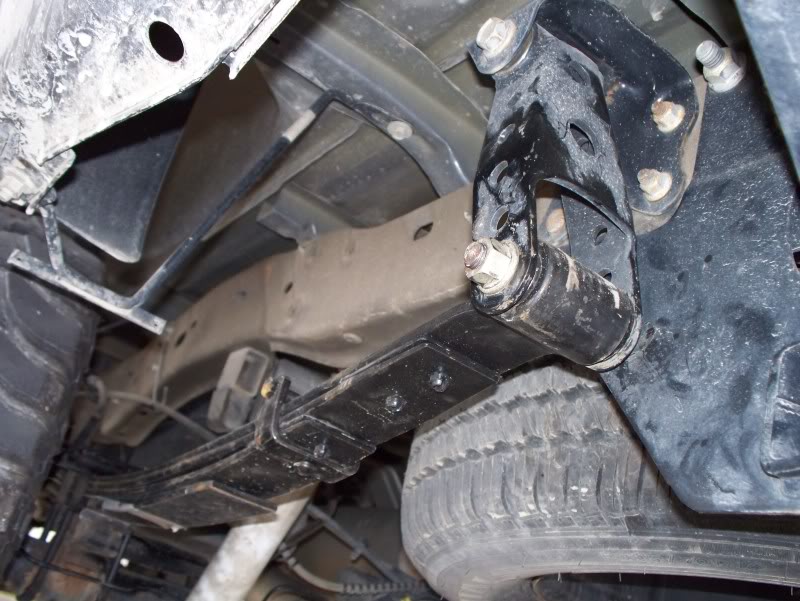
Brake wear shows as spongy pedals or vibrations when stopping. Suspension issues cause clunking noises and uneven tire wear. Older Rangers may have rust affecting frame strength. Off-road driving speeds up brake and suspension wear.
Fuel System Concerns
Fuel filter clogs reduce engine power and cause stalling. Diesel models are especially prone to filter blockages. Fuel injector problems lead to misfires and poor acceleration. Regular fuel system cleaning prevents these issues.

Credit: www.youtube.com
Engine Troubleshooting
Troubleshooting the engine of a 2001 Ford Ranger is essential for keeping it running smoothly. The engine is the heart of your truck. Spotting problems early can save costly repairs and extend the vehicle’s life.
This section covers common engine issues. It explains signs to watch for and how to diagnose key problems. Understanding these basics helps you act fast and avoid breakdowns.
Signs Of Engine Failure
Engine failure shows in many ways. Listen for knocking or tapping sounds. These noises often mean worn parts inside the engine. Another sign is a rough idle or stalling. This means the engine is not running smoothly.
Watch for smoke from the exhaust. Blue smoke suggests burning oil. White smoke points to coolant leaks. Also, a sudden drop in power or poor fuel economy can warn of engine trouble. Check the dashboard for warning lights too.
Maf Sensor Problems
The Mass Air Flow (MAF) sensor measures air entering the engine. A faulty MAF sensor can cause rough running or stalling. It may also trigger the check engine light.
Common symptoms include hesitation during acceleration and poor fuel efficiency. Dirt or damage can block the sensor. Cleaning or replacing the sensor often fixes these issues quickly.
Oil Pump Issues
The oil pump keeps engine parts lubricated. If it fails, engine damage happens fast. Symptoms include low oil pressure and engine noise.
Check the oil level regularly. A failing pump may cause the oil pressure warning light to turn on. Replacing a bad oil pump prevents major engine wear or failure.
Overheating And Carbon Buildup
Overheating harms the engine and causes parts to wear out. Watch the temperature gauge closely. High heat can cause gasket leaks and warped components.
Carbon buildup inside the engine reduces performance. It causes rough idling and poor acceleration. Regular maintenance and cleaning help control carbon deposits and keep the engine cool.
Transmission Problems
The 2001 Ford Ranger is known for its toughness, but transmission problems can occur. These issues affect shifting, power delivery, and overall driving comfort. Understanding common transmission troubles helps keep your Ranger running smoothly.
Transmission problems often start small but can worsen without care. Early detection is key to avoiding costly repairs. Here are the main areas to watch for.
Symptoms Of Transmission Trouble
Watch for hard or rough shifting when changing gears. Delays in gear engagement or slipping gears are warning signs. Strange noises like rattling or whining during shifts also indicate trouble. Loss of power or hesitation when accelerating points to transmission issues. Transmission fluid leaks or burning smells suggest internal damage.
Valve Body And Clutch Wear
The valve body controls fluid flow inside the transmission. Wear or damage here causes shifting problems and erratic gear changes. Clutch packs inside the transmission can wear out over time. Worn clutches lead to slipping and difficulty maintaining speed. Regular inspection helps catch valve body and clutch wear early.
Software And Torque Converter Issues
The transmission’s computer software manages shift timing and pressure. Software glitches may cause rough or delayed shifts. The torque converter transfers engine power to the transmission. A failing torque converter can cause shuddering or slipping. Updating software and checking the torque converter improves transmission performance.
Transmission Maintenance Tips
Check transmission fluid regularly for level and color. Dirty or low fluid harms internal parts and causes overheating. Change transmission fluid as recommended in the owner’s manual. Avoid heavy towing or sudden acceleration to reduce stress. Regular professional inspections catch problems before they worsen.
Credit: dailyplanetvt.com
Electrical System Fixes
The electrical system in the 2001 Ford Ranger plays a vital role in vehicle performance and comfort. Faults in this system can cause a range of issues, from minor annoyances to major safety concerns. Identifying and fixing electrical problems early helps maintain reliability and safety on the road.
Many electrical issues stem from worn connectors, moisture intrusion, or sensor failures. Regular inspection and simple repairs often restore proper function without costly replacements. Understanding common problems aids in quick troubleshooting and effective fixes.
Infotainment And Screen Failures
The infotainment system in the 2001 Ford Ranger can experience freezing or blank screens. Faulty wiring or loose connectors often cause these problems. Moisture entering the head unit may also lead to malfunctions. Resetting the system or checking fuses can sometimes solve the issue. Replacing damaged wires or the head unit may be necessary for persistent failures.
Backup Camera Malfunctions
Backup cameras may show a black screen or no image at all. This is usually due to damaged wiring or a blown fuse. Dirt or moisture on the camera lens reduces visibility. Cleaning the lens and inspecting cables can restore the camera’s function. In some cases, replacing the camera or control module is required.
Warning Lights And Sensor Failures
Random warning lights often indicate sensor or wiring problems. Common sensors that fail include the tire pressure monitoring system (TPMS) and engine sensors. Corroded connectors or loose plugs may trigger false alerts. Scanning the vehicle’s computer for error codes helps identify faulty components. Repairing or replacing the affected sensors clears warning lights.
Battery Drain Causes
Battery drain in the 2001 Ford Ranger can result from electrical shorts or parasitic loads. Faulty switches, stuck relays, or aftermarket accessories may draw power when the vehicle is off. Testing the battery and isolating circuits helps find the cause. Fixing damaged wiring or removing unnecessary devices prevents battery drain and improves reliability.
Brake And Suspension Care
Starting problems are common in the 2001 Ford Ranger. These issues can leave you stranded or delay your drive. Understanding the causes helps fix them quickly. Some problems cause the engine not to crank at all. Others make the starter turn slowly or not at all. The battery, ignition switch, and starter motor are usual suspects. Proper checks help find the root cause fast. This guide explains key troubleshooting steps for starting problems.
No Crank Scenarios
No crank means the engine does not turn over when you turn the key. This often points to electrical issues. Check if the battery has enough charge. A dead or weak battery stops the starter from working. Look for loose or corroded battery cables too. Faulty ignition switches can also cause no crank. Sometimes the neutral safety switch or clutch safety switch prevents starting. Test these parts to rule out problems. A simple voltage test can show if power reaches the starter.
Starter Motor And Solenoid Checks
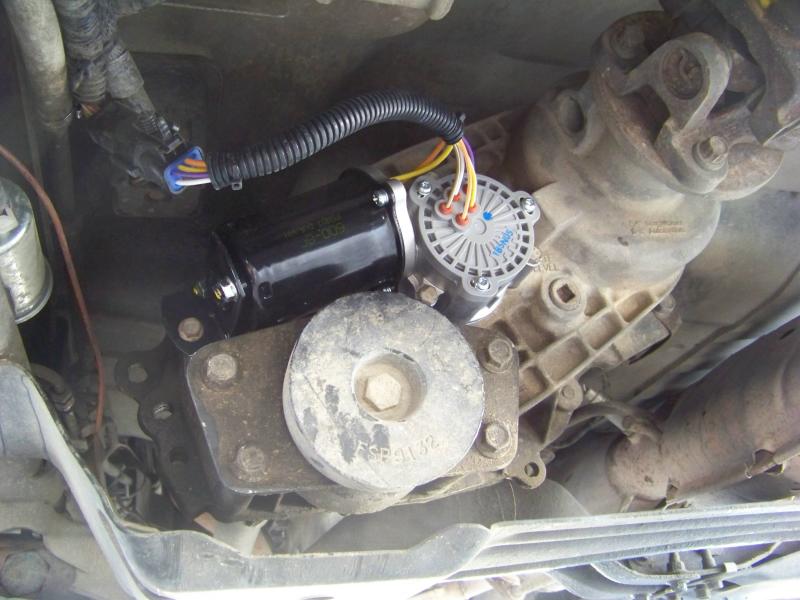
The starter motor spins the engine to start it. The solenoid helps by sending current to the motor. If the starter fails, the engine won’t crank or makes clicking noises. Check the starter connections for tightness and corrosion. Tap the starter gently with a tool while trying to start; this can sometimes free a stuck motor. Test the solenoid by listening for a click when turning the key. A failed solenoid or starter motor usually needs replacement.
Battery And Ignition Switch Tips
The battery must have enough power to crank the engine. Test it with a multimeter for voltage. A healthy battery reads about 12.6 volts when off. Check battery terminals for corrosion and clean them if needed. The ignition switch sends power to the starter and other systems. If it is faulty, the vehicle may not start or lose power while running. Wiggle the key and switch while starting to detect faults. Replace a worn ignition switch to avoid sudden failures.
Credit: www.therangerstation.com
Fuel System Checks
Buying a used Ford Ranger can be a smart choice for a reliable truck. These trucks offer strong performance and good fuel efficiency. Still, a careful inspection helps avoid costly repairs later. Focus on key areas that often show wear or problems in older models. Checking the transmission, engine, electrical system, and body condition will give a clear idea of the truck’s health.
Transmission Inspection
Test the transmission by shifting through all gears smoothly. Listen for unusual noises like clunks or grinding sounds. Check for slipping or delayed engagement during shifts. Look under the truck for any fluid leaks. Transmission fluid should be clean and red, not dark or burnt smelling. These checks help spot hidden transmission issues early.
Engine Condition Tests
Start the engine and listen for rattles or knocking sounds. Look for smoke from the exhaust, which may signal problems. Check under the hood for oil leaks or worn belts. Run a compression test if possible to measure engine health. A smooth idle and steady power delivery show a well-maintained engine.
Electrical System Evaluation
Switch on all lights, indicators, and the infotainment system. Make sure the dashboard warning lights turn off after starting. Test power windows, locks, and mirrors for proper function. Check the battery terminals for corrosion. Faulty wiring or sensors can cause many small but annoying problems.
Rust And Body Integrity
Inspect the truck body closely for rust spots, especially on wheel wells and undercarriage. Rust weakens the frame and lowers resale value. Check door seals and under the truck bed for corrosion. Small dents and scratches may hide bigger damage. A solid body means better safety and durability.
Frequently Asked Questions
What Are The Common Problems With A 2001 Ford Ranger?
Common problems with a 2001 Ford Ranger include transmission issues, faulty MAF sensor, oil pump failure, rust, brake wear, and electrical glitches. Owners often report rough shifting, engine misfires, premature brake wear, and frame rust on older models.
What Are Common Problems With A Ford Ranger?
Common Ford Ranger problems include transmission issues like rough shifts, engine misfires, electrical glitches, brake wear, suspension noise, and rust on older models.
Why Is My Ford Ranger Having Trouble Starting?
Your Ford Ranger may struggle to start due to a weak battery, faulty starter motor, bad ignition switch, or dirty battery terminals. Check all connections and replace worn parts to fix the issue.
What’s The Worst Year For Ford Ranger?
The 2001 Ford Ranger ranks as the worst year due to frequent transmission failures and engine issues. Many owners report slipping gears and overheating problems. Avoid this model for reliability and costly repairs.
What Are Common Issues With The 2001 Ford Ranger?
Common issues include transmission problems, engine misfires, and electrical faults. Rust and suspension wear are also frequent in older models. Regular checks help prevent serious damage.
Conclusion
Troubleshooting a 2001 Ford Ranger can save time and money. Knowing common problems helps identify issues faster. Check the engine, transmission, electrical system, and brakes regularly. Simple fixes often prevent bigger repairs later. Stay patient and methodical when diagnosing your truck.
This approach keeps your Ranger running smoothly and reliably. Regular care improves performance and extends vehicle life. Keep this guide handy for quick reference anytime.