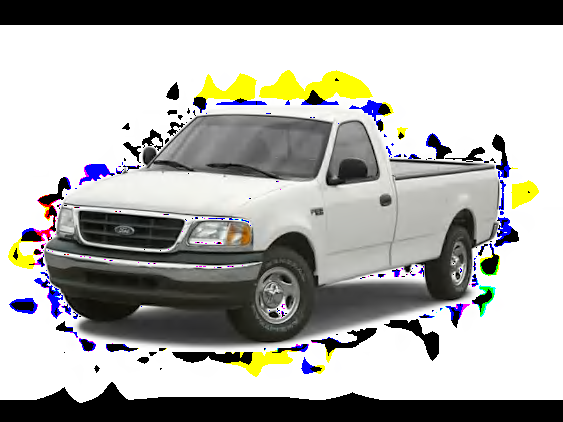
If you own a 2002 Ford F150, you know how dependable this truck can be. But like any vehicle, it can face issues that leave you frustrated and unsure what to do next.
Whether your truck struggles to start, the engine runs rough, or you’re dealing with strange noises, understanding the root of these problems is key to getting back on the road quickly. In this guide, you’ll discover straightforward troubleshooting tips designed specifically for the 2002 Ford F150.
By following these simple steps, you’ll save time, avoid costly repairs, and keep your truck running smoothly. Ready to solve your Ford’s issues and regain confidence behind the wheel? Let’s dive in.
Common Engine Issues
The 2002 Ford F150 is a reliable truck, but some common engine issues can affect its performance. Understanding these problems helps you troubleshoot faster and avoid costly repairs. This section highlights typical engine troubles and what to check first.
Engine Won’t Start
The engine not starting is a frequent issue with the 2002 Ford F150. Check the battery condition and connections for corrosion or looseness. A weak battery often causes starting problems. Also, inspect the starter motor and ignition switch. Faulty fuel delivery or a clogged fuel filter can stop the engine from firing.
Rough Idling
Rough idling means the engine runs unevenly when the truck is stopped. This can happen due to dirty or faulty spark plugs. Inspect the ignition system and replace old plugs. Vacuum leaks or a dirty idle air control valve also cause rough idle. Fuel system problems, like clogged injectors, reduce smooth engine operation.
Loss Of Power
Loss of power affects the truck’s acceleration and overall driveability. It may result from a dirty air filter restricting airflow to the engine. Check the fuel pump and fuel filter for blockages. A failing mass airflow sensor or faulty oxygen sensor can disrupt engine timing. Engine compression issues also reduce power output.
Transmission Problems
The 2002 Ford F150 may face several transmission problems as it ages. These issues affect driving comfort and vehicle performance. Identifying symptoms early helps avoid costly repairs. Understanding common transmission troubles keeps your truck running smoothly. Below are key problems to watch for and tips on troubleshooting.
Delayed Shifting
Delayed shifting happens when the transmission takes too long to change gears. You might feel hesitation or sudden jerks. This issue can result from low transmission fluid or worn parts. Check the fluid level and quality first. Dark or burnt-smelling fluid signals trouble. If fluid is fine, a mechanic should inspect the transmission bands and solenoids.
Transmission Slipping
Transmission slipping means the truck changes gears unexpectedly or loses power. The engine revs but the truck moves slowly. This can happen due to worn clutch plates or damaged gears. Low or dirty transmission fluid may cause slipping too. Fixing it early avoids damage to the transmission system. Regular fluid changes help prevent slipping.
Fluid Leaks
Fluid leaks are a common cause of transmission problems. Look for red or brown fluid under your truck. Leaks can come from seals, gaskets, or transmission pan bolts. Low fluid levels lead to overheating and gear damage. Inspect the transmission pan and seals for cracks or loose bolts. Repair leaks quickly to protect the transmission’s life.
Electrical System Troubles
The 2002 Ford F150 can face several electrical system troubles. These issues may cause inconvenience and affect your truck’s performance. Understanding common problems helps in quick diagnosis and repair.
Electrical system troubles often involve the battery, wiring, or the SYNC system. Each part plays a key role in keeping your vehicle running smoothly. Let’s explore these areas to spot potential faults and fixes.
Battery Drain
Battery drain is a frequent issue in older Ford F150s. It happens when power is lost even if the truck is off. Common causes include lights left on or a faulty alternator. Testing the battery and charging system can find the root cause. Replacing a bad battery or fixing the alternator restores proper function.
Faulty Wiring
Wiring problems can cause flickering lights or non-working accessories. Over time, wires may corrode or break due to heat and vibration. Inspect wiring harnesses for damage or loose connections. Repairing or replacing damaged wires prevents short circuits and electrical failures. Proper wiring ensures all electrical components work reliably.
Sync System Glitches
The SYNC system in the 2002 F150 sometimes glitches. It may freeze, fail to connect to phones, or show errors. A quick reboot can fix minor problems without data loss. For persistent issues, performing a master reset clears settings and restores factory defaults. Resetting helps the system run smoothly and reconnect devices properly.
Credit: www.consumerreports.org
Sync System Fixes
The SYNC system in the 2002 Ford F150 helps control entertainment, navigation, and phone connectivity. Sometimes, it may freeze or act slow. Fixing these issues often requires simple steps to reboot or reset SYNC. These fixes restore smooth operation without needing professional help. Below are easy methods to get your SYNC system working right again.
Performing A Sync Reboot
A SYNC reboot is a quick way to fix minor glitches without losing saved data. Start by pressing and holding the power and seek-up buttons on the SYNC console. Hold them for about 10 seconds until the screen turns black. Release the buttons when the Ford logo appears. The system will restart and clear small bugs that cause freezing or lag.
Master Reset Procedure
The master reset restores SYNC to factory settings and erases all saved data. Use this if rebooting does not solve the problem. First, park the truck and turn it on. Tap the Settings icon on the SYNC screen. Scroll to General, then select Reset. Choose Master Reset and confirm to start. The screen will go blank and show a resetting graphic. Wait for the process to finish before using SYNC again.
When To Reset Sync
Use a reboot for temporary issues like frozen screens or Bluetooth problems. It fixes most minor bugs quickly. Choose a master reset if the system keeps failing or you want to erase all data and settings. Master reset helps when SYNC won’t connect to phones or apps after repeated tries. Resetting is safe and often solves stubborn errors in the 2002 Ford F150 SYNC system.
Cooling And Heating Issues
The 2002 Ford F150 can face several cooling and heating issues that affect comfort and engine performance. Proper functioning of the heating and cooling system ensures a smooth drive. Troubleshooting these problems early prevents costly repairs and keeps the truck reliable.
No Heat In Cabin
When the heater stops blowing warm air, check the thermostat first. A stuck-open thermostat can prevent the engine from reaching the right temperature. Low coolant level may also cause no heat in the cabin. Inspect the heater core for clogs or leaks that block heat transfer. Air trapped in the cooling system can reduce heating efficiency. Flushing the heater core and refilling coolant often solves this issue.
Overheating Engine
Engine overheating is a common problem in older trucks like the 2002 Ford F150. A faulty thermostat may fail to open, causing overheating. Inspect the water pump for leaks or damage that reduces coolant flow. Check the radiator fan to ensure it turns on at the correct temperature. Clogged coolant passages and old coolant reduce heat transfer, leading to high engine temperatures. Regular coolant changes and system checks help prevent overheating.
Radiator Problems
The radiator is vital for engine cooling. Look for external damage or leaks that reduce its efficiency. A clogged radiator restricts coolant flow and causes overheating. Dirt, debris, and corrosion inside the radiator block passages. Flushing the radiator removes buildup and improves cooling. Radiator hoses should be flexible and free from cracks or leaks. Replace damaged hoses to maintain proper coolant circulation.

Credit: www.youtube.com
Fuel System Troubleshooting
The fuel system in the 2002 Ford F150 plays a key role in engine performance. Problems here can cause poor running or no start issues. Troubleshooting these fuel system parts helps find and fix faults quickly. This section covers common checks to keep your truck running smoothly.
Fuel Pump Relay Check
The fuel pump relay controls power to the fuel pump. A bad relay stops the pump from working. To test it, listen for a click when you turn the key to the “on” position. No click means the relay might be faulty. Swap it with a similar relay to confirm. Replace the relay if needed to restore fuel flow.
Clogged Fuel Filter
The fuel filter cleans dirt from the fuel before it reaches the engine. Over time, it can clog and block fuel flow. Symptoms include engine hesitation or stalling. Locate the filter under the truck or near the fuel tank. Replace the filter regularly to avoid these issues. A clean filter ensures steady fuel delivery and better engine performance.
Oxygen Sensor Errors
Oxygen sensors monitor exhaust gases and help control fuel mixture. Faulty sensors cause poor fuel economy and rough idling. Use an OBD-II scanner to check for sensor error codes. Replace sensors that show faults. Fresh sensors help the engine burn fuel more efficiently and reduce emissions.
Brake System Concerns
The brake system is a critical safety feature in the 2002 Ford F150. Keeping it in top shape ensures safe driving and prevents accidents. Many owners face common brake issues. Recognizing these problems early saves time and money. Below are key brake system concerns and how to address them.
Squeaking Noises
Squeaking sounds often mean worn brake pads. Dust or dirt on the pads can also cause noise. Check brake pads for thickness and replace if thin. Clean the brake components to remove debris. Using high-quality brake pads reduces future squeaks.
Brake Pedal Issues
A soft or spongy brake pedal signals air in the brake lines. Low brake fluid can cause this problem too. Press the pedal and notice if it sinks to the floor. Bleeding the brakes removes trapped air. Always check the brake fluid level and refill as needed.
Abs Warning Light
The ABS warning light indicates a problem with the anti-lock brake system. It may be a faulty sensor or damaged wiring. Scan the vehicle’s computer for error codes to pinpoint the issue. Fixing ABS problems restores safe braking performance. Do not ignore the ABS light on your dashboard.
Suspension And Steering
The suspension and steering system of the 2002 Ford F150 plays a key role in vehicle control and ride comfort. It connects the wheels to the truck frame and absorbs shocks from the road. Proper maintenance ensures safe handling and a smooth drive. Problems in these systems often show through tire wear, vibrations, or unusual noises. Identifying these signs early helps prevent bigger repairs and improves driving safety.
Uneven Tire Wear
Uneven tire wear often signals suspension or alignment issues. Check for wear on one side more than the other. This can mean worn shocks, bad ball joints, or misaligned wheels. Driving with uneven tire wear reduces traction and can cause steering problems. Inspect tires regularly and replace suspension parts if needed to avoid uneven wear.
Steering Wheel Vibration
Vibrations in the steering wheel usually come from suspension or steering component faults. Worn tie rods, loose wheel bearings, or unbalanced tires cause shaking. This vibration can increase with speed or when braking. Fixing the problem requires checking all steering linkages and wheel balance. Addressing vibration early keeps control steady and prevents further damage.
Noisy Suspension
Clunking, squeaking, or rattling noises often come from the suspension system. Worn bushings, broken springs, or damaged shocks cause these sounds. Noisy suspension parts reduce ride comfort and affect vehicle control. Listen carefully during turns or over bumps to spot issues. Replace faulty components promptly for a quiet, smooth ride.
Quick Maintenance Tips
Maintaining your 2002 Ford F150 is key to avoiding common troubles. Quick maintenance can save time and money. Simple checks keep your truck running strong and safe. Follow these easy tips to keep everything in order.
Regular Fluid Checks
Check engine oil level every month or before long trips. Use the dipstick to see if oil is clean and at the right level. Low or dirty oil can cause engine damage. Also, check coolant, brake fluid, and transmission fluid regularly. Top off fluids as needed to prevent overheating or brake failure. Clean fluids help your truck run smoothly and avoid costly repairs.
Battery Care
Inspect the battery terminals for corrosion or loose connections. Corrosion looks like white or green powder. Clean terminals with a brush and apply grease to prevent buildup. Test the battery voltage to ensure it holds a strong charge. Replace the battery if it is weak or old. A healthy battery helps your Ford F150 start easily every time.
Tire Pressure Monitoring
Check tire pressure monthly using a reliable gauge. Proper pressure improves fuel efficiency and tire life. Underinflated tires can cause poor handling and increase wear. Overinflated tires reduce traction and comfort. Follow the recommended tire pressure found in your owner’s manual or door sticker. Rotate tires regularly to ensure even wear and better performance.
Credit: lmr.com
Frequently Asked Questions
What Problems Are Common In The 2002 F150?
Common problems in the 2002 F150 include transmission issues, faulty ignition coils, worn suspension, and oil leaks. Electrical glitches and rust also occur frequently.
How To Do A Master Reset On A Ford F-150?
To master reset a Ford F-150, go to the SYNC touchscreen. Tap Settings > General > Reset > Master Reset. Confirm to erase all data and restore factory defaults. The system will reboot and clear all personal settings.
What Is The Most Common Problem With The Ford F-150?
The most common problem with the Ford F-150 is transmission issues, causing shifting delays and rough gear changes.
What Are The Symptoms Of A Pcm Failure On A Ford F-150?
Symptoms of PCM failure on a Ford F-150 include engine stalling, poor fuel economy, rough idling, check engine light activation, and transmission issues. The truck may also experience difficulty starting or erratic shifting. These signs indicate the Powertrain Control Module needs inspection or replacement.
What Are Common Issues With The 2002 Ford F150?
Common problems include engine misfires, transmission slipping, and faulty sensors. Electrical issues and worn suspension parts also occur frequently.
Conclusion
Troubleshooting a 2002 Ford F150 can save time and money. Start with simple checks like battery and fuses. Pay attention to warning lights and unusual noises. Use clear steps to identify the problem quickly. Regular maintenance helps avoid many common issues.
Knowing basic fixes keeps your truck running longer. Don’t ignore small problems; they often grow bigger. Stay calm and follow the troubleshooting tips carefully. Your Ford F150 will stay reliable with proper care. Keep this guide handy for easy reference anytime.