If you own a 2002 Jeep Liberty, you know how frustrating it can be when unexpected problems pop up. Maybe your engine sputters when you accelerate, or the check engine light suddenly comes on.
These issues can leave you wondering what’s wrong and how to fix it without spending a fortune. You’ll discover simple, effective troubleshooting tips tailored specifically for your 2002 Jeep Liberty. By understanding the common problems and quick fixes, you’ll feel more confident handling repairs and keeping your Jeep running smoothly.
Keep reading, because the answers you need are right here—and they could save you time and money.
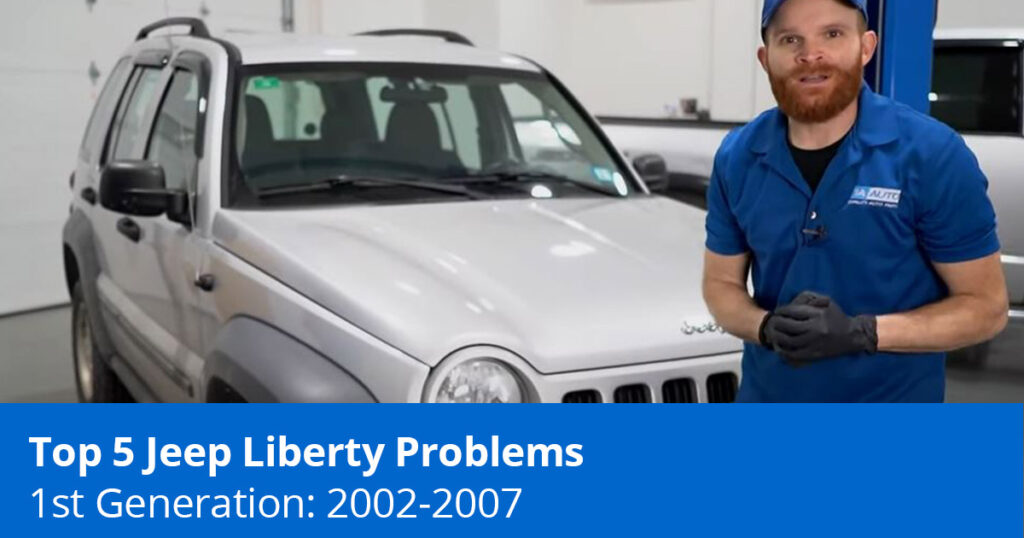
Credit: blog.1aauto.com
Engine Misfire And Check Engine Light
The 2002 Jeep Liberty sometimes shows engine misfire and check engine light problems. These issues affect driving performance and vehicle safety. Understanding common causes helps in quick troubleshooting and repair.
Engine misfires occur when fuel or air does not ignite properly. The check engine light alerts you to this problem. Early attention can prevent bigger engine damage and costly repairs.
Intake Valve Locks
Intake valve locks can cause the engine to misfire. These locks prevent the valves from opening or closing correctly. When this happens, the engine cylinder cannot fill with air properly. The result is rough running and loss of power. Fixing valve locks requires checking the valve train and replacing broken parts.
Valve Issues
Valve problems also lead to misfires and engine warning lights. Worn or damaged valves cause poor compression in the engine. This reduces fuel combustion efficiency. Common valve issues include bent valves, burnt valves, or stuck valves. Mechanics test valves for leaks and movement to find faults. Repairing valves often involves adjusting or replacing them.
Diagnostic Trouble Codes
The check engine light stores diagnostic trouble codes (DTCs). These codes reveal the cause of misfires and other engine faults. A code reader or scan tool helps retrieve these codes. Typical misfire codes for the Jeep Liberty include P0300 to P0306. Decoding these numbers guides the repair process. Always clear codes after fixing the problem to see if it returns.

Credit: www.carparts.com
Starting Problems
Starting problems can be frustrating and often leave you stranded. The 2002 Jeep Liberty may face these issues due to common faults. Knowing where to check first saves time and money. This section covers three main causes of starting troubles.
Battery And Terminal Corrosion
The battery is the heart of your Jeep’s starting system. Corrosion on battery terminals blocks electrical flow. This corrosion looks like white or green powder around the terminals. Cleaning the terminals with a mixture of baking soda and water helps. Make sure the battery is fully charged and tight in place. Loose or dirty connections can stop your Jeep from starting.
Ignition Switch Faults
The ignition switch sends power to the starter motor. A worn or faulty ignition switch may not send the proper signal. Symptoms include no response when turning the key or sudden engine shutoff. Testing the switch with a multimeter can confirm issues. Replacing a bad ignition switch restores reliable starting power.
Wireless Control Module Failures
The wireless control module controls keyless entry and engine start functions. Faults in this module may prevent the Jeep from recognizing the key fob. This leads to a no-start condition even if the battery and ignition are fine. Resetting or replacing the module can fix the problem. Always check this module if other parts seem fine but the Jeep won’t start.
Limp Mode Causes And Fixes
Limp mode in a 2002 Jeep Liberty limits engine power to protect the vehicle. It activates when the system detects serious issues. Drivers feel reduced speed and poor performance. Understanding causes and fixes helps restore normal driving quickly. The following sections explain key methods to deal with limp mode.
Resetting Electronic Systems
Resetting the electronic systems can clear limp mode errors. Turn off the ignition and wait for a few minutes. Restart the engine to see if limp mode ends. This simple reset may fix minor glitches. It clears error codes stored in the vehicle’s computer. If limp mode remains, further diagnosis is needed.
Battery Terminal Removal
Removing the battery terminals resets the vehicle’s computer fully. Disconnect the negative battery terminal first. Leave it disconnected for about 10 minutes. Reconnect the terminal and start the Jeep Liberty. This method resets sensors and clears fault codes. It can stop limp mode caused by sensor errors or low voltage. Always take care when handling battery terminals to avoid sparks.
Symptoms Of Limp Mode
Limp mode shows several clear symptoms. Engine power drops drastically. Acceleration feels weak or sluggish. Transmission may stay in a single gear. Check engine light often turns on. Fuel efficiency decreases noticeably. The vehicle may run roughly or stall. These signs warn of system issues needing attention. Early action prevents further damage.
Fuel System Troubles
The 2002 Jeep Liberty can face various fuel system troubles. These issues often cause poor engine performance and fuel inefficiency. Understanding common fuel system problems helps in quick diagnosis and repair. The fuel system plays a crucial role in delivering fuel to the engine smoothly. Any disruption here affects the vehicle’s driveability and reliability.
Clogged Fuel Injectors
Fuel injectors spray fuel into the engine’s combustion chamber. Over time, dirt and debris block these tiny nozzles. Clogged injectors cause rough idling and reduced power. The engine may hesitate or sputter during acceleration. Cleaning fuel injectors regularly can prevent these troubles. Severe clogging might require injector replacement.
Fuel Tank Vent Valve
The fuel tank vent valve controls air flow during refueling. A faulty valve can cause pressure build-up in the tank. This pressure leads to fuel odor and poor fuel flow. It might also trigger the check engine light. Replacing a bad vent valve restores proper tank ventilation.
Charcoal Canister Problems
The charcoal canister captures fuel vapors to reduce emissions. If it becomes clogged or damaged, fuel vapors escape. This causes increased pollution and fuel smell near the vehicle. Engine performance may drop due to vapor leaks. Inspecting and replacing a faulty canister fixes these issues.
Cooling System Leaks
Cooling system leaks in the 2002 Jeep Liberty often cause overheating and engine damage. Identifying and fixing these leaks early helps keep the vehicle running smoothly. Common leak points include the water pump bolts, thermostat housing, and seals. Understanding how to troubleshoot these areas can save money and prevent bigger problems.
Water Pump Bolt Leaks
Leaks from water pump bolts appear as coolant dripping near the engine front. Over time, bolts can loosen due to engine vibrations. Tightening these bolts to the correct torque often stops minor leaks. If leaks continue, replacing the water pump gasket may be necessary. Always check for cracks or corrosion around the pump area.
Thermostat Replacement
A faulty thermostat can cause coolant leaks around its housing. Remove the thermostat cover carefully to inspect the gasket. Old or damaged gaskets fail to seal properly. Replace the thermostat and gasket together for best results. Clean the housing surfaces before installing new parts. Proper sealing prevents coolant from escaping and keeps engine temperature stable.
Seal Reseating Techniques
Reseating seals stops leaks caused by poor alignment or wear. Clean the sealing surfaces thoroughly before reseating. Apply a thin layer of silicone sealant if recommended by the manufacturer. Press the seal evenly into place to avoid gaps. Allow sealant to cure fully before refilling the cooling system. Proper reseating extends the life of seals and prevents leaks.
Electrical Component Failures
Electrical component failures are common issues in the 2002 Jeep Liberty. These problems can cause inconvenience and affect the vehicle’s performance. Knowing the signs and solutions can save time and money on repairs.
Electrical troubles often show up in door functions and charging systems. Identifying the faulty part early helps maintain safety and comfort while driving.
Power Window Motor Issues
The power window motor in the 2002 Jeep Liberty may stop working suddenly. This causes windows to stay stuck in one position. Often, the motor wears out or the wiring gets damaged. Dirt and moisture can also cause motor failure. Replacing the motor or cleaning the contacts usually fixes the issue.
Power Door Lock Malfunctions
Power door locks may fail to lock or unlock the doors properly. This can happen due to faulty actuators or broken wiring. Sometimes, the key fob battery is dead, causing remote lock problems. Testing the actuator and checking the fuse can help find the cause. Repairing or replacing the actuator restores proper lock function.
Alternator Voltage Problems
The alternator may cause voltage issues that affect the Jeep’s electrical system. A failing alternator leads to dim lights and battery drain. It can also cause the engine to stall or the battery warning light to turn on. Testing the alternator voltage output is necessary. Replacing the alternator fixes most voltage problems.
Sunroof And Accessory Malfunctions
Sunroof and accessory malfunctions can cause frustration for 2002 Jeep Liberty owners. These issues affect comfort and convenience. Troubleshooting them early helps avoid bigger problems. Understanding common faults makes repairs easier. This section covers two main concerns: the sky slider sunroof and the exhaust manifold.
Sky Slider Sunroof Problems
The sky slider sunroof may fail to open or close properly. Dirt and debris often block the tracks. This stops smooth movement and can damage the motor. Check the sunroof tracks and clean them carefully. Lubricate the moving parts with a silicone spray. Electrical faults may cause the sunroof motor to stop working. Inspect the fuse and wiring connections. Replace the motor if it shows signs of wear or burning smell.
Exhaust Manifold Concerns
The exhaust manifold can develop cracks or leaks over time. This causes loud noises and reduces engine performance. Exhaust leaks may also trigger the check engine light. Inspect the manifold for visible cracks or broken bolts. Tighten loose bolts or replace broken ones immediately. Use a high-temperature gasket to prevent leaks during reassembly. Regular checks can prevent serious engine damage linked to exhaust issues.
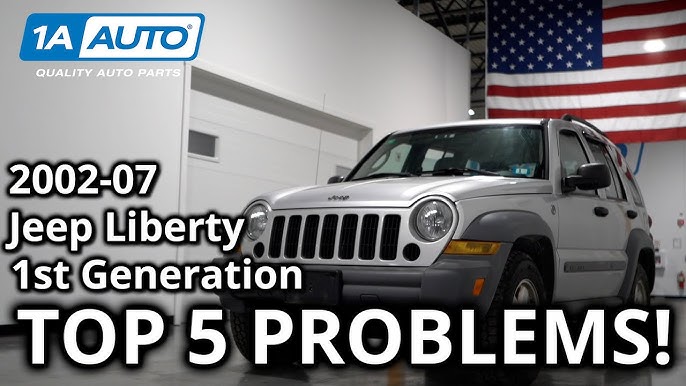
Credit: www.youtube.com
Differential And Transfer Case Leaks
The 2002 Jeep Liberty can develop leaks in the differential and transfer case areas. These leaks cause fluid loss and may damage vehicle parts. Early detection helps avoid costly repairs. Watch out for fluid spots under your Jeep and unusual noises when driving. Understanding common leak points helps in troubleshooting and fixing issues fast.
Pinion Seal Leaks
The pinion seal prevents oil from leaking where the driveshaft connects to the differential. Over time, the seal wears out and starts leaking gear oil. You may notice dark, oily spots near the rear axle. A leaking pinion seal can cause low fluid levels inside the differential. Low fluid leads to poor lubrication and gear damage. Regular inspection and timely replacement keep the differential safe.
Transfer Case Fluid Loss
The transfer case controls power distribution between front and rear wheels. It uses fluid for smooth operation and cooling. Leaks often occur around seals or gaskets on the transfer case. Fluid loss leads to overheating and poor performance. Check for puddles or wet spots below the transfer case. Maintaining proper fluid levels avoids severe transfer case damage.
Troubleshooting Tools And Resources
Troubleshooting a 2002 Jeep Liberty requires the right tools and resources. These help identify problems quickly and accurately. Using proper tools saves time and money. Knowing where to find reliable information is key. Here are essential tools and resources to assist you.
Using Diagnostic Scanners
Diagnostic scanners read error codes from your Jeep’s computer. They reveal specific issues causing warning lights. Basic OBD-II scanners connect easily to your vehicle. More advanced scanners provide detailed data and live readings. Scanners help pinpoint engine, transmission, and sensor problems. Using one gives a clear starting point for repairs. You can buy or borrow scanners from auto parts stores.
Repair Manuals
Repair manuals provide step-by-step instructions for fixing your Jeep. They include diagrams, torque specs, and troubleshooting tips. Manuals cover engine, electrical, brakes, and more. Having a manual ensures you follow correct procedures. It reduces guesswork and prevents costly mistakes. You can find manuals in print or digital formats. Some popular brands include Haynes and Chilton.
Online Forums And Communities
Online forums connect Jeep Liberty owners and experts worldwide. Members share repair experiences and advice. You can ask questions and get detailed answers. Forums often contain solutions for common 2002 Jeep Liberty issues. They help with rare or tricky problems. Popular forums include JeepForum.com and LibertyDieselForum.com. Joining these communities provides ongoing support and updates.
Frequently Asked Questions
What Were The Common Problems On A 2002 Liberty?
Common problems on a 2002 Jeep Liberty include intake valve failures, power window motor issues, sunroof malfunctions, and coolant leaks. Engine misfires, starting troubles, and differential seal leaks also occur frequently. Faulty fuel tank vent valves and alternator failures may cause electrical and performance problems.
How Do You Get A Jeep Liberty Out Of Limp Mode?
To get a Jeep Liberty out of limp mode, restart the vehicle after waiting briefly. Disconnect one battery terminal for 10 minutes to reset the system. Also, check and fix any engine issues triggering limp mode to prevent recurrence.
Why Is My Jeep Liberty Having Trouble Starting?
Your Jeep Liberty may struggle to start due to a weak battery, corroded terminals, faulty ignition switch, or blown fuses. Check battery connections, starter relay, and under-hood fuses. Alternator issues can also prevent proper battery charging, causing starting problems.
Why Is My Jeep Liberty Sputtering When Accelerating?
Your Jeep Liberty sputters during acceleration due to clogged fuel injectors, faulty spark plugs, or a dirty air filter reducing engine performance.
Why Won’t My 2002 Jeep Liberty Start Properly?
Common causes include a dead battery, corroded terminals, or a bad ignition switch. Check battery connections and fuses first for quick fixes.
Conclusion
The 2002 Jeep Liberty can face various common issues. Simple checks often solve starting or sputtering troubles. Keep battery terminals clean and tight for reliable power. Watch for warning lights and address them quickly. Regular maintenance helps avoid leaks and electrical faults.
Early repairs save time and money later. Use this guide to spot problems fast and keep driving smoothly. Regular care keeps your Jeep Liberty running strong and safe.