If you own a 2003 Honda Element, you know it’s a unique and reliable vehicle—but like any car, it can have its quirks and issues. Maybe you’ve noticed strange noises, warning lights, or odd behavior while driving, and you’re wondering what’s going on under the hood.
You’re not alone. Many Honda Element owners face common problems like engine leaks, suspension sag, or electrical glitches that can be tricky to diagnose. This guide is here to help you troubleshoot those frustrating issues quickly and confidently. By the end, you’ll understand what might be causing your Element’s troubles and how you can tackle them—saving you time, money, and stress.
Let’s dive in and get your Element running smoothly again.
Common Engine Leaks
Engine leaks are a frequent issue in the 2003 Honda Element. These leaks can cause oil loss and engine damage. Early detection helps avoid costly repairs. Common leaks usually appear around the valve covers and solenoids. Knowing where leaks occur makes troubleshooting easier. Regular checks of engine seals and gaskets help maintain engine health.
Vtc Solenoid Oil Leak
The Variable Timing Control (VTC) solenoid often develops oil leaks in the 2003 Element. This part controls the engine’s camshaft timing for better performance. Oil can seep from the solenoid’s gasket or housing. A leaking VTC solenoid may cause low oil levels and engine warning lights. Fixing this leak involves replacing the solenoid gasket or the entire solenoid if damaged.
Fixing Major Oil Leaks
Major oil leaks in the Honda Element require immediate attention. Common sources include valve cover gaskets, oil pan gaskets, and seals. These leaks lead to oil dripping under the vehicle or smoke from the engine bay. Repair starts with cleaning the engine to spot the exact leak location. Replacing faulty gaskets or seals stops the leak and protects engine parts from damage.

Credit: www.importapart.com
Differential Fluid Issues
The differential fluid in a 2003 Honda Element plays a key role in smooth driving. It lubricates the gears inside the differential. Proper lubrication reduces friction and wear. Over time, the fluid breaks down or gets dirty. This causes problems that affect driving comfort and safety.
Signs of differential fluid issues often appear as unusual noises. The fluid’s condition affects how well the differential works. Regular checks and maintenance help avoid costly repairs. Understanding common symptoms and the fluid flush process can keep your Element running well.
Groaning Noise Causes
A groaning noise when turning is a common differential fluid problem. This sound usually means the fluid is old or low. Worn-out fluid loses its ability to lubricate gears properly. The gears then rub against each other, causing the noise.
Other causes include leaks or contamination inside the differential. Dirt or metal particles in the fluid make the noise worse. Over time, this can damage the differential parts. Catching this early prevents bigger mechanical issues.
Fluid Flush Process
Flushing the differential fluid restores proper lubrication. Start by lifting the vehicle safely and removing the fill plug. Next, drain the old fluid completely from the differential case. Use a clean container to catch the used fluid.
After draining, refill with the correct type and amount of new differential fluid. Check the owner’s manual for specifications. Tighten the fill plug securely to prevent leaks. Test drive the vehicle to ensure the noise disappears. Regular fluid flushes keep the differential healthy and quiet.
Suspension And Drivetrain
The suspension and drivetrain of the 2003 Honda Element play a vital role in its performance and comfort. These systems support the vehicle’s weight and deliver power to the wheels. Problems here can affect handling, ride quality, and safety. Regular checks and timely fixes keep the Element running smoothly.
Rear Suspension Sag
Rear suspension sag happens when the springs weaken over time. This causes the back of the car to sit lower than normal. Sagging leads to poor ride comfort and uneven tire contact with the road. It also increases the risk of bottoming out on bumps. Replacing worn springs or shocks restores proper height and handling.
Drive Shaft Carrier Bearing Wear
The drive shaft carrier bearing supports the drive shaft’s middle section. Wear in this bearing causes vibrations during highway driving. These vibrations grow stronger with speed and can damage other drivetrain parts. Inspect the bearing for noise or looseness. Replacement is the best solution to stop shaking and protect the drivetrain.
Uneven Tire Wear
Uneven tire wear often signals suspension or alignment problems. Sagging rear suspension and worn drivetrain parts cause tires to wear more on one side. This reduces tire life and affects vehicle stability. Regular alignment checks and suspension repairs keep tires wearing evenly. Proper tire maintenance also improves fuel efficiency and safety.
Brake System Problems
The brake system in the 2003 Honda Element plays a vital role in safety. Problems in this system can cause poor stopping power and vibrations. Recognizing brake system issues early helps avoid accidents and costly repairs.
Common brake problems include warped rotors and brake vibrations. These problems affect the car’s ability to stop smoothly. Proper troubleshooting can restore brake performance and driver confidence.
Warped Front Rotors
Warped front rotors are a frequent issue in the 2003 Honda Element. Heat buildup from heavy braking causes the rotors to deform. Warped rotors lead to uneven contact with brake pads. This results in shaking or pulsating felt through the brake pedal.
Symptoms include a vibrating brake pedal and noise while braking. Driving with warped rotors reduces braking efficiency and increases stopping distance. Regular inspection of rotor surface and thickness helps detect warping early.
Brake Vibration Fixes
Brake vibrations usually come from warped rotors or worn brake pads. The first step is to check rotor condition. If rotors are warped, they may need resurfacing or replacement. Resurfacing smooths the rotor surface, restoring even contact.
Worn or uneven brake pads also cause vibration. Replacing brake pads with quality parts can stop shaking. Proper brake system maintenance, like regular fluid changes, improves braking smoothness.
Balancing wheel alignment and tire condition also affects brake vibrations. Poor alignment or bad tires can worsen brake shaking. Addressing these factors ensures a stable and safe driving experience.
Shock Absorber Failures
The 2003 Honda Element often faces issues with its shock absorbers. These parts control the car’s ride comfort and handling. Over time, shock absorber failures lead to poor driving experience and safety risks.
Worn shocks cause the vehicle to bounce excessively after bumps. This wear also affects braking distance and tire wear. Recognizing shock absorber problems early helps prevent further damage and costly repairs.
Signs Of Failing Shocks
One clear sign is a bouncy or rough ride. The car may sway more in turns or feel unstable on uneven roads. Excessive nose diving when braking is also common.
Look for uneven tire wear or bald spots on tires. Leaking fluid on the shock body shows a damaged seal. Strange noises like clunking or rattling can indicate loose or broken shocks.
Replacement Tips
Always replace shocks in pairs, front or rear, to keep balanced handling. Use high-quality parts made for the 2003 Honda Element. Avoid cheap or generic shocks that wear out quickly.
Inspect mounting bolts and rubber bushings during replacement. Replace any damaged parts for a secure fit. After installation, check wheel alignment to prevent tire wear and improve safety.
Electrical And Sensor Faults
Electrical and sensor faults in the 2003 Honda Element often cause warning lights and drivability issues. These faults affect safety features and engine performance. Understanding these problems helps in quick diagnosis and repair.
Srs Light Causes
The SRS light often turns on due to seatbelt wiring problems. Loose or damaged connectors under seats can trigger the light. Faulty airbag sensors or modules also cause the SRS warning. Checking seatbelt harness wiring is the first step to fix it.
Check Engine Light Triggers
The check engine light can signal many issues. Common causes include faulty oxygen sensors or air-fuel sensors. Problems with the ignition system or fuel injectors also trigger the light. Scanning the vehicle’s computer helps find the exact fault code.
Electrical Load Detector Issues
The Electrical Load Detector (ELD) controls voltage to the battery and lights. A bad ELD causes dim headlights and may turn on the check engine light. It can also lead to battery drain or electrical failures. Replacing the ELD restores proper electrical function.
Door Lock Troubles
The 2003 Honda Element often faces door lock troubles. These issues can make locking and unlocking difficult. Owners report problems like sticky locks and tumblers that do not turn smoothly. Such troubles can cause frustration and affect vehicle security.
Understanding these door lock problems helps in fixing them efficiently. Simple care and timely repairs prevent bigger issues. The most common cause is dirt or grime buildup inside the lock mechanism. Over time, this buildup can cause the lock tumblers to stick, making the door hard to lock or unlock.
Sticky Lock Tumblers
Sticky lock tumblers are a frequent problem in the 2003 Honda Element. They occur when dirt, dust, or rust blocks the lock’s moving parts. The tumblers fail to rotate correctly. This leads to a lock that feels stiff or gets stuck halfway. Extreme weather changes can worsen the problem by causing metal parts to expand or contract.
Ignoring sticky tumblers can lead to a lock that won’t work at all. This may trap keys inside or prevent the door from locking securely. Regular cleaning and lubrication can reduce the chance of sticky tumblers.
Lock Repair Methods
One simple repair method is using a graphite-based lubricant. It penetrates the lock mechanism without attracting dust. Apply a small amount into the keyhole and work the key in and out. This helps free the stuck tumblers.
Another method involves disassembling the door lock. This allows cleaning inside the mechanism. Remove dirt and old grease, then apply fresh lubricant. This process may require special tools and knowledge. For difficult cases, consulting a professional locksmith is best. They can replace worn parts or fix deep mechanical issues.
Windshield And Body Concerns
The 2003 Honda Element is known for its rugged design and boxy shape. Its windshield and body, however, may develop some issues with time. These problems can affect safety and the vehicle’s appearance. Recognizing them early helps in taking quick action.
Below are common windshield and body concerns that owners often face with this model. Knowing what to look for can save money and prevent bigger repairs.
Cracking Risks
The windshield of the 2003 Honda Element can develop cracks from small impacts. Even tiny chips may spread into large cracks. Temperature changes cause the glass to expand and contract, worsening the damage. Driving with cracks reduces visibility and can be dangerous. Repair or replace cracked windshields as soon as possible.
Rust Around Seals
Rust often forms near the seals around the doors and windshield. Water can seep under the rubber seals, causing corrosion on the metal frame. This rust weakens the body and may lead to leaks inside the vehicle. Regular inspection of seals and early treatment of rust spots can keep the Element’s body in good shape.
Rear Tailgate Problems
The rear tailgate on the 2003 Honda Element can sometimes cause trouble for owners. Problems often show up as difficulty opening or closing the tailgate. These issues affect convenience and safety. Understanding common rear tailgate problems helps in quick fixes and proper maintenance.
Latch Maladjustments
The tailgate latch may not line up properly with the striker. This misalignment can cause the tailgate to stay partially open or not lock securely. Dirt, rust, or worn parts often cause latch maladjustments. Adjusting the latch or striker usually solves the problem. Lubricate the latch mechanism to keep it working smoothly. A loose latch can trigger warning lights or cause the tailgate to rattle while driving.
Interior Light Issues
The rear tailgate has an interior light that turns on when opened. Sometimes, this light stays on even when the tailgate is closed. A faulty tailgate switch or wiring problem often causes this. The constant light drain can weaken the car battery. Testing and replacing a bad switch usually fixes the issue. Cleaning the switch contacts can also help restore proper function. Ensuring the light works correctly improves safety during night loading and unloading.
Driver’s Seat Wear
The driver’s seat in a 2003 Honda Element often shows signs of wear due to frequent use. This area faces constant pressure and friction. Over time, the material can crack, fade, or lose its shape. Addressing seat wear early can improve comfort and maintain the vehicle’s value.
Common Damage
Common damage includes tears, cracks, and worn-out fabric or leather. The seat cushion may become flat and less supportive. Edges often fray because of frequent entry and exit. Stains and discoloration can also occur from spills and sun exposure. These issues affect both appearance and comfort.
Seat Repair Options
Small tears can be fixed with patch kits or professional sewing. Foam cushions can be replaced or supplemented to restore support. Seat covers provide a quick and affordable way to hide damage. For severe wear, professional reupholstering may be needed. Regular cleaning and conditioning help prevent further damage.
Rear Subframe Rust
The rear subframe on the 2003 Honda Element can develop rust over time. This issue is common in areas with harsh winters or near the coast. Rust weakens the metal frame that supports the rear suspension and drivetrain. It can cause serious damage if not addressed early. Understanding rear subframe rust helps keep your vehicle safe and reliable.
Safety Risks
Rust on the rear subframe reduces the strength of the vehicle’s structure. It may cause parts to break or bend under stress. This increases the chance of accidents or loss of control. The suspension could fail, leading to dangerous driving conditions. Driving with a rusted subframe is unsafe for you and others on the road.
Inspection And Prevention
Check the rear subframe regularly for signs of rust or corrosion. Look for flaking metal, holes, or discoloration. Pay close attention after winter or driving on salty roads. Clean the undercarriage often to remove dirt and salt buildup. Apply rust-proof coatings or treatments to protect the metal. Early action can stop rust from spreading and save costly repairs.
Catalytic Converter Theft
The 2003 Honda Element has become a frequent target for catalytic converter theft. Thieves steal this part for its valuable metals like platinum, palladium, and rhodium. The theft causes high repair costs and leaves the vehicle unusable until fixed.
Many owners face this problem due to the vehicle’s design and the high metal prices. Understanding how to prevent theft and the challenges of replacement can save time and money.
Theft Prevention Tips
Park your Element in well-lit areas to deter thieves. Use a garage or secured parking when possible. Installing a catalytic converter lock or shield adds physical protection. Engraving your vehicle identification number (VIN) on the converter helps police identify stolen parts. Motion sensor alarms can alert you to suspicious activity under your car. Regularly check your vehicle for signs of tampering or damage.
Replacement Challenges
Replacing a stolen catalytic converter on a 2003 Honda Element is costly. The part is expensive due to rare metals inside. Finding the correct replacement can be hard because of the vehicle’s age. Installation requires a skilled mechanic to avoid damage to exhaust components. Insurance may not always cover the full replacement cost. Delays in repair can affect your daily commute and vehicle performance.
Parts Availability Challenges
The 2003 Honda Element is a unique vehicle with a loyal fan base. Over time, owners face challenges finding specific parts. The vehicle’s age makes some components rare. This creates hurdles for repairs and maintenance. Understanding parts availability is key for any Element owner.
Many parts are no longer in production. Dealers may not stock every component needed. This situation often leads to delays and higher costs. Planning ahead can reduce frustration during repairs.
Sourcing Difficult Components
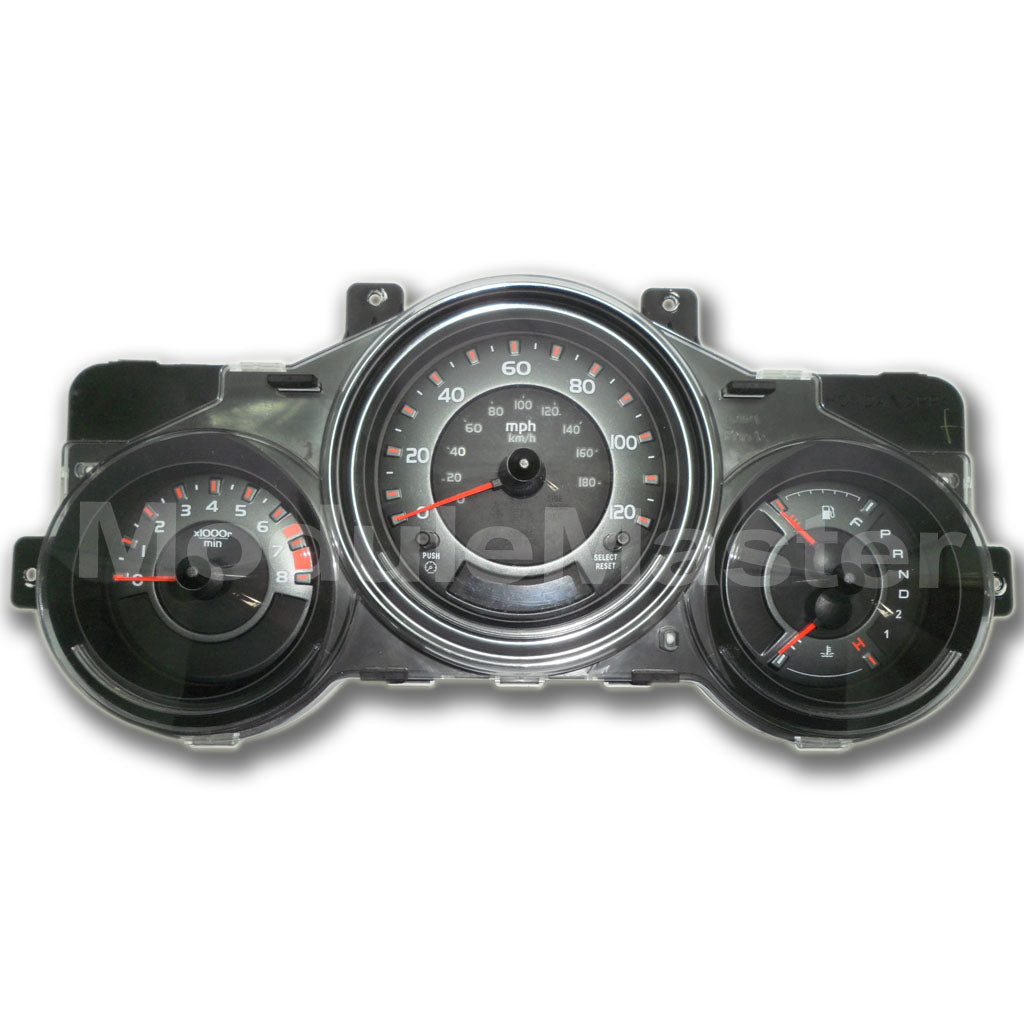
Some parts for the 2003 Honda Element are especially hard to find. Items like the original dashboard gauges, certain engine sensors, and unique interior panels are rare. These parts may only be available through salvage yards or specialty shops. Patience is important when hunting down these components. Checking online marketplaces and forums can help locate the needed parts.
OEM parts have limited stock. Many suppliers focus on newer models. This limits options for older vehicles like the Element. Owners may need to rely on used or refurbished parts for repairs. Always verify part condition before purchase.
Aftermarket Options
Aftermarket parts are a practical solution for many Element owners. These parts often cost less and are easier to find. Quality varies, so research brands carefully. Many aftermarket manufacturers produce components compatible with the 2003 Element. Items like brake pads, filters, and suspension parts have good aftermarket availability.
Some aftermarket parts improve on the original design. Upgraded shocks or enhanced lighting kits are popular. Using these parts can extend the vehicle’s life and performance. Combining OEM and aftermarket parts often provides the best balance of quality and cost.
Credit: modulemaster.com
Resetting Maintenance Light
The maintenance light on a 2003 Honda Element alerts you when scheduled service is due. Resetting this light after completing maintenance helps keep track of future service needs. Ignoring the maintenance light can lead to missing important vehicle checks. Resetting it is simple and saves trips to the mechanic for this task.
Knowing how to reset the maintenance light yourself can save time and money. It also ensures the light accurately reflects your vehicle’s maintenance status. The process requires no special tools and takes only a few minutes.
Step-by-step Reset Guide
- Turn the ignition switch to the “ON” position without starting the engine.
- Locate the “Select/Reset” knob on the dashboard near the speedometer.
- Press and hold the “Select/Reset” knob for about 10 seconds.
- Watch the maintenance light blink and then turn off.
- Release the knob once the light goes off.
- Turn the ignition off and then start the engine to confirm the reset.
Jerking During Acceleration
The 2003 Honda Element may jerk during acceleration, causing an uncomfortable ride. This problem affects vehicle performance and safety. Understanding common causes helps in quick troubleshooting. Below are key areas to inspect to fix jerking issues.
Ignition System Issues
Faulty ignition components can cause jerking during acceleration. Check the ignition coils for cracks or damage. A bad coil sends weak sparks to the engine. This leads to misfires and uneven power delivery. Also, inspect the ignition wires for wear. Replace any damaged parts promptly to restore smooth acceleration.
Transmission Problems
The transmission controls power transfer from the engine to the wheels. Issues here cause jerking or slipping sensations. Low transmission fluid levels reduce lubrication and cause gear shifting problems. Look for fluid leaks under the vehicle. Worn clutch plates or faulty solenoids may also trigger jerks. Have a mechanic test the transmission for proper function.
Spark Plug And Injector Checks
Worn or dirty spark plugs can cause misfires and jerking. Remove and inspect each plug for wear or carbon buildup. Replace plugs every 30,000 miles or as needed. Fuel injectors might clog over time, disrupting fuel flow. Use a fuel injector cleaner or have them professionally cleaned. Clean injectors provide smooth fuel delivery and steady acceleration.

Credit: www.youtube.com
Model Years To Avoid
Choosing the right model year of the 2003 Honda Element is crucial for a smooth ownership experience. Some years have more reported problems than others. Knowing which ones to avoid can save you time and money. Below, we highlight the model years with the most issues and share tips for buying a reliable Element.
Known Problematic Years
The 2003 and 2004 model years often show more mechanical and electrical problems. Owners report engine oil leaks, especially from the VTC solenoid, causing performance issues. The rear differential can make groaning noises, indicating fluid needs replacement. Suspension parts tend to wear out faster, leading to uneven tire wear. Rust on the rear subframe is also common and poses safety risks. These issues are less frequent in later years, making early models riskier choices.
Buying Tips
Check for service records to confirm regular maintenance. Inspect the rear subframe for rust or corrosion carefully. Test drive to listen for unusual noises from the engine or suspension. Verify that door locks and electrical components work smoothly. Consider having a trusted mechanic inspect the vehicle before purchase. Prioritize models from 2005 onward for better reliability and fewer repairs.
Frequently Asked Questions
What Are The Most Common Problems With Honda Elements?
Common Honda Element problems include engine oil leaks, sticky door locks, rear differential noise, suspension sag, rear subframe rust, failing shocks, and sensor issues causing check engine lights. Parts availability can be challenging due to the model’s age.
How To Reset Honda Element?
Turn the key to the “On” position without starting the engine. Hold the trip meter reset button until the maintenance light turns off. This resets the Honda Element’s maintenance light quickly and easily.
Why Is My Honda Element Jerking?
Your Honda Element may jerk due to faulty spark plugs, dirty fuel injectors, or a malfunctioning transmission. Check engine sensors and fuel system.
What Year To Stay Away From Honda Element?
Avoid 2003-2006 Honda Element models due to rear subframe rust and suspension issues. Later years have fewer serious problems.
What Are Common Engine Issues In The 2003 Honda Element?
Common engine problems include oil leaks from the VTC solenoid and faulty A/F sensors. These issues may trigger the check engine light. Timely repair helps avoid bigger engine damage.
Conclusion
Troubleshooting a 2003 Honda Element helps keep it reliable and safe. Knowing common issues saves time and repair costs. Watch for engine leaks, worn shocks, and sticky door locks. Address electrical problems like check engine lights quickly. Regular checks prevent serious damage like rear subframe rust.
Simple maintenance extends your vehicle’s life and comfort. Stay aware, and your Element will serve well for years.