If you own a 2005 Honda Accord, you know how reliable it can be—until something unexpected happens. Maybe your car won’t start, or you’re feeling strange vibrations when braking.
These issues can be frustrating, especially when you don’t know where to begin fixing them. But don’t worry—you’re not alone, and many common problems have simple solutions. In this guide, you’ll learn how to troubleshoot the most frequent 2005 Honda Accord issues step-by-step.
By understanding what might be wrong and how to check it, you’ll save time, avoid costly repairs, and get back on the road with confidence. Ready to solve your Accord’s troubles? Let’s dive in.
Credit: www.ebay.com
Common Ignition Issues
The 2005 Honda Accord sometimes faces ignition problems that affect starting and driving. These common ignition issues can cause frustration and confusion. Understanding symptoms helps in quick troubleshooting and repair.
Ignition problems often start with the ignition switch. A faulty switch disrupts power flow to the engine and accessories. This can cause the car not to start or electrical failures inside the vehicle.
Ignition Switch Failure Symptoms
One key symptom is the engine not starting despite turning the key. You may hear a click or no sound at all. The dashboard lights might flicker or stay off.
Other signs include the radio or climate control shutting off suddenly. Power door locks might work erratically. Sometimes, the steering wheel locks up and won’t turn.
These signs often mean the ignition switch needs checking or replacement. Early attention can prevent total failure and costly repairs.
Fixing No Start Problems
Begin by testing the battery and connections. A weak battery can mimic ignition issues. Check if the battery terminals are clean and tight.
Next, inspect the ignition switch wiring for damage or loose contacts. Use a multimeter to confirm power flows when the key turns.
If the switch is faulty, replace it with a new or quality used part. After replacement, test the car to ensure it starts smoothly.
Sometimes, the problem lies in the starter or fuel system. Rule out these parts if the ignition switch is fine.
Credit: www.samarins.com
Electrical System Glitches
The 2005 Honda Accord is known for reliability but can face electrical system glitches. These issues often affect daily driving comfort and convenience. Understanding common electrical faults helps in quick troubleshooting.
Electrical problems may cause display failures, door lock troubles, or fuse-related issues. Identifying the root cause saves time and repair costs. Below are common electrical glitches and how to address them effectively.
Radio And Climate Control Display Problems
The radio and climate control displays may suddenly go dark. This issue often stems from loose wiring or a failing control unit. Check the display fuse first as it might be blown. Resetting the system by disconnecting the battery for a few minutes can help. Persistent problems need professional diagnostics to avoid further damage.
Door Lock Actuator Malfunctions
Power door locks may activate randomly or stop working. The door lock actuator could be faulty or worn out. Test each door’s actuator by listening for clicking sounds when locking or unlocking. Replacing a broken actuator restores proper lock function. Wiring issues in door panels can also cause malfunctions and require inspection.
Fuse Box Checks And Repairs
The fuse box controls many electrical components in the Accord. A blown fuse can cause multiple electrical failures at once. Locate the fuse box under the dashboard or in the engine bay. Use the owner’s manual to identify the fuse related to the problem. Replace any blown fuses with the same amperage rating. Inspect the fuse box for corrosion or loose connections and clean if necessary.
Engine Performance Problems
The 2005 Honda Accord can face several engine performance problems. These issues often reduce power and affect drivability. Understanding common causes helps you address these problems quickly. This guide focuses on limp mode activation, fuel system troubles, and sensor or powertrain faults. Each area plays a key role in engine health and performance.
Causes Of Limp Mode Activation
Limp mode protects your engine from serious damage. It activates when the car senses a critical fault. Common triggers include sensor failures and transmission issues. Limp mode limits engine power and speed. This keeps the car running but reduces stress on parts. Check the engine light and scan for error codes. These codes point to the exact problem. Ignoring limp mode can lead to costly repairs later.
Fuel Pump And Filter Troubleshooting
The fuel pump delivers fuel to the engine at the right pressure. A weak or failing pump causes poor engine performance. Symptoms include stalling, rough idling, or no start conditions. The fuel filter can clog over time and reduce fuel flow. Replace the filter regularly to prevent blockages. Testing fuel pressure helps diagnose pump or filter problems. Proper fuel delivery is essential for smooth engine operation.
Sensor And Powertrain Faults
Sensors monitor engine conditions and send data to the car’s computer. Faulty sensors can send wrong signals and cause poor performance. Common sensors that fail include oxygen sensors and mass airflow sensors. Powertrain faults may involve transmission or engine control issues. These faults trigger warning lights and reduce power. Regular diagnostics help catch sensor and powertrain problems early. Keeping sensors and systems in good shape improves engine reliability.
Brake System Concerns
The brake system in a 2005 Honda Accord plays a crucial role in vehicle safety. Problems here can affect driving control and stopping power. Addressing brake issues early prevents costly repairs and keeps the car reliable.
Common brake system concerns include noise, reduced braking performance, and vibrations. Understanding these symptoms helps in diagnosing the root cause. Two frequent causes involve warped rotors and brake vibration.
Identifying Warped Rotors
Warped rotors cause uneven brake pad contact. This leads to a pulsing or shaking feeling when braking. The steering wheel might also vibrate slightly. Warping often occurs from heat build-up during heavy braking. Inspect rotors for visible grooves or discoloration. Measuring rotor thickness can confirm if replacement is needed. Warped rotors reduce braking efficiency and increase stopping distance. Timely rotor replacement restores smooth braking and safety.
Eliminating Brake Vibration
Brake vibration often signals rotor or pad issues. Uneven rotor surfaces cause this shaking sensation. Worn or contaminated brake pads also contribute to vibration. Start by checking rotor condition and pad wear. Resurfacing or replacing rotors can remove surface irregularities. Changing brake pads to quality replacements improves contact with rotors. Proper brake system maintenance reduces vibration and ensures stable braking. Avoiding vibration enhances driver comfort and control.
Fluid Leaks And Maintenance
Fluid leaks can cause serious problems for your 2005 Honda Accord. Regular maintenance helps catch leaks early. This keeps your car running smoothly and prevents costly repairs. Watch for signs like spots under the car or unusual smells. Check fluid levels often to spot issues fast.
Detecting Oil Pump Leaks
The oil pump moves oil throughout the engine. Leaks here reduce oil pressure and harm engine parts. Look under your car for dark, greasy spots. Check around the oil pump and seals for wetness. A drop in oil level or warning light on the dashboard also signals leaks. Fixing oil pump leaks quickly protects your engine from damage.
Radiator And Power Steering Leaks
The radiator keeps the engine cool. Leaks can cause overheating and engine failure. Look for coolant puddles under the car or a sweet smell. Check hoses and the radiator for cracks or wet spots. Power steering leaks make steering hard and noisy. Spot fluid near the steering gear or pump. Keep these fluids full and repair leaks fast to avoid bigger problems.
Suspension And Mount Wear
DIY repair resources are essential for 2005 Honda Accord owners. These tools help you fix common problems without costly mechanic visits. They make troubleshooting easier and save money. Many resources are available online for free or low cost. They guide you through repairs step-by-step and explain complex details simply. Using these resources builds confidence and skills for future issues.
Step-by-step Repair Guides
Step-by-step repair guides break down complex repairs into simple tasks. They often include photos and clear instructions. These guides cover common issues like brake repairs, ignition switch problems, and engine troubleshooting. Following these guides reduces errors and helps you understand each repair stage. Many websites and YouTube channels offer free or affordable guides for the 2005 Honda Accord.
Wiring Diagrams And Manuals
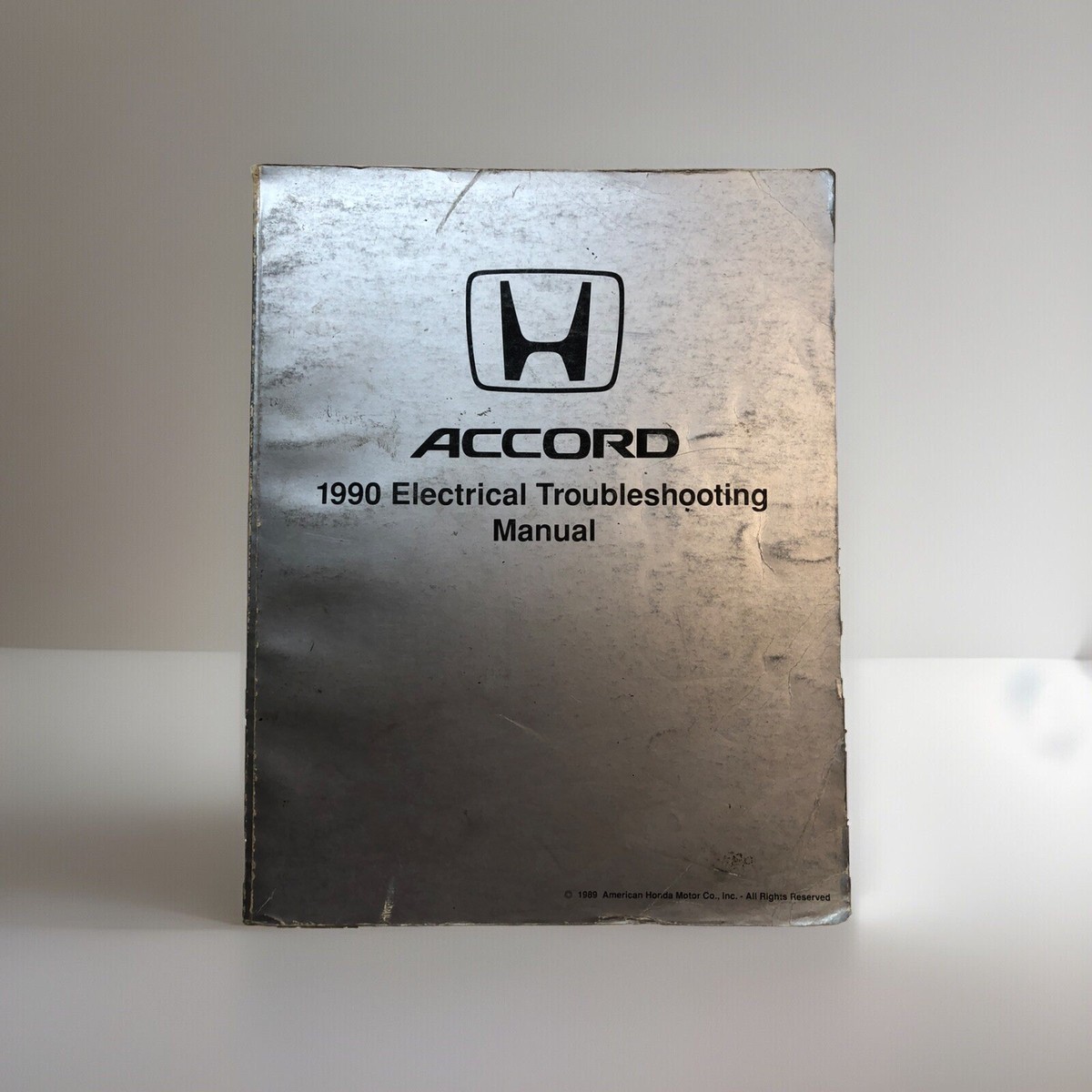
Wiring diagrams show the electrical system in detail. They help locate wires and understand connections. Service manuals provide detailed information about parts, systems, and repair procedures. These manuals are useful for advanced repairs and troubleshooting electrical faults. Downloading digital manuals or buying printed copies is easy. These resources save time and prevent guesswork during repairs.
Community Support Forums
Community forums connect Honda Accord owners and car enthusiasts worldwide. Members share repair tips, solutions, and advice. Forums include discussions on common problems like limp mode, ignition failures, and power door locks. You can ask questions and get answers from experienced users. These communities offer support and encouragement during DIY repairs.

Credit: www.youtube.com
Frequently Asked Questions
What Are The Most Common Problems With A 2005 Honda Accord?
Common problems with a 2005 Honda Accord include ignition switch failure, faulty door lock actuators, warped front brake rotors, and radio or climate control display issues. Engine and suspension leaks also occur but are typical for older cars.
What Is The Most Common Problem In A Honda Accord?
The most common problem in a Honda Accord is ignition switch failure causing “no start” issues. Other issues include faulty door lock actuators and warped front brake rotors.
How To Reset Honda Accord System?
To reset the Honda Accord system, turn the ignition off and on, then press and hold the power button for 10 seconds. This resets the infotainment and system settings.
Why Would A Honda Accord Go Into Limp Mode?
A Honda Accord enters limp mode to protect the engine from damage. Common causes include sensor failures, powertrain issues, or low fluid levels. Limp mode limits power and disables non-essential functions, ensuring safe driving until repairs occur.
What Are Common Issues With The 2005 Honda Accord?
Common problems include ignition switch failure, warped brake rotors, and faulty door lock actuators. Some owners report radio or climate control display going dark. Regular maintenance helps reduce these issues.
Conclusion
Troubleshooting a 2005 Honda Accord can save time and money. Start with simple checks like the battery and fuses. Watch for common issues such as ignition switch problems or fuel pump failures. Use repair guides and community advice for help.
Regular maintenance helps avoid many troubles. Stay patient and methodical during repairs. Your Accord can run smoothly with the right care. Keep this guide handy for quick reference. Trust your skills and keep learning as you go.