If you own a 2005 Jeep Grand Cherokee, you know how frustrating it can be when your vehicle starts acting up. Maybe your dashboard lights flicker, the engine hesitates to start, or strange noises catch your attention.
You want to fix these issues quickly and get back on the road with confidence. This guide is here to help you troubleshoot the most common problems that affect your Jeep Grand Cherokee. By understanding what might be causing these troubles, you’ll save time, money, and avoid unnecessary visits to the mechanic.
Keep reading, because solving your Jeep’s issues might be easier than you think.

Credit: www.youtube.com
Common Electrical Issues
The 2005 Jeep Grand Cherokee often faces electrical problems that affect daily driving. These issues can disrupt comfort, safety, and vehicle performance. Understanding common electrical faults helps in quick diagnosis and repair.
Many electrical troubles arise from wiring faults, component wear, or power supply problems. Drivers may notice malfunctions in the infotainment system, power windows, or the vehicle’s charging system. Addressing these problems early can prevent further damage and costly repairs.
Infotainment System Problems
The infotainment system may freeze or fail to turn on. Screen glitches and audio dropouts are frequent complaints. Faulty wiring or a bad control module often causes these issues. Resetting the system or checking fuses can sometimes fix the problem. Persistent faults may require professional diagnosis or part replacement.
Power Window Failures
Power windows might stop working or move slowly. This can result from a bad window switch or a broken motor. Wiring problems inside the door panel can also interrupt power flow. Cleaning contacts and inspecting the switch helps restore function. Sometimes, the window regulator needs repair or replacement.
Battery And Alternator Troubles
Battery drains and charging failures are common in older Grand Cherokees. A weak battery or a failing alternator causes starting problems and dim lights. Corroded battery terminals or loose connections reduce electrical efficiency. Testing battery voltage and alternator output identifies the fault. Replacing worn parts ensures reliable vehicle operation.
Ecm And Pcm Reset
The 2005 Jeep Grand Cherokee uses two main computer systems to control engine and powertrain functions: the Engine Control Module (ECM) and the Powertrain Control Module (PCM). Resetting these modules can solve various issues, such as rough idling, poor fuel economy, or sensor errors. The reset process clears error codes and allows the systems to recalibrate. This often fixes minor glitches without expensive repairs.
Performing an ECM or PCM reset involves safely disconnecting the vehicle’s battery. This cuts power to the modules and forces a system reboot. Proper steps must be followed to avoid damage to the vehicle’s electronics or personal injury. Below are detailed instructions on how to safely disconnect the battery and reset the ECM/PCM.
Battery Disconnection Steps
First, park the Jeep on a flat surface and turn off the ignition. Open the hood and locate the battery. Start by removing the negative (-) battery cable using a wrench. This prevents electrical shorts during the reset process. Next, remove the positive (+) battery cable carefully. Do not let the cable ends touch any metal parts.
Wait at least 15 minutes before reconnecting the battery. This pause allows the ECM and PCM to fully discharge and reset. After the wait, reconnect the positive cable first, then the negative cable. Tighten both cables securely to ensure good contact. Close the hood and start the engine to check if the reset solved the issue.
Ensuring Safe Reset Procedures
Always wear safety gloves and glasses before working on the battery. Avoid touching both terminals at the same time with metal tools. Keep jewelry and metal objects away from the battery area. Disconnecting the battery incorrectly can cause sparks or damage the electrical system.
Never force the cables if they are stuck or corroded. Use a battery terminal cleaner or seek professional help. After resetting, some vehicle settings like radio presets or clock may need to be reprogrammed. Drive the Jeep for a few miles to let the ECM and PCM relearn normal operating parameters.
Starting Problems
Starting problems in a 2005 Jeep Grand Cherokee can cause frustration and delay your plans. The engine may crank slowly, not crank at all, or fail to start despite repeated attempts. Understanding the common causes helps in quick diagnosis and repair. Two major areas to check include the fuel pump and wiring, and the starter and solenoid components.
Fuel Pump And Wiring Checks
The fuel pump delivers gas to the engine, making it essential for starting. If the pump fails, the engine won’t get fuel and won’t start. Listen for a humming sound from the fuel tank when you turn the key. Silence may indicate a pump issue.
Wiring problems often cause fuel pump failure. Check the wiring harness and connectors for damage or corrosion. Loose or broken wires can stop electrical flow to the pump. Use a multimeter to test for voltage at the fuel pump connector. Repair or replace damaged wires to restore power and fuel flow.
Starter And Solenoid Symptoms
The starter motor turns the engine over to start it. The solenoid acts as a switch to send power to the starter. Common symptoms of starter or solenoid failure include clicking sounds or no sound at all when turning the key.
Check the battery charge and connections first. Weak battery power can mimic starter problems. Next, test the starter relay and solenoid for proper operation. A failing solenoid may cause intermittent starting or no start at all. Replace faulty starters or solenoids to fix the issue.
Climate Control Malfunctions
The 2005 Jeep Grand Cherokee often faces climate control malfunctions that affect comfort inside the vehicle. These issues can cause uneven temperatures or failure to cool or heat properly. Understanding the common problems helps in quick diagnosis and repair. Two frequent causes are temperature blend door failures and recirculation door issues. Both affect how air flows through the system and reach the cabin.
Temperature Blend Door Failures
The temperature blend door controls air mix between hot and cold. When it fails, the air may stay cold or hot regardless of settings. This problem often results from a broken actuator or worn gears inside the door. Symptoms include sudden changes in temperature and strange noises from the dashboard. Repair usually involves replacing the blend door actuator to restore proper function.
Recirculation Door Issues
The recirculation door manages air intake from outside or inside the vehicle. If it sticks or breaks, the system cannot switch modes properly. This causes poor air quality and foggy windows in some cases. Common signs include a constant outside air smell or inability to clear fog. Fixing this issue often requires cleaning or replacing the door or its motor.
Suspension And Door Noises
Suspension and door noises in the 2005 Jeep Grand Cherokee often cause concern for owners. These sounds may indicate wear or damage. Identifying the source early helps avoid costly repairs. Some noises come from the suspension, while others relate to door components. Understanding common causes makes troubleshooting easier and faster.
Lower Door Hinge Creaks
The lower door hinges can develop creaking noises over time. Dirt and rust build-up reduce smooth movement. Lack of lubrication causes metal parts to rub loudly. Regularly applying grease or spray lubricant helps stop the creak. Check hinges for damage or wear that may need replacement. Tightening loose hinge bolts can also reduce noise.
Clunking Noise Causes
Clunking noises often come from the suspension system during driving. Worn ball joints, control arms, or bushings cause loose connections. Damaged shocks or struts also create clunks over bumps. Inspect suspension parts for cracks, breaks, or excessive movement. Replacing faulty components restores smooth, quiet rides. Tightening loose parts can remove the clunk sound as well.
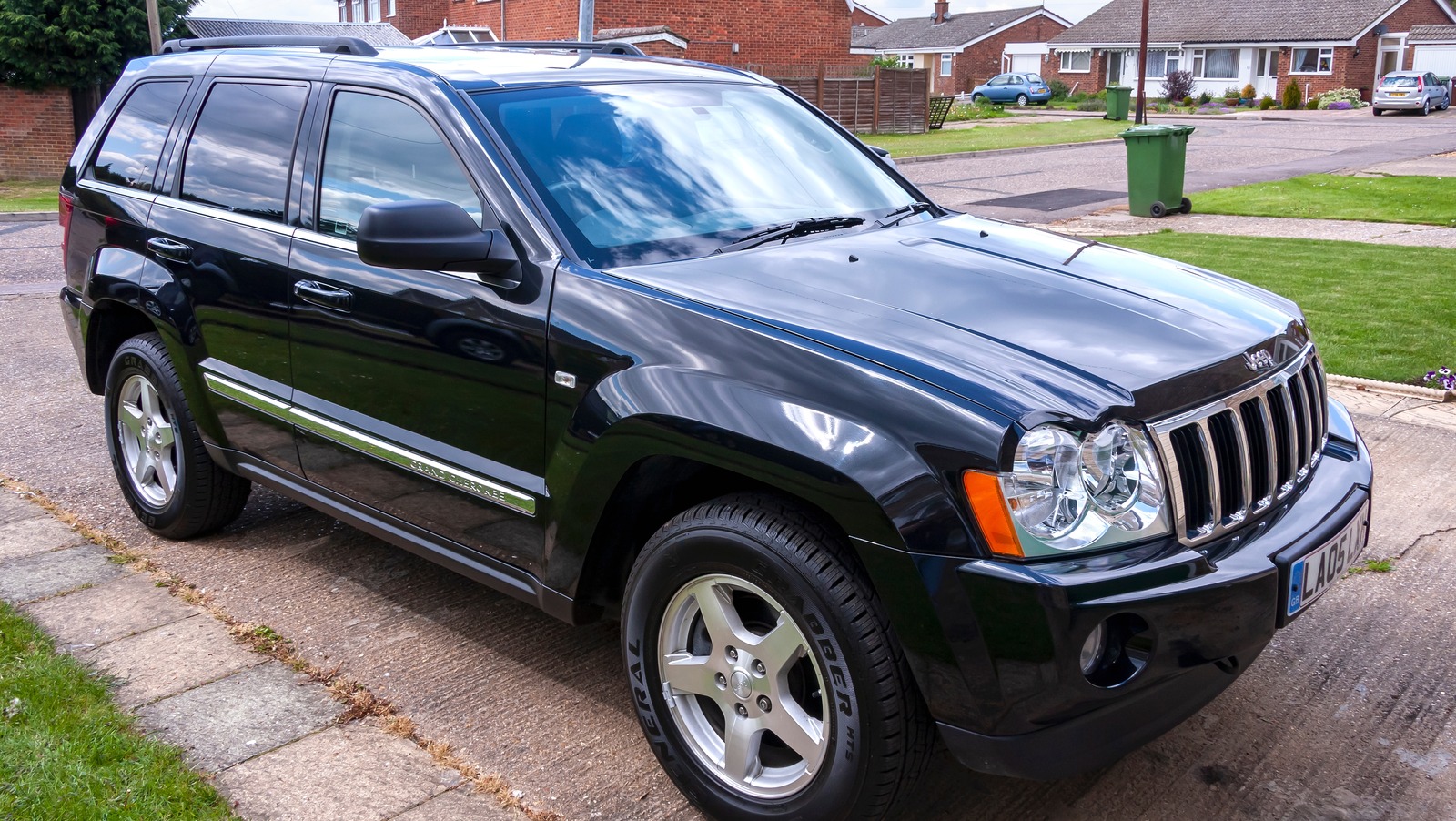
Credit: www.slashgear.com
Fuel System Troubleshooting
The fuel system in the 2005 Jeep Grand Cherokee plays a crucial role in engine performance. Problems here can cause poor fuel efficiency, rough idling, or starting issues. Diagnosing fuel system faults early prevents costly repairs and keeps your Jeep running smoothly.
Two common areas to check are the fuel injectors and the turbo inlet hose. Both impact how fuel flows and mixes with air for combustion. Proper maintenance and troubleshooting of these parts help maintain engine power and reliability.
Fuel Injector Reprogramming
Fuel injectors control the amount of fuel entering the engine cylinders. When you replace injectors, reprogramming is necessary. Without reprogramming, the engine may run poorly or not start at all.
Use a scan tool or ECU programmer to update injector settings. This ensures fuel delivery matches engine needs. Properly programmed injectors improve fuel efficiency and reduce emissions. Check injector signals and wiring for faults if problems continue.
Turbo Inlet Hose Checks
The turbo inlet hose connects the air filter to the turbocharger. It must be secure and free of cracks. A loose or damaged hose causes air leaks, reducing turbo boost and engine power.
Inspect the hose for splits, holes, or oil buildup. Tighten clamps and replace the hose if damaged. Regular checks prevent loss of boost pressure and strange engine noises. Keep the turbo inlet hose clean for optimal performance.
Engine Performance Concerns
The 2005 Jeep Grand Cherokee sometimes shows engine performance problems. These issues affect driving smoothness and power. Identifying engine troubles early helps avoid costly repairs. Below are common causes of engine performance concerns to watch for.
Engine Misfire Causes
Engine misfires happen when fuel and air do not burn properly. Worn spark plugs often cause this issue. Dirty fuel injectors or bad ignition coils also lead to misfires. Misfires make the engine run rough and reduce fuel economy. Checking and replacing faulty parts can fix this problem.
Thermostat Failures
The thermostat controls engine temperature. If it sticks open, the engine stays too cold. If it sticks closed, the engine overheats. Both conditions cause poor engine performance. A bad thermostat causes the heater to blow cold air. Replacing the thermostat restores proper engine heat control.
Catalytic Converter Issues
The catalytic converter reduces harmful exhaust gases. A clogged converter blocks exhaust flow and lowers engine power. Symptoms include a drop in acceleration and a check engine light. Cleaning or replacing the catalytic converter improves engine performance and efficiency.
Credit: blog.1aauto.com
Transmission Alerts
Transmission alerts in the 2005 Jeep Grand Cherokee serve as early warnings. They notify drivers about potential problems in the transmission system. Paying attention to these alerts helps avoid costly repairs and keeps the vehicle running smoothly.
Common transmission alerts include warning lights and error messages on the dashboard. These alerts may indicate issues such as overheating or mechanical faults. Understanding the cause of these alerts is key to proper troubleshooting.
High Transmission Temperature Alarms
The 2005 Jeep Grand Cherokee often triggers a high transmission temperature alarm. This alert appears when the transmission fluid gets too hot. High temperatures can damage transmission parts and reduce performance.
Causes of high transmission temperature include towing heavy loads, driving in hot weather, or low transmission fluid levels. Ignoring this alarm risks severe transmission damage. Drivers should stop the vehicle and allow it to cool if this alert appears.
Diagnostic Steps For Transmission
Start diagnosing transmission alerts by checking the transmission fluid level. Low or dirty fluid can cause overheating and shifting problems. Use the dipstick to check fluid color and level when the engine is warm.
Next, scan the vehicle’s onboard computer for error codes. These codes provide clues about transmission faults. Use an OBD-II scanner to retrieve codes or visit a mechanic for a detailed diagnosis.
Inspect the transmission cooler and lines for leaks or blockages. A damaged cooler reduces the system’s ability to keep the fluid cool. Fix any leaks and clear any blockages promptly.
Reset any error codes after repairs and test drive the Jeep. Monitor the transmission temperature and performance closely. If alerts return, deeper mechanical issues may require professional attention.
Frequently Asked Questions
What Problems Are Common For 2005 Cherokees?
Common problems in 2005 Cherokees include electrical issues, faulty fuel pumps, engine misfires, thermostat failures, and transmission overheating. Oil lifter solenoids and door hinge noises also occur frequently. Regular maintenance helps prevent these issues.
What Are The Most Common Problems With The Jeep Grand Cherokee?
Common Jeep Grand Cherokee problems include electrical issues, faulty fuel pumps, engine misfires, thermostat failures, and transmission overheating. These affect performance and reliability, often requiring timely repairs or part replacements.
How To Reset Ecm On Jeep Grand Cherokee?
To reset the ECM on a Jeep Grand Cherokee, disconnect the negative battery cable first, then the positive. Wait 15 minutes, reconnect positive cable, then negative. This clears the ECM memory and resets the system.
Why Is My Jeep Cherokee Having Trouble Starting?
Your Jeep Cherokee may have trouble starting due to a weak battery, faulty starter, bad fuel pump, or ignition switch issues. Electrical problems and clogged fuel injectors also commonly cause starting failures. Check these components to diagnose and fix the issue quickly.
What Are Common 2005 Jeep Grand Cherokee Problems?
Common issues include electrical faults, engine misfires, and transmission troubles. Power window and infotainment system failures also appear often. Regular checks help spot these early.
Conclusion
The 2005 Jeep Grand Cherokee has some common issues to watch for. Electrical problems often affect windows and the infotainment system. Engine troubles like misfires or thermostat failure also occur. Simple steps, like checking battery connections or resetting the ECM, can help fix many issues.
Regular maintenance keeps your Jeep running smoothly and avoids costly repairs. Staying aware of these problems saves time and money. Keep your Jeep in good shape with basic care and timely troubleshooting.