If you own a 2006 Ford Escape, you know how frustrating it can be when unexpected problems arise. Whether your Escape won’t start, the engine misfires, or the electronics act up, these issues can disrupt your day and leave you wondering what to do next.
But don’t worry—understanding the common troubles your vehicle might face is the first step toward fixing them quickly and saving money. In this guide, you’ll discover simple troubleshooting tips tailored specifically for the 2006 Ford Escape, helping you diagnose problems with confidence and get back on the road faster.
Keep reading to learn how to tackle these issues before they become costly repairs.
Common Ford Escape Issues
The 2006 Ford Escape, like many vehicles, has some common issues that owners often face. Knowing these problems helps you spot trouble early and save on repairs. This guide covers frequent faults in the Ford Escape. Each issue affects the vehicle’s performance or comfort.
Understanding these faults makes troubleshooting easier. Some parts wear out over time or fail unexpectedly. Regular checks can reduce the risk of breakdowns. Learn about ignition coil failures, sensor problems, blower motor issues, transfer case troubles, and tailgate glass faults below.
Ignition Coil Failures
Ignition coils in the 2006 Ford Escape can fail with age. This causes engine misfires and rough running. You may notice hesitation or loss of power. The check engine light often turns on. Replacing faulty coils restores smooth engine operation.
Dpfe Sensor Problems
The DPFE sensor monitors the EGR system. It may give incorrect readings or stop working. This leads to poor engine performance and increased emissions. Symptoms include rough idle and stalling. Cleaning or replacing the sensor fixes the issue.
Blower Motor Resistor Malfunctions
The blower motor resistor controls fan speeds in the Escape. It often fails, causing the fan to work only on high speed. Lower speeds stop working entirely. This affects heating and cooling comfort. Replacing the resistor restores full fan control.
Transfer Case Troubles
Four-wheel drive models may have transfer case problems. These include noise, slipping, or failure to engage properly. Fluid leaks or worn parts cause these faults. Service or rebuild keeps the system working smoothly and protects drivetrain parts.
Tailgate Glass Issues
The tailgate glass on some Escapes can crack or break easily. Problems include loose seals or faulty locks. Water leaks inside the rear cargo area may happen. Repairing seals or replacing the glass prevents damage and keeps the vehicle dry.
Credit: thelandautorepair.com
Engine And Powertrain Challenges
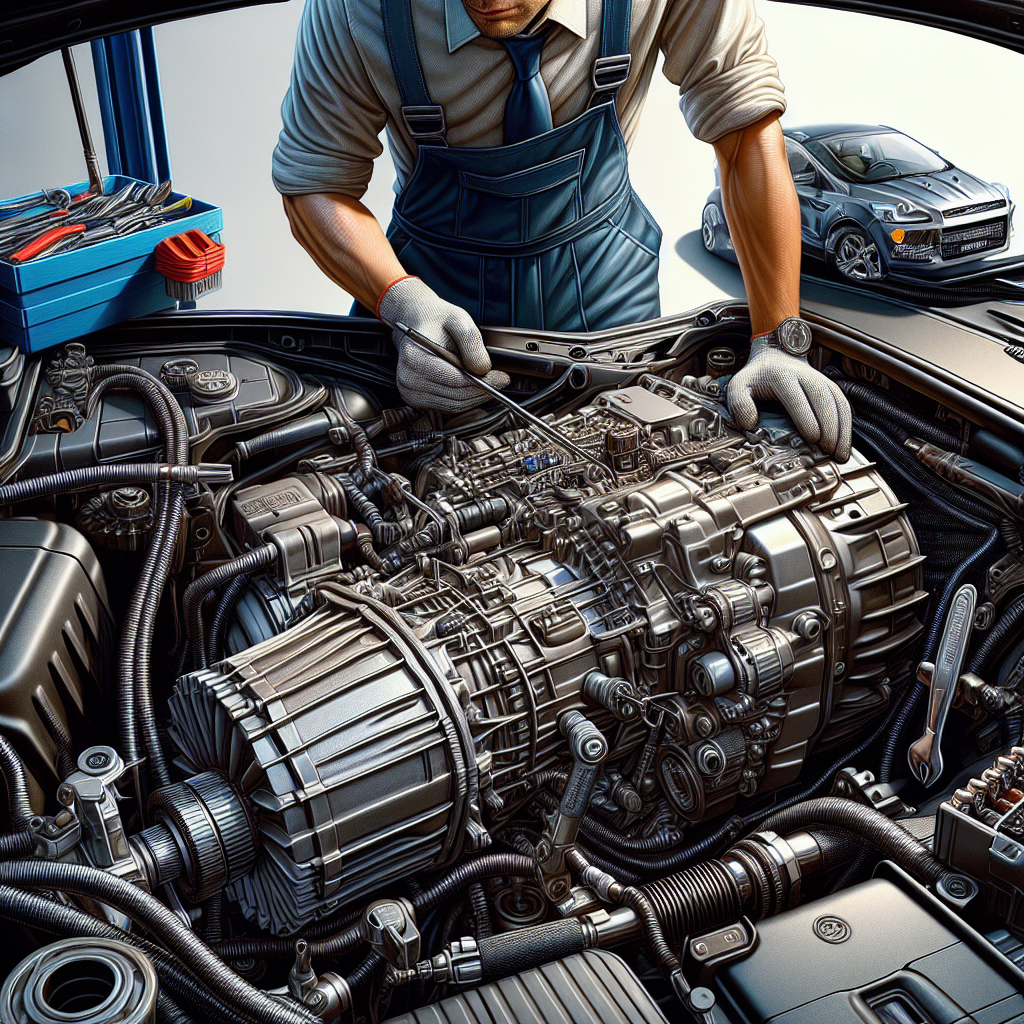
The 2006 Ford Escape is a reliable SUV but often faces engine and powertrain challenges. These issues affect driving smoothness and vehicle performance. Understanding common problems helps with timely fixes and avoids costly repairs.
Engine and powertrain components work together to deliver power and control. Problems here can cause hesitation, slipping, or steering difficulties. These faults usually show early signs that drivers should not ignore.
Engine Misfires And Hesitation
Engine misfires cause rough running and loss of power. The Escape may hesitate or stumble during acceleration. Common causes include faulty spark plugs, ignition coils, or fuel injectors. Dirt or deposits in the engine can also trigger misfires. Addressing these issues improves fuel efficiency and smoothness.
Transmission Slipping And Shuddering
The 2006 Ford Escape sometimes suffers transmission slipping. This means the gears do not engage properly, causing jerks or loss of acceleration. Transmission fluid condition and level play a big role here. Worn clutch plates or solenoid problems can also cause shuddering. Early detection prevents severe damage and expensive repairs.
Power Steering Assist Failures
Power steering assist failures reduce steering ease and control. The Escape may feel stiff or unresponsive while turning. Faulty sensors or electrical issues often cause these failures. Checking the power steering fluid and electronic assist system helps maintain smooth steering. Repairing assist failures improves safety and driving comfort.
Electrical System Glitches
The 2006 Ford Escape may experience various electrical system glitches. These issues can affect your driving experience and vehicle performance. Understanding common electrical problems helps in quick troubleshooting and repairs. This guide covers the main types of electrical glitches found in this model.
Infotainment System Errors
The infotainment system in the 2006 Ford Escape can display errors or freeze. Problems often include unresponsive touchscreens or sudden restarts. These issues may arise from software glitches or connection faults. Resetting the system can fix minor bugs. Persistent errors might require a software update or professional diagnosis.
Sensor And Lighting Malfunctions
Sensor failures and lighting malfunctions are common in older Ford Escapes. Faulty sensors can trigger warning lights or affect engine performance. Headlights and interior lights may flicker or stop working. Loose wiring or corroded connectors often cause these problems. Checking and replacing damaged sensors or bulbs restores proper function.
Battery And Fuse Concerns
Battery and fuse issues are frequent causes of electrical problems in the Escape. A weak battery can lead to slow starts or power loss. Blown fuses might disable essential systems like lights or the radio. Regular battery checks and fuse inspections prevent sudden failures. Replacing old batteries and blown fuses ensures reliable electrical operation.
Credit: www.youtube.com
Hybrid Model Specific Problems
The 2006 Ford Escape Hybrid brings unique features but also specific issues. These problems differ from the standard model’s common faults. Owners should know about these hybrid-specific troubles to maintain safety and performance.
Hybrid technology adds parts that can fail unexpectedly. Some failures impact driving safety more than others. Understanding these helps with early detection and prompt repairs.
Coolant Pump Failures
The hybrid model uses a special coolant pump to cool the battery. This pump can fail without warning. Failure leads to overheating, triggering the check engine light. Overheating may cause the engine to shut down to prevent damage. Replacing the coolant pump quickly is vital to avoid costly repairs.
Engine Shutdown Causes
Engine shutdown can happen due to hybrid system faults. Common causes include coolant pump failure and battery issues. The system may stop the engine to protect itself. Sudden shutdowns can be dangerous while driving. Regular checks on the hybrid system reduce the risk of shutdowns.
Fire Risk Recalls
Some 2006 Escape Hybrids face recalls due to fire risks. The fire hazard often links to battery and wiring problems. Ford issued recalls to fix these defects and improve safety. Owners must check if their vehicle is part of the recall. Timely repairs prevent serious accidents and protect lives.
Maintenance Tips For Longevity
Proper maintenance extends your 2006 Ford Escape’s life and performance. Small, regular tasks help avoid costly repairs later. Follow these tips to keep your SUV running smoothly for years.
Transmission Fluid Care
Check the transmission fluid regularly. Low or dirty fluid causes slipping and hard shifts. Change the fluid every 30,000 miles or as your owner’s manual suggests. Use the right fluid type to avoid damage.
Regular System Resets
Resetting your vehicle’s systems clears minor errors and glitches. Use the SYNC screen to perform a master reset when needed. This helps fix infotainment issues and sensor errors. It keeps your Escape’s electronics working well.
Battery And Voltage Checks
Test your battery and voltage often. A weak battery can cause starting problems or electrical faults. Clean battery terminals and check for corrosion. Replace the battery every 3 to 5 years to maintain reliable power.

Credit: www.youtube.com
Troubleshooting Steps
Troubleshooting your 2006 Ford Escape can save time and money. Understanding basic steps helps identify issues quickly. This guide covers common problems and easy fixes. Follow these steps to keep your Escape running smoothly.
Diagnosing No Start Conditions
Check the battery first. A dead battery often causes no start. Test battery voltage with a multimeter. Inspect battery terminals for corrosion or loose connections. Next, examine the starter motor. Listen for clicking sounds when turning the key. A faulty starter may need replacement. Check the ignition switch and neutral safety switch. Faulty switches can prevent the engine from starting. Also, verify fuel delivery. A clogged fuel filter or bad fuel pump can stop the engine. Use a fuel pressure gauge to test fuel system pressure. Finally, scan for trouble codes using an OBD-II scanner. Codes point to specific issues quickly.
Handling Rough Running And Stalling
Inspect spark plugs and ignition coils first. Worn plugs or faulty coils cause misfires. Replace any damaged parts. Check air filter condition. A dirty air filter limits airflow and affects performance. Clean or replace as needed. Test the fuel system for proper pressure and flow. Low fuel pressure causes rough running. Look for vacuum leaks around the intake manifold and hoses. Leaks disrupt the air-fuel mixture and cause stalling. Examine the throttle body for dirt or carbon buildup. Clean the throttle body with appropriate cleaner. If problems persist, check sensors like the mass air flow or oxygen sensors. Faulty sensors may cause hesitation or stalling.
Resetting Sync System
Start by turning on the ignition and SYNC screen. Tap the gear icon to access settings. Scroll to the System menu. Find and select the Master Reset option. Confirm the reset to restore factory settings. The SYNC system will reboot and erase all data. This fix often resolves unresponsive or frozen screens. It clears temporary glitches and bugs. Remember to re-pair your phone after the reset. Regular resets help maintain smooth SYNC operation.
Parts Replacement Guide
The 2006 Ford Escape often needs parts replaced to keep running smoothly. This guide helps identify key components to swap out. Knowing which parts to replace saves time and money.
Some parts wear out faster than others. Replacing them early prevents bigger issues. Focus on ignition, HVAC, and electrical parts for common fixes.
Coil Over Plugs Replacement
Coil over plugs cause engine misfires and rough idling. Swap them if the engine runs uneven or the check engine light appears. Replace all coils and plugs at once for best results. Use OEM parts for a proper fit and long life.
Blower Motor Resistor Swap
The blower motor resistor controls fan speeds in your Escape. If the fan only works on high, the resistor likely failed. Changing it restores full fan speed control. Locate the resistor near the blower motor under the dash. It’s a simple and affordable repair.
Sensor And Electrical Component Upgrades
Old sensors cause engine performance and electrical glitches. Upgrade sensors like the MAF, oxygen, and coolant temperature for better accuracy. Electrical parts such as fuses and relays also need checking. Replacing worn components improves reliability and avoids sudden breakdowns.
Yearly Problem Variations
The 2006 Ford Escape shows different problems depending on the model year. Understanding these yearly variations helps in proper troubleshooting. Each stage of the model’s life cycle has unique issues and improvements. This guide breaks down the common problems by year to help owners manage repairs better.
Early Model Concerns
The first 2006 Escape models often faced engine misfires. Ignition coils and spark plugs wore out quickly. Many drivers reported rough idling and hesitation during acceleration. Electrical glitches, like faulty sensors, caused the check engine light to turn on. Power steering assist failures were also common in these early units.
Mid-generation Fixes
Mid-generation 2006 Escapes saw fixes to some early problems. Ford improved ignition coil durability and sensor reliability. Transmission issues, such as slipping or hard shifts, were addressed with updated software. The blower motor resistor problems were reduced but still appeared in some vehicles. Owners experienced fewer sudden engine shutdowns compared to earlier models.
Late Model Updates
Late 2006 Escapes included new parts to prevent earlier faults. The transfer case design improved for better reliability. Tailgate glass mechanisms were upgraded to avoid breakage. Electrical systems became more stable, reducing infotainment glitches. Regular maintenance remained crucial to avoid costly repairs on transmissions and engines.
Frequently Asked Questions
What Is The Most Common Problem With Ford Escape?
The most common problem with Ford Escape is transmission issues, including slipping and hard shifts. Ignition coil failures also frequently occur. Regular maintenance helps prevent costly repairs and improves vehicle longevity.
What Problems Do 2006 Ford Escapes Have?
The 2006 Ford Escape commonly faces ignition coil failures, transmission slipping, blower motor issues, and engine hesitation. Electrical glitches and coolant pump failures also occur. Regular maintenance, especially transmission fluid changes, helps prevent costly repairs and improves reliability.
How To Reset Ford Escape System?
To reset the Ford Escape system, tap the Gear icon on the SYNC screen. Select Settings, then System. Scroll down and choose Master Reset to complete.
What Common Repairs Does The 2006 Escape Need?
Common 2006 Escape repairs include ignition coil replacement, transmission issues, blower motor resistor failure, and DPFE sensor fixes. Regular maintenance prevents costly engine and electrical problems.
What Are Common Engine Problems In A 2006 Ford Escape?
The 2006 Ford Escape often faces ignition coil failures causing misfires. Engine rough idling and hesitation are also frequent issues. Regular spark plug checks help maintain engine health.
Conclusion
Troubleshooting a 2006 Ford Escape can save time and money. Start with simple checks like the battery and fuses. Watch for common signs such as engine misfires or blower motor issues. Regular maintenance helps prevent serious problems down the road.
Understanding key trouble spots makes repairs easier and faster. Stay proactive to keep your Escape running smoothly for years. This approach ensures safer driving and avoids unexpected breakdowns. Keep learning and stay attentive to your vehicle’s needs.