If you own a 2006 Honda Accord, you know how reliable it can be—but even the best cars run into problems sometimes. When your Accord starts showing warning signs or acting up, it can quickly turn from a smooth ride into a frustrating experience.
You might wonder why it won’t start, why it’s stuck in limp mode, or what’s causing those strange noises. Don’t worry—this guide is here to help you troubleshoot common issues step-by-step. By understanding what’s going wrong and how to fix it, you can save time, avoid costly repairs, and get back on the road with confidence.
Ready to take control of your 2006 Honda Accord’s problems? Let’s dive in and solve them together.
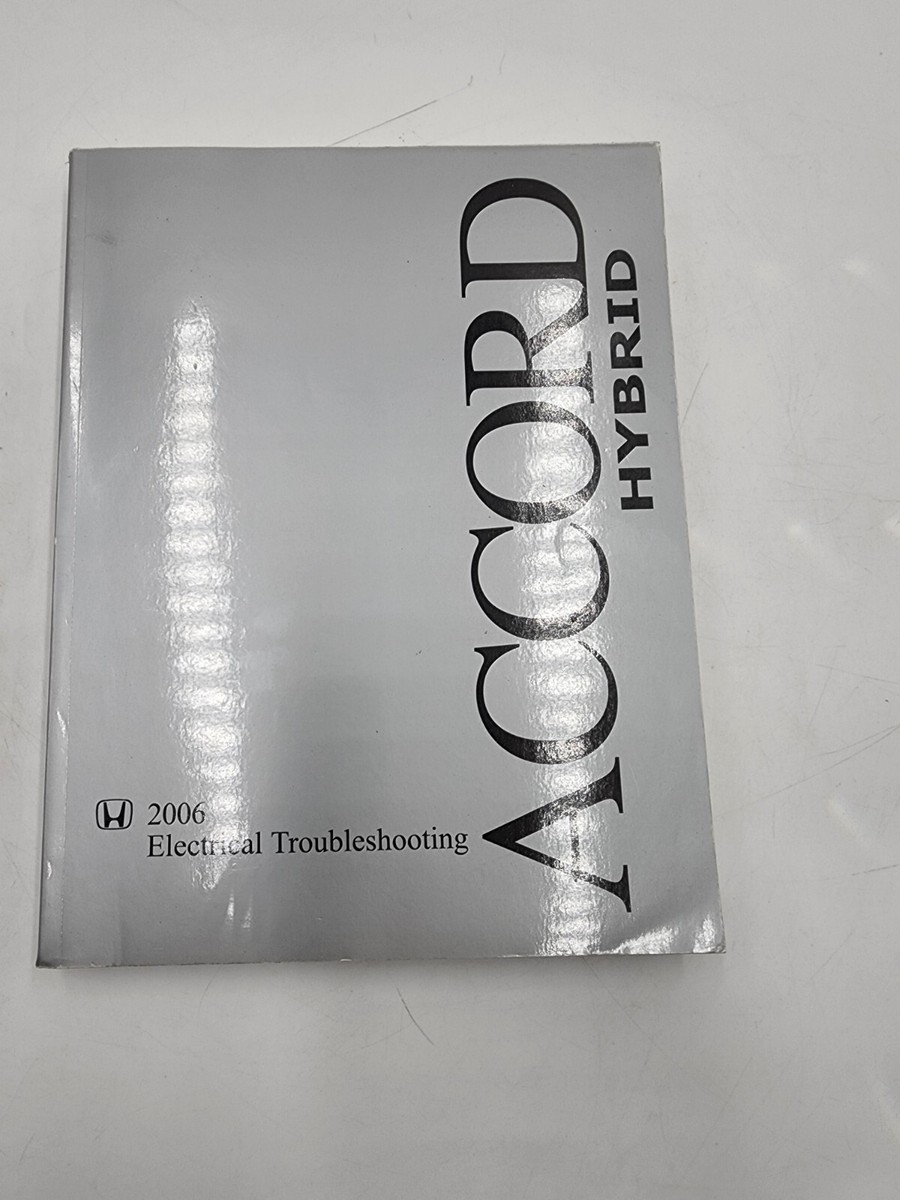
Credit: www.ebay.com
Common Problems
The 2006 Honda Accord is known for its reliability, but it can face some typical issues over time. Understanding these common problems helps keep your car running smoothly. Early detection saves time and money on repairs.
Many owners report specific faults that affect daily driving and vehicle performance. This section highlights the most frequent problems with the 2006 Honda Accord. Knowing these can guide you in troubleshooting and maintenance.
Ignition Switch Issues
The ignition switch may wear out or fail, causing the car not to start. Symptoms include difficulty turning the key or loss of power to electrical parts. Replacing the ignition switch often resolves these problems quickly.
Driveshaft Corrosion
Driveshaft corrosion is common in areas with salty roads or high moisture. Salt and grime build up, weakening the driveshaft near the front right wheel. Regular cleaning and inspection can prevent serious damage and costly repairs.
Transmission Faults
Transmission problems appear as rough shifting or slipping gears. Faulty sensors or low fluid levels may trigger limp mode, limiting speed to protect the engine. Checking fluid levels and sensor function helps maintain smooth transmission operation.
Sensor Failures
Sensors control many engine functions and can fail over time. Common faulty sensors include oxygen sensors and throttle position sensors. Failure leads to poor fuel efficiency and engine warning lights. Testing and replacing faulty sensors restores proper engine performance.
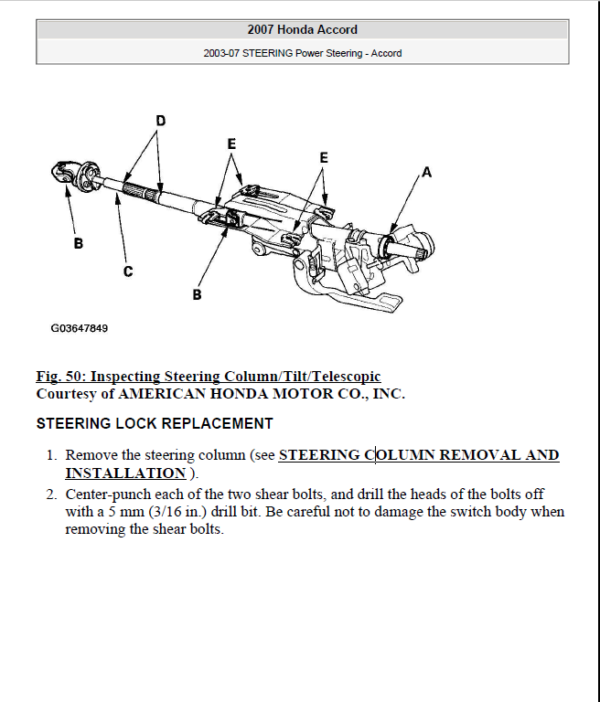
Credit: therepairmanual.com
Limp Mode Causes
The 2006 Honda Accord can enter limp mode as a safety response. Limp mode limits engine power and speed. This protects the engine and transmission from damage. Understanding the common causes helps you diagnose and fix the problem quickly.
Faulty Sensors
Sensors monitor key engine functions. A bad sensor sends wrong data to the car’s computer. This can trigger limp mode. Common faulty sensors include the throttle position sensor and mass airflow sensor. Replacing or repairing these sensors often clears limp mode.
Low Fluid Levels
Fluids keep the engine and transmission running smoothly. Low transmission fluid or engine oil causes problems. The car detects these low levels and activates limp mode. Check fluid levels regularly and top them up as needed. This simple step prevents limp mode activation.
Transmission Errors
The transmission controls power delivery to the wheels. Faults in transmission parts or sensors cause limp mode. Issues like slipping gears or sensor failures send error signals. Diagnosing these errors may require a scan tool. Fixing transmission errors restores normal driving.
Security Features Activation
Some security features can cause limp mode. If the car’s anti-theft system thinks the vehicle is stolen, it limits power. This prevents unauthorized use. Resetting the security system or using the correct key stops limp mode. This protects your Honda from theft attempts.
No Start Troubleshooting
The 2006 Honda Accord may sometimes refuse to start. This issue can be frustrating. Diagnosing the cause early helps save time and money. This section guides you through key steps to troubleshoot a no-start condition. Follow simple checks to find common problems and fixes.
Checking Fuses And Fusible Links
Start by checking the fuses and fusible links under the hood. These protect the electrical system from damage. Use the fuse box diagram to locate the main fuses. A blown fuse can stop the car from starting. Replace any damaged fuses with the correct rating. Also, inspect fusible links for signs of melting or corrosion. Damaged links need replacement to restore power flow.
Inspecting Ignition Switch
The ignition switch controls power to the starter and other systems. A worn or faulty ignition switch may prevent the engine from cranking. Check if the dashboard lights turn on when turning the key. No lights or flickering may indicate a bad ignition switch. Test the switch by turning it to different positions. Replace the switch if it shows signs of failure or inconsistency.
Battery And Starter Tests
The battery must have enough charge to start the engine. Use a voltmeter to measure battery voltage. A healthy battery reads about 12.6 volts or more. Low voltage may need a recharge or battery replacement. Next, test the starter motor by listening for clicking sounds when turning the key. No sound or slow cranking points to starter issues. Have the starter tested or replaced to fix starting problems.
Infotainment System Reset
The infotainment system in the 2006 Honda Accord controls audio, navigation, and phone features. Sometimes, it may freeze or stop responding. Resetting the system can fix many minor issues. There are two main ways to reset the system: a soft reset and a hard reset. Each method helps restore normal function without needing a mechanic.
Soft Reset Steps
Start by turning off the car’s ignition. Wait for about 30 seconds. Press and hold the power button on the infotainment unit. Keep holding until the screen goes dark and then restarts. Release the button once the system reboots. This process clears temporary glitches. It does not erase saved settings or data. Try this first for simple problems like frozen screens or audio errors.
Hard Reset Procedures
If the soft reset does not work, try a hard reset. First, remove the car key and open the driver’s door. Leave the car for at least 10 minutes to let the system power down completely. Next, locate the infotainment system fuse in the fuse box under the hood. Remove the fuse carefully and wait for about one minute. Reinsert the fuse and close the fuse box. Turn the ignition on and check if the system works correctly. This reset clears deeper system errors but may erase some settings.
Driveshaft Maintenance
The driveshaft in a 2006 Honda Accord is vital for power transfer from the engine to the wheels. Proper maintenance keeps it running smoothly and avoids costly repairs. Regular checks and care extend the driveshaft’s life and improve vehicle safety.
Neglecting driveshaft issues can cause vibrations and damage other parts. Simple maintenance steps help prevent these problems and keep your Accord driving well.
Cleaning And Corrosion Prevention
Clean the driveshaft regularly to remove dirt and grime. Use a mild detergent and water, then dry it fully. This prevents buildup that can cause wear.
Salt and moisture cause corrosion, especially in wet climates. Apply a rust inhibitor to protect metal surfaces. Check seals and boots for cracks to stop water entry.
Keep the driveshaft free from debris after driving in harsh conditions. This reduces the risk of corrosion and extends part durability.
Signs Of Driveshaft Wear
Listen for unusual noises like clunking or clicking when turning. These sounds often signal worn joints or bearings. Vibrations during acceleration also indicate driveshaft problems.
Look for grease leaks around the CV joints or damaged boots. Cracks or splits allow dirt inside, causing faster wear. Early detection helps avoid major repairs.
Feel for excessive play in the driveshaft by gently moving it by hand. Too much movement means worn components that need inspection or replacement.
Electrical System Checks
The electrical system of a 2006 Honda Accord controls many key functions. Issues here can cause problems like lights not working or the car not starting. Checking the electrical system helps find faults early. This keeps your car running smoothly and avoids costly repairs.
Fuse Box Inspection
The fuse box protects the car’s electrical circuits. Look for blown fuses that stop power flow. Use a fuse puller or tweezers to remove fuses safely. Check each fuse for a broken wire inside. Replace any blown fuse with one of the same rating. Keep the fuse box clean and dry to prevent corrosion. A damaged fuse box cover can let dirt and moisture in. This can cause electrical shorts or failures.
Wiring And Connector Testing
Wiring carries power and signals throughout the car. Look for frayed, broken, or burnt wires. Check connectors for dirt, corrosion, or loose pins. Clean connectors with electrical contact cleaner if dirty. Push connectors firmly to ensure a tight fit. Use a multimeter to test wiring for continuity. Replace damaged wires or connectors to fix electrical faults. Good wiring keeps all systems working well and avoids unexpected failures.
Preventive Tips
Preventive care is key to keeping your 2006 Honda Accord running smoothly. Small actions can stop big problems. Regular attention helps avoid costly repairs and extends your car’s life.
Focus on simple tasks that protect vital parts. These tips help you spot issues early and maintain performance. Start with basic checks and stick to a maintenance schedule. Also, take care of your car’s sensors to ensure proper function.
Regular Fluid Checks
Check your engine oil, coolant, brake fluid, and transmission fluid often. Low or dirty fluids cause engine damage and poor performance. Use the right type of fluids recommended for your Accord. Keep fluid levels within safe ranges to avoid overheating or brake failure. Replace fluids on time to maintain engine health and smooth shifting.
Scheduled Maintenance
Follow the maintenance schedule in your owner’s manual strictly. Change oil and filters at the recommended intervals. Inspect brakes, belts, and tires regularly. Replace worn parts before they cause bigger issues. Scheduled tune-ups help keep your engine running at peak efficiency. This routine lowers the chance of unexpected breakdowns.
Sensor Care
Clean sensors gently to prevent dirt buildup and corrosion. Faulty sensors can trigger warning lights and limp mode. Check sensor connections and wiring for damage or looseness. Replace malfunctioning sensors to avoid engine problems and poor fuel economy. Proper sensor care ensures your Accord runs reliably and safely.

Credit: www.youtube.com
Frequently Asked Questions
What Are The Common Problems With The 2006 Honda Accord?
Common problems with the 2006 Honda Accord include transmission issues, ignition switch failure, and premature brake wear. Drivers also report faulty sensors causing limp mode activation. Some models experience power steering leaks and excessive oil consumption. Regular maintenance helps prevent these issues and ensures reliable performance.
What Is The Most Common Problem With The Honda Accord?
The most common problem with the Honda Accord is transmission issues, especially slipping or hard shifting. Other frequent problems include faulty ignition switches and excessive oil consumption. Regular maintenance helps prevent these issues and ensures smoother performance.
What Causes A Honda Accord To Go Into Limp Mode?
A Honda Accord enters limp mode due to detected faults like faulty sensors, transmission problems, or low fluid levels. This safety feature limits speed and disables non-essential functions to prevent damage.
How To Reboot A Honda Accord?
To reboot a Honda Accord, turn off the engine and remove the key. Wait one minute, then restart the car. For infotainment reset, press and hold the power button for 10 seconds until the system restarts.
What Are Common Problems With The 2006 Honda Accord?
Common issues include transmission failure, engine misfires, and electrical problems. These often cause warning lights or poor performance. Regular maintenance helps reduce these problems.
Conclusion
Troubleshooting your 2006 Honda Accord can save time and money. Simple checks like fuses, sensors, and fluid levels often fix issues. Watch for common problems such as limp mode or ignition failures. Staying calm and methodical helps you find the root cause faster.
Regular maintenance reduces the chance of breakdowns. Keep this guide handy for quick reference. Your Accord will run smoother with proper care and attention.