If you own a 2006 Kia Sorento, you might have faced some frustrating issues that leave you wondering what’s going wrong under the hood. From rattling noises when starting up to sudden slipping in gears or even unexpected limp mode activation, these problems can disrupt your drive and your peace of mind.
But here’s the good news: understanding the common troubles your Sorento can face puts you one step closer to fixing them quickly and confidently. You’ll discover straightforward troubleshooting tips for engine troubles, transmission glitches, electrical hiccups, and more. Keep reading to learn how to spot these issues early and take control of your Kia Sorento’s performance before small problems turn into costly repairs.
Engine Issues
The 2006 Kia Sorento has a history of engine issues that affect its reliability. Many owners report problems that range from minor annoyances to major failures. Understanding these engine issues helps in early detection and proper maintenance. The engine is the heart of the vehicle, so any trouble here can impact your safety and driving experience.
Theta Ii Engine Failures
The Theta II engine in the 2006 Sorento often shows signs of failure. Common problems include head gasket leaks and overheating. These failures can cause coolant to mix with engine oil, leading to severe damage. Watch for warning lights and unusual smells from the engine bay. Early repairs can save expensive engine replacements later.
Rattling Noises On Startup
Many Sorento owners hear rattling noises when starting the engine. This sound often comes from timing chain or pulley issues. A loose timing chain can cause serious engine damage if ignored. The noise may disappear once the engine warms up. Have a mechanic check these noises to avoid costly repairs.
Sluggish Performance
Sluggish engine performance is a common complaint. The vehicle may struggle to accelerate or feel weak on hills. Clogged fuel injectors or dirty air filters often cause this issue. Regular maintenance can prevent sluggishness. It also helps to check the spark plugs and ignition system for faults.
Serious Engine Failures
Some 2006 Kia Sorentos suffer from serious engine failures such as engine seizing or fires. These problems are often linked to neglected maintenance or manufacturing defects. Engine seizing stops the engine from turning, requiring a full rebuild or replacement. Engine fires, though rare, pose a grave safety risk. Immediate action is necessary if you notice smoke or burning smells.

Credit: www.youtube.com
Transmission Problems
The 2006 Kia Sorento often shows transmission problems that affect driving comfort. These issues can cause slipping, hesitation, and trouble shifting gears. Knowing common transmission troubles helps identify problems early.
Transmission problems can make the vehicle hard to control. Drivers may feel delays or jerks while shifting. These signs warn of deeper mechanical or electrical faults that need attention. Understanding specific symptoms guides the repair process and avoids costly damages.
Slipping And Hesitation
Slipping happens when the transmission loses grip on the gear. The car may suddenly shift to neutral or struggle to stay in gear. Hesitation occurs during acceleration or gear changes. Both issues reduce power delivery and create unsafe driving conditions. Worn clutch plates or low transmission fluid often cause slipping and hesitation.
Limp Mode Causes
Limp mode limits the Sorento’s speed to protect the transmission. It activates after detecting a serious fault. Common triggers include sensor failures or fluid leaks. Limp mode warns the driver to stop and service the vehicle. Ignoring limp mode risks further damage to the transmission system.
Gear Shifting Issues
Gear shifting problems include hard shifts, delayed engagement, or failure to shift. These issues stem from faulty solenoids, worn gears, or a failing transmission control module. Drivers may hear strange noises or feel vibrations during shifts. Regular maintenance and timely repairs help maintain smooth gear operation.
Electrical And Safety Concerns
Electrical and safety issues can impact the 2006 Kia Sorento’s reliability and driver confidence. These concerns often involve critical systems that affect vehicle control and visibility. Understanding common problems helps owners spot faults early and prevent accidents. Addressing these troubles promptly keeps the Sorento safe and roadworthy.
Abs Module Fires
The ABS module in some 2006 Sorentos may overheat and catch fire. This happens due to faulty hydraulic control units inside the engine bay. Owners should watch for burning smells or warning lights on the dash. Regular inspection and timely repairs reduce fire risks linked to the ABS system.
Lighting Failures
Headlights can fail prematurely on this model. Bulbs may burn out faster than usual. Wiring connectors near the lights sometimes melt or corrode, causing flickering or complete blackout. Replacing damaged connectors and bulbs ensures safe night driving and visibility.
Camera And Display Malfunctions
The rearview camera and display screen may stop working or show distorted images. These glitches affect parking and reversing safety. Loose wiring or faulty camera units often cause the problem. Checking electrical connections and replacing defective parts restores proper function.
Cruise Control And Usb Issues
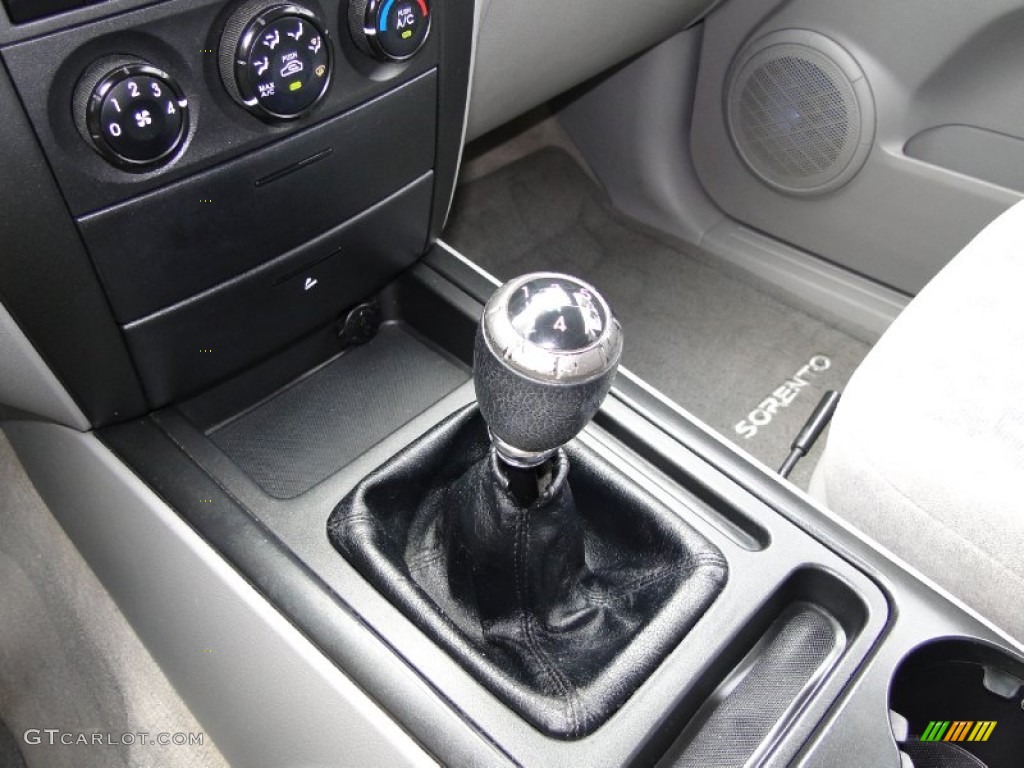
Cruise control may fail to engage or disconnect unexpectedly. USB ports sometimes stop charging devices or lose data connection. Both problems arise from electrical faults or worn switches. Fixing wiring faults or replacing control modules helps maintain system reliability.
Credit: gtcarlot.com
Other Common Complaints
The 2006 Kia Sorento has several common issues that owners often report. Beyond the major engine and transmission problems, some other complaints affect daily use and vehicle appearance. These issues can impact your driving experience and the vehicle’s value. Understanding these common problems helps in troubleshooting and deciding on repairs.
Paint Defects
Many 2006 Sorento owners notice paint problems early. The paint can peel, bubble, or fade, especially on white models. This happens due to poor paint quality and exposure to weather. Paint defects reduce the car’s look and can lead to rust if not fixed. Regular washing and waxing may help slow down the damage.
Exterior Door Handle Failures
Some drivers find that the exterior door handles stop working properly. Handles may stick or fail to open the door at times. This problem comes from weak plastic parts inside the handle mechanism. Replacing the door handle assembly often solves this issue. It’s a simple fix but important for convenience and safety.
Ac Compressor Problems
The air conditioning system in the 2006 Sorento can have issues with the compressor. The compressor clutch may seize or make loud noises. This causes poor cooling or complete AC failure. Over time, the compressor may wear out and need replacement. Checking the AC system yearly can help detect problems early.
Base Engine Performance
The base engine in this Sorento model sometimes feels underpowered. Acceleration can be slow, and the engine may strain on hills. This affects driving comfort, especially when fully loaded. Regular maintenance like spark plug changes and air filter cleaning can improve performance slightly. Still, some owners choose engine upgrades for better power.
Starting Troubleshooting
The 2006 Kia Sorento may face starting issues due to various simple problems. Identifying the root cause early helps avoid costly repairs. Troubleshooting the starting system involves checking key components like the battery, starter motor, fuses, and relays.
Start with basic checks and move step-by-step to find the exact problem. This guide covers essential starting troubleshooting tips to keep your Sorento running smoothly.
Battery And Connections
Check the battery for charge and condition first. A weak or dead battery often causes starting failure. Clean battery terminals to remove corrosion. Loose or dirty connections reduce power flow.
Use a voltmeter to test battery voltage. It should read about 12.6 volts when fully charged. Tighten any loose cables securely. Ensure the ground connection is clean and firm.
Starter Motor Checks
The starter motor engages the engine to start it. Listen for clicking sounds when turning the key. No sound or a single click may indicate a faulty starter motor.
Tap the starter lightly with a tool to try freeing stuck parts. Check the wiring to the starter for damage or loose connections. Test the starter by bypassing the ignition switch if possible.
Fuse And Relay Inspection
Inspect fuses related to the starting system in the fuse box. Replace any blown fuses with the correct rating. Faulty relays can also block power to the starter.
Swap the starter relay with a similar relay in the box to test functionality. A bad relay prevents the starter from receiving power. Regular inspection of fuses and relays avoids unexpected no-start conditions.
Credit: www.g-locbrakes.com
Resetting And Maintenance Tips
Resetting and regular maintenance keep your 2006 Kia Sorento running smoothly. Proper care helps avoid common issues. Understanding reset procedures and routine checks saves time and money. Follow simple steps to maintain your vehicle’s performance and safety.
Reset Button Location
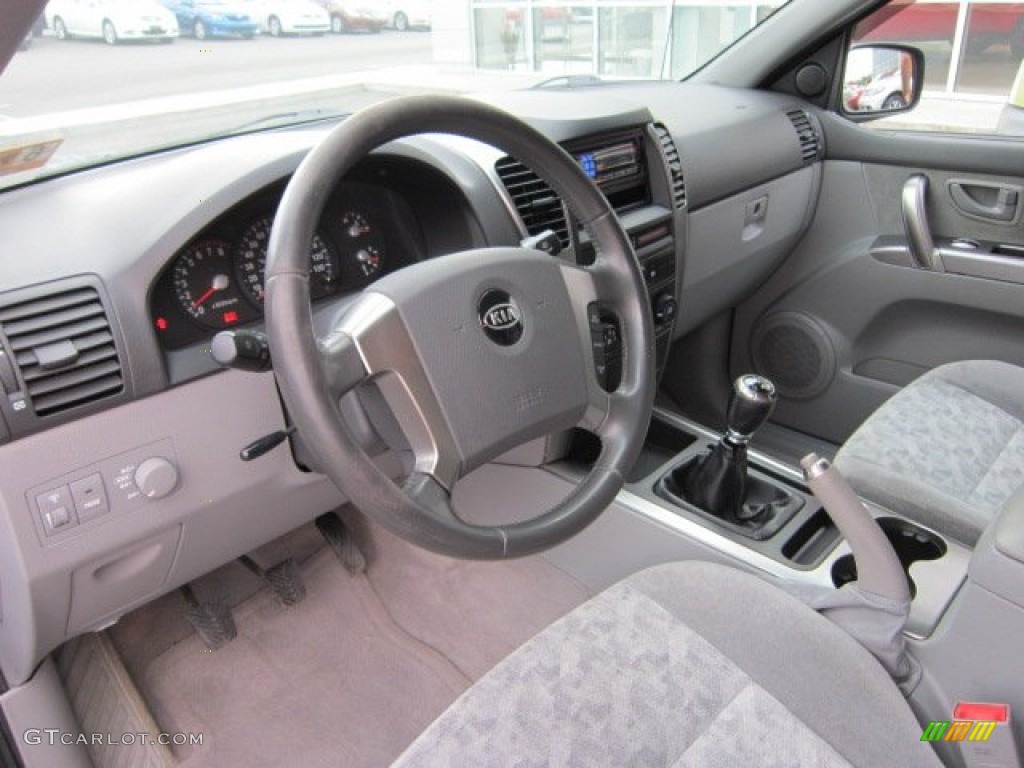
The reset button on the 2006 Kia Sorento is near the speedometer. Look for a small, round button on the dashboard cluster. It controls the trip meter and maintenance light. Press and hold this button to reset service reminders after repairs or oil changes.
Resetting Time And Distance
After an oil change, reset the maintenance light to track the next service. Press and hold the reset button until the display blinks or changes. This resets the timer and distance counter. The system then counts miles or days until the next scheduled maintenance.
Routine Inspection Advice
Check fluids like engine oil, coolant, and brake fluid regularly. Inspect tires for wear and proper pressure. Test lights, brakes, and signals often to ensure safety. Clean or replace air filters every 12,000 miles. Keep a maintenance log to track all services and resets.
Frequently Asked Questions
What Is The Most Common Problem With Kia Sorento?
The most common problem with the Kia Sorento involves engine issues, especially with Theta II engines causing misfires and failure. Transmission problems like slipping and limp mode also occur frequently. Electrical faults, including ABS module fires and lighting failures, are notable concerns in some models.
Where Is The Reset Button On Kia Sorento?
The reset button on a Kia Sorento is usually located on the instrument cluster or steering wheel controls. Press and hold it to reset trip meters or maintenance alerts. Check your owner’s manual for the exact location based on your model year.
Why Is My Kia Sorento Having Trouble Starting?
Your Kia Sorento may have trouble starting due to a weak or dead battery, corroded terminals, faulty starter motor, or bad starter relay. Check these parts for issues to diagnose the problem quickly.
What Causes Kia Sorento To Go Into Limp Mode?
Kia Sorento enters limp mode due to faulty engine or transmission sensors, wiring issues, low oil or coolant levels, or brake system problems.
What Are Common Engine Problems In A 2006 Kia Sorento?
The 2006 Kia Sorento often faces engine issues like sluggish performance and serious failures. Problems with the Theta II engine include seizing and overheating risks. Timely maintenance helps prevent costly repairs.
Conclusion
Troubleshooting a 2006 Kia Sorento can save time and money. Knowing common problems helps you act fast. Check the engine, transmission, and electrical parts regularly. Watch for warning signs like noises or slipping gears. Simple fixes often prevent bigger issues later.
Staying alert keeps your Sorento running smoothly. Regular care improves safety and performance on the road. Always inspect used models carefully before buying. Taking these steps protects your investment and peace of mind.