If you own a 2007 Toyota Camry or are thinking about getting one, knowing how to troubleshoot common problems can save you time and money. This model is known for its reliability, but like any car, it has its share of issues that might pop up as it ages.
From engine troubles and transmission glitches to electrical quirks and suspension wear, understanding these common challenges will help you keep your Camry running smoothly. In this guide, you’ll discover the typical problems to watch for, how to spot them early, and what steps you can take to fix them.
Keep reading to make sure your Camry stays on the road without surprises.
Engine And Oil Issues
The 2007 Toyota Camry is known for reliability, but engine and oil issues can arise. These problems affect performance and fuel efficiency. Early detection helps prevent costly repairs. Understanding common engine troubles keeps your Camry running smoothly.
Excessive Oil Consumption
Some 2007 Camry owners notice oil levels dropping quickly. This excessive oil consumption means the engine burns more oil than usual. Causes include worn piston rings or valve seals. Low oil can damage the engine over time. Regular checks and timely oil top-ups help avoid engine damage.
Oxygen Sensor Failure
The oxygen sensor controls the air-fuel mixture in the engine. A faulty sensor causes rough idling and engine surging. It also triggers the check engine light. A bad sensor lowers fuel efficiency and increases emissions. Replacing the sensor restores smooth engine performance.
Valve Cover And Piston Ring Leaks
Oil leaks often start at the valve cover gasket or piston rings. These leaks cause oil spots under the car and low oil levels. Leaks can lead to engine overheating and damage if ignored. Repairing gasket seals and worn piston rings stops leaks and protects the engine.
Vvt-i Gear And Catalytic Converter Problems
The VVT-i system improves engine efficiency using variable valve timing. Gear wear in this system causes rough running and reduced power. Catalytic converter issues affect exhaust flow and emissions. Symptoms include poor acceleration and a check engine light. Fixing these parts improves engine response and lowers pollution.
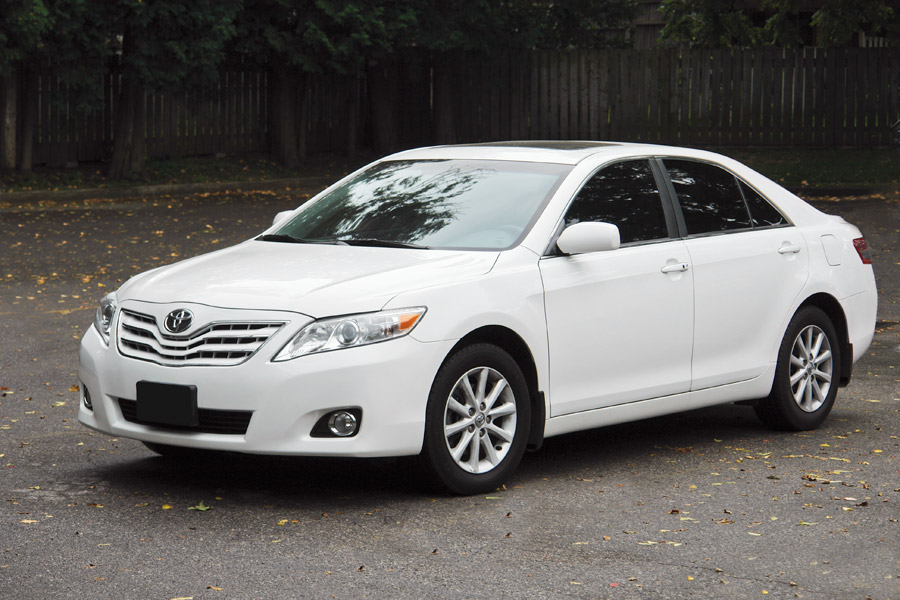
Credit: www.samarins.com
Transmission Troubles
The 2007 Toyota Camry is known for reliability, but transmission troubles can arise. These issues affect driving comfort and vehicle performance. Understanding common transmission problems helps with early detection and repair.
Transmission problems often show as hesitation, slipping, or rough shifting. These signs can mean worn parts or electronic control issues. Checking symptoms carefully prevents costly damage and unsafe driving conditions.
Hesitation And Slipping
Hesitation occurs when the transmission delays gear shifts. The car may feel like it lags before accelerating. Slipping means the transmission changes gears unexpectedly or loses power. Both symptoms reduce driving smoothness and can worsen over time.
Causes include low transmission fluid, worn clutch plates, or damaged bands. Fluid leaks or old fluid also cause slipping. Regular fluid checks and timely changes help avoid these problems.
Rough Shifting And Delayed Engagement
Rough shifting feels like jerks or sudden movements during gear changes. Delayed engagement means the car takes time to move after shifting from park or neutral. These issues create an uncomfortable ride and stress the transmission.
They often result from faulty sensors, worn gears, or transmission fluid issues. Replacing sensors or fluid can improve shifting quality. Ignoring these signs may lead to complete transmission failure.
Powertrain Control Module Concerns
The Powertrain Control Module (PCM) controls transmission functions electronically. A failing PCM can cause shifting errors, hesitation, or incorrect gear changes. It may also trigger warning lights on the dashboard.
Diagnosing PCM problems requires a scan tool to read error codes. Reprogramming or replacing the PCM often fixes these issues. Addressing PCM concerns quickly restores transmission performance and protects the drivetrain.
Suspension And Steering Problems
The 2007 Toyota Camry is known for reliability, but suspension and steering problems can arise. These issues affect ride comfort, handling, and safety. Understanding common problems helps keep the Camry running smoothly. Below are key suspension and steering concerns to watch for.
Worn Motor Mounts
Motor mounts secure the engine to the frame. Over time, they wear out or crack. Worn mounts cause engine vibrations felt inside the cabin. Drivers might notice clunks during acceleration or shifting. Replacing faulty mounts restores smooth engine operation and reduces noise.
Power Steering Leaks
Leaks often occur at the power steering pump or hoses. Fluid loss leads to harder steering and strange noises. Checking fluid levels regularly prevents damage. Early repair stops pump failure and maintains steering ease. Address leaks to ensure safe vehicle control.
Strut And Bushing Wear
Struts and bushings absorb shocks and support suspension movement. Worn parts cause a bouncy or floaty ride. They reduce stability on turns and bumps. Inspecting and replacing these components improves ride quality and safety. Worn bushings also increase tire wear.
Clunking And Rattling Noises
Clunks and rattles often signal loose or damaged suspension parts. Common sources include struts, control arms, and sway bars. These noises appear over bumps or during steering. Ignoring sounds can lead to more serious failures. Timely repairs prevent costly damage and restore smooth driving.
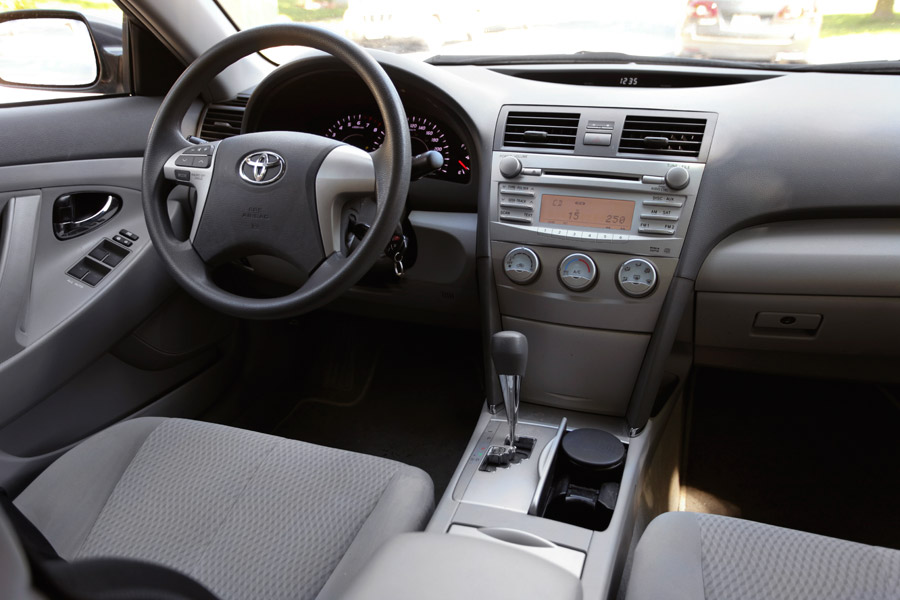
Credit: www.samarins.com
Interior And Electrical Flaws
The 2007 Toyota Camry is known for reliability, but some interior and electrical flaws can affect comfort and safety. These issues often appear as the vehicle ages or faces harsh conditions. Understanding common problems helps owners maintain their Camry better.
Many owners report problems with the dashboard, power windows, and door locks. These flaws may seem minor but can cause frustration or require repairs. Early recognition of these issues can save time and money.
Dashboard Melting And Glare
The dashboard material in the 2007 Camry can soften and become sticky. This melting causes a shiny surface that reflects sunlight, creating glare. Drivers may find the glare distracting and uncomfortable during sunny days.
Heat and sun exposure speed up this damage. The sticky texture also feels unpleasant to touch. Using sunshades and parking in shade can slow the melting process.
Power Window Switch Short-circuit Risk
Toyota recalled some 2007 Camry models due to a short-circuit risk in the power window switches. Faulty wiring inside the switch may cause overheating and fire hazards. This electrical flaw poses a serious safety concern.
Owners should check if their vehicle is part of the recall. Replacing the affected switch prevents potential fires and ensures smooth window operation.
Door Lock Actuator Failures
Door lock actuators in the 2007 Camry tend to fail over time. The actuator motor may stop working, preventing locks from engaging or disengaging. This issue makes doors difficult to secure or unlock electronically.
Replacing the faulty actuator restores proper door lock function. Regular testing helps detect this problem early and keeps the vehicle secure.
Brake System Concerns
The brake system in a 2007 Toyota Camry is crucial for safe driving. Problems here can affect stopping power and vehicle control. Understanding common brake concerns helps maintain safety and avoid costly repairs.
Brake issues often show as unusual noises, vibrations, or warning lights. Early attention can prevent bigger problems. Two frequent concerns involve warped brake rotors and ABS wheel speed sensor wear. Both affect brake performance and must be checked regularly.
Warped Brake Rotors
Warped brake rotors cause a pulsing feeling when braking. This happens from uneven heat and wear on the rotor surface. Drivers may notice vibrations through the brake pedal or steering wheel. Warped rotors reduce braking efficiency and increase stopping distance. Replacing or resurfacing rotors fixes this issue. Regular brake inspections can catch rotor problems early.
Abs Wheel Speed Sensor Wear
The ABS wheel speed sensors monitor wheel rotation to prevent locking during braking. These sensors can wear out or get dirty over time. Faulty sensors trigger the ABS warning light on the dashboard. This may lead to loss of ABS function, reducing vehicle stability in hard braking. Cleaning or replacing sensors restores proper ABS operation. Routine sensor checks improve brake system reliability.
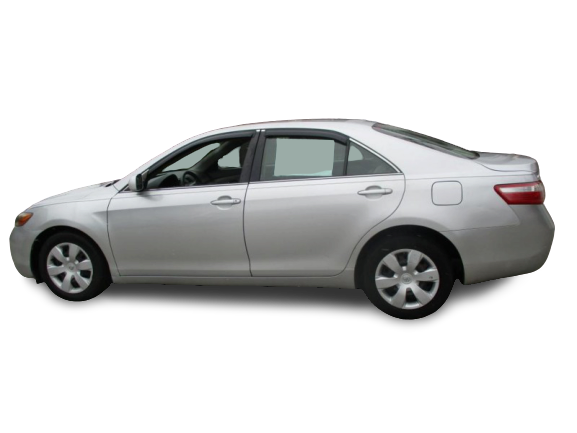
Credit: www.fs1inc.com
Cooling System Challenges
The cooling system in the 2007 Toyota Camry plays a vital role in keeping the engine at a safe temperature. Problems with this system can lead to engine overheating and costly repairs. Recognizing common cooling system challenges helps maintain the vehicle’s performance and safety.
Many drivers report issues related to leaks, thermostat failures, and radiator problems. Early detection is key to avoiding engine damage and ensuring reliable operation.
Common Cooling System Leaks
Leaks often occur in hoses, the radiator, or the water pump. Coolant may drip under the car or show low levels on the reservoir. These leaks reduce cooling efficiency and can cause the engine to overheat.
Inspect hoses for cracks and the radiator for damage regularly. Replacing worn parts prevents bigger issues down the road.
Thermostat Malfunctions
The thermostat controls coolant flow based on engine temperature. A stuck thermostat can cause overheating or poor engine warming. Symptoms include fluctuating temperature gauge readings and heater problems.
Replacing a faulty thermostat restores proper coolant circulation and stabilizes engine temperature quickly.
Radiator Blockages And Failures
Debris and corrosion may block the radiator, reducing its ability to cool the engine. Radiator damage or leaks also impact cooling performance. Signs include coolant loss and engine overheating.
Flushing the radiator and checking for leaks helps maintain cooling efficiency. In severe cases, radiator replacement may be necessary.
Common Repairs And Maintenance Tips
Owning a 2007 Toyota Camry means knowing its common repairs and maintenance needs. Regular attention helps keep the car running smoothly. Understanding typical issues prevents costly breakdowns and extends vehicle life.
This section covers essential tips for common repairs. It highlights frequent problems and how to manage them effectively. Simple steps can improve your Camry’s reliability and performance.
Addressing Check Engine Light Causes
The check engine light often signals oxygen sensor problems. Faulty sensors affect fuel mixture and engine performance. Replace sensors promptly to avoid rough idling and surging.
Other causes include ignition coil failures or loose gas caps. Use an OBD-II scanner to identify specific codes. Early diagnosis saves time and money.
Preventing Suspension Wear
Suspension parts like struts and bushings wear over time. Worn components cause a floaty ride and clunking noises. Inspect suspension regularly and replace worn parts.
Proper wheel alignment and tire care reduce stress on suspension. Avoid rough roads when possible to extend suspension life.
Managing Oil And Fluid Leaks
Common oil leaks occur at valve cover gaskets and piston rings. Leaks lead to engine damage if ignored. Check oil levels often and look for visible leaks.
Power steering fluid leaks may come from pumps or hoses. Keep fluids topped off and repair leaks quickly. Clean areas around leaks to spot new drips early.
Electrical Component Upkeep
Electrical issues include power window switch failures and dashboard malfunctions. These parts may short-circuit or wear with age. Test electrical systems regularly to catch faults early.
Battery terminals should stay clean and tight. Replace fuses and bulbs as needed to maintain all electrical functions.
Year-specific Issues
The 2007 Toyota Camry has its own set of issues that owners should know. These year-specific problems can affect the car’s performance and safety. Understanding these helps in timely repairs and maintenance. Knowing what to watch for can save money and stress.
Older Model Defects
Some parts in the 2007 Camry tend to wear out faster. The dashboard vinyl often becomes soft and sticky. This causes glare and an unpleasant feel inside the car. Motor mounts can wear, leading to vibrations or clunking sounds during driving. Power steering leaks may develop from pumps or hoses. Suspension parts like struts and bushings also wear, causing a floaty ride or noise over bumps. Ignition coils and ABS wheel speed sensors may fail over time, triggering warning lights.
Recall Notices And Fixes
Toyota issued recalls for certain 2007 Camry issues. One major recall targeted power window switches. These switches could short circuit, creating a fire risk. Owners were advised to get these switches replaced free of charge. Another recall addressed potential problems with the fuel system. Recall repairs usually fix these defects and improve safety. Checking if your car is part of a recall is important. Dealers can perform necessary fixes without cost.
Buying A Used 2007 Camry
Buying a used 2007 Toyota Camry can be a smart choice. This model offers reliability and comfort. Still, some issues may arise with age. Knowing what to check before buying helps avoid surprises. Careful inspection and awareness of common problems save money and stress.
Key Inspection Points
Start with the engine. Check for oil leaks around valve covers and piston rings. Look for signs of excessive oil consumption. Test the oxygen sensors by watching for rough idling or engine surges. These often trigger the check engine light.
Inspect the suspension and steering. Worn motor mounts cause vibrations and clunks. Check for power steering fluid leaks. Test the ride for floaty feeling or noises over bumps.
Look inside the car. The dashboard vinyl in this model can melt and become sticky. This causes glare and a poor feel. Test all electrical parts, especially power window switches, as Toyota recalled some for fire risks.
Red Flags To Avoid
Beware of persistent check engine lights. They often signal oxygen sensor or catalytic converter problems. Avoid cars with transmission hesitation or slipping. These issues can be costly to fix.
Steer clear of vehicles with power steering leaks. Also, watch out for worn suspension parts causing noisy or rough rides. Avoid cars with melting dashboards or sticky surfaces inside.
Check for any recalls, especially on power window switches. Do not buy if these repairs are not completed. Lastly, avoid cars showing signs of excessive oil leaks or poor maintenance records.
Frequently Asked Questions
What Is The Most Common Problem With A Toyota Camry 2007?
The most common problem with a 2007 Toyota Camry is excessive oil consumption. It often results from worn piston rings or valve cover gasket leaks. This issue can cause engine performance problems and requires regular monitoring or repair to maintain reliability.
What Are The Most Common Issues With A Toyota Camry?
Common Toyota Camry issues include oxygen sensor failures, transmission slipping, power steering leaks, oil leaks, worn suspension parts, and dashboard melting in older models.
How To Reset A 2007 Toyota Camry?
To reset a 2007 Toyota Camry, turn the ignition to “ON” without starting. Press and hold the trip meter reset button until the display resets. This clears maintenance reminders and some warning lights. For check engine light resets, use an OBD-II scanner or disconnect the battery for 15 minutes.
Why Does My 2007 Toyota Camry Jerk When Accelerating?
Your 2007 Toyota Camry jerks when accelerating due to worn ignition coils, dirty fuel injectors, or a failing oxygen sensor. Transmission issues or motor mount wear can also cause this problem. Regular maintenance helps prevent jerking and ensures smooth acceleration.
What Are Common Engine Problems In A 2007 Toyota Camry?
The 2007 Camry often has oxygen sensor failures causing rough idling. Oil leaks from valve covers and piston rings are frequent. These issues may trigger the check engine light.
Conclusion
The 2007 Toyota Camry has some common issues to watch for. Problems with oxygen sensors can cause engine lights to come on. Oil leaks and transmission slipping may affect performance. Suspension parts often wear out, making rides less smooth. Electrical and interior issues, like dashboard melting, occur too.
Regular checks help catch these troubles early. Staying aware keeps your Camry running well longer. Small repairs now can prevent bigger costs later. Understanding these problems helps you maintain your car better.