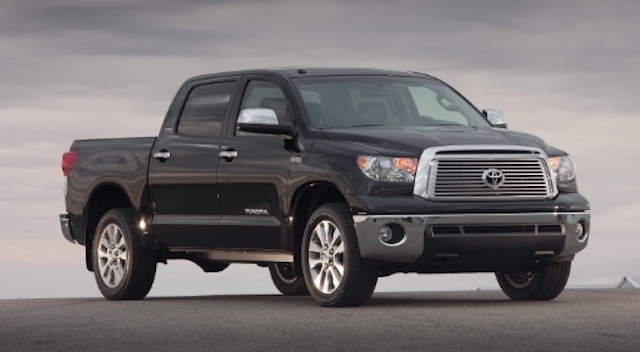
If you own a 2007 Toyota Tundra, you know it’s a dependable truck—but like any vehicle, it can have its quirks. Maybe you’ve noticed a strange ticking noise, your check engine light popped on, or you’re dealing with some unexpected leaks.
These common problems can be frustrating, especially when you just want your truck to run smoothly without surprises. But don’t worry—you’re in the right place. This guide will help you pinpoint the most frequent issues with the 2007 Tundra and offer clear, straightforward troubleshooting tips.
By understanding what’s going on under the hood, you can save time, avoid costly repairs, and get back on the road with confidence. Keep reading to make sure your Tundra stays tough and reliable for many miles to come.
Engine And Exhaust Issues
The 2007 Toyota Tundra may face engine and exhaust issues that affect performance. These problems can cause noises, smells, or warning lights on the dashboard. Understanding these common faults helps with quick diagnosis and repair.
Engine and exhaust troubles often start small but can lead to bigger damage. Regular checks help keep the Tundra running smoothly and avoid costly repairs. Below are some common engine and exhaust issues for this model.
Exhaust Manifold Leaks
Exhaust manifold leaks are common in the 2007 Tundra. They create a loud ticking or grating noise near the engine. The leak happens when the gasket or manifold cracks. This lets exhaust gases escape before reaching the catalytic converter.
The noise often increases during acceleration or cold starts. Leaks reduce engine efficiency and can damage other parts. Repair usually involves replacing the gasket or the whole manifold. Prompt attention prevents further engine wear.
Secondary Air Pump Failure
The secondary air pump helps reduce emissions by injecting air into the exhaust. Failure of this pump triggers the Check Engine Light. Most drivers do not notice changes in drivability.
Replacing the pump can be tricky because of its location. Faulty pumps affect emissions tests and may cause the vehicle to fail inspection. Regular diagnostics can catch this problem early.
Oil Leak Sources And Effects
Oil leaks often come from valve cover gaskets or cam tower seals. Leaks cause oil smells and sometimes smoke near the engine bay. If left unchecked, oil loss can harm engine parts.
Leaks also attract dirt, which may clog engine components. Repair involves replacing worn gaskets or seals. Checking oil levels regularly prevents engine damage and keeps the Tundra reliable.
Electrical And Hvac Problems
The 2007 Toyota Tundra can face various electrical and HVAC problems. These issues often affect comfort and vehicle operation. Identifying them early helps avoid costly repairs and keeps your truck running smoothly.
Common electrical and HVAC troubles include AC compressor malfunctions, blower motor failures, and ignition system troubles. Each problem has clear signs that drivers can notice.
Ac Compressor Malfunctions
The AC compressor is vital for cooling the cabin. Signs of failure include weak airflow and warm air coming from vents. Sometimes, the AC warning light may flash on the dashboard. This problem often occurs due to worn-out parts or low refrigerant levels. Repair or replacement usually restores proper cooling.
Blower Motor Failures
The blower motor pushes air through the vents. Failure causes weak or no airflow inside the truck. Drivers might hear loud grinding or unusual noises from the blower area. Dust buildup and worn bearings are common causes. Cleaning or replacing the motor solves most blower issues.
Ignition System Troubles
The ignition system powers up the engine. Problems here can cause the key to get stuck or no engine start. Electrical faults or worn ignition cylinders lead to these troubles. Sometimes, the dashboard lights may flicker or fail to turn on. Timely repair of the ignition system ensures reliable starts every time.
Front End And Drivetrain Concerns
The 2007 Toyota Tundra is a solid truck, but some front end and drivetrain issues can arise. These problems affect driving safety and comfort. Staying alert to signs helps keep your Tundra running smoothly.
Common concerns include noises, vibrations, and part wear. The front end supports steering and suspension. The drivetrain transfers power from the engine to the wheels. Both areas need regular checks for trouble.
Wheel Bearing Wear
Wheel bearings allow wheels to spin freely. Over time, they wear out due to road conditions and mileage. Worn bearings cause a humming or grinding noise while driving.
Another sign is a shaking steering wheel at higher speeds. Brake performance may also suffer if bearings are bad. Replacing wheel bearings early prevents further damage.
Front Lower Ball Joint Recall
Toyota recalled some 2007 Tundras for faulty front lower ball joints. The problem was due to poor lubricant inside the joint. This caused the ball joint to wear faster than normal.
Premature wear can lead to joint separation, risking loss of control. Symptoms include clunking noises and uneven tire wear. Owners should check if their truck is part of the recall for free repairs.
Other Common Issues
The 2007 Toyota Tundra is a reliable truck but has some common issues to watch for. Beyond the usual engine and electrical problems, other areas need attention. These issues can affect safety, performance, and resale value. Early detection helps prevent costly repairs.
Frame Rust Challenges
Frame rust is a common problem in older 2007 Tundra models. This occurs mostly in areas with harsh winters or high humidity. Rust weakens the truck’s frame, leading to structural damage. Regular inspections under the truck can catch rust early. Applying rust-proof coatings can slow down the damage. Ignoring frame rust can cause expensive repairs and reduce vehicle safety.
Catalytic Converter Failures
Catalytic converter failure is another frequent issue in the 2007 Toyota Tundra. The converter helps reduce harmful emissions from the engine. Over time, it can become clogged or damaged. Symptoms include poor engine performance and increased exhaust smoke. Replacing the catalytic converter can restore efficiency. Aftermarket parts are available but may vary in quality. Using quality parts ensures better long-term performance and compliance with emission standards.
Common Problems By Generation
The 2007 Toyota Tundra is a solid truck but has some known problems. Each generation shows certain common issues. Understanding these helps owners maintain their trucks better. This section covers frequent troubles found in the 2007 Tundra. These problems affect performance, safety, and comfort. Knowing what to watch for can save time and money.
Recurring Exhaust Manifold Problems
The exhaust manifold often leaks in this model. It causes a loud ticking noise on startup. Heat and engine stress wear down the gaskets quickly. Leaks can reduce engine power and fuel efficiency. Replacing the manifold gasket or the manifold itself usually solves the issue. Ignoring it may lead to more serious engine damage.
Secondary Air Injection Pump Issues
The secondary air injection pump can fail over time. This part helps reduce emissions during cold starts. Failure triggers the check engine light but rarely affects driving. Replacement is tricky because the pump is hard to access. Regular diagnostics can catch this problem early. Repair helps pass emissions tests and keeps the engine running clean.
Lower Ball Joint Wear And Recall
Lower ball joints wear out faster than expected on some trucks. Toyota issued a recall due to faulty lubricant causing early wear. Worn ball joints lead to steering problems and uneven tire wear. A shaking steering wheel or clunking noise signals this issue. Owners should check recall status and replace worn joints promptly for safety.
Infotainment And Electronics Glitches
Some 2007 Tundras have issues with their infotainment systems. Problems include frozen screens, unresponsive controls, and audio dropouts. Electrical glitches also affect dashboard lights and power windows. These faults reduce comfort and convenience. Software updates or component replacements can fix most problems. Keeping the battery and fuses in good condition helps prevent faults.
Paint And Trim Deterioration
Paint fades and trim pieces may crack or peel over time. Sun exposure and weather wear down the exterior finish. This leads to a dull look and possible rust spots. Regular washing and waxing slow the damage. Replacing damaged trim restores the truck’s appearance. Protecting the paint helps maintain vehicle value and curb appeal.

Credit: partsource.ca
Quick Fixes And Expert Tips
Quick fixes and expert tips can save time and money on your 2007 Toyota Tundra. Small issues often have simple solutions. Knowing what to check first helps avoid bigger problems. Regular maintenance keeps your truck running smoothly. Use these practical tips to handle common troubles effectively.
Diagnosing Ticking Noises
Ticking sounds often come from the exhaust manifold. This happens due to gasket leaks or cracks. Check the manifold bolts for tightness. Replace worn gaskets with high-heat resistant ones. Sometimes, carbon build-up causes ticking. Clean the exhaust ports carefully to remove deposits. Early diagnosis prevents engine damage.
Handling Check Engine Light Alerts
The Check Engine Light signals a problem detected by the onboard computer. Use an OBD-II scanner to read trouble codes. Common triggers include secondary air injection pump failures and faulty sensors. Fix the identified issue promptly. Clear the codes and monitor if the light returns. Ignoring alerts risks costly repairs.
Preventing Rust And Corrosion
Rust often affects the frame and undercarriage of older Tundras. Wash your truck regularly, especially after road salt exposure. Apply rust-proof coatings to vulnerable areas. Inspect the frame for early signs of corrosion. Repair small rust spots before they spread. Proper care extends your truck’s lifespan.
Replacing Faulty Electrical Components
Electrical problems may cause AC compressor failures or blower motor noise. Check fuses and wiring connections first. Replace damaged wires or blown fuses immediately. Faulty switches or motors should be swapped with OEM parts. Use a multimeter to test circuits. Proper repairs restore vehicle comfort and safety.
Troubleshooting Resources
Troubleshooting a 2007 Toyota Tundra can be easier with the right tools and information. Various resources offer practical help for diagnosing and fixing common problems. These resources guide owners step-by-step and improve repair success.
Below are key resources that help identify issues and provide solutions. Using these tools saves time and reduces frustration.
Using Trip Meter For Diagnostics
The trip meter records mileage between fuel fills or repairs. Tracking changes helps spot fuel efficiency drops or engine problems. Reset the trip meter after repairs to measure progress. It is a simple tool to monitor vehicle health during daily use.
Online Forums And Communities
Online forums connect Toyota Tundra owners worldwide. Users share advice, fixes, and personal experiences. Forums offer detailed discussions about model-specific problems and solutions. Joining these communities allows questions and answers from real owners and experts.
Recommended Repair Videos
Repair videos demonstrate step-by-step fixes for common Tundra issues. Visual guides help understand complex tasks clearly. Videos cover topics like engine repairs, brake service, and electrical troubleshooting. Watching tutorials before working on the truck boosts confidence and success.
Credit: parts.olathetoyota.com

Credit: www.amazon.com
Frequently Asked Questions
What Is The Most Common Problem On A 2007 Toyota Tundra?
The most common problem on a 2007 Toyota Tundra is exhaust manifold leaks, causing ticking noises and potential engine damage.
What Is The Most Common Problem With Toyota Tundra?
The most common problem with Toyota Tundra is exhaust manifold leaks causing ticking noises. Frame rust and secondary air pump failures also occur.
How To Reset A 2007 Toyota Tundra?
To reset a 2007 Toyota Tundra, turn the ignition to “ON” without starting. Press and hold the trip meter reset button until the light flashes and resets. Release the button and turn off the ignition. This resets the maintenance or service light.
What’s The Worst Year For A Toyota Tundra?
The worst year for a Toyota Tundra is often considered 2007 due to frequent engine and exhaust manifold issues. This model year faced recalls and reliability concerns, making it less desirable compared to others.
What Are Common Engine Problems In The 2007 Toyota Tundra?
The 2007 Tundra often faces exhaust manifold leaks causing ticking sounds. Secondary air injection pump failure may trigger the check engine light. Oil leaks from valve covers are also frequent.
Conclusion
The 2007 Toyota Tundra shows some common issues to watch for. Exhaust manifold leaks and secondary air pump failures are frequent problems. Frame rust can affect older models and needs attention. Electrical faults and drivetrain wear also appear over time.
Regular checks help spot these troubles early. Fixing issues promptly keeps your Tundra running smoothly. Staying informed helps you maintain this reliable truck. This guide aids in understanding and solving typical Tundra problems.