If you own a 2008 Toyota Prius, you know how reliable and fuel-efficient this hybrid can be. But like any car, it has its quirks and common issues that may catch you off guard.
Are you experiencing warning lights, strange noises, or unexpected performance drops? Don’t worry—you’re not alone, and many Prius owners face similar troubles. This guide will help you quickly identify the key problem areas, from hybrid battery concerns to dashboard glitches, so you can tackle them before they turn into costly repairs.
Keep reading to discover practical troubleshooting tips that will keep your Prius running smoothly and save you time and money on maintenance. Your Prius deserves the best care, and you deserve peace of mind behind the wheel.
Credit: motorcells.com
Key Problem Areas
The 2008 Toyota Prius is known for its reliability, but some issues can arise over time. Identifying key problem areas helps maintain this hybrid vehicle effectively. Understanding these common troubles saves time and money.
This section highlights the main problem areas found in the 2008 Prius. Each area affects performance or safety in different ways. Knowing what to check can prevent bigger repairs later.
Hybrid Battery Issues
The hybrid battery may lose capacity prematurely. This leads to shorter electric driving range and lower fuel efficiency. Battery replacement is expensive but necessary if performance drops.
Inverter Coolant Pump Failure
The inverter coolant pump cools key hybrid components. Pump failure triggers warning lights and reduces system performance. Early detection avoids overheating and costly repairs.
Abs Actuator Problems
The ABS actuator can fail, affecting the braking system. This issue may cause warning lights and reduced brake control. Timely repairs ensure safe stopping power.
Dashboard And Display Malfunctions
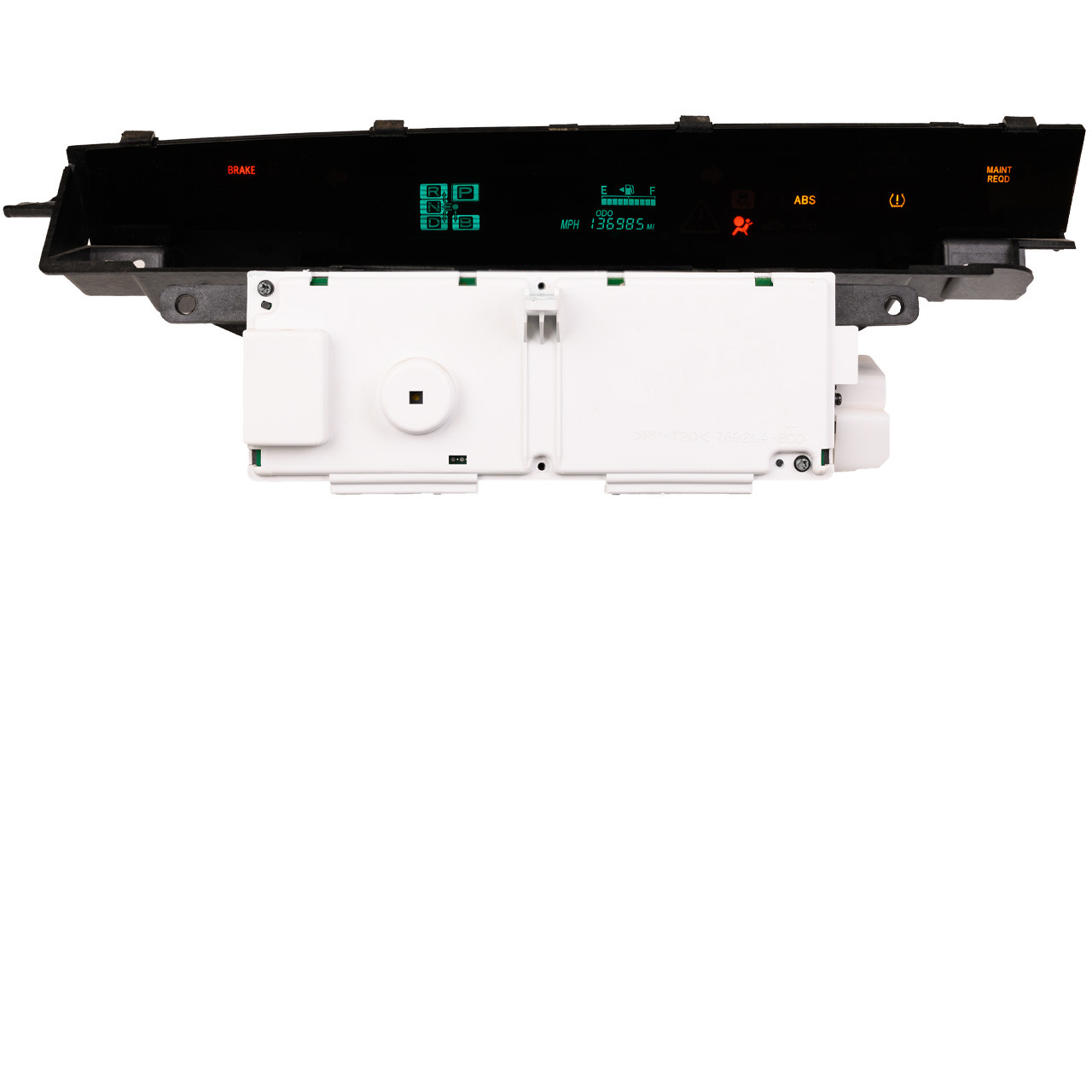
Dashboard displays, like the multi-function screen and fuel gauge, may malfunction. Erratic readings or blank screens confuse drivers. Fixing display issues restores important vehicle information.
Oil Consumption Concerns
Some Prius models consume more oil than usual. Regular oil checks and top-ups prevent engine damage. Monitoring oil levels is essential for engine health.
Wheel Bearing Noise
Noisy or failing wheel bearings create humming or grinding sounds, especially when turning. Ignoring this noise can lead to wheel damage. Early replacement improves driving safety.
Headlight Failures
Headlights may stop working or flicker due to bulb or assembly issues. Faulty headlights reduce visibility and safety at night. Repair or replace to maintain proper lighting.
Other Common Complaints
The 2008 Toyota Prius is known for its reliability, yet some owners report issues beyond the main hybrid components. These other common complaints can affect daily driving comfort and vehicle performance. Understanding these problems helps in early detection and cost-effective repairs.
Stalling And Power Loss
Stalling or sudden power loss can occur during driving. This issue often relates to the Mass Air Flow (MAF) sensor or hybrid battery problems. A dirty or failing MAF sensor reduces engine efficiency. Hybrid battery faults may cause the car to switch to gas engine mode unexpectedly. Both cases reduce acceleration and may cause engine hesitation.
Premature Tire Wear
Many Prius owners notice faster tire wear than expected. This can result from incorrect wheel alignment or uneven tire pressure. The regenerative braking system may also contribute to uneven wear. Regular tire rotation and alignment checks help extend tire life and maintain smooth handling.
Exhaust System Issues
Exhaust problems include catalytic converter failures, heat shield rattling, and exhaust leaks. A failing catalytic converter reduces emissions control and may trigger warning lights. Loose heat shields cause annoying rattling sounds. Small exhaust leaks can affect fuel efficiency and should be repaired promptly.
Reliability And Recalls
The 2008 Toyota Prius is known for its fuel efficiency and eco-friendly design. Its reliability has made it a popular choice among hybrid car buyers. Understanding common issues and recalls helps owners maintain their vehicles better. Being aware of these factors can prevent unexpected breakdowns and costly repairs.
Over the years, some Prius models have faced specific problems. Toyota has addressed many through recalls and service campaigns. Staying informed about these recalls is crucial for safety and performance. Regular maintenance combined with recall updates keeps the car running smoothly.
- Hybrid Battery: Some batteries show early failure or loss of capacity.
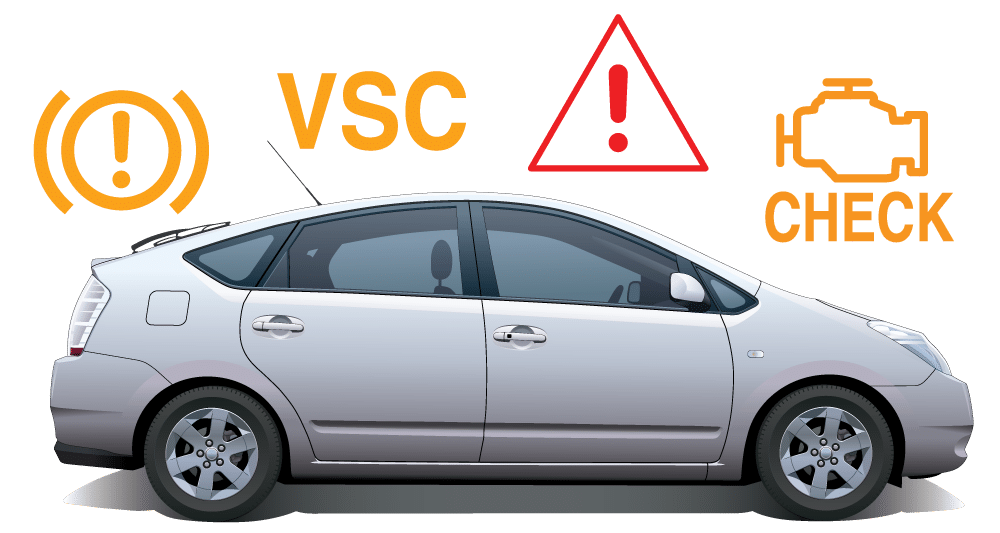
- Inverter Coolant Pump: Pump failure may trigger the Check Engine Light and affect hybrid functions.
- ABS Actuator: This component can fail, impacting braking performance.
- Dashboard Display: Issues with the multi-function display and fuel gauge accuracy are common.
- Oil Consumption: Certain models use more oil than expected, requiring frequent checks.
- Wheel Bearings: Noise and wear, especially during turns, have been reported.
- Headlights: Failures sometimes require replacing the entire headlight assembly.
Common Recalls
- Recall for inverter coolant pump replacement to prevent overheating.
- Brake system recalls focusing on ABS actuator and pump improvements.
- Dashboard display recalls addressing screen freezing or inaccurate readings.
- Headlight assembly recalls due to premature failure or wiring issues.
What To Check When Buying Used
- Verify service records for battery and inverter coolant pump replacements.
- Listen for unusual noises from wheel bearings during test drives.
- Ensure dashboard displays and fuel gauges work correctly.
- Use the vehicle’s VIN to check for outstanding recalls.
Credit: circuitboardmedics.com
Buying Used Tips
Buying a used 2008 Toyota Prius requires careful checks to avoid costly repairs. This model has unique hybrid parts that need special attention. Simple inspections can save money and frustration later.
Check important areas before purchase. Focus on service history, wheel condition, dashboard functions, and recall status. Each step helps ensure the car is reliable and safe.
Service Records Check
Ask for full service records. Confirm hybrid battery and inverter coolant pump services. Regular maintenance extends the car’s life. Missing records may hide past problems.
Wheel Bearing Inspection
Listen for grinding or humming sounds while turning. These noises often point to worn wheel bearings. Replacing them can be expensive. A smooth ride means bearings are likely fine.
Dashboard Functionality Test
Turn on the ignition and check all dashboard lights. Test the multi-function display and fuel gauge. Look for flickering or error messages. Dashboard issues could signal electrical or sensor problems.
Recall Verification
Use the car’s VIN to check for recalls. Toyota may have issued fixes for safety or performance issues. Ensure all recalls are addressed before buying. This step protects you from future risks.
Common Problems By Generation
The 2008 Toyota Prius, part of the second generation, has a few common problems. These issues vary by generation but are important to know. Understanding these helps owners keep their Prius running smoothly. This section covers key problems found in the 2008 model and related generations.
Steering Angle Sensor And Electrical Issues
Steering angle sensor problems often cause warning lights to appear. This sensor helps the car understand steering wheel position. Faulty sensors may affect stability control and braking systems. Electrical issues like display malfunctions and CD player failures are also common. These problems can make driving less safe and comfortable.
Head Gasket And Engine Concerns
The 2008 Prius may face head gasket failure. This is often due to clogged EGR valves causing engine overheating. A blown head gasket leads to oil leaks and engine damage. Inverter coolant pumps can also fail, affecting hybrid system cooling. ABS actuator and pump failures are reported, reducing brake performance.
Windshield Cracking And Brake Problems
Many owners report easily cracked windshields on this model. This issue might be due to windshield design or environmental factors. Brake problems include premature wear and brake pulsation. Some drivers notice inaccurate fuel gauge readings, which can confuse owners. Hybrid battery cooling system faults may also affect braking.
General Issues Across Models
The 2008 Toyota Prius remains a popular hybrid car. Many drivers appreciate its fuel efficiency and eco-friendly design. Still, some general issues appear across most models. Knowing these common problems helps owners maintain their Prius better. Early detection can save money and avoid breakdowns.
Hybrid Battery Degradation
The hybrid battery in the 2008 Prius can lose capacity over time. This leads to lower fuel efficiency and more gas engine use. Replacing the battery is costly but sometimes necessary. Regular check-ups can catch battery problems early. Some owners report the battery lasting over 150,000 miles with proper care.
Brake Wear And Abs Faults
Brake components may wear faster than expected. The anti-lock braking system (ABS) can show faults or warning lights. These issues affect braking safety and must be addressed quickly. Brake pads and rotors often need replacement sooner on this model. Keeping brakes in good shape ensures safe driving.
Power Inverter Coolant Pump Failures
The power inverter coolant pump cools key hybrid parts. Pump failure causes the Check Engine Light to turn on. This can reduce hybrid system performance or cause overheating. Some drivers notice strange noises or reduced fuel economy. Replacing the pump restores proper cooling and performance.
Fuel Gauge Inaccuracies
Fuel gauges on some 2008 Prius models show incorrect fuel levels. This leads to uncertainty about how much gas remains. Drivers may run out of fuel unexpectedly. Fixing the fuel sender unit or gauge often solves this problem. Regular monitoring helps avoid surprises.
Center Display Failures
The center multi-function display (MFD) can stop working or freeze. This display controls climate, audio, and hybrid system info. Display failure limits access to important vehicle data. Resetting or replacing the display unit usually restores function. Keeping software updated may reduce these errors.
Troubleshooting Tips
Troubleshooting your 2008 Toyota Prius can save time and money. Simple checks often solve common issues quickly. Follow these clear tips to diagnose and fix problems yourself. They focus on warning lights, wiring, key fob batteries, and sensor harnesses.
Resetting Warning Lights
Warning lights can stay on after minor faults clear. Resetting them may help your Prius run smoothly. Start by turning the ignition off. Press and hold the “Trip” button on the dashboard. Turn the ignition on without starting the engine. Keep holding the button until the lights blink and turn off. This resets the system and clears some error codes.
Inspecting Wiring And Connections
Loose or corroded wiring often causes electrical problems. Open the hood and check battery terminals and connectors. Look for damaged wires or corrosion on connectors. Clean any dirt or rust with a wire brush. Secure loose wires using zip ties. Good connections improve electrical flow and reduce faults.
Replacing Key Fob Battery
A weak key fob battery can cause starting or locking issues. Open the key fob carefully using a small screwdriver. Remove the old battery and note its type. Insert a new battery of the same type, matching the polarity. Close the fob tightly. Test the remote functions to ensure proper operation.
Checking Voltage Sensor Harnesses
The voltage sensor monitors battery health. Faulty harnesses cause warning lights and poor performance. Locate the voltage sensor harness near the hybrid battery. Inspect for cracks, wear, or loose plugs. Replace damaged harnesses with OEM parts. Secure all connections firmly to ensure accurate readings.
Credit: www.youtube.com
Frequently Asked Questions
What Common Problems Did The 2008 Prius Have?
The 2008 Prius faced hybrid battery degradation, inverter coolant pump failures, ABS actuator issues, dashboard display malfunctions, oil consumption, and occasional headlight problems. Wheel bearing noise and stalling linked to sensors also occurred. These common problems affect performance and reliability.
What Is The Most Common Problem Of Toyota Prius?
The most common problem of the Toyota Prius is hybrid battery degradation, causing reduced fuel efficiency and engine overuse. Other frequent issues include inverter coolant pump failure, ABS actuator faults, and dashboard display malfunctions.
What Is The Triangle Of Death On A 2008 Prius?
The triangle of death on a 2008 Prius is a red warning light indicating hybrid system or inverter coolant pump failure. It signals urgent attention to prevent breakdowns.
How To Reset A 2008 Toyota Prius?
To reset a 2008 Toyota Prius, press and hold the trip odometer button. Keep holding until all dashed lines disappear. This resets the maintenance light.
What Are Common Hybrid Battery Issues In A 2008 Prius?
The hybrid battery may lose capacity or fail early, reducing fuel efficiency. Replacing it can be costly but restores performance.
Conclusion
The 2008 Toyota Prius has some known issues to watch out for. Common problems include hybrid battery wear, inverter coolant pump failure, and dashboard display glitches. Regular checks help catch issues early and keep your car running smoothly. Pay attention to unusual noises or warning lights.
Knowing these troubles makes maintenance easier and safer. Proper care extends the life of your Prius and improves reliability. Stay informed and inspect key parts before driving. This way, you enjoy your hybrid with fewer surprises on the road.