If you own a 2013 Nissan Altima and have noticed unusual noises, vibrations, or warning lights, you’re not alone. Many Altima drivers face common issues that can affect your car’s performance and safety.
Whether your engine hesitates, the transmission feels rough, or your headlights seem dim, understanding what’s going wrong is the first step to fixing it. This guide walks you through the most frequent problems with the 2013 Nissan Altima and shows you how to troubleshoot them effectively.
By knowing what signs to watch for and which parts to check, you can save time, avoid costly repairs, and keep your Altima running smoothly. Ready to take control of your car’s health? Let’s dive into the key issues and simple steps you can take right now.
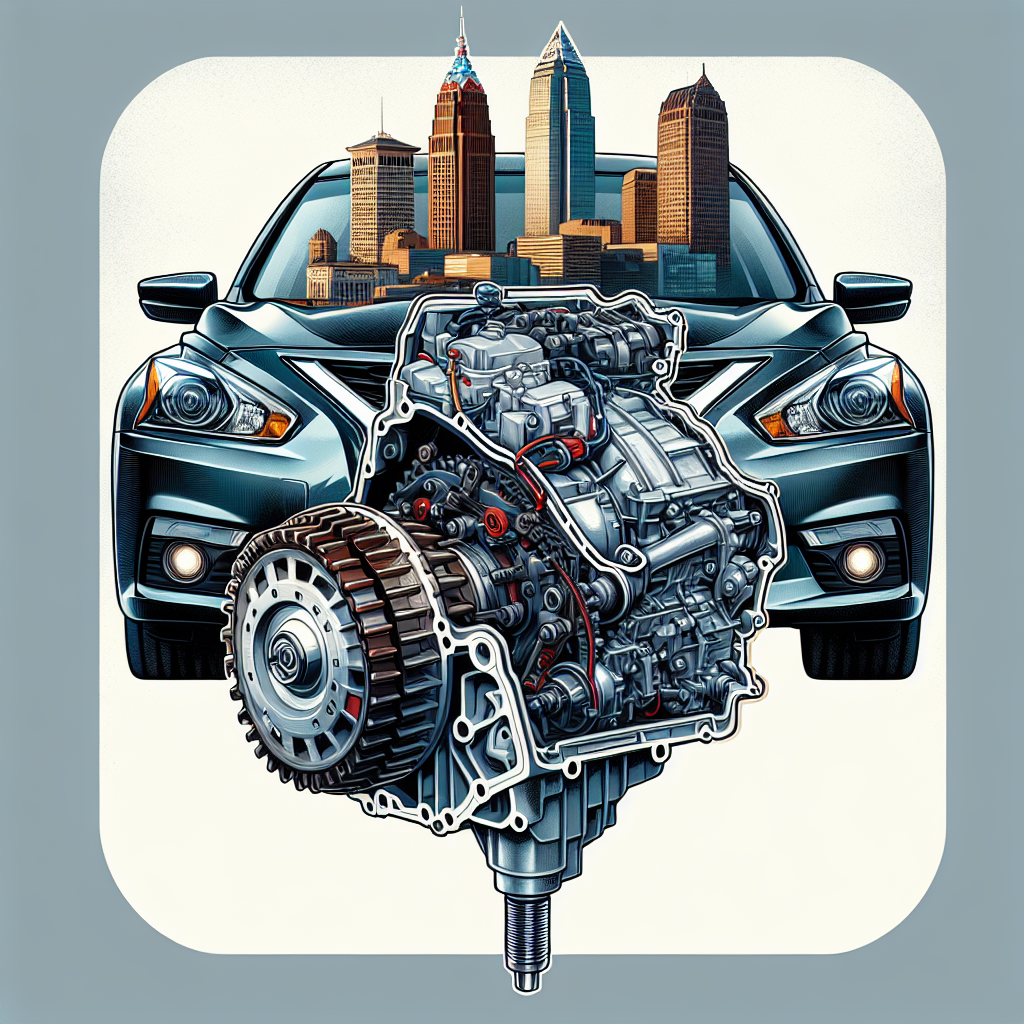
Cvt Transmission Issues
The suspension and steering system of the 2013 Nissan Altima plays a crucial role in delivering a smooth and safe driving experience. Over time, these components can wear out or develop issues that affect handling and ride comfort. Identifying problems early helps maintain control and avoid costly repairs.
Common troubles often arise from worn parts like front struts and engine mounts. These issues may cause unusual noises, vibrations, or steering difficulties. Understanding these symptoms can guide timely maintenance and improve vehicle safety.
Worn Front Struts
The front struts in the 2013 Altima often wear out faster than expected. This wear leads to knocking sounds during driving, especially on rough roads. The vehicle may also feel unstable or bounce excessively over bumps. Worn struts reduce shock absorption, making the ride less comfortable and affecting control.
Engine Mount Wear
Engine mounts hold the engine in place and absorb vibrations. The right-side mount in the 2013 Altima is prone to wear. When worn, it causes noticeable vibrations inside the cabin. These vibrations can increase damage to other engine parts and affect steering response. Replacing worn mounts restores smooth operation and reduces engine movement.
Safety Concerns
Suspension and steering problems directly affect driving safety. Worn components lead to poor handling and longer stopping distances. These issues increase the risk of accidents, especially in emergency maneuvers. Regular inspection and repair of suspension and steering parts are vital to keep the Altima safe on the road.
Engine Problems
The throttle body and sensors play a key role in the 2013 Nissan Altima’s engine performance. They control air flow and monitor engine timing. Problems in these parts often cause engine issues and warning lights.
Understanding the common failures helps in quick troubleshooting and fixing. This keeps your Altima running smoothly and avoids costly repairs.
Throttle Body Failures
The throttle body controls the amount of air entering the engine. Dirt and carbon buildup can cause it to stick or fail. Symptoms include rough idle, poor acceleration, and the check engine light turning on.
Cleaning the throttle body often solves these problems. If cleaning does not help, the throttle body may need replacement. A faulty throttle body reduces fuel efficiency and engine power.
Camshaft And Crankshaft Sensors
The camshaft and crankshaft sensors track engine position and speed. These sensors send signals to the car’s computer to control fuel injection and ignition timing.
Sensor failures cause engine stalling, poor acceleration, and starting issues. The check engine light often appears with sensor problems. Replacing bad sensors restores engine performance and smooth running.
Suspension And Steering
The 2013 Nissan Altima faces several other mechanical issues beyond the common transmission and engine problems. These issues can affect your driving comfort, safety, and vehicle reliability. Understanding these problems helps in early detection and timely repair.
Some Altima owners report trouble with the air conditioning system, fuel pump, and electrical components. These faults often cause inconvenience or prevent the car from starting. Proper troubleshooting can save time and money.
A/c System Problems
Many 2013 Nissan Altimas suffer from weak or no air conditioning. The system may blow warm air instead of cold. A clogged or leaking condenser and low refrigerant are common causes. Faulty A/C compressors or worn-out fans also reduce cooling efficiency. Regular maintenance keeps the A/C system working well and prevents costly repairs.
Fuel Pump Concerns
Fuel pump issues cause engine stalling, rough idling, or failure to start. The 2013 Altima’s fuel pump can wear out prematurely or become clogged. Signs include sputtering during acceleration or sudden power loss. Replacing a faulty fuel pump restores proper fuel flow and engine performance. Fuel filter checks can also prevent pump damage.
Electrical And Key Fob Issues
The 2013 Altima may experience electrical problems like flickering lights or dead batteries. Key fob malfunctions are common, causing trouble with keyless entry or push-button start. Battery replacement or reprogramming often solves key fob faults. Wiring inspections help identify electrical shorts or connection problems. Keeping keys and electrical parts in good shape avoids unexpected breakdowns.
Credit: thelandautorepair.com
Oil Leak Sources
Common symptoms in the 2013 Nissan Altima reveal typical issues owners face. Recognizing these signs early helps prevent costly repairs. The car may show several warning signals related to engine, electrical, or mechanical problems.
These symptoms often point to specific parts needing attention. Understanding each symptom makes troubleshooting easier and more effective. Below are some frequent problems you might notice with this model.
Rough Running And Sputtering
The engine may run unevenly or sputter during acceleration. This can happen due to dirty fuel injectors or faulty spark plugs. Poor fuel quality or clogged air filters also cause rough running. Fixing these parts often restores smooth engine performance quickly.
Engine Cranks But Won’t Start
The engine tries to start but fails to catch. This issue may stem from a weak battery or bad starter motor. Fuel pump failure or problems with the ignition system can also cause no start. Checking these components first saves time and money.
Vibrations And Knocking
Unusual shaking or knocking sounds often indicate engine mount problems. The right-side engine mount wears out faster in this model. Worn suspension parts can also cause vibrations while driving. Addressing these issues improves ride comfort and safety.
Ac Blowing Hot Air
The air conditioner may stop cooling and only blow warm air. This symptom points to low refrigerant levels or a failing compressor. Electrical faults in the AC system could also be the cause. Repairing the AC ensures comfort during hot weather.
Dim Headlights
Headlights that appear weak or dim reduce night visibility. This problem can result from old bulbs or poor electrical connections. A weak battery or alternator may also affect headlight brightness. Fixing these parts keeps driving safe after dark.
Throttle Body And Sensors
When troubleshooting a 2013 Nissan Altima, checking key parts is vital. These components often cause common issues. Inspecting them early saves time and money. Each part plays a role in the car’s performance and safety.
Crankshaft And Camshaft Sensors
These sensors monitor engine timing and speed. Faulty sensors cause stalling and poor acceleration. Symptoms include rough idling and engine misfires. Replacing bad sensors restores smooth engine function quickly.
Fuel Pump
The fuel pump delivers gas to the engine. A failing pump leads to hard starts and engine sputtering. Low fuel pressure can also cause the engine to stall. Checking the pump ensures proper fuel flow.
Right Side Engine Mount
This mount holds the engine securely in place. Worn mounts cause vibrations and noise during driving. They may also affect engine alignment. Inspecting and replacing damaged mounts improves ride comfort.
Front Struts
Front struts absorb shocks and support suspension. Worn struts cause knocking noises and poor handling. They affect braking and steering response. Regular inspection prevents unsafe driving conditions.
Catalytic Converter Heat Shield
This shield protects the car from heat damage. A loose or damaged shield causes rattling sounds. Ignoring it can lead to exhaust system problems. Tightening or replacing the shield stops noise and protects parts.
A/c Low Pressure Hose
The low pressure hose carries refrigerant in the A/C system. Leaks here reduce cooling efficiency. It may also cause the A/C to stop working. Checking the hose helps maintain cabin comfort in hot weather.
Other Mechanical Issues
Knowing when to see a mechanic for your 2013 Nissan Altima can save you time and money. Some problems need professional help right away. Ignoring them can cause more damage. This section highlights key signs that require expert attention.
Engine Starting Issues
If your Altima struggles to start or does not start at all, it needs a mechanic’s check. Repeated failures to start may indicate a battery, starter, or fuel system problem. These issues are complex and often require special tools to diagnose and fix.
Persistent Leaks
Spotting fluid leaks under your car means trouble. Oil, coolant, or transmission fluid leaks should never be ignored. Persistent leaks can harm engine parts and lead to costly repairs. A mechanic can find the source and stop the leak before it worsens.
Complex Repairs
Some problems are too difficult for DIY fixes. Transmission issues, engine noises, or electrical faults need professional skills. Complex repairs need proper diagnosis and experience to avoid further damage. Trust a mechanic to handle these to keep your Altima running safely.
Common Symptoms
Buying a used 2013 Nissan Altima requires careful checks. These steps help avoid costly repairs later. Focus on key areas to spot potential problems early. A thorough pre-purchase review protects your investment and ensures smoother ownership.
Inspection Checklist
Start with a detailed visual and mechanical inspection. Check the CVT transmission for signs of shuddering or hesitation. Look under the hood for oil leaks, especially near the oil cooler seal. Test the throttle response to detect any power loss. Examine engine mounts for wear or vibration. Inspect front suspension parts for noises or looseness. Verify the condition of tires and brakes. A professional mechanic’s inspection is highly recommended.
Service Record Verification
Ask for full service records before buying. Confirm regular CVT fluid changes, crucial for transmission health. Check if oil changes were done on schedule. Look for repairs related to engine mounts or suspension. Review any past issues with the throttle body or sensors. Well-documented maintenance shows the car was cared for. Avoid vehicles with missing or incomplete service history.

Credit: www.youtube.com

Credit: www.autozone.com
Frequently Asked Questions
What Is The Most Common Problem With The 2013 Nissan Altima?
The most common problem with the 2013 Nissan Altima is CVT transmission issues. Symptoms include shuddering, hesitation, and failure. Regular CVT fluid changes help prevent damage. Other frequent problems are worn engine mounts causing vibrations and oil leaks from the engine oil cooler seal.
What Is The Most Common Problem With The Nissan Altima?
The most common problem with the Nissan Altima is CVT transmission issues. Symptoms include shuddering, hesitation, rough acceleration, and possible failure. Regular CVT fluid changes help prevent these problems. Engine mounts and suspension wear are also frequent concerns. Always inspect used Altimas carefully.
How To Reset A 2013 Nissan Altima?
To reset a 2013 Nissan Altima, turn the ignition to ON without starting. Use steering wheel buttons to access settings. Navigate to “Reset” or “Maintenance” and select the desired reset option. Confirm your choice, then turn off the ignition to complete the reset.
What Is The Class Action Lawsuit For The 2013 Nissan Altima?
The 2013 Nissan Altima class action lawsuit targets CVT transmission defects causing shuddering and failure. It also covers engine mount wear, suspension issues, and oil leaks. These defects affect vehicle reliability and safety, prompting legal action and compensation claims for affected owners.
What Are Common 2013 Nissan Altima Transmission Problems?
The 2013 Altima often faces CVT transmission issues. Symptoms include shuddering, hesitation, and rough acceleration. Regular CVT fluid changes can help prevent these problems.
Conclusion
The 2013 Nissan Altima has some common issues to watch for. Transmission troubles, especially with the CVT, affect many drivers. Engine mounts and suspension parts may wear out early, causing noise and vibrations. Oil leaks and throttle body problems can lead to power loss.
Regular maintenance and inspections help catch these problems early. Always check service records before buying a used Altima. Staying aware keeps your car running smoother and safer on the road.