Have you ever flipped your 3-way switch only to find the lights acting up—flickering, not turning on, or working from just one switch? It’s frustrating and confusing, especially when you rely on these switches every day to control your lighting with ease.
But what if the problem isn’t just annoying—it could also be dangerous? Incorrect wiring or worn-out parts can lead to shocks, short circuits, or even fire hazards. If your 3-way switch isn’t working right, you need to know exactly how to spot the issue and fix it safely.
In this guide, you’ll learn simple troubleshooting steps that anyone can follow to diagnose common problems and get your switches working perfectly again. Let’s dive in and take the mystery out of 3-way switch troubleshooting—so you can regain control of your home lighting with confidence.
Safety Precautions
Working on a 3 way switch requires careful attention to safety. Electrical circuits can be dangerous without proper precautions. Follow these safety steps to prevent shocks, fires, or damage. Always handle wiring with care and respect the power source.
Turn Off Power
Switch off the circuit breaker that controls the switch. Confirm the power is off by testing the switch with a voltage tester. Never work on live wires. This step stops electric shock risks and protects your tools.
Label Wires
Mark each wire before disconnecting it. Use tape and a marker to note their positions. Labeling helps you reconnect wires correctly. Avoids confusion and wiring errors that cause malfunctions or hazards.
Use Proper Tools
Use insulated tools designed for electrical work. Screwdrivers, pliers, and wire strippers with insulation keep you safe. Avoid makeshift tools that can slip or conduct electricity. Proper tools also make the job easier and faster.
Common Problems
Troubles with 3 way switches often confuse homeowners. Common problems cause lights to behave oddly or stop working. These issues usually come from wiring mistakes or worn parts. Understanding these problems helps you fix them fast and safely.
Intermittent Operation
Lights may flicker or only work sometimes. Loose traveler wires often cause this. Worn switch contacts can also lead to poor connection. Check all wires and terminals for tightness. Replace switches showing signs of wear or corrosion. Testing with a continuity tester finds wiring breaks.
Reverse Switch Logic
One switch turns lights on, the other turns them off. This happens when traveler wires connect incorrectly. The switches work, but in reverse of what you expect. Swapping traveler wires or the common terminal fixes this error. Always turn off power before adjusting wiring.
Single-switch Behavior
The circuit works like a normal single-pole switch. Lights respond only to one switch, ignoring the other. This usually means the common wire is mixed with a traveler. The other switch loses control until flipped. Check wiring carefully to ensure each wire connects to the right terminal.
Safety Hazards
Working with 3 way switches involves electrical currents that can be risky. Faulty wiring or damaged parts may create safety hazards. Understanding these risks helps prevent accidents. Always be cautious during troubleshooting to keep yourself and your home safe.
Short Circuits And Fire Risk
Short circuits happen when wires touch in the wrong way. This can cause electricity to flow incorrectly. The result may be overheating and sparks. Over time, this increases the chance of a fire. Incorrect wiring of the hot and traveler wires is a common cause. Check connections carefully to avoid this hazard.
Shock Hazards
Shock hazards occur when live wires are exposed or mixed up. Backfeeding electricity can surprise you with a sudden shock. This often happens if the line and load wires are reversed. Even if the switch seems to work, the risk remains. Use insulated tools and always cut power before working.
Tripped Breakers
A short circuit or overload can cause breakers to trip. This stops power to prevent damage or fire. Frequent breaker trips mean a wiring problem exists. It is a warning sign that you should not ignore. Troubleshoot and fix wiring issues to restore safe operation.
Identifying Wiring Errors
Identifying wiring errors is key to fixing three-way switch problems safely. Incorrect wiring can cause lights to flicker, fail, or work only from one switch. Some errors create electrical hazards like short circuits or shocks. Finding these mistakes early prevents damage and ensures reliable operation.
Check wiring carefully before testing switches. Look for swapped wires, wrong wire sizes, or loose connections. Use simple tools to verify each wire’s role. Understanding common wiring errors saves time and avoids risks.
Swapping Common And Traveler Wires
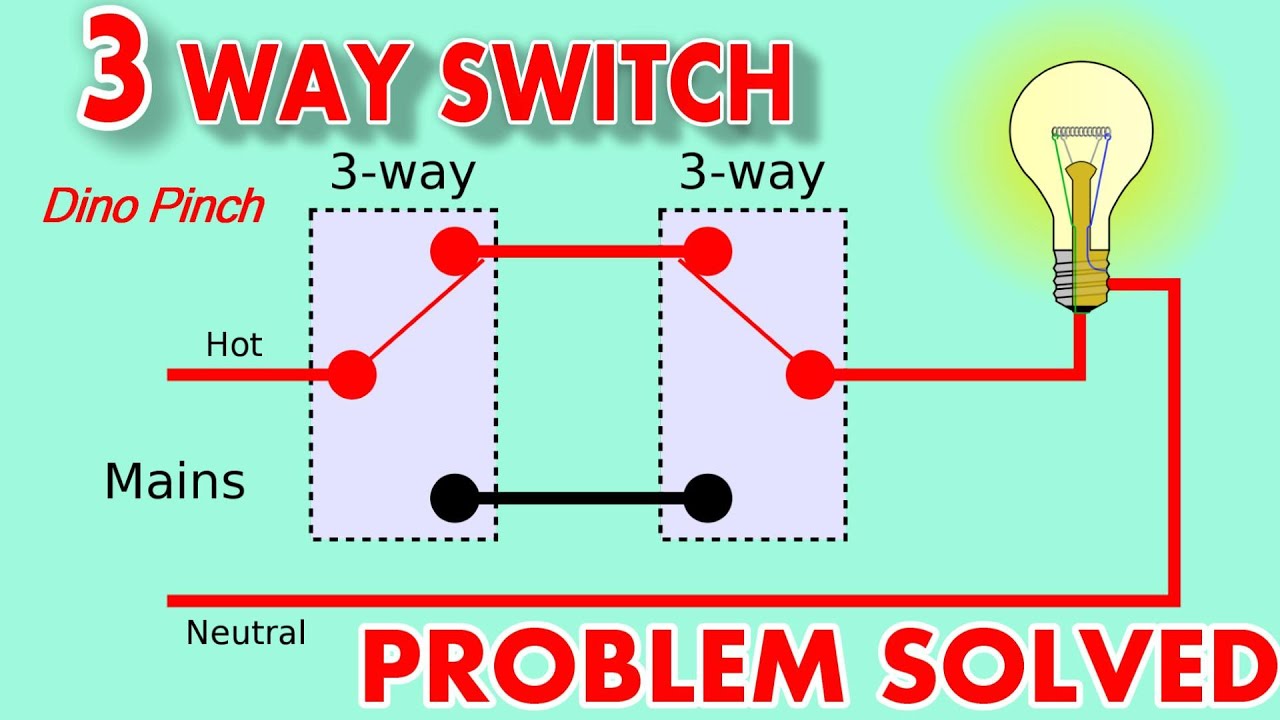
One common wiring mistake is swapping the common wire with traveler wires. The common wire carries power or connects to the light fixture. Traveler wires link the two switches. If swapped, switches may not work correctly or cause reverse on/off behavior. Check the switch terminals carefully. The common terminal usually differs in color or label from travelers. Correcting this swap often fixes many three-way switch issues.
Testing With A Multimeter
A multimeter helps find wiring errors by measuring voltage, continuity, and resistance. Turn off power before testing. Set the meter to the correct mode. Test each wire to confirm it matches the circuit design. Check for power at the common terminal and continuity between traveler terminals when toggling switches. Multimeter readings show if wires connect properly or if breaks or shorts exist. This tool makes diagnosing wiring faults faster and safer.
Incorrect Wire Gauge
Using the wrong wire gauge can cause switch problems or safety hazards. Thin wires may overheat under high current, risking fire. Thick wires may not fit switch terminals well, causing loose connections. Use wire size recommended by electrical codes for your circuit amperage. Common household circuits use 14 or 12 gauge wire. Inspect wires for damage or improper size and replace if needed. Proper wire gauge ensures safe, reliable switch operation.
Step-by-step Troubleshooting
Troubleshooting a 3 way switch can seem complex. Following clear steps makes the process easier and safer. Each step targets common issues to restore proper switch function. Understanding how these switches work helps to identify problems quickly. This guide breaks down the process into simple actions anyone can follow.
Locate Power Source
Begin by turning off the main power to avoid shocks. Find where the power enters the switch circuit. This is usually at one of the switches or the light fixture. Use a voltage tester to confirm no electricity flows. Knowing the power source helps trace wiring and possible faults.
Inspect Switch Connections
Remove the switch covers carefully. Check all wire connections for looseness or corrosion. Tighten any loose screws holding wires. Look for burnt or damaged wires that need replacement. Proper connection ensures the switch controls the circuit as designed.
Check Traveler And Common Terminals
Identify the traveler wires and the common terminal on each switch. Make sure travelers connect to traveler terminals only. The common terminal must connect to the power line or load wire. Miswiring these causes malfunction or safety hazards. Correct wiring is essential for proper switch operation.
Test Continuity Between Switches
Use a multimeter set to continuity mode. Test the traveler wires between both switches for an unbroken path. Check continuity from the common terminal to the travelers as well. Broken continuity signals a wiring issue or a damaged wire. This test confirms the circuit’s integrity.
Replace Worn Or Damaged Switches
If tests show faults in switches, replace them. Old switches wear out internally and cause issues. Purchase a compatible 3 way switch from a hardware store. Turn off power before removing the old switch. Install the new switch following wiring marks and instructions.

Credit: diy.stackexchange.com
Tips To Avoid Mistakes
Working with 3 way switches requires careful attention to detail. Mistakes can cause switches to malfunction or create safety risks. Following simple tips helps avoid common errors and ensures smooth operation. Here are key tips to keep in mind during installation or troubleshooting.
Match Wire Gauge To Circuit
Use the correct wire gauge for your circuit’s amperage. Thin wires can overheat and cause fire hazards. Thicker wires handle more current safely. Check your local electrical codes to select the right size. Matching wire gauge prevents overheating and breaker trips.
Avoid Over-tightening Screws
Do not overtighten terminal screws on switches. Over-tightening can damage wires or strip screw threads. Loose connections cause flickering lights or intermittent operation. Tighten screws firmly but gently to hold wires securely without damage. Proper screw tension ensures reliable connections.
Follow Wiring Diagrams
Always use accurate wiring diagrams for 3 way switch setups. Diagrams show correct wire placement for traveler, common, and ground wires. Incorrect wiring leads to switches not working or safety hazards. Double-check connections against diagrams before restoring power. Following diagrams reduces guesswork and errors.
When To Call A Professional
Knowing when to call a professional electrician is key during 3 way switch troubleshooting. Some problems can be simple fixes, but others need expert skills. Handling electrical work without the right knowledge can lead to bigger issues. Safety risks and code violations might arise from incorrect repairs. A licensed electrician can ensure the job is done safely and correctly.
Complex Wiring Issues
Complex wiring problems require a deep understanding of electrical systems. A tangled or unclear wiring setup can confuse even skilled DIYers. Professionals can trace circuits and identify hidden faults quickly. They use special tools to test connections and voltage safely. Without this expertise, fixing complex wiring might cause more damage or hazards.
Persistent Electrical Hazards
Persistent issues like sparks, shocks, or tripped breakers signal serious hazards. These problems can lead to electrical fires or injury if ignored. Professionals know how to spot unsafe wiring and faulty components. They fix hazards to protect your home and family. Avoid risking injury by leaving these dangers to experts.
Local Code Compliance
Electrical work must meet local building codes and safety standards. Professionals stay updated on these rules to avoid violations. Proper permits and inspections ensure the wiring is safe and legal. Non-compliance can cause fines or trouble when selling your home. Hiring a licensed electrician guarantees code compliance and peace of mind.

Credit: support.lutron.com
Credit: www.youtube.com
Frequently Asked Questions
Why Is My 3-way Switch Not Working Right?
A 3-way switch often malfunctions due to loose traveler wires, swapped common and traveler connections, or worn switch contacts. Incorrect wiring can cause flickering, reversed operation, or no control from one switch. Always verify wiring with a multimeter and replace faulty switches to ensure safe, reliable operation.
What Happens If You Wire A 3 Way Switch Wrong?
Wiring a 3-way switch wrong can cause lights to malfunction, reverse operation, or only work from one switch. It risks short circuits, shocks, tripped breakers, and fire hazards. Always connect power to the common terminal and travelers correctly to avoid safety issues.
Which Wires Should Be Hot On A 3-way Switch?
On a 3-way switch, the hot wire connects to the common terminal. Traveler wires connect to the traveler terminals. The hot wire carries power from the source, while travelers link the two switches for controlling the light from either location.
What Are Common Mistakes In Wiring A 3-way?
Common 3-way wiring mistakes include swapping traveler and common wires, loose connections, wrong wire gauge, and mixing line/load wires. These cause flickering, reversed operation, shocks, or fire risks. Always connect power to the common terminal and travelers to traveler screws.
Use a multimeter to verify wiring.
What Causes A 3 Way Switch To Stop Working Properly?
Loose or worn traveler wires often cause 3 way switches to fail. Corroded contacts inside switches can also disrupt operation. Checking wiring and replacing old switches usually fixes the problem.
Conclusion
Troubleshooting a 3-way switch can be simple with the right steps. Check all wire connections carefully for loose or swapped wires. Use a tester to confirm proper wiring and avoid safety risks. Fix issues like flickering or switches not working from both ends quickly.
Always prioritize safety by turning off power before starting repairs. When unsure, contact a licensed electrician to prevent hazards. Keeping your 3-way switches working right ensures reliable lighting control in your home.