If you’re dealing with shifting problems or strange noises from your vehicle, the 4L80E transmission might be the root cause. This heavy-duty automatic transmission is popular in many trucks and SUVs, but when it starts acting up, it can leave you frustrated and unsure of what to do next.
You want clear answers fast—what’s wrong, why it’s happening, and how you can fix it. You’ll discover the key steps to troubleshoot your 4L80E transmission effectively. Whether it’s slipping gears, delayed shifts, or complete failure to shift, understanding the common issues and their causes will put you back in control.
Stick with us, and you’ll gain the confidence to diagnose your transmission problems like a pro.

Credit: www.amazon.com
4l80e Transmission Basics
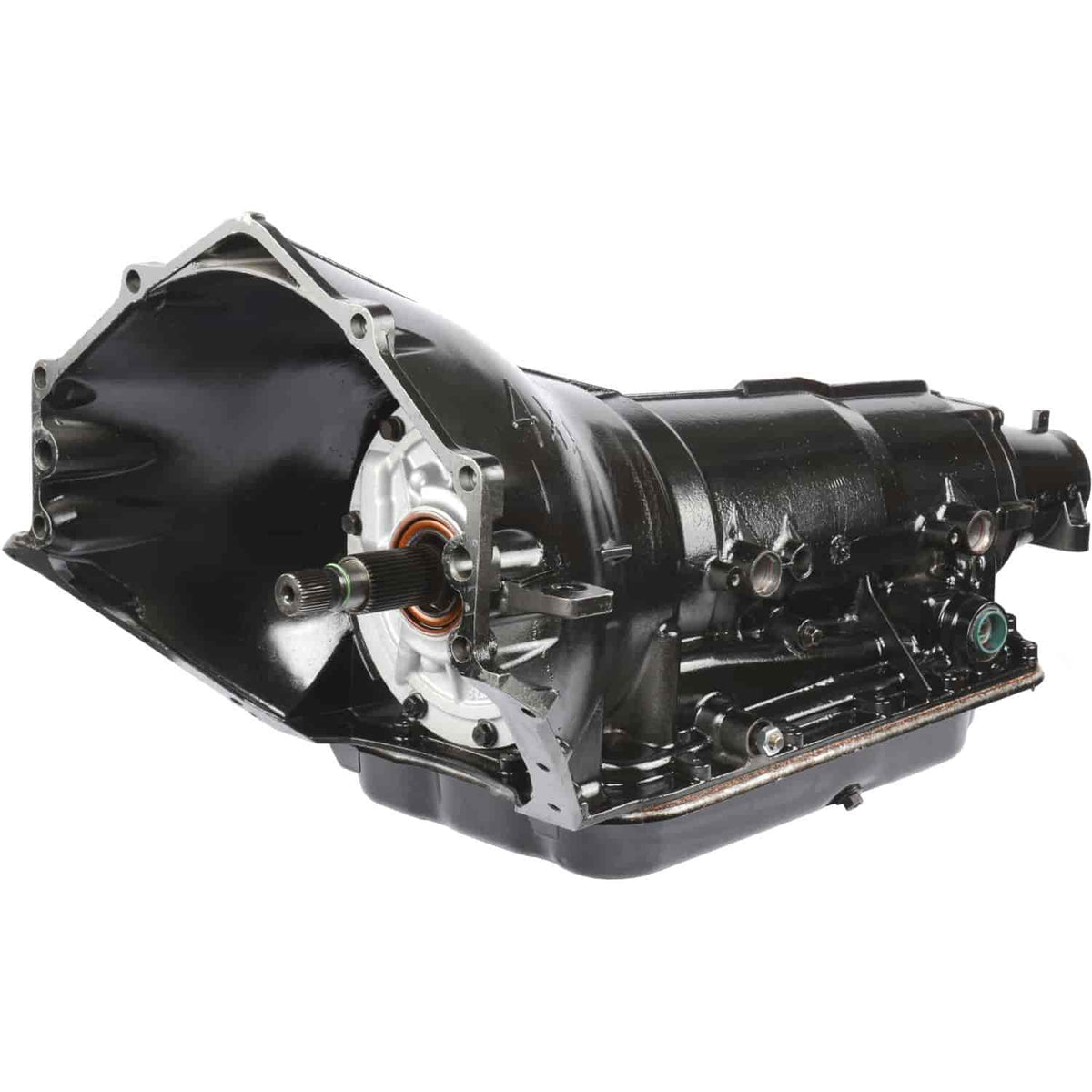
The 4L80E transmission is a heavy-duty automatic transmission. It is used in trucks, SUVs, and commercial vehicles. This transmission combines electronic controls with hydraulic systems. Understanding its basics helps identify and solve common problems.
It uses sensors and a control module to manage shifting smoothly. The system adjusts gear changes based on speed, load, and other factors. Knowing how it works makes troubleshooting easier and more effective.
Key Components
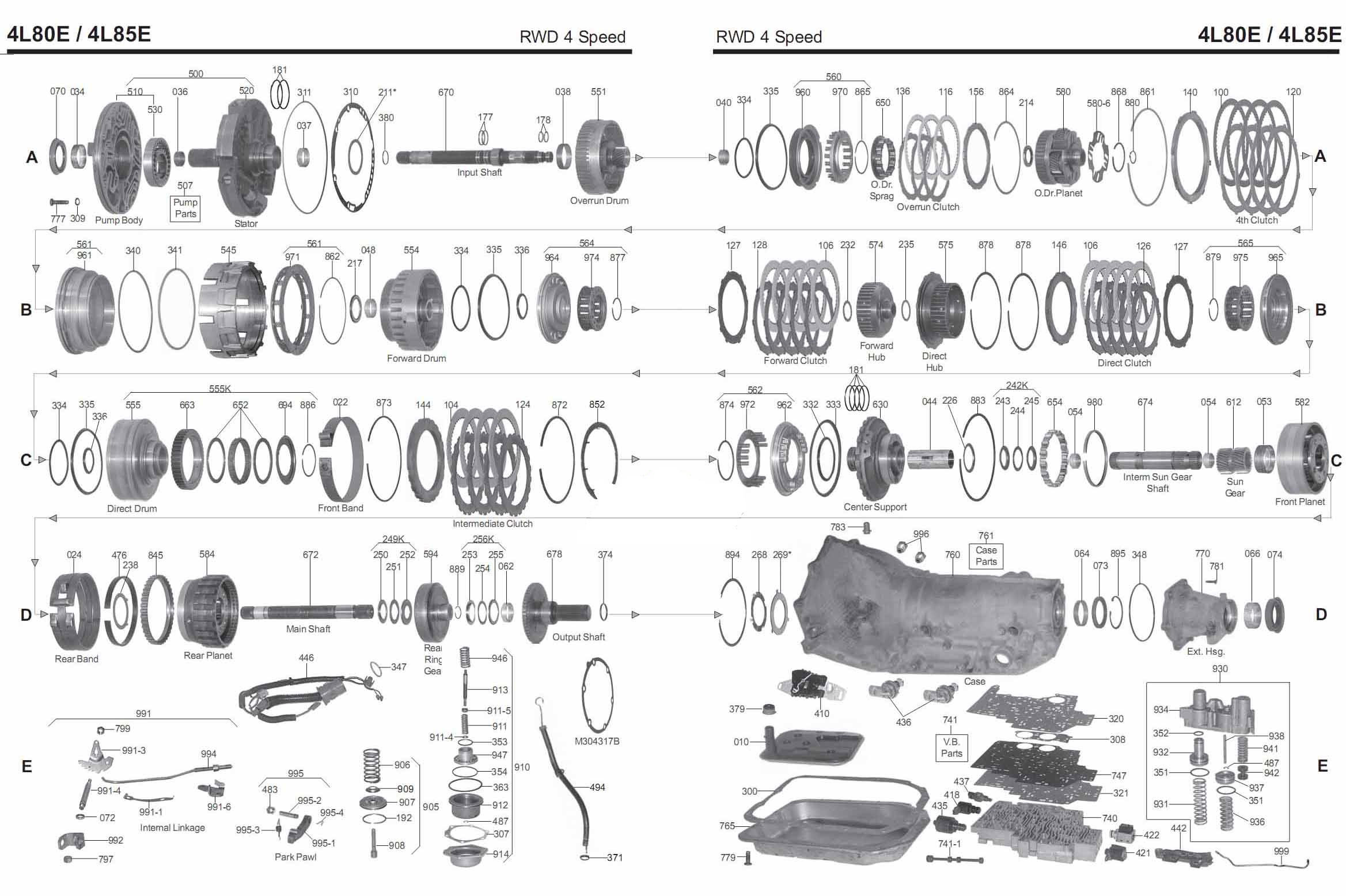
The heart of the 4L80E is the Transmission Control Module (TCM). It acts as the brain by processing sensor data. Sensors include Vehicle Speed Sensor (VSS), Throttle Position Sensor (TPS), and Transmission Range Sensor (TRS).
Solenoids control fluid flow inside the transmission. They open and close to engage gears and clutches. The hydraulic system uses this fluid pressure to make gear changes. The torque converter lockup solenoid helps improve fuel efficiency and reduce heat.
How It Shifts
The TCM receives data from sensors to decide the right time to shift. It sends signals to solenoids, which control hydraulic pressure. This pressure moves valves inside the transmission to change gears.
Shift maps programmed into the TCM guide the timing and feel of shifts. These maps can adapt for towing, performance, or fuel economy. When conditions change, the system adjusts shift points for smooth operation.
Common Sensor Issues
Sensors play a vital role in the 4L80E transmission system. They send important data to the control module. Faulty sensors can cause shifting problems and poor performance. Recognizing common sensor issues helps in fast troubleshooting and repair.
Transmission Range Sensor
The Transmission Range Sensor (TRS) tells the transmission which gear is selected. A faulty TRS can cause the transmission to stay in neutral or not shift properly. Symptoms include no gear engagement and error codes. Testing the TRS for correct voltage and resistance can reveal issues.
Vehicle Speed Sensors
Vehicle Speed Sensors (VSS) monitor the speed of the vehicle and the transmission output. Bad signals from these sensors confuse the control module. This can lead to harsh shifts, slipping, or failure to shift. Checking sensor connections and cleaning the sensors often solves the problem.
Throttle Position Sensor
The Throttle Position Sensor (TPS) measures how far the gas pedal is pressed. The transmission uses this data to adjust shifting points. A bad TPS causes delayed or harsh shifts and poor fuel economy. Use a multimeter to test the TPS voltage and replace it if readings are off.
Engine Coolant Temperature Sensor
The Engine Coolant Temperature Sensor (ECT) helps control shift timing based on engine temperature. A faulty ECT sensor may cause rough shifting or failure to shift at the right time. Testing the sensor resistance at different temperatures identifies if replacement is needed.
Symptoms Of Transmission Problems
Identifying symptoms of transmission problems early can save time and money. The 4L80E transmission may show signs that something is wrong. Recognizing these symptoms helps in diagnosing issues accurately. Below are common signs that indicate transmission troubles.
Harsh Or Delayed Shifts
Harsh or delayed shifts mean the transmission does not change gears smoothly. You may feel sudden jerks when accelerating or slowing down. The delay in shifting can cause the engine to rev higher than usual. This symptom often points to worn clutch packs or low transmission fluid.
No Shifting Or Limp Mode
No shifting or limp mode means the transmission stays in one gear. The vehicle may feel stuck and lose power. Limp mode protects the transmission from further damage by limiting gear changes. This issue can result from faulty sensors or a failing transmission control module.
Erratic Gear Engagement
Erratic gear engagement happens when gears shift unexpectedly or slip out of gear. The vehicle may lurch forward or backward without warning. This symptom often shows problems with solenoids or hydraulic pressure inside the transmission. It requires prompt attention to avoid serious damage.
Credit: nextgendiesel.com
Quick Fixes For 4l80e Issues
Quick fixes for 4L80E transmission issues help save time and money. Many common problems arise from simple causes. These fixes often restore smooth shifting and proper function. Basic checks and resets can solve sensor or fluid-related issues. Follow these steps to troubleshoot effectively.
Checking Sensor Connections
Loose or dirty sensor connections cause shifting errors. Inspect all wiring harnesses for damage or corrosion. Ensure connectors fit tightly without play. Clean terminals if needed using electronic cleaner. Secure any loose wires to prevent intermittent faults. Proper sensor connections help the transmission send accurate data.
Resetting The Pcm/tcm
The Powertrain Control Module (PCM) and Transmission Control Module (TCM) control shifting. Resetting these modules clears error codes and resets adaptive settings. Disconnect the vehicle battery for 10-15 minutes to reset the system. Reconnect and start the engine to allow relearning. This often fixes shifting delays or harsh shifts.
Fluid Level And Condition
Low or dirty transmission fluid causes slipping and rough shifts. Check the fluid level with the engine warm and running. Add the correct type of fluid if low. Inspect fluid color and smell for burnt odor or dark color. Change fluid and filter if contaminated. Proper fluid maintains hydraulic pressure and cooling.
Cleaning Or Replacing Sensors
Sensors like the Vehicle Speed Sensor and Throttle Position Sensor wear out or get dirty. Remove sensors carefully and clean with a soft cloth and sensor-safe cleaner. Replace sensors showing physical damage or persistent error codes. Clean sensors improve data accuracy and smooth transmission operation.
Troubleshooting Electrical Problems
Electrical issues often cause 4L80E transmission problems. Diagnosing these faults requires careful checks. Electrical faults can disrupt sensor signals or solenoid functions. This leads to shifting troubles or transmission failure. Troubleshooting starts with inspecting wiring and connectors. Then, test sensor signals for accuracy. Finally, address any corrosion or physical damage found.
Inspecting Wiring And Connectors
Begin by examining all wiring harnesses linked to the transmission. Look for broken wires, loose connectors, or frayed insulation. Damaged wiring can cause intermittent signals or no signal at all. Make sure connectors fit tightly and show no signs of melting or burning. Wiggle the wires gently to detect hidden breaks. Proper electrical contact is crucial for transmission control.
Testing Sensor Signals
Next, check key sensors like the Vehicle Speed Sensor (VSS) and Transmission Range Sensor (TRS). Use a multimeter to measure voltage or resistance according to specifications. Faulty sensors send wrong data to the Transmission Control Module (TCM). This confuses the system and prevents correct shifting. Replace sensors that show irregular readings or no output.
Addressing Corrosion And Damage
Corrosion can build up on connectors and terminals over time. This weakens the electrical connection and causes signal loss. Clean all corroded parts with electrical contact cleaner and a soft brush. Inspect for signs of water intrusion or rust on the transmission plug. Repair or replace damaged components to restore reliable communication. Protect connectors with dielectric grease to prevent future corrosion.
Hydraulic And Mechanical Checks
The 4L80E transmission relies heavily on hydraulic and mechanical systems for proper operation. Troubleshooting these systems requires careful checks to pinpoint issues that affect performance. These checks focus on fluid flow, pressure levels, and mechanical parts working together to shift gears smoothly. Understanding these areas helps diagnose common problems that cause slipping, harsh shifts, or failure to engage gears.
Solenoid Function Tests
Solenoids control the flow of transmission fluid inside the valve body. Testing these solenoids ensures they open and close correctly. Use a multimeter to check solenoid resistance and compare it to manufacturer specs. A faulty solenoid may cause erratic shifting or failure to shift. Applying direct power to the solenoid can also confirm its operation. Proper solenoid function is critical for smooth gear changes.
Fluid Pressure Verification
Hydraulic pressure moves clutches and bands to engage gears. Use a pressure gauge to measure the transmission fluid pressure at various points. Low or inconsistent pressure may indicate a leak or worn pump. High pressure can cause harsh shifts or damage seals. Checking fluid levels and quality is important before testing pressure. Correct pressure ensures the transmission shifts reliably and holds gears firmly.
Torque Converter Lockup Issues
The torque converter lockup clutch improves fuel economy by creating a direct connection between engine and transmission. Problems with lockup cause shuddering, slipping, or overheating. Inspect the lockup solenoid and check its electrical signals. Test hydraulic pressure to the lockup clutch to confirm it engages properly. Mechanical wear inside the torque converter can also prevent lockup. Fixing these issues restores smooth driving and better fuel use.
Expert Tips For Maintenance
Maintaining the 4L80E transmission is vital for smooth performance and long life. Regular care reduces costly repairs and keeps your vehicle shifting properly. Follow these expert tips to keep your transmission in top shape.
Regular Fluid Changes
Transmission fluid keeps the 4L80E running smoothly. Over time, fluid breaks down and loses its ability to lubricate and cool. Change the fluid at least every 30,000 miles or as recommended by the manufacturer. Use the correct type of fluid to avoid damage. Clean fluid helps prevent overheating and wear on internal parts.
Sensor Calibration
The 4L80E relies on sensors to operate correctly. Sensors like the Vehicle Speed Sensor (VSS) and Throttle Position Sensor (TPS) send data to the control module. Faulty or miscalibrated sensors cause rough or delayed shifting. Regularly check sensor connections and recalibrate if needed. Accurate sensor data ensures smooth and timely gear changes.
Avoiding Common Mistakes
Avoid harsh driving habits that stress the transmission. Do not ignore warning signs such as slipping gears or delayed shifts. Avoid using the wrong fluid or skipping fluid changes. Do not attempt repairs without proper knowledge. Simple mistakes can lead to expensive failures. Stay attentive and follow maintenance schedules closely.
Credit: www.bonfire1125.se
Frequently Asked Questions
What Are The Common Problems With A 4l80e Transmission?
Common 4L80E transmission problems include harsh shifting, slipping gears, delayed engagement, fluid leaks, and solenoid failures. Sensor issues also cause shifting errors. Regular maintenance helps prevent these issues.
What Controls The Shifting In A 4l80e Transmission?
The 4L80E transmission shifting is controlled by the Transmission Control Module (TCM). It uses sensor data like speed and throttle position. The TCM activates solenoids to regulate hydraulic pressure, engaging gears smoothly based on programmed shift maps and driving conditions.
How Do You Know If Your Torque Converter Is Bad In A 4l80e Transmission?
A bad torque converter in a 4L80E shows slipping, shuddering, overheating, or delayed engagement. Noise or poor acceleration also signals issues.
What Sensor Would Cause A Transmission To Not Shift?
A faulty Transmission Range Sensor (TRS), Vehicle Speed Sensor (VSS), or Throttle Position Sensor (TPS) can prevent shifting. These sensors provide critical data to the transmission control module, ensuring proper gear engagement and shift timing. Without accurate signals, the transmission may not shift correctly or enter limp mode.
What Are Common 4l80e Transmission Problems?
Common issues include harsh shifting, slipping gears, and delayed engagement. These signs often point to worn clutches or faulty solenoids. Regular maintenance helps avoid major failures.
Conclusion
Troubleshooting the 4L80E transmission helps keep your vehicle running smoothly. Check sensors, solenoids, and fluid levels regularly. Watch for signs like slipping gears or delayed shifts. Early diagnosis prevents costly repairs down the road. Understanding key parts makes troubleshooting easier and faster.
Stay patient and methodical during the process. Proper care extends transmission life and improves driving safety. Keep your 4L80E in good shape for reliable performance every time.