If you own a 6.0 Powerstroke, you know how powerful and reliable this engine can be—until something goes wrong. When your truck starts showing signs like rough idling, hard starting, or sudden power loss, it can quickly turn from a trusty workhorse into a frustrating headache.
You might feel overwhelmed by all the possible issues and unsure where to begin fixing them. That’s why understanding common 6. 0 Powerstroke problems and how to troubleshoot them is crucial. In this guide, you’ll discover simple, clear steps to diagnose and address these issues.
Stick with me, and you’ll save time, avoid costly repairs, and get your truck running smoothly again. Ready to take control of your 6. 0 Powerstroke’s health? Let’s dive in.
Common Powerstroke Issues
The 6.0 Powerstroke engine is known for its strength and performance. Yet, like all engines, it faces some common issues. Understanding these problems helps keep your truck running smoothly. This section covers frequent troubles and how they affect your engine’s health.
Egr Cooler Failure
The EGR cooler reduces emissions by cooling exhaust gases. Over time, it can crack or leak coolant. This causes white smoke from the exhaust and engine overheating. Coolant loss leads to poor engine performance and potential damage. Regular checks prevent costly repairs.
Oil Cooler Problems
The oil cooler maintains engine temperature by cooling the oil. It can get clogged or develop leaks. This causes oil and coolant to mix, leading to contamination. Contaminated oil damages engine parts and reduces lubrication. Watch for oil leaks or overheating signs.
Injector Troubles
Fuel injectors deliver diesel to the engine cylinders. Faulty injectors cause rough idling, poor acceleration, and increased fuel consumption. Sometimes, the engine may stall or have difficulty starting. Cleaning or replacing injectors restores smooth engine function.
Head Gasket Damage
Head gasket failure allows coolant and oil to mix. It causes engine overheating, white smoke, and loss of power. A blown gasket leads to engine misfires and long-term damage if ignored. Immediate repair is necessary to avoid severe engine issues.
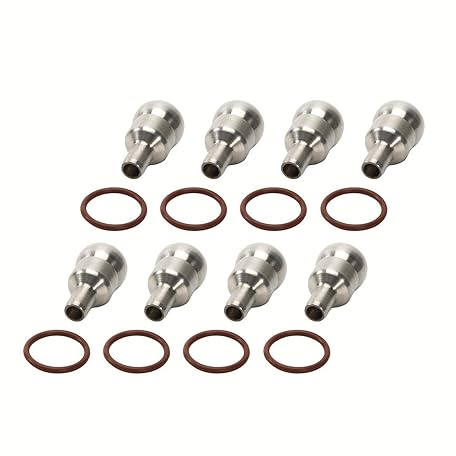
Credit: yvt.co.za
High-pressure Oil System Faults
The high-pressure oil system (HPOP) in the 6.0 Powerstroke engine controls the oil pressure needed for fuel injector operation. Problems in this system cause engine performance issues and can lead to starting failures. Diagnosing HPOP faults quickly saves time and prevents costly repairs.
Faults often show as oil leaks, poor engine starts, or rough running. Understanding the symptoms and causes helps pinpoint the exact problem. Below are key areas to check during troubleshooting.
Symptoms Of Hpop Failure
Hard or no-start is the most common symptom. The engine cranks but does not fire, especially when hot. This happens because oil pressure drops due to leaks or pump wear.
Power loss and misfires occur as low oil pressure stops injectors from working properly. The engine may stall or hesitate during acceleration.
Rough idle and surging are signs of erratic oil pressure. RPMs fluctuate and the engine runs unevenly.
The check engine light (CEL) often turns on with HPOP issues. Engine noise may increase if oil pressure is too low, causing poor lubrication.
Causes Of Oil Leaks
Oil leaks often come from the pump housing or fittings. The snap-to-connect (STC) fitting is a frequent failure point on some models. Loose or damaged seals also cause leaks.
Worn pump components allow oil to escape under high pressure. Over time, heat and vibration worsen the leaks. Regular inspection of hoses and fittings is important to catch leaks early.
No-start And Hot Start Problems
No-start issues often occur when the engine is hot. The HPOP may fail to build enough pressure because the oil thins out or leaks internally. This prevents injectors from firing.
Hot start problems signal internal leaks or a weak pump. Cold starts usually work fine, but the engine struggles or fails to start after warming up.
Monitoring oil pressure and injector pressure regulator (IPR) valve activity helps identify these faults. High IPR duty cycles show the PCM is trying to compensate for low oil pressure.
Diagnostic Signs And Clues
Diagnosing issues with the 6.0 Powerstroke engine requires close attention to specific signs and clues. These hints help pinpoint problems quickly. Recognizing these diagnostic signals reduces downtime and repair costs. Understanding how each symptom relates to the engine’s systems leads to faster, more accurate fixes.
Hot Start Failure Indicators
Hot start failure is a common problem with the 6.0 Powerstroke. The engine starts fine when cold but struggles or won’t start once hot. This usually points to internal oil leaks or a weak high-pressure oil pump. Thin oil at high temperatures lowers pressure, causing injector failure. Hard starting or no-start after driving is a clear warning sign. Checking oil pressure during hot start attempts reveals the issue.
Low Icp Pressure Effects
ICP stands for Injection Control Pressure. Low ICP pressure causes poor fuel delivery. This leads to rough running, stalling, and weak acceleration. The engine may surge or hesitate under load. Low ICP also triggers the check engine light. If pressure stays below factory specs, injectors cannot work properly. Monitoring ICP pressure with a scan tool is key to spotting this problem early.
High Ipr Valve Duty Cycle
The IPR valve controls oil pressure for the injectors. A high duty cycle means the valve works harder to maintain pressure. This often happens when the oil pump or ICP pressure is low. The valve stays open longer, increasing wear and heat. A consistently high IPR duty cycle signals a compensation effort for other failures. Tracking the IPR valve duty cycle helps identify hidden issues in the fuel system.

Credit: www.amerikids.com
Egr Valve Complications
The 6.0 Powerstroke engine often faces issues linked to the EGR valve. This valve plays a key role in reducing emissions. It recirculates exhaust gases back into the engine’s intake. Problems with the EGR valve can cause poor engine performance and increased emissions. Understanding these complications helps in identifying and fixing common faults.
Carbon Build-up Impact
Carbon deposits form inside the EGR valve over time. These deposits block the valve passages. Blocked passages reduce the flow of exhaust gases. This causes the engine to run hotter than usual. The build-up also leads to rough idling and poor fuel economy. Regular cleaning or replacement can prevent severe damage.
Valve Sticking Effects
The EGR valve can stick open or closed due to dirt and carbon. If stuck open, it lets too much exhaust gas into the intake. This lowers engine power and causes stalling. If stuck closed, emissions rise and the engine runs hotter. Valve sticking leads to check engine light warnings and failed emission tests.
Performance And Emission Issues
Faulty EGR valves reduce engine efficiency. Poor combustion causes loss of power and rough running. Emissions increase as harmful gases are not properly recirculated. The vehicle may fail emission inspections. Fixing EGR valve issues restores smooth performance and lowers pollution.
Injector Pressure Regulator Insights
The Injector Pressure Regulator (IPR) plays a vital role in the 6.0 Powerstroke engine’s fuel system. It controls the oil pressure sent to the fuel injectors. Proper oil pressure is essential for accurate fuel delivery and efficient engine performance.
Understanding the IPR helps diagnose common engine problems. Issues with this part often cause rough idling, hard starts, or engine stalling. Knowing its function and symptoms makes troubleshooting easier.
Role In Fuel Injection
The IPR regulates high-pressure oil to the injectors. This oil pressure forces the injectors to open and close at precise times. Proper timing and pressure ensure the engine runs smoothly.
The engine control module (ECM) controls the IPR valve. It adjusts oil pressure based on engine demands. This balance is critical for optimal fuel combustion and performance.
Common Failures
The IPR valve can fail due to wear or contamination. Common signs include rough idle, engine stalling, or hard starts. A faulty IPR can cause poor fuel economy and increased emissions.
Oil leaks or electrical issues often lead to IPR failure. Dirt or debris in the oil can clog the valve. These problems reduce the valve’s ability to regulate pressure properly.
Testing And Replacement Tips
Testing the IPR involves checking valve resistance and operation. Use a multimeter to measure resistance across the valve terminals. Compare readings to factory specifications for accuracy.
Also, monitor injector control pressure during engine cranking. Abnormal pressure indicates a faulty IPR valve. Replacing the valve requires careful removal and installation to avoid damage.
Always clean the surrounding area before replacement. Use OEM parts for best results and long-term reliability.
Fuel System Troubleshooting
The fuel system is vital for the 6.0 Powerstroke engine’s performance. Problems here can cause rough running, stalling, or no-start conditions. Diagnosing fuel system issues early protects the engine and avoids costly repairs.
Checking fuel pressure, filters, and injectors is key. Fuel delivery must be steady and clean. Dirt or leaks can harm engine function.
Low Fuel Pressure Symptoms
Low fuel pressure causes poor engine power. The engine may hesitate or stall under load. Starting can be difficult, and the truck may run rough. You might hear the fuel pump working harder than usual. Fuel filters clogged or failing fuel pumps often cause this.
No-start Condition Causes
A no-start condition often means no fuel is reaching the engine. The fuel pump might be dead or the fuel lines clogged. Faulty fuel injectors can also stop the engine from firing. Check the fuel pressure with a gauge to find the problem fast. Electrical issues with the pump or fuel system sensors may also cause no-start.
Lifter Failures And Smoke
Lifter failures in the fuel system cause uneven fuel delivery. This leads to rough idling and engine noise. Smoke from the exhaust can be black or white, showing fuel or oil problems. Bad lifters affect engine timing and can cause permanent damage if ignored. Watch for unusual sounds and smoke color changes for early signs.
Maintenance Tips To Avoid Failures
Maintaining your 6.0 Powerstroke engine properly reduces the chance of costly breakdowns. Simple care routines keep the engine running smoothly and extend its life. Focus on key maintenance areas to prevent common failures and costly repairs.
Proper Fluids And Filters
Use the correct engine oil and diesel fuel for your 6.0 Powerstroke. Clean oil and fuel filters prevent dirt from damaging engine parts. Change filters regularly to keep fluids clean and flowing. Dirty fluids cause wear and clog fuel injectors, reducing engine performance.
Regular Service Intervals
Stick to the manufacturer’s recommended service schedule. Regular oil changes and inspections catch problems early. Check coolant levels and the condition of belts and hoses. Following service intervals helps avoid engine overheating and component failures.
Avoiding Hot Tune Damage
Hot tuning increases engine power but can cause damage if not done carefully. Avoid aggressive tuning that pushes the engine beyond safe limits. Excessive heat stresses the high-pressure oil system and injectors. Use mild tunes and monitor engine temperature to protect your Powerstroke.
Credit: www.suncentauto.com
Frequently Asked Questions
What Are Common Problems With The 6.0 Powerstroke?
Common 6. 0 Powerstroke problems include EGR cooler failure, oil cooler leaks, injector issues, head gasket failure, and high-pressure oil system faults. These cause rough idle, stalling, overheating, and hard starting, especially during hot restarts. Regular maintenance helps reduce these issues.
What Are The Symptoms Of A Failing Hpop 6.0 Powerstroke?
Symptoms of a failing HPOP 6. 0 Powerstroke include hard or no-start, especially hot starts, engine surging, misfires, rough idle, oil leaks, and the check engine light. Power loss and increased engine noise due to low oil pressure are also common signs.
What Are The Symptoms Of A Clogged Egr Valve On A 6.0 Powerstroke?
Symptoms of a clogged EGR valve on a 6. 0 Powerstroke include rough idle, engine hesitation, reduced power, increased smoke, and a check engine light.
What Are The Symptoms Of A Failing Ipr Valve On A 6.0 Powerstroke?
Symptoms of a failing IPR valve on a 6. 0 Powerstroke include rough idle, engine stalling, hard or no-start conditions, and check engine light illumination. You may also notice poor acceleration, surging, and hot start failures due to improper fuel pressure regulation.
What Are Common Symptoms Of 6.0 Powerstroke Hpop Failure?
Hard or no-start issues, especially on hot restarts, often signal HPOP failure. Power loss, misfires, rough idle, and oil leaks are also common signs. The check engine light may illuminate when oil pressure drops.
Conclusion
Troubleshooting your 6. 0 Powerstroke can save time and money. Watch for common signs like hard starting, oil leaks, and rough idling. Regular checks help spot issues early and keep the engine running well. Fixing small problems prevents bigger damage later.
Staying informed about your truck’s needs makes repairs easier. Keep your Powerstroke healthy and enjoy reliable performance every drive.