If you own a 7.3 Powerstroke, you know how powerful and reliable this engine can be—until something goes wrong. When your truck starts showing signs like hard starting, rough idling, or sudden stalling, it can be frustrating and stressful.
You want answers fast, and you want to fix the problem before it gets worse. That’s where 7. 3 Powerstroke troubleshooting comes in. By understanding the most common issues and how to spot them, you can save time, money, and headaches.
In this guide, you’ll learn how to identify key symptoms, what causes them, and the simple fixes that will get your engine running smoothly again. Keep reading—you’re about to take control of your Powerstroke’s health like a pro.
Common Powerstroke Issues
The 7.3 Powerstroke engine is known for its durability, but it faces some common issues. Understanding these problems helps in timely repairs and maintenance. This section covers frequent troubles drivers experience with the 7.3 Powerstroke.
Starting Problems
Starting issues are common in older 7.3 Powerstroke engines. The engine may crank slowly or fail to start at all. Faulty glow plugs or a bad glow plug relay often cause this problem. Low battery voltage can also prevent the engine from firing up. Checking these parts first can save time and money.
Rough Idle And Misfires
A rough idle or misfires can make your truck shake or run unevenly. This usually happens when injectors are clogged or worn out. The under valve cover harness (UVCH) can also cause misfires if the connectors are loose or damaged. Replacing faulty parts restores smooth engine operation.
Power Loss And Stalling
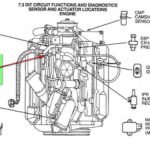
Power loss and sudden stalling are serious issues with the 7.3 Powerstroke. Problems with the injection pressure regulator (IPR) valve often cause these symptoms. A failing camshaft position sensor (CPS) can lead to engine stalls or random shutdowns. Regular inspections help catch these faults early.
Fuel Efficiency Drops
Fuel efficiency may drop due to injector wear or a dirty fuel tank pickup screen. Contaminated fuel or oil can damage injectors and reduce mileage. Proper maintenance, including regular oil changes and cleaning, keeps fuel consumption optimal. Fixing fuel system parts improves overall engine performance.
Key Sensor Failures
Sensors play a vital role in the 7.3 Powerstroke engine’s performance. They monitor key engine functions and send signals to the computer. When these sensors fail, problems arise. The engine may stall, lose power, or fail to start. Detecting sensor failures early helps avoid costly repairs and downtime.
Below are common sensor failures and their warning signs. Understanding these signs can guide troubleshooting and repairs.
Camshaft Position Sensor (cps) Signs
The CPS tracks the camshaft’s position and speed. A failing CPS causes rough idling and engine stalling. The engine may refuse to start or die suddenly. A dead tachometer is a key clue. Fault codes related to crankshaft and camshaft correlation often appear. Replacing the CPS usually fixes these issues quickly.
Injector Pressure Regulator (ipr) Valve Issues
The IPR valve controls fuel injection pressure. Faulty IPR valves cause hard starts, especially when cold or hot. The engine may idle roughly or surge unexpectedly. Power loss and hesitation under load are common signs. Oil contamination or wear can impair IPR valve function. Cleaning or replacing the valve restores proper pressure control.
Injector Driver Module (idm) Faults
The IDM controls injector pulses for fuel delivery. IDM faults trigger rough running and misfires. Cylinder loss and poor acceleration may occur. Faulty wiring or overheating can damage the IDM. Symptoms often worsen gradually. Replacing the IDM or repairing wiring usually resolves these faults.
Intake Control Pressure (icp) Sensor Clues
The ICP sensor measures oil pressure in the high-pressure oil system. Low or erratic ICP readings cause engine performance problems. Symptoms include hard starting, rough idle, and stalling. Oil leaks or sensor failure can cause inaccurate readings. Testing the sensor and oil system helps pinpoint the cause. Sensor replacement often solves these issues.
Electrical Connector Problems
Electrical connector problems are common in the 7.3 Powerstroke engine. These issues can cause rough running, misfires, and even engine stalling. The connectors carry vital signals and power to different engine parts. Over time, heat, vibration, and oil leaks can damage these connectors. Diagnosing electrical problems early helps avoid costly repairs and downtime.
Under Valve Cover Harness (uvch) Wear
The UVCH is a key wiring harness located under the valve cover. It connects injectors and sensors to the engine control unit. Constant engine heat and vibration cause the UVCH wires to wear out or break. Loose or damaged UVCH connectors lead to misfires and cylinder loss. Inspect the harness regularly and replace it if wires show damage.
Glow Plug And Relay Failures
Glow plugs help start the engine in cold weather. Their electrical connectors and relays can fail due to corrosion or heat damage. Faulty glow plugs cause hard starting and rough idle. Check the glow plug connectors for corrosion and test the relays with a multimeter. Replace any defective parts to restore proper starting.
Oil Contamination Effects
Oil leaks can contaminate electrical connectors, causing poor connections. Dirt mixed with oil creates grime that blocks electrical signals. This contamination leads to erratic engine behavior and sensor failures. Clean connectors carefully and inspect seals to prevent oil leaks. Keeping connectors dry and clean improves engine reliability.

Credit: www.jelibuiltperformance.com
Diagnosing Powerstroke Faults
Diagnosing faults in the 7.3 Powerstroke engine requires careful attention to key components. Identifying the root cause helps prevent costly repairs. Proper diagnosis ensures the engine runs smoothly and efficiently.
Start by examining the fuel injectors, electrical connectors, sensors, and modules. Simple tests often reveal hidden problems. These checks save time and money by pinpointing issues early.
Checking Injector Resistance
Use a multimeter to measure injector resistance. Compare the reading with manufacturer specifications. A high or low resistance indicates injector problems. Faulty injectors cause rough running and power loss. Replace any injector that falls outside the normal range.
Inspecting Electrical Connectors
Look for loose or corroded connectors under the valve cover. Vibration often loosens these connections. Clean dirty connectors with electrical contact cleaner. Secure any loose connections firmly. Damaged wires or connectors can cause misfires or no-start conditions.
Testing Sensors And Modules
Check sensors like the camshaft position sensor (CPS) and injection pressure regulator (IPR). Use an OBD-II scanner to read sensor data and error codes. Faulty sensors cause stalling, rough idle, and poor performance. Replace defective sensors or modules promptly.
Quick Unplug And Oil Leak Tests
Disconnect specific components to isolate faults quickly. For example, unplug injectors one at a time to find a bad cylinder. Inspect for oil leaks around injectors and the valve cover. Oil contamination damages electrical parts and causes engine issues. Fix leaks to maintain proper engine function.
Common Causes Behind Failures
Failures in the 7.3 Powerstroke engine often stem from a few common causes. Understanding these causes helps in troubleshooting and preventing costly repairs. This section breaks down the main reasons why these engines fail. Each factor affects engine health differently but plays a critical role in overall performance.
Engine Vibration Impact
Engine vibration is a natural part of diesel operation. Over time, constant shaking can loosen electrical connectors and stress wiring. Loose connections lead to misfires and rough running. Vibration also accelerates wear on engine mounts and other components. Addressing vibration issues early reduces long-term damage.
Heat And Temperature Stress
High temperatures cause plastic parts and wiring to degrade. Heat cycles expand and contract materials, creating cracks and weak points. Overheated engines can suffer from warped components and reduced oil effectiveness. Cooling system maintenance is essential to manage heat stress and protect the engine.
Oil Contamination Issues
Dirty oil harms the engine by carrying dirt and debris to sensitive parts. Contaminants damage the Injection Pressure Regulator (IPR) valve and injectors. This damage reduces fuel pressure control and engine power. Regular oil changes with quality filters help prevent contamination problems.
Wear From High Mileage
High mileage leads to natural wear and tear on engine parts. Injectors often fail after extended use, especially with long oil change intervals. Wiring and connectors also degrade with age and use. Regular inspections and timely replacements extend engine life and maintain reliability.
Effective Repair Solutions
Effective repair solutions for the 7.3 Powerstroke focus on fixing core issues quickly and reliably. Addressing sensor faults, wiring problems, and maintenance needs can restore engine performance. These steps reduce downtime and prevent recurring failures. Proper repairs also extend engine life and improve fuel efficiency.
Upgrading Sensors And Modules
Old or faulty sensors cause engine misfires and poor fuel delivery. Upgrading to newer sensors improves signal accuracy. Modern modules provide better control over fuel injection and timing. This upgrade helps the engine run smoother and reduces error codes. Ensure compatibility with your engine model before installing.
Replacing Connectors And Harnesses
Worn connectors and damaged harnesses cause electrical shorts and weak signals. Replacing these parts restores reliable communication between engine components. Focus on the Under Valve Cover Harness, a common failure point. Use proper tools to avoid damaging delicate wires during replacement. Secure connectors firmly to prevent loosening from vibration.
Cleaning And Maintenance Tips
Regular cleaning prevents dirt buildup on sensors and electrical parts. Clean connectors with electrical contact cleaner to improve conductivity. Inspect fuel injectors and the injection pressure regulator for debris. Change engine oil and filters on schedule to avoid contamination. Keep the radiator and intercooler clean to maintain cooling efficiency.
Using Oem Quality Parts
OEM parts match the original specifications and fit perfectly. Using OEM ensures durability and optimal engine performance. Avoid cheap aftermarket parts that may fail early or cause damage. OEM parts often come with warranties and better support. Investing in quality parts saves money on future repairs.
Preventative Maintenance Tips
Preventative maintenance is essential for keeping your 7.3 Powerstroke running smoothly. Small, regular tasks can stop big problems. This approach saves money and extends engine life. Focus on key areas that wear out or get dirty quickly. Check them often to catch issues early. Here are some important maintenance tips.
Regular Oil Changes
Change the oil every 5,000 miles or as recommended. Use high-quality diesel engine oil for best protection. Old oil loses its ability to lubricate engine parts. Dirty oil causes wear and may lead to engine damage. Always replace the oil filter during an oil change. Clean oil keeps the engine cool and running well.
Radiator And Intercooler Cleaning
Keep the radiator and intercooler free from dirt and debris. These parts cool the engine and turbocharger air. Blockages cause overheating and lower engine efficiency. Use compressed air or water to clean fins gently. Check for leaks or damage during cleaning. Proper cooling prevents costly repairs and boosts performance.
Routine Electrical Checks
Inspect wiring and connectors regularly for signs of wear or corrosion. The 7.3 Powerstroke has sensitive electrical parts that affect starting and running. Loose or damaged wires cause misfires and poor engine response. Clean terminals and secure connections to avoid issues. Pay special attention to the glow plugs and injectors wiring.
Monitoring Sensor Conditions
Sensors control fuel delivery and engine timing. Faulty sensors cause rough running and loss of power. Check sensors like the Camshaft Position Sensor and Injection Pressure Regulator often. Use a scanner tool to read error codes. Replace sensors showing signs of failure promptly. Good sensors keep your engine running smoothly and efficiently.
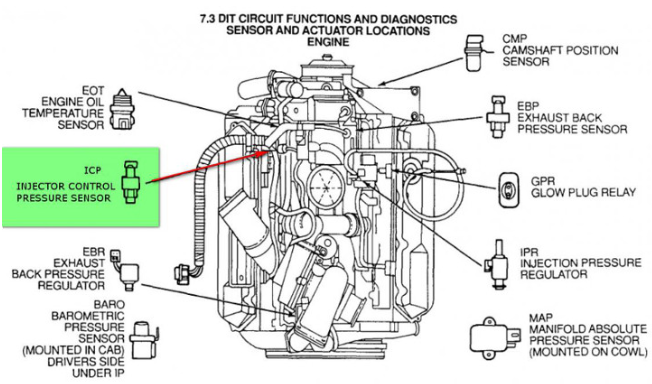
Credit: www.ford-trucks.com

Credit: www.youtube.com
Frequently Asked Questions
What Is The Most Common Problem With The 7.3 Powerstroke?
The most common problem with the 7. 3 Powerstroke is failure of the camshaft position sensor (CPS). It causes stalling, no-starts, and rough running. Other issues include injector pressure regulator valve and under valve cover harness failures. Regular maintenance helps prevent these problems.
How To Tell If 7.3 Icp Is Bad?
Signs of a bad 7. 3 ICP sensor include oil inside the connector, rough idle, stalling, hard starts, and power loss. Unplug the sensor; if the engine starts or changes performance, the ICP likely fails.
What Is The Most Common Reason 7.3 Won’t Start?
The most common reason a 7. 3 won’t start is a faulty Camshaft Position Sensor (CPS). It causes no-start, stalling, and dead tachometer issues.
What Year Is 7.3 To Stay Away From?
The 7. 3 Powerstroke model year to avoid is 1999. It often has injector and sensor issues causing poor performance.
What Causes Hard Starting In A 7.3 Powerstroke Engine?
Hard starting often results from a failing Injection Pressure Regulator (IPR) valve. Dirt or oil contamination inside the IPR can block fuel flow. Glow plug issues also make cold starts difficult.
Conclusion
Troubleshooting a 7. 3 Powerstroke can feel tough but is doable. Knowing common symptoms helps spot issues early. Check sensors, injectors, and wiring regularly for problems. Clean and replace parts when needed to keep performance steady. Simple maintenance boosts engine life and saves money.
Stay patient and methodical during diagnosis and repair. This approach keeps your Powerstroke running strong and reliable.