Is your ABS warning light suddenly glowing on your dashboard? Maybe you’ve noticed your brakes feel a bit off, or your cruise control just won’t engage like it used to.
These signs often point to a common culprit: the ABS wheel speed sensor. But how do you know for sure if this sensor is causing trouble? And more importantly, how can you fix it without unnecessary costs or headaches? In this guide, you’ll learn straightforward and practical steps to troubleshoot your ABS sensor.
From spotting clear warning signs to using simple tools like an OBD-II scanner or a multimeter, you’ll discover how to pinpoint the exact issue. Whether you’re a DIY enthusiast or just want to understand what your mechanic is talking about, this article will empower you to take control of your vehicle’s safety system. Keep reading, and you’ll unlock easy-to-follow methods that save you time, money, and stress—getting you back on the road with confidence.
Abs Sensor Warning Signs
The ABS sensor plays a key role in your vehicle’s safety system. It monitors wheel speed and helps prevent skidding during braking. Detecting warning signs early can save you from costly repairs and keep you safe on the road. Watch for clear signals that your ABS sensor might be failing.
Dashboard Lights
One of the first signs is the ABS warning light on the dashboard. This light may appear alone or with the traction control light. It means the system has detected a fault in the ABS sensor. Ignoring these lights can lead to reduced braking control.
Braking Problems
The brakes might behave oddly if the ABS sensor is faulty. You could feel the brake pedal pulsate or vibrate during normal stops. Sometimes, the brakes lock up unexpectedly, making it hard to control the car. These are clear signs that the sensor needs attention.
Speedometer And Cruise Control Issues
A bad ABS sensor can cause the speedometer to show wrong speeds. This happens because the sensor data affects the vehicle’s speed readings. Cruise control may also fail to engage or work properly due to sensor errors. These problems signal the need for sensor troubleshooting.
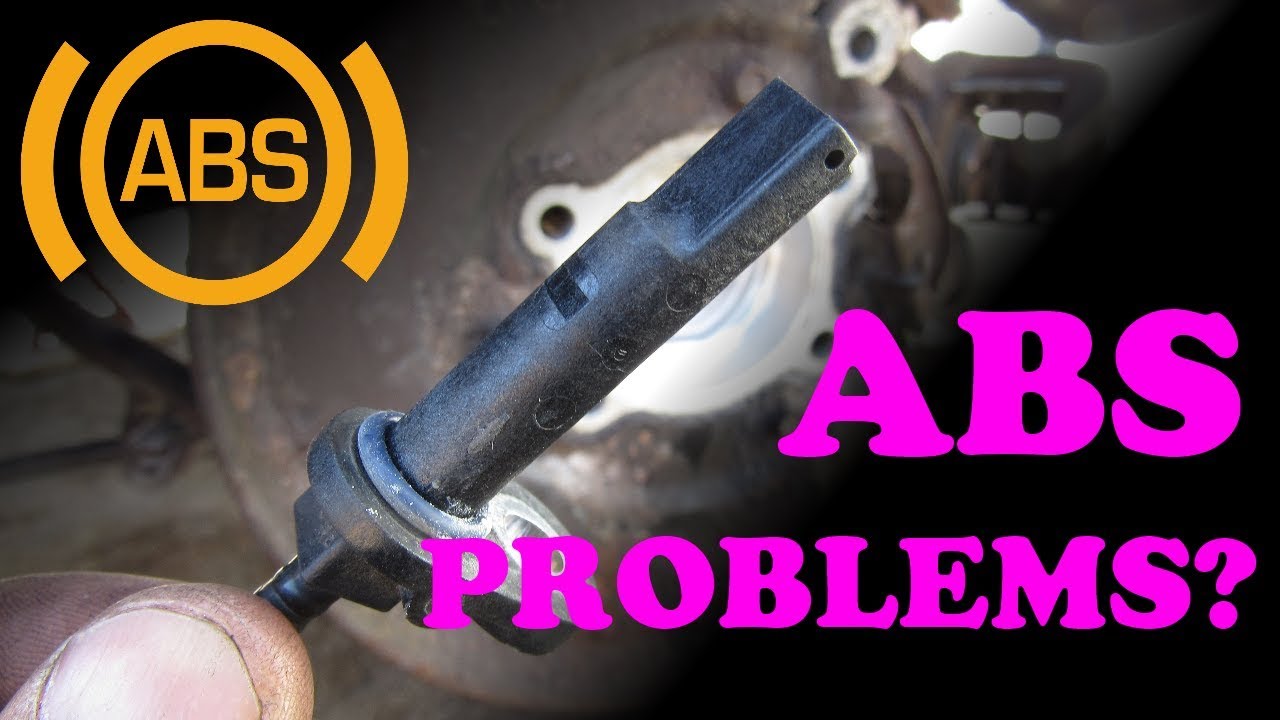
Credit: www.youtube.com
Basic Diagnostic Steps
Basic diagnostic steps help identify problems with ABS sensors quickly. These steps focus on reading error codes, checking sensor signals, and testing the sensor physically. Following this process saves time and avoids unnecessary part replacements. Understanding each step ensures a clear view of the sensor’s condition.
Reading Trouble Codes
Start by connecting an OBD-II scanner to the vehicle’s port. This device reads trouble codes stored in the ABS system. Codes often point to the exact wheel or sensor causing issues. Write down the codes and look them up in the scanner’s manual or online. This step narrows down the problem area for targeted testing.
Monitoring Live Sensor Data
Use the scanner to view real-time sensor data while driving slowly. Each wheel sensor should show speed readings that change as the wheels turn. A faulty sensor often shows a zero or erratic value compared to others. This live data helps confirm which sensor is not working correctly before physical testing.
Wheel Spin And Multimeter Test
Raise the vehicle and safely support it on jack stands. Disconnect the suspect sensor’s connector and set a multimeter to measure resistance or AC voltage. Spin the wheel by hand and watch the multimeter. A good sensor produces a steady voltage or consistent resistance. No reading or fluctuating values mean the sensor needs replacement.
Advanced Testing Techniques
Advanced testing techniques help find hidden ABS sensor issues. These methods go beyond basic scans. They reveal wiring or sensor faults that simple checks miss.
Using hands-on tests and sensor swaps saves time. It also avoids unnecessary part replacements. These techniques need some tools but give clear results.
Sensor Swapping Method
Swap the suspected ABS sensor with one from another wheel. This helps confirm if the sensor or wiring causes the problem.
Clear trouble codes first. Then drive to see if the warning light moves to the swapped sensor’s wheel. If yes, the sensor is bad.
If the light stays on the original wheel, check wiring or the control module. Sensor swapping isolates the faulty part quickly.
Inspecting Wiring And Connectors
Look closely at wiring for cuts, corrosion, or loose connectors. Damaged wires cause poor signals or no signal at all.
Use a multimeter to check for continuity along the sensor wires. No continuity means a break or short circuit.
Clean connectors with electrical contact cleaner. Dirt or rust can block signals and cause false errors.
Check connector pins for bent or pushed-back terminals. Secure connections ensure proper sensor function and signal flow.
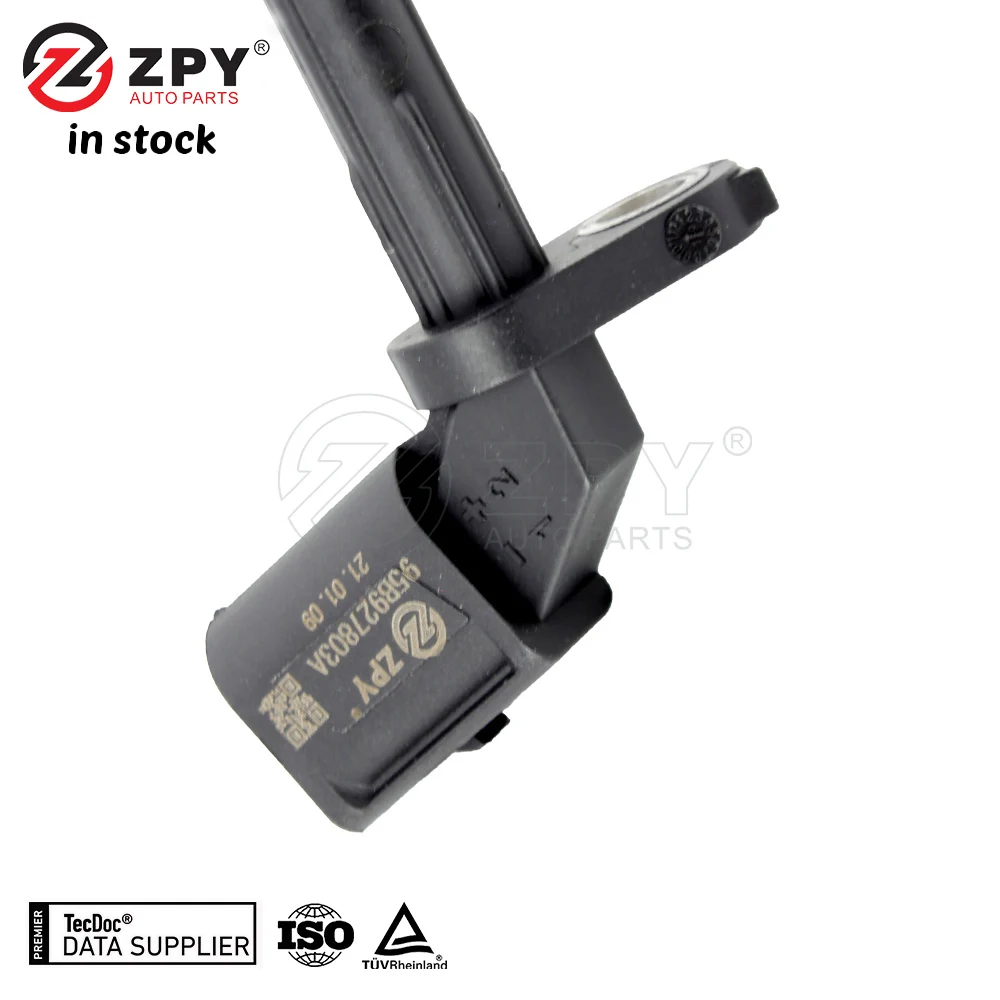
Credit: rasytojai.lt
Common Sensor Fault Causes
ABS sensors are vital for safe braking. Faults in these sensors can cause warning lights and brake problems. Understanding common causes helps in quick troubleshooting. This section covers typical reasons why ABS sensors fail.
Physical Damage
Physical damage is a frequent cause of sensor faults. Dirt, debris, or road salt can harm the sensor. Impact from accidents or hitting curbs can break or misalign the sensor. Worn or frayed wiring from rubbing against parts also leads to failure. Inspect sensors regularly for cracks or loose parts.
Electrical Failures
Electrical issues often cause ABS sensor errors. Corroded connectors reduce signal quality. Broken wires interrupt the sensor’s connection to the control module. Moisture can cause short circuits inside the sensor or wiring. Faulty grounding also leads to incorrect readings. Use a multimeter to test wiring continuity and resistance.
Control Module Problems
Sometimes the ABS control module causes sensor faults. A damaged or malfunctioning module may misread sensor signals. Software glitches can trigger false warnings. Loose or corroded module connectors disrupt communication. Resetting or reprogramming the module may solve the issue. Professional diagnostics often identify control module faults.
Quick Fixes And Repairs
Quick fixes and repairs can save time and money when dealing with ABS sensor issues. Many problems start with dirt, wiring, or sensor damage. Simple steps help restore ABS function and improve safety. This section covers practical solutions to common ABS sensor faults.
Cleaning And Replacing Sensors
Dirt and debris often cause ABS sensor errors. Clean the sensor and the tone ring with a soft brush and brake cleaner. Avoid harsh chemicals that may damage components. If cleaning does not fix the issue, replacing the sensor is the next step. Sensors are affordable and easy to install. Always match the new sensor to your vehicle model for best results.
Repairing Wiring Issues
Wiring problems can disrupt signals from the ABS sensor. Check the sensor connector for corrosion or loose pins. Repair damaged wires by cutting out bad sections and using proper connectors. Use electrical tape or heat shrink tubing to protect repairs. Test the wiring with a multimeter to confirm continuity. Good wiring ensures reliable sensor readings.
When To Replace The Abs Module
The ABS module controls the system but rarely fails. Persistent ABS warning lights after sensor and wiring repairs may signal module issues. Replacement is costly and should be a last resort. Confirm module failure through diagnostic tests or a professional scan. Replace the module only if other fixes do not restore proper ABS function.

Credit: www.youtube.com
Preventive Maintenance Tips
Preventive maintenance plays a key role in keeping your ABS sensor working properly. Regular care helps avoid sensor failures and costly repairs. Simple habits can extend the sensor’s life and improve vehicle safety. Follow these easy tips to maintain the ABS sensor effectively.
Regular Sensor Inspections
Check the ABS sensor at least twice a year. Look for dirt, damage, or loose parts around the sensor area. Inspect the wiring harness for cracks or wear. Early detection of problems prevents sensor failure. Use a flashlight to see hard-to-reach spots clearly.
Keeping Connectors Dry And Clean
Moisture and dirt cause connector corrosion and poor sensor signals. Clean connectors gently with a soft brush or cloth. Avoid harsh chemicals that may damage the plastic parts. Apply dielectric grease to keep moisture out. Ensure connectors fit tightly to block water and dust.
Timely Software Updates
Car manufacturers release updates for ABS system software. These updates fix bugs and improve sensor performance. Visit your dealer or use a trusted diagnostic tool to check for updates. Keep your car’s software current to avoid sensor errors. Timely updates help maintain smooth braking and control.
Frequently Asked Questions
How To Check If An Abs Sensor Is Faulty?
Check for ABS or traction control warning lights on the dashboard. Use an OBD-II scanner to read ABS codes. Test sensor resistance or AC voltage with a multimeter while spinning the wheel. Faulty sensors show zero or erratic readings. Notice pulsating brakes or longer stopping distances.
What Happens When An Abs Sensor Goes Bad?
A bad ABS sensor triggers ABS warning lights and causes brake pulsation or locking. It may also affect speedometer, traction control, and cruise control. The vehicle’s ABS system can malfunction, reducing braking safety and stability. Prompt sensor testing and replacement restore proper brake function.
How To Reset Abs Sensor?
To reset an ABS sensor, clear fault codes using an OBD-II scanner after repairing or replacing the sensor. Then, turn off the ignition and restart the vehicle to reset the ABS system.
What Is One Of The First Steps To Perform When Diagnosing The Abs?
One of the first steps in diagnosing ABS is to scan for Diagnostic Trouble Codes (DTCs) using an OBD-II scanner. This identifies specific sensor faults quickly.
What Are Common Signs Of A Bad Abs Sensor?
Warning lights like ABS or Traction Control may turn on. Brakes might feel weak or pedal pulsates. Speedometer or cruise control can act strangely.
Conclusion
ABS sensor problems affect your vehicle’s safety and performance. Watch for warning lights and unusual brake behavior. Use simple tools like an OBD-II scanner or multimeter to find faults. Testing each wheel sensor helps identify the exact issue. Always check wiring and connectors for damage.
Fixing or replacing a bad sensor restores proper ABS function. Regular checks keep your brakes reliable and your drives safe. Don’t ignore signs of trouble; early action prevents costly repairs. Stay alert and maintain your ABS system well.