Is your air conditioner struggling to keep your home cool? Before you call for expensive repairs, it’s crucial to understand one of the most common culprits behind AC problems: the capacitor.
If your unit won’t start, blows warm air, or makes strange buzzing noises, your AC capacitor might be the issue. But how do you know for sure? In this guide to AC capacitor troubleshooting, you’ll learn how to spot the warning signs, what physical damage to look for, and when it’s time to call in a professional.
By knowing what to watch for, you can save time, avoid costly repairs, and get your cooling system back on track fast. Keep reading to take control of your AC’s health today!
Signs Of A Bad Capacitor
Recognizing the signs of a bad AC capacitor helps prevent costly repairs. The capacitor supplies the initial boost of energy to the compressor and fan motor. When it fails, the air conditioner struggles to start or run efficiently. Watch for these common symptoms that indicate a capacitor problem.
Ac Won’t Start
The air conditioner does not turn on even when the thermostat is set low. No sounds or movement come from the outdoor unit. This often means the capacitor cannot send the power needed to start the compressor or fan.
Warm Air From Vents
The system runs but only blows warm air inside the house. The compressor may not be working properly due to a weak or failed capacitor. This prevents cooling and causes discomfort indoors.
Humming Or Buzzing Noise
You may hear a humming or buzzing sound near the outdoor unit. This noise comes from the motor trying to start without enough power. A bad capacitor can cause this constant struggle sound.
Random Shutoffs
The AC turns off unexpectedly during operation. The faulty capacitor causes the compressor or fan to stop suddenly. This interrupts cooling and can damage other parts of the system.
Burning Smell
A burning smell near the outdoor unit signals electrical problems. The capacitor may be overheating or leaking. This smell is a warning to check the unit immediately for safety.
Rising Energy Bills
Your electric bill rises without using more cooling. A bad capacitor makes the AC work harder and longer. This inefficiency wastes energy and increases costs.
Delayed System Start
The air conditioner takes longer than usual to start after being turned on. The capacitor struggles to provide the initial boost. This delay shows the capacitor is weakening and may fail soon.

Credit: www.youtube.com
Visible Damage On Capacitors
Visible damage on capacitors is a clear sign of trouble in your AC unit. Checking the capacitor for physical issues helps identify problems early. Spotting damage can prevent further harm and costly repairs.
Bulging Or Swelling
Bulging or swelling on a capacitor’s surface shows it is failing. The top may look rounded or raised instead of flat. This happens due to internal pressure from heat or electrical stress. A swollen capacitor can cause the AC to stop working or run poorly.
Look closely at the capacitor in the outdoor unit. Any bulge means it needs replacement. Continuing to use a swollen capacitor risks damaging other parts of the system.
Fluid Leaks
Fluid leaks from a capacitor are a serious warning sign. The leaking fluid is often oily or sticky and may pool around the base. This leak means the capacitor’s internal seal has broken.
Leaking capacitors lose their ability to store and release electrical charge. This results in the AC unit failing to start or running inefficiently. Replace any capacitor showing fluid leaks immediately to avoid bigger problems.
Testing Ac Capacitors
Testing AC capacitors is a key step in troubleshooting air conditioning problems. Capacitors store electrical energy that helps start and run the compressor and fan motors. A faulty capacitor can cause the AC unit to fail or run poorly. Testing the capacitor ensures it works correctly and keeps your AC system running smoothly.
Using A Multimeter
A multimeter is the main tool for testing AC capacitors. First, turn off the power to the AC unit to avoid shock. Remove the capacitor from the system carefully. Set the multimeter to the capacitance setting if it has one. Connect the meter leads to the capacitor terminals. The reading should match the capacitor’s rated microfarad value. A much lower or no reading means the capacitor is bad and needs replacement.
Safety Precautions
Always disconnect power before testing capacitors. Capacitors can hold a charge even when the power is off. Use a screwdriver with an insulated handle to discharge the capacitor by touching both terminals. Wear safety glasses and gloves to protect against electrical shock. Never touch capacitor terminals directly. Follow all safety rules to avoid injury.
When To Call A Professional
Testing capacitors may seem simple but can be dangerous. If you feel unsure or uncomfortable, call a trained HVAC technician. Professionals have the right tools and experience to test and replace capacitors safely. They can also check other parts of your AC system to find hidden issues. Calling a professional saves time and prevents accidents.

Credit: foxrvtravel.com
Quick Fixes For Capacitor Issues
Capacitor issues in an air conditioner can often stop the system from working properly. Quick fixes can help get your AC back to normal without waiting for a professional. These simple steps can save time and money. Understanding how to handle capacitor problems fast is useful for every homeowner.
Resetting The Capacitor
Sometimes, a capacitor may just need a reset. Turn off the power to the AC unit first. Find the capacitor, usually a small cylindrical or oval part. Use a screwdriver with an insulated handle to short the terminals carefully. This releases stored electricity and may restore function. After resetting, turn the power back on and test the AC.
Replacing A Faulty Capacitor
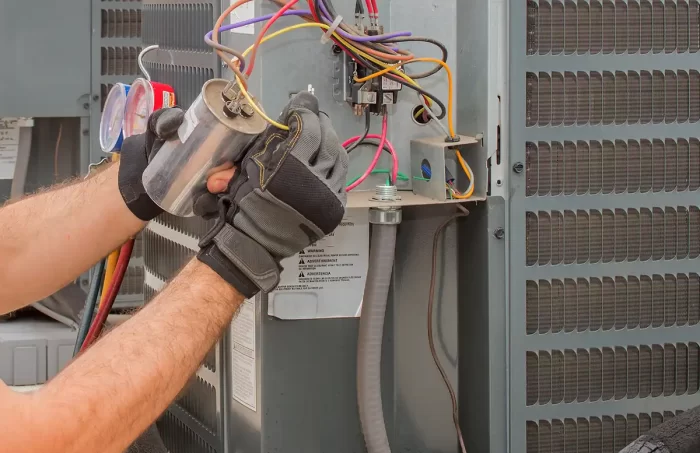
If resetting does not work, the capacitor might be faulty. Always switch off the power before touching any parts. Remove the old capacitor by disconnecting its wires. Take note of their positions to avoid errors. Buy a new capacitor with the same specifications. Connect the wires to the new capacitor in the correct order. Secure the capacitor in place and turn the power on to check.
Temporary Workarounds
In some cases, a temporary fix can help until a replacement arrives. Tapping the capacitor gently may sometimes restart the AC. Avoid using the unit for long with a weak capacitor. Keep the thermostat set at a higher temperature to reduce strain. Running the fan mode without cooling can also prevent damage. These steps are only short-term and not a permanent solution.
Preventing Capacitor Failures
Preventing capacitor failures extends the life of your air conditioner. A failed capacitor can stop the unit from starting or cause it to run inefficiently. Taking steps to avoid failure saves money and avoids discomfort. Proper care keeps your AC running smoothly and reduces costly repairs.
Regular Maintenance Tips
Check the capacitor for any signs of damage or swelling. Clean dirt and debris from the unit to prevent overheating. Tighten electrical connections to avoid loose wires. Schedule yearly inspections with a professional technician. Early detection of problems prevents sudden failures.
Avoiding Electrical Surges
Electrical surges cause stress on capacitors and other components. Use surge protectors designed for HVAC systems. Avoid turning the AC on and off frequently in short periods. Install a whole-house surge protector to protect all appliances. Stable power supply reduces capacitor damage risk.
Proper Installation Practices
Use the correct capacitor size and rating for your AC model. Ensure all connections are secure and properly insulated. Avoid bending or damaging capacitor terminals during installation. Follow manufacturer instructions strictly to prevent mistakes. Professional installation guarantees safe and effective operation.
Credit: reddihvac.com
Frequently Asked Questions
How Do You Know If An Ac Capacitor Is Bad?
A bad AC capacitor causes the unit not to start, blows warm air, or makes buzzing noises. Look for bulging, leaks, burning smells, random shutoffs, or high energy bills. These signs indicate the capacitor fails to power the compressor and fan properly.
What Is The 3 Minute Rule For Ac?
The 3-minute rule for AC means waiting three minutes before restarting the unit to protect the compressor from damage. This prevents electrical overload and extends the system’s lifespan. Always allow this delay to avoid costly repairs and ensure efficient operation.
How To Reset Air Conditioner Capacitor?
Turn off power to the AC unit. Discharge the capacitor using an insulated screwdriver. Remove and replace it if faulty. Restore power and test the system. Always follow safety precautions or hire a professional.
What Is The Most Common Capacitor Failure?
The most common capacitor failure is bulging or swelling due to internal electrolyte breakdown. This causes the AC to fail starting, overheat, or produce buzzing sounds. Leaks and increased energy use often accompany this failure, indicating the capacitor can no longer provide proper motor startup support.
What Are Common Signs Of A Bad Ac Capacitor?
A bad AC capacitor may cause the unit not to start or blow warm air. You might hear buzzing noises or smell burning from the outdoor unit. Visible bulging or leaking on the capacitor is also a clear sign.
Conclusion
Troubleshooting an AC capacitor helps keep your air conditioner running smoothly. Watch for signs like humming sounds or warm air output. Testing the capacitor with simple tools can save time and money. Replacing a faulty capacitor restores your system’s performance quickly.
Regular checks prevent unexpected breakdowns during hot days. Understanding these basics makes maintenance easier for any homeowner. Stay alert to small problems before they grow bigger. Keep your AC cool and efficient all season long.