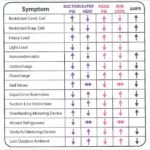
Is your AC blowing warm air when it should be cool? Do you hear strange noises like grinding or rattling coming from your air conditioner?
These are common signs that your AC compressor might be acting up. Your compressor is the heart of your air conditioning system, and when it starts to fail, your comfort at home or work can quickly disappear. But don’t worry—you don’t have to guess what’s wrong or rush into expensive repairs without knowing the facts.
In this guide to AC compressor troubleshooting, you’ll learn how to spot the warning signs, understand what’s causing the problem, and find out the best steps to take next. Keep reading, and you’ll gain the confidence to handle your AC issues smartly and avoid costly mistakes.
Signs Of A Bad Ac Compressor
Recognizing the signs of a bad AC compressor helps prevent costly repairs. The compressor is vital to your air conditioner’s function. It circulates refrigerant and maintains cool air flow. When it starts failing, your AC system shows clear symptoms. Identifying these early saves time and money. Below are common signs that indicate compressor problems.
Warm Air From Vents
Warm or hot air coming from vents signals compressor trouble. The compressor moves refrigerant to cool the air. If it fails, the air will not be cold. This is the most obvious sign of a bad compressor.
Strange Noises
Listen for grinding, rattling, or screeching sounds near the compressor. These noises often mean internal parts are worn out. The compressor bearings may be failing and need attention.
Compressor Clutch Problems
The compressor clutch should spin with the pulley when the AC runs. If it does not engage or spins unevenly, the compressor may be faulty. Rapid on/off cycling of the clutch is another warning.
Refrigerant Leaks
Look for oily residue or hissing sounds around the compressor. These signs show refrigerant is leaking. A leak reduces cooling efficiency and can damage the compressor further.
Weak Airflow
Low airflow from vents can result from compressor issues. The compressor must maintain pressure for proper air movement. Weak airflow suggests the compressor is struggling to work.
Electrical Issues
Burnt wires, blown fuses, or tripped breakers near the compressor indicate electrical problems. Faulty wiring can cause the compressor to fail or stop running altogether.
System Won’t Start
The AC system not starting at all often points to compressor failure. If the compressor does not power on, the AC cannot cool. This needs immediate professional diagnosis.

Credit: blairsair.com
Common Causes Of Compressor Failure
The compressor is the heart of an air conditioning system. It compresses and circulates refrigerant to cool the air. Compressor failure stops the AC from working properly. Understanding common causes helps in quick diagnosis and repair. Many problems arise from wear, leaks, or electrical issues. Identifying these causes saves time and money.
Worn Bearings And Shafts
Bearings and shafts inside the compressor wear out over time. This wear causes friction, noise, and heat. Loud grinding or rattling sounds often indicate worn parts. Worn bearings reduce compressor efficiency and can lead to full failure. Regular maintenance helps spot this issue early.
Low Refrigerant Levels
Refrigerant is essential for cooling. Low refrigerant levels make the compressor work harder. This extra strain causes overheating and damage. Leaks often cause refrigerant loss. Signs include warm air from vents and frequent cycling of the compressor. Checking refrigerant levels is critical for compressor health.
Electrical Malfunctions
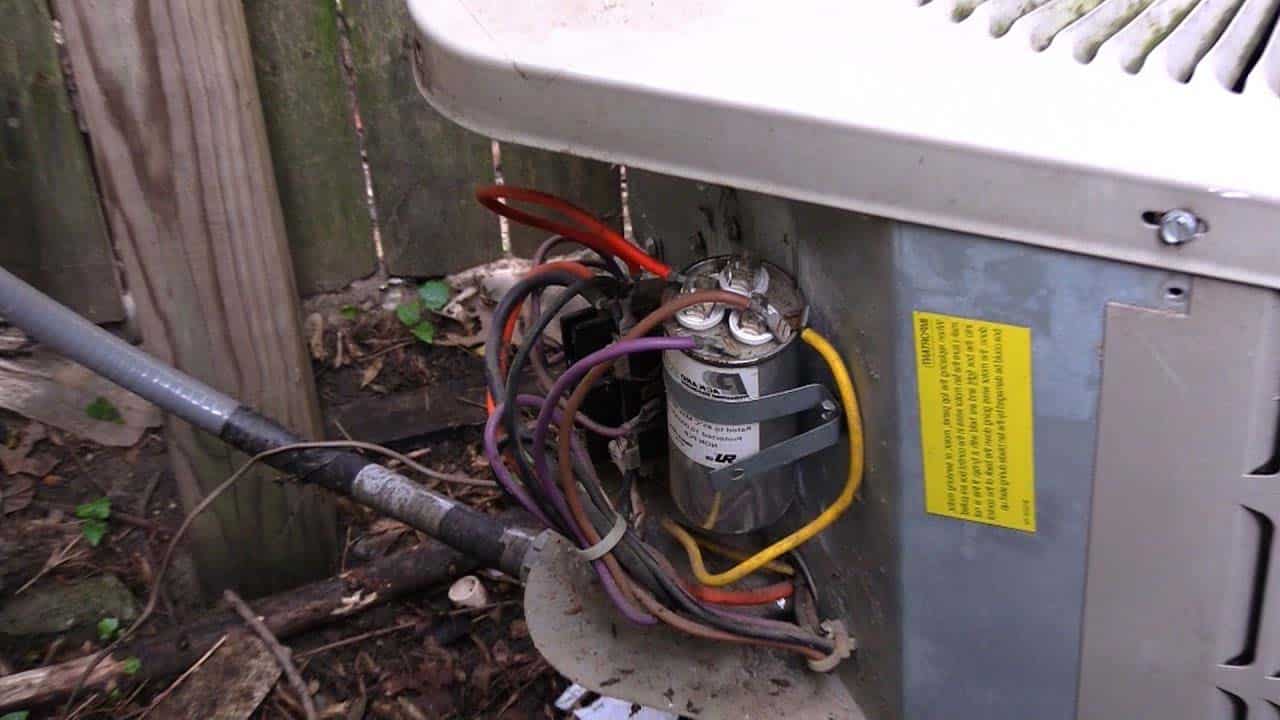
The compressor depends on electrical parts to run. Faulty wiring, blown fuses, or bad capacitors can stop the compressor. Electrical failures cause the compressor clutch to fail or the unit not to start. Testing electrical components helps find these problems quickly. Proper electrical care prevents sudden breakdowns.
Physical Damage And Leaks
Physical damage to the compressor case or components can cause leaks. Leaks let refrigerant escape and let dirt or moisture enter. This contamination damages internal parts and reduces cooling power. Damage may result from impacts or corrosion. Inspecting for dents, oil stains, or puddles helps catch leaks early.
Quick Checks Before Repair
Before starting any repair on your AC compressor, perform quick checks. These checks help identify simple problems fast. They save time and avoid unnecessary repairs. Follow these easy steps to spot common issues early.
Listen For Unusual Sounds
Turn on your AC and listen closely near the compressor. Strange noises like grinding, rattling, or screeching often mean trouble. These sounds may come from worn parts or loose components. Early detection helps prevent bigger damage.
Inspect For Visible Leaks
Look around the compressor for any signs of leaks. Oil stains, wet spots, or puddles indicate refrigerant loss. Leaks reduce cooling efficiency and can harm the system. Catching leaks early can avoid costly repairs later.
Check The Compressor Clutch
The clutch should spin when the AC runs. Watch it carefully. If it does not engage or spins erratically, the clutch or compressor may be faulty. This check helps confirm if the compressor is working properly.
Test Electrical Components
Use a multimeter to test wiring and fuses connected to the compressor. Faulty electrical parts can stop the compressor from running. Checking these parts prevents misdiagnosis and guides correct repairs.
Diy Fixes To Try Today
When your AC compressor acts up, some simple fixes can help. Trying a few DIY steps might save time and money. These quick actions often restore your system’s cool air fast. Always ensure safety first and disconnect power before working on your AC.
Resetting The System
Start by turning off your air conditioner completely. Wait about five minutes to let the system reset. Then, turn it back on and check if the compressor runs. This method clears minor errors and can fix simple glitches.
Replacing The Relay
The relay controls power to the compressor. A faulty relay stops the compressor from starting. Locate the relay on the contactor box near the compressor. Swap the old relay with a new one of the same type. This often solves starting problems.
Cleaning The Compressor Area
Debris and dirt can block airflow and cause overheating. Turn off power to the unit before cleaning. Remove leaves, dust, and grass around the compressor. Use a soft brush or cloth to clean the fins gently. Clear surroundings improve performance and prevent damage.
Recharging Refrigerant
Low refrigerant levels reduce cooling power and strain the compressor. Use a gauge to check refrigerant pressure. Add refrigerant only if levels are low, following manufacturer guidelines. Avoid overcharging, as it can harm the system. Proper refrigerant levels keep your AC cold and efficient.
When To Call A Professional
Knowing when to call a professional for AC compressor issues can save time and money. Some problems require special tools and skills to fix correctly. Trying to repair complex issues without the right knowledge might cause more damage.
Experts have the tools to test and diagnose the root cause of compressor problems. They also ensure safety and proper handling of refrigerants. Recognizing signs that need expert help prevents unnecessary repairs and keeps your AC running smoothly.
Pressure Testing And Leak Detection
Pressure testing helps find leaks in the AC system. Professionals use gauges and specialized equipment to measure pressure accurately. They detect small leaks that are hard to spot by eye. Fixing leaks early stops refrigerant loss and system damage.
Leaks can cause low cooling performance and increase energy use. Professionals safely handle refrigerants during testing and repair. DIY leak detection may lead to refrigerant exposure or incorrect fixes.
Compressor Replacement Needs
A compressor may need replacement if it is noisy or not working. Signs include grinding sounds, failure to engage, or frequent cycling on and off. Professionals check internal parts and electrical connections before deciding.
Replacing a compressor requires skills to handle refrigerants and electrical wiring. Experts ensure the new compressor matches your AC system. Improper replacement can cause further damage or void warranties.
Electrical Diagnosis
Electrical problems often cause compressor failure. Issues like blown fuses, faulty relays, or wiring faults need expert diagnosis. Professionals use tools like multimeters to test electrical components safely.
Incorrect electrical repairs can lead to short circuits or fire hazards. Experts ensure all connections are secure and parts are working correctly. They also check the control system for proper operation.
Avoiding Further Damage
Calling a professional early prevents worsening of AC compressor problems. Ignoring signs or attempting DIY fixes can damage other components. This leads to costly repairs or full system replacement.
Experts provide proper maintenance and repair to extend AC life. They use manufacturer-approved parts and techniques for reliable results. Timely professional help keeps your home cool and comfortable.

Credit: www.youtube.com
Preventive Maintenance Tips
Preventive maintenance keeps your AC compressor running smoothly. Small efforts prevent costly repairs and extend system life.
Regular care improves cooling efficiency and reduces breakdown risks. Follow these tips to maintain your AC compressor well.
Regular System Inspections
Check your AC system often for signs of wear or damage. Look for unusual noises or leaks near the compressor. Early detection helps fix issues before they worsen. Inspect electrical connections for corrosion or loose wires. Clean any debris around the unit to ensure proper airflow.
Keeping Refrigerant Levels Optimal
Maintain the right refrigerant level to avoid compressor strain. Low refrigerant causes the compressor to work harder and overheat. High levels reduce efficiency and may damage components. Use proper gauges to measure refrigerant and refill as needed. Avoid overcharging to keep the system balanced and safe.
Cleaning Air Filters And Coils
Dirty air filters block airflow and stress the compressor. Replace or clean filters every 1 to 3 months. Clean the evaporator and condenser coils regularly to remove dust and dirt. Clean coils improve heat exchange and reduce compressor load. Clear coils help the system cool better and save energy.
Scheduling Professional Tune-ups
Hire a qualified technician for yearly AC tune-ups. Professionals check compressor health and system performance. They clean parts, test refrigerant levels, and spot hidden problems. Routine tune-ups extend compressor life and boost efficiency. Trust experts to keep your AC in top condition.
Credit: alltimeairconditioning.com
Frequently Asked Questions
How Can You Tell If Your Ac Compressor Is Bad?
Signs of a bad AC compressor include loud noises, warm air from vents, compressor clutch not engaging, refrigerant leaks, and frequent cycling. These symptoms indicate compressor failure and require professional inspection and repair.
What Is The 3 Minute Rule For Ac?
The 3-minute rule for AC means waiting three minutes before restarting the compressor. This prevents system damage and protects the compressor motor.
What Is The Most Common Problem With The Ac Compressor?
The most common AC compressor problem is failure to engage or start, often due to electrical issues or worn internal parts. This causes warm air, strange noises, refrigerant leaks, or frequent cycling. Early detection prevents costly damage and ensures efficient cooling.
What Is The $5000 Rule For Ac?
The $5000 rule for AC means replacing an air conditioner if repair costs exceed $5,000, often due to compressor failure. This helps avoid high repair expenses and ensures better efficiency with a new unit.
How Can I Tell If My Ac Compressor Is Bad?
A bad AC compressor often makes loud noises like grinding or rattling. The AC may blow warm air or the compressor clutch might not spin. Look for leaks or frequent on/off cycling as well.
Conclusion
Troubleshooting an AC compressor helps keep your system cool and efficient. Watch for strange noises or weak airflow as early warnings. Check if the compressor clutch spins properly to spot issues fast. Look out for leaks or frequent cycling that may signal problems.
Taking quick action can prevent bigger repairs and save money. Regular checks ensure your AC works well all summer long. Stay alert to these signs for a comfortable home environment.