Is your air conditioner acting up when you need it most? If your AC unit won’t start, makes strange buzzing noises, or blows warm air, the problem might be your contactor.
This small but crucial part controls the power flow to your compressor and fan. When it fails, your whole system can struggle or stop working entirely. In this guide, you’ll learn how to spot the common signs of a bad AC contactor and simple troubleshooting steps you can take.
Understanding these symptoms can save you time and money before calling a professional. Keep reading to take control of your AC troubles and restore cool comfort to your home.

Credit: www.acservicetech.com
Symptoms Of A Bad Ac Contactor
The AC contactor plays a key role in your air conditioning system. It controls the power flow to the compressor and fan. When the contactor fails, your AC unit shows specific symptoms. Recognizing these signs early helps avoid costly repairs and keeps your home cool.
Below are common symptoms that indicate a bad AC contactor. These signs affect sound, cooling, and the contactor’s appearance.
Audible Noises From Outdoor Unit
Strange noises often come from the outdoor unit when the contactor is bad. Buzzing or humming sounds happen if the coil weakens or connections loosen. This noise means the contactor struggles to turn on properly.
Clicking or chattering sounds suggest the contactor contacts are not staying closed. The rapid clicking means the contactor is vibrating or opening and closing too often. These noises warn of electrical issues within the contactor.
Cooling Performance Issues
A bad contactor causes cooling problems in your home. The AC may fail to start or run continuously without stopping. This wastes energy and wears out other parts.
You might notice the air blowing warm instead of cold. The compressor may not receive power, reducing cooling ability. Frequent cycling on and off also signals contactor trouble.
Visible Signs On Contactor
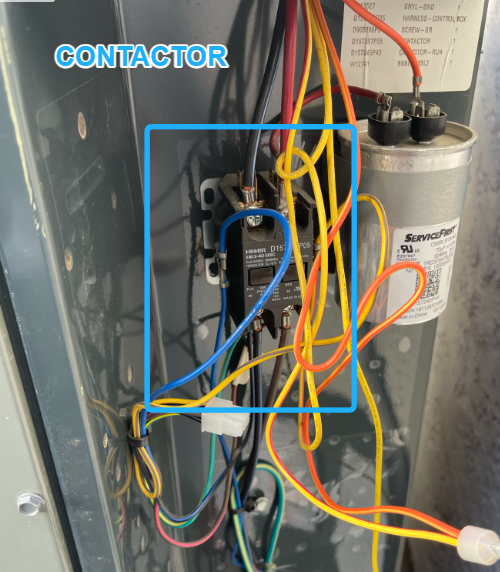
Inspect the contactor for physical damage. Burn marks or pitted contacts show electrical arcing inside the contactor. These signs mean the contactor is failing and needs replacement.
Look for melted plastic or corrosion on the contactor terminals. Dirt and debris buildup can cause poor contact and lead to failure. Regular checks help spot issues before full breakdown.
Common Causes Of Contactor Failure
Contactor failure is a common problem in AC units. It stops the unit from working properly. Knowing the main causes helps fix the issue fast. Problems often come from wear, dirt, or electrical faults. These cause the contactor to break or fail to connect power. Understanding these causes can save time and money on repairs.
Electrical Arcing And Pitting
Electrical arcing happens when the contactor switches power on and off. Tiny sparks jump between contacts. These sparks cause pitting or small holes on the metal surface. Pitting wears down the contact points. It reduces the contactor’s ability to carry electricity. Over time, this can stop the AC from turning on.
Corrosion And Dirt Buildup
Dirt and moisture cause corrosion on contactor parts. Corrosion forms a layer that blocks electrical flow. Dust and grime can stick to contacts and coil areas. This buildup prevents proper connection inside the contactor. When dirty, the contactor may fail to close or open fully. Cleaning and protecting the contactor helps avoid this problem.
Overheating And Coil Wear
The coil in the contactor controls its movement. Overheating can damage the coil’s wire insulation. This damage causes the coil to wear out and lose strength. A weak coil cannot pull the contacts together. High temperatures often result from electrical overload or long AC run times. Checking for coil damage is key in troubleshooting contactor failures.
Quick Contactor Fixes
Quick contactor fixes can help restore your AC unit’s function fast. These simple steps often solve common contactor problems. They prevent bigger issues and save repair costs.
Knowing basic troubleshooting keeps your AC running smoothly. These fixes require minimal tools and no special skills. Follow clear instructions to check and fix your contactor safely.
Manual Reset Procedure
Start by turning off the AC power at the breaker. Locate the contactor inside the outdoor unit. Press the manual reset button if your contactor has one. This button resets the coil and can clear minor faults.
After pressing, restore power and listen for normal sounds. If the contactor clicks and the unit starts, the reset worked. If not, try the next steps carefully.
Cleaning And Inspecting Contacts
Turn off the power before inspecting contacts. Open the contactor cover and check metal contacts. Look for dirt, corrosion, or burnt spots on contacts. Clean contacts gently with fine sandpaper or contact cleaner.
Dirty contacts cause poor electrical connection and buzzing sounds. Cleaning restores good contact and proper current flow. Replace the contactor if contacts are badly damaged.
Tightening Loose Connections
Loose wiring can cause the contactor to fail. Check all screw terminals and wire connections on the contactor. Use a screwdriver to tighten any loose screws carefully. Ensure wires are secure but avoid overtightening.
Tight connections improve electrical flow and prevent buzzing or intermittent operation. Regularly check connections during routine AC maintenance for best results.
When To Replace The Contactor
Knowing when to replace the AC unit contactor helps avoid bigger problems. The contactor controls power to the compressor and fan. A worn contactor can stop the AC from running properly. Replacing it at the right time keeps your system working efficiently and saves money on repairs.
Signs Replacement Is Needed
Look for buzzing or humming sounds from the outdoor unit. These noises often mean the contactor coil is weak or connections are loose. Clicking or chattering sounds show the contactor struggles to stay closed. The AC may not start or blow warm air instead of cool. Sometimes the unit runs constantly or cycles on and off too often. Visible damage like burnt or pitted contacts on the contactor also signals replacement time.
Choosing The Right Replacement Part
Select a contactor that matches your AC model and voltage needs. Using the wrong part can cause more damage or poor performance. Check the amperage rating to ensure it handles your system’s power. Buy parts from trusted brands or authorized dealers. This guarantees safety and long-lasting operation of your AC unit.
Professional Replacement Tips
Turn off power before starting any work on the contactor. Discharge any stored energy to avoid shocks. Take clear photos of wiring before removing the old contactor. Replace the contactor carefully, matching wires exactly. Tighten all connections to prevent loose contacts. Test the system after replacement to confirm smooth operation. Consider hiring a professional if unsure about any step.
Safety Tips During Troubleshooting
Troubleshooting an AC unit contactor requires strict attention to safety. Electrical parts can cause serious injury without proper care. Follow safety tips to protect yourself during the process.
Working carefully and using the right methods keeps risks low. Understanding safety steps helps avoid accidents and damage to your unit.
Power Shutdown Precautions
Always turn off the main power before starting any work. Use the circuit breaker to cut electricity to the AC unit. Double-check with a voltage tester to confirm power is off. Never touch wires or terminals while the unit is live. This step prevents electric shocks and short circuits.
Using Proper Tools
Use insulated tools designed for electrical work. Regular tools can conduct electricity and increase danger. A multimeter helps test voltage safely. Wear gloves and safety goggles to protect your hands and eyes. Having the right tools makes troubleshooting safer and easier.
Avoiding Electrical Hazards
Keep the work area dry and clear of clutter. Water and electricity create deadly hazards. Avoid touching metal parts while testing or handling the contactor. Stand on an insulated surface like a rubber mat. Always assume wires are live until confirmed otherwise.

Credit: www.youtube.com
Preventive Maintenance For Longevity
Preventive maintenance extends the life of your AC unit contactor. It helps avoid sudden breakdowns and costly repairs. Small checks done regularly keep the system running smoothly. Consistent care improves efficiency and lowers energy bills. Follow simple steps to protect your AC contactor for years to come.
Regular Inspection Schedule
Set a routine to inspect the contactor every few months. Look for signs of wear, rust, or damage. Check the wiring for loose connections or frays. Early detection of problems prevents major failures. Use a flashlight to see clearly inside the unit. Note any unusual noises or smells during operation.
Cleaning Techniques
Turn off power before cleaning the contactor. Use a soft brush or compressed air to remove dust. Avoid using water or harsh chemicals near electrical parts. Clean contacts gently to prevent damage. Keep the surrounding area free of debris and dirt. Regular cleaning stops dirt buildup that can cause overheating.
Professional Hvac Checkups
Schedule yearly visits with a licensed HVAC technician. They test electrical components and replace worn parts safely. Professionals can spot hidden issues not visible to the eye. Their tools measure voltage and current for accurate diagnosis. A thorough checkup ensures the contactor and AC run efficiently. Trust experts to keep your system in top shape.
Credit: reliablestandard.com
Frequently Asked Questions
How To Tell If An Ac Contactor Is Bad?
A bad AC contactor causes the unit not to start, buzzing noises, warm air, continuous running, or frequent cycling. Check for burnt, pitted, or corroded contacts and overheating. These signs indicate the contactor fails to connect power properly. Turn off power and call a professional.
How To Reset Ac Contactor?
To reset an AC contactor, first turn off the power at the breaker. Then, inspect for damage or debris. Manually push the contactor plunger to reset. Restore power and test the unit. If issues persist, contact a professional HVAC technician.
What Causes A Contactor To Not Engage?
A contactor fails to engage due to a weak coil, burnt or corroded contacts, loose wiring, or mechanical wear.
What Are Some Common Causes Of Contactor Failure?
Common causes of contactor failure include electrical arcing, overheating, corrosion, loose connections, and coil wear or damage.
What Are Common Signs Of A Bad Ac Unit Contactor?
A bad contactor often causes the AC to not start or run erratically. You may hear buzzing, clicking, or notice warm air blowing. Burnt or pitted contacts on the unit also show contactor failure.
Conclusion
Troubleshooting an AC unit contactor can save time and money. Watch for buzzing, clicking, or no start at all. Check the contactor for signs of wear or damage. Simple fixes often restore your AC’s cooling power quickly. Regular maintenance helps avoid future contactor problems.
Stay alert to unusual noises or changes in performance. Acting early keeps your home comfortable and your system running well.