Is your window air conditioner acting up just when you need it most? Whether it’s not cooling your room properly, making strange noises, or refusing to turn on, these issues can quickly turn your comfort into frustration.
But before you call a repair technician or consider buying a new unit, there are simple troubleshooting steps you can take to identify and fix common problems yourself. In this guide, you’ll discover easy-to-follow tips that save you time, money, and stress by getting your AC window unit back in top shape.
Ready to bring cool relief back into your space? Let’s dive into the most effective window AC troubleshooting techniques you can start using right now.
Credit: www.youtube.com
Common Window Ac Issues
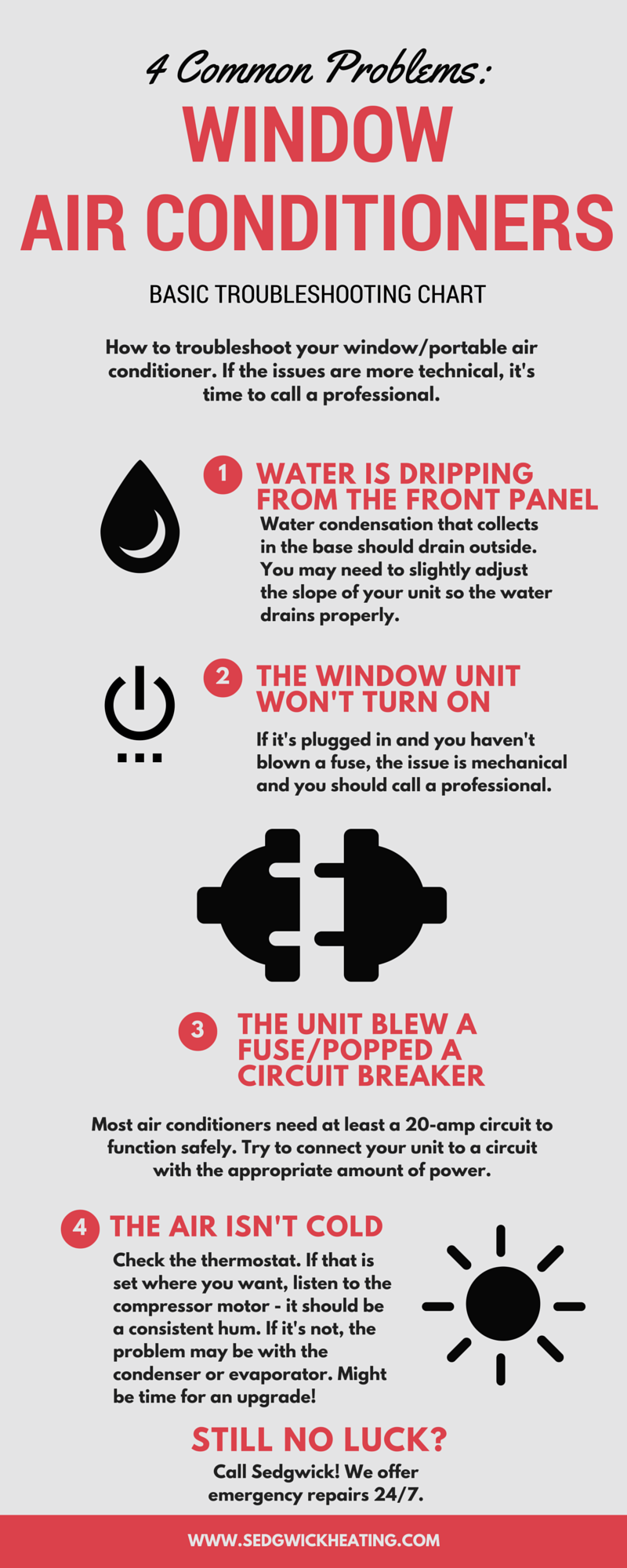
Window air conditioners often face a few common problems. These issues affect comfort and unit performance. Knowing these problems helps you fix small troubles fast. Simple checks and fixes save time and money. Here are the common window AC issues you might see.
No Power Or Unit Not Turning On
Sometimes the AC won’t start at all. Check the power source and plug first. A blown fuse or tripped breaker can stop power. The unit’s power switch or remote batteries may need attention. Loose wiring inside the unit can also cause no power. If none of these work, call a technician.
Unit Not Cooling Properly
The AC runs but air does not feel cold. Dirty filters block airflow and reduce cooling. The thermostat may be set too high or broken. Low refrigerant levels cause poor cooling and must be refilled by a professional. Check for blocked vents or dirty coils. Clean or replace filters often for best cooling.
Water Leaks And Dripping
Water can drip inside or outside your home. The drain hole or pan might be clogged. Dirt and debris block proper drainage. The unit may be tilted wrong, causing water to flow inside. Ice melting inside the AC can also cause leaks. Clear clogs and check installation angle to stop leaks.
Freezing Up Or Ice Formation
Ice forms on the coils or around the unit. Poor airflow from dirty filters or blocked vents causes freezing. Low refrigerant levels also lead to ice buildup. Running the unit too cold or too long can cause this. Turn off the AC and let ice melt before restarting. Clean filters and check refrigerant if freezing repeats.
Unusual Noises Or Vibrations
Strange sounds mean something is wrong inside the unit. Loose parts or screws can cause rattling. The fan or motor might be damaged or dirty. Worn-out bearings make grinding noises. Vibrations can also come from poor installation. Tighten parts and clean the unit to reduce noise. Call a pro if sounds persist.
Credit: polygraphia.it
Basic Power Troubleshooting
Basic power troubleshooting helps find simple electrical issues with your AC window unit. It saves time and avoids unnecessary repairs. Start by checking the power source and connections. Confirm the unit gets proper electricity. Follow easy steps to restore power safely and quickly.
Check Power Outlet And Plug
Make sure the power outlet works by plugging in another device. If the outlet does not work, try a different one. Check the AC plug for damage or loose connections. Push the plug firmly into the outlet. A loose plug stops the unit from turning on.
Reset Circuit Breaker Or Fuse
Locate your home’s circuit breaker panel. Find the breaker or fuse for the AC unit. If the breaker has tripped, switch it off and on again. Replace blown fuses with ones of the same rating. Resetting restores electricity and may fix the problem immediately.
Avoid Power Strips And Extensions
Do not use power strips or extension cords with the AC unit. These can cause voltage drops and overheating. Plug the unit directly into a wall outlet. This ensures stable power and protects the AC from damage.
Filter And Airflow Fixes
Proper filter and airflow maintenance is vital for your AC window unit’s performance. Dirt and blockages reduce cooling efficiency and increase energy use. Simple fixes can help your unit run smoothly and last longer. Focus on cleaning or replacing filters, clearing vents and coils, and ensuring good air circulation.
Clean Or Replace Air Filter
A dirty air filter blocks airflow and strains the AC unit. Remove the filter and inspect it every month during heavy use. Wash reusable filters with water and let them dry before reinstalling. Replace disposable filters if they look clogged or damaged. Clean filters improve air quality and cooling power.
Clear Blocked Vents And Coils
Blocked vents stop cool air from entering the room properly. Check vents for dust, dirt, or objects that might block airflow. Clean the coils on the back or sides of the unit with a soft brush or vacuum. Clear coils help the unit cool air faster and prevent freezing issues.
Ensure Proper Air Circulation
Good airflow around the AC unit is essential. Keep curtains, furniture, and other items away from the unit’s vents. Open windows or doors slightly to allow fresh air to enter the room. Proper circulation helps the unit cool evenly and prevents overheating.
Thermostat And Settings Tips
The thermostat and settings of your AC window unit control its cooling efficiency and energy use. Proper use of these controls can help avoid common problems. Simple adjustments improve comfort and extend the unit’s life.
Set Correct Temperature
Choose a temperature that balances comfort and energy use. Setting the thermostat too low makes the unit work harder. This can cause freezing or frequent shut-offs. A good range is between 72°F and 78°F. Use a temperature that feels comfortable without overcooling the room.
Avoid Frequent On-off Cycling
Turning the AC on and off rapidly can damage the compressor. This is called short cycling and reduces the unit’s lifespan. Let the unit run for several minutes before switching it off. Avoid changing the temperature setting too often. This keeps the system stable and works efficiently.
Use Built-in Delay Features
Many window units include a built-in delay to protect the compressor. This delay prevents the unit from restarting too soon after turning off. Wait at least three minutes before turning the unit back on. The delay lets pressure inside the system equalize. It prevents damage and improves performance.
Compressor And Refrigerant Care
The compressor and refrigerant are the heart of your AC window unit. Proper care of these parts ensures efficient cooling and long-lasting performance. The compressor pumps refrigerant through the system. Refrigerant absorbs heat inside your home and releases it outside. Problems with either can cause your AC to stop cooling effectively.
Understanding how to handle the compressor and refrigerant helps prevent costly repairs. Regular attention to these components keeps your unit running smoothly during hot Austin summers.
Wait Before Restarting Unit
Always wait at least three minutes before restarting your AC. This pause lets the refrigerant pressure inside the system stabilize. Starting the compressor too soon can cause damage. It puts too much stress on the compressor. Waiting also prevents short cycling, which wastes energy and wears out parts. After a power outage or manual shutdown, this wait is crucial. It helps the system reset and work properly again.
Signs Of Low Refrigerant
Low refrigerant causes poor cooling and longer running times. Your AC may blow warm air or take longer to cool rooms. Ice can form on the coils or refrigerant lines. The unit may also make strange noises or shut off unexpectedly. Low refrigerant often means there is a leak. This needs to be fixed quickly to avoid compressor damage. Check these signs to catch refrigerant problems early.
When To Call A Professional
Some issues require expert help. Call a professional if you suspect a refrigerant leak or compressor failure. Handling refrigerant needs special tools and knowledge. A technician can safely check pressure and refill refrigerant. They can also test the compressor for damage. Trying repairs yourself can cause more harm. Professionals protect your AC unit and keep your home cool.

Credit: www.youtube.com
Resetting Your Window Ac Unit
Resetting your window AC unit is a simple step to fix many common issues. It helps clear minor faults and allows the system to restart fresh. This process can solve problems like unresponsiveness or unusual noises.
Follow these easy steps to reset your unit properly and safely.
Unplug And Power Down
First, unplug the AC unit from the power source. This cuts off all electricity and stops the system completely. Never try to reset without disconnecting the power. It protects the unit and prevents electrical shocks.
Wait Before Powering On
Wait at least three to five minutes before plugging it back in. This pause allows the system to cool down and the pressure inside to balance. The compressor needs this time to avoid damage. Restarting too soon can cause problems or shorten the unit’s life.
Check Unit Operation After Reset
Plug the AC back in and turn it on. Listen for normal sounds and check if it cools properly. Watch for error codes or blinking lights on the display. If it still does not work, further troubleshooting or professional help might be needed.
Diy Maintenance Tips
Maintaining your AC window unit on your own saves money and extends its life. Simple care prevents many common problems. These easy tips help keep your unit running smoothly and cool your space efficiently.
Regular Cleaning Schedule
Clean your AC unit every month during heavy use. Remove dust and dirt from the filter to improve airflow. Wash the filter with mild soap and water. Let it dry completely before placing it back. A clean filter helps the unit cool better and use less energy.
Inspect For Leaks Or Damage
Check the unit for any signs of leaks or physical damage. Look around the edges for water or ice build-up. Inspect the seal between the unit and window frame. Damaged seals let warm air in and reduce cooling power. Fix any cracks or holes with weather stripping or sealant.
Keep Drainage Clear
Drainage holes remove moisture from inside the unit. Make sure these holes are not blocked. Clear any dirt or debris that may clog the drain. Blocked drainage causes water leaks inside your home. Use a small brush or pipe cleaner to keep the drain open.
When To Seek Professional Help
Knowing when to call a professional for your AC window unit saves time and prevents costly damage. Some problems need expert attention to keep your unit working safely and efficiently. Here are key signs that show you should seek professional help.
Electrical Or Compressor Problems
Electrical issues can cause your AC to stop working or create safety risks. Flickering lights, burning smells, or tripped breakers need expert diagnosis. The compressor is a vital part of the unit. If it fails, cooling stops completely. A technician has tools to test and repair these parts safely.
Refrigerant Leaks
Refrigerant leaks reduce cooling power and harm the environment. Signs include ice buildup on coils or poor cooling. Handling refrigerants requires special skills and certification. Professionals find leaks and recharge the system correctly. Avoid trying to fix refrigerant issues yourself.
Persistent Cooling Issues
If your unit keeps running but does not cool well, it may have complex problems. Dirty coils, blocked airflow, or failing parts can cause this. Basic cleaning helps sometimes, but ongoing issues need a technician’s expertise. They can identify hidden faults and restore full cooling power.
Frequently Asked Questions
What Is A Common Problem With Window Air Conditioning Units?
A common problem with window air conditioners is water leakage or freezing. Poor maintenance often causes these issues. Refrigerant leaks, compressor failure, and electrical faults also occur but need professional repair. Regular cleaning and proper use help prevent most common problems.
What Is The 3 Minute Rule For Ac?
The 3-minute rule for AC means waiting three minutes after turning off the unit before restarting it. This protects the compressor, stabilizes pressure, prevents short cycling, and allows system reset. Use it after power outages, manual shutdowns, or thermostat changes for safe and efficient operation.
How Do I Reset A Window Unit Air Conditioner?
To reset a window unit air conditioner, turn it off and unplug it. Wait a few minutes, plug it back in, then turn it on. This helps reboot the system and can resolve minor issues.
How To Troubleshoot A Window Air Conditioner?
Check the power source and reset the breaker. Clean or replace the air filter and clear vents. Ensure correct thermostat settings. Wait three minutes before restarting to protect the compressor. Inspect for unusual noises or leaks; call a technician for complex issues.
Why Is My Ac Window Unit Not Cooling Properly?
Poor cooling often results from dirty filters or blocked vents. Clean or replace filters and ensure vents are clear. Low refrigerant or compressor issues may need professional help.
Conclusion
Troubleshooting your AC window unit helps keep your home cool and comfortable. Simple steps like cleaning filters and checking power can solve many issues. Always wait a few minutes before restarting the unit to protect the compressor. Remember, some problems need a professional’s help to fix safely.
Regular care extends your AC’s life and saves money on repairs. Stay patient and follow these tips for better cooling all summer long.