Is your car’s air conditioning failing to keep you cool when it matters most? You’re not alone, and the good news is that many common AC problems can be spotted and even fixed without a mechanic’s help.
Imagine driving through the Austin heat with warm air blowing instead of a refreshing breeze—frustrating, right? That’s why understanding how to troubleshoot your auto air conditioning system can save you time, money, and discomfort. In this guide, you’ll learn simple, step-by-step checks you can perform right now to identify what’s wrong with your AC.
From checking airflow and listening to the compressor to spotting leaks and inspecting key components, you’ll gain the confidence to tackle these issues head-on and get back to enjoying a cool, comfortable ride. Keep reading to discover how easy it is to bring your car’s AC back to life.
Credit: www.tradecraftspecialties.com
Common Ac Problems
Car air conditioning systems often face issues that can reduce comfort during drives. Recognizing common AC problems helps you act fast. Early troubleshooting can prevent costly repairs and keep your AC running well.
Below are frequent AC troubles many drivers experience. Understanding these issues makes diagnosis easier and saves time.
Weak Airflow
Weak airflow can make your car’s AC less effective. Dirt or debris may block vents or cabin filters. A failing blower motor also reduces airflow. Check filters regularly and clear any obstructions for better air delivery.
Warm Air Blowing
Warm air from the vents means the cooling system is not working. Low refrigerant levels often cause this problem. A leak in the AC system can let gas escape. Faulty compressor or electrical issues may also stop cooling.
Strange Noises
Unusual sounds from the AC system indicate a problem. Squealing or grinding noises may come from a worn belt or motor. Rattling sounds can mean loose parts or debris inside. Address noises quickly to avoid bigger damage.
Foul Odors
Bad smells from the AC vents are a common issue. Mold or bacteria grow in damp areas like evaporator coils. Dirty cabin air filters also cause odors. Cleaning or replacing filters and disinfecting the system helps remove smells.

Credit: myjackfrost.com.au
Basic Inspections
Basic inspections are the first step in diagnosing auto air conditioning problems. These checks help identify simple issues that affect cooling performance. Performing these inspections can save time and money before visiting a mechanic.
Start with easy-to-check parts that often cause trouble. A few minutes spent on these checks can reveal obvious problems. Use this guide to inspect your car’s AC system effectively.
Check Cabin Air Filter
The cabin air filter traps dust and dirt from outside air. A clogged filter reduces airflow and cooling power. Remove the filter and inspect for dirt or debris. Replace it if it looks dirty or old. Clean filters improve air quality and AC efficiency.
Listen For Compressor Clutch
The compressor clutch controls the AC compressor’s operation. Turn on the AC and listen near the engine. A clicking sound shows the clutch engaging correctly. No sound may mean the clutch is faulty or the compressor is off. This check helps spot compressor issues early.
Inspect Condenser Condition
The condenser cools the refrigerant by releasing heat. It sits in front of the radiator and must be clean. Check for bent fins, dirt, or debris blocking airflow. Use a soft brush or compressed air to clean it gently. Proper condenser condition supports efficient cooling.
Look For Visible Leaks
Leaks cause refrigerant loss and reduce AC performance. Inspect hoses, connections, and the compressor for oil or dye stains. Use a flashlight to spot small leaks around fittings. Visible leaks require professional repair to restore AC function.
Electrical Checks
Electrical issues often cause auto air conditioning failures. Checking electrical parts helps find hidden problems fast. This step focuses on key electrical components that keep your AC running smoothly. Simple tests reveal faults that stop cool air flow.
Test Fuses And Relays
Start by inspecting the AC fuses in the fuse box. A blown fuse cuts power to the system. Replace any damaged fuse with one of the same rating. Next, test the relays linked to the AC compressor and blower fan. Swap the relay with a similar one to check if it works. Faulty relays prevent the AC from turning on.
Verify Compressor Engagement
The compressor must engage for the AC to cool air. Turn on the AC and listen for a clicking sound. This click signals the compressor clutch engaging. Use a multimeter to check voltage at the compressor connector. No voltage means an electrical supply problem. Compressor failure can also cause no engagement.
Check Wiring Connections
Loose or damaged wiring causes many AC issues. Inspect wiring harnesses near the compressor and control panel. Look for frayed wires, corrosion, or loose plugs. Tighten any loose connections securely. Repair or replace damaged wires to restore electrical flow. Good wiring ensures reliable AC operation.
Refrigerant Issues
Refrigerant issues are a common cause of problems in auto air conditioning systems. The refrigerant cools the air inside your vehicle. Without the right amount, the AC won’t work properly. Low refrigerant levels or leaks can reduce cooling power and cause the system to fail. Understanding how to check and fix these issues helps keep your AC running smoothly.
Use Manifold Gauges
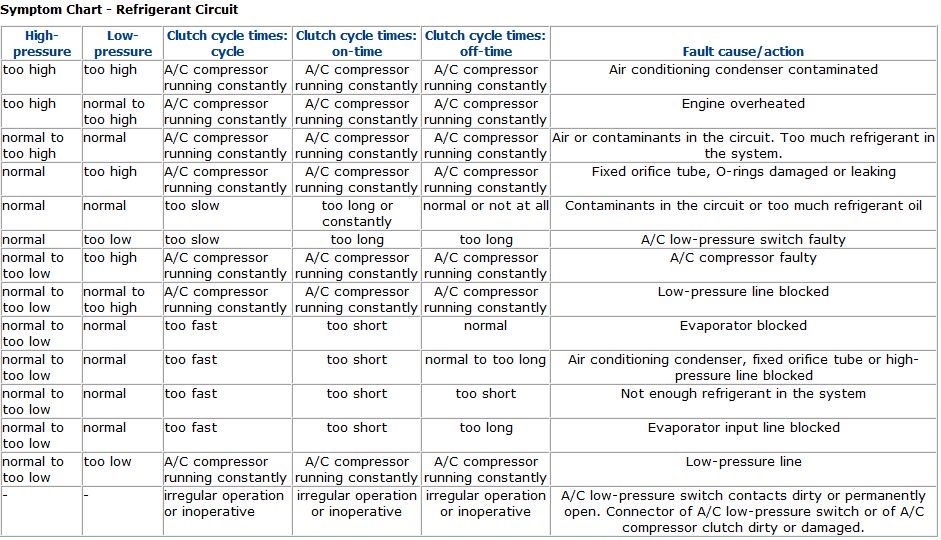
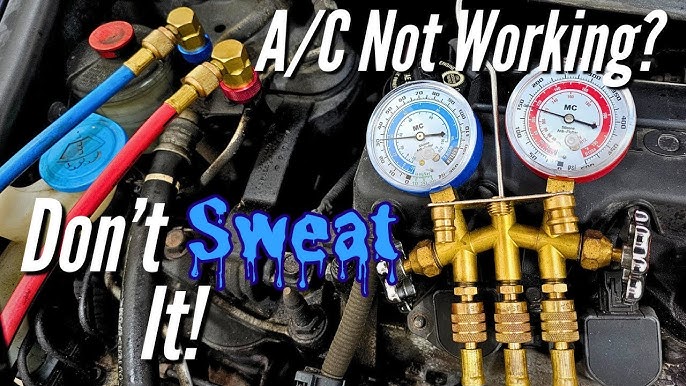
Manifold gauges measure the pressure of refrigerant in the AC system. Connect the gauges to the service ports on your vehicle. Check the readings against the recommended pressure levels in the manual. High or low pressure indicates a problem with the refrigerant. Use the gauges to find out if the system needs more refrigerant or if there is a blockage.
Detect Refrigerant Leaks
Leaks cause refrigerant to escape and lower system pressure. Look for oily stains around AC components and hoses. Use a UV dye and a black light to spot hidden leaks. Listen for hissing sounds, which may signal escaping gas. Fix leaks quickly to prevent damage to the compressor and other parts.
Reset Ac Compressor
The AC compressor can stop working if the refrigerant is low. Resetting the compressor may restore function. Turn off the engine and disconnect the battery for a few minutes. Reconnect the battery and start the engine. The compressor should reset and run normally if the refrigerant level is okay. This simple step can solve many AC problems.
Blockage Detection
Detecting blockages in an auto air conditioning system is key to restoring cool airflow. Blockages restrict refrigerant flow, causing poor cooling and system strain. Finding these blockages early prevents costly repairs and improves AC performance.
Using simple tests can help pinpoint the exact location of a blockage. These methods focus on temperature changes and airflow issues within the system’s tubes and components. Clear blockages to ensure the system runs efficiently and keeps the cabin comfortable.
Perform Feel Test On Tubes
Touch the AC tubes carefully to check for temperature differences. Some sections will feel cold while others may feel warmer. A sudden change in temperature along a tube often signals a blockage. Feel both the high-pressure and low-pressure sides for irregularities.
This test is quick and requires no special tools. It helps locate where refrigerant flow is restricted. Mark the spots with temperature shifts for further inspection or cleaning.
Identify Temperature Drops
Look for sharp temperature drops on AC components like the evaporator or expansion valve. These drops indicate where refrigerant pressure changes abruptly. The area just before the drop often holds the blockage.
Use a thermometer or infrared temperature gun for more accurate readings. Consistent temperature readings along tubes show no blockages. Sudden changes mean the refrigerant cannot flow freely.
Clear Evaporator And Condenser
Debris and dirt can block the evaporator and condenser fins. Remove these parts carefully and clean them using compressed air or a soft brush. Keep fins straight to allow proper airflow.
Cleaning these components reduces pressure build-up and improves cooling. Blocked fins cause the system to work harder and fail sooner. Regular maintenance prevents these blockages from forming.
Quick Fixes
Quick fixes can help restore your car’s air conditioning fast. These simple steps often solve common AC problems. They save time and avoid costly repairs. Try these easy actions before calling a mechanic. They improve cooling and comfort in your vehicle.
Replace Cabin Air Filter
A dirty cabin air filter blocks airflow and reduces cooling. Replace it every 12,000 to 15,000 miles. Find the filter behind the glove box or under the dashboard. A clean filter improves air quality and AC performance. It is a low-cost fix that makes a big difference.
Clean Condenser And Fans
Dust and debris on the condenser reduce heat exchange. Locate the condenser in front of the radiator. Use a soft brush or low-pressure water to clean it gently. Clean the fans too, so they work well. This step helps the AC cool better and keeps the system running smoothly.
Recharge Refrigerant
Low refrigerant causes weak or no cooling. Check pressure levels with a gauge if available. Use a refrigerant recharge kit to add more gas carefully. Avoid overfilling, which can damage the system. Proper refrigerant levels restore cool air quickly and efficiently.
Reset Electrical Components
Sometimes, electrical glitches stop the AC from working. Turn off the car and disconnect the battery for a few minutes. Reconnect it to reset the AC control module. This simple reset can fix minor faults and restore normal operation. It costs nothing and takes just a few minutes.
When To Seek Help
Knowing when to seek professional help for your auto air conditioning issues saves time and money. Some problems seem simple but can hide serious faults. Early expert diagnosis prevents bigger damage to your car’s AC system. Learn the key signs that show it’s time to visit a trusted mechanic.
Persistent Cooling Issues
When your AC blows warm air repeatedly, it signals a deeper problem. Temporary fixes may not last long. Persistent cooling issues need thorough inspection. Faulty components or low refrigerant levels could be the cause. A technician can find and fix the root cause quickly.
Complex Leak Repairs
Leaks in the AC system reduce efficiency and harm the environment. Finding leaks is tricky and requires special tools. Complex leak repairs go beyond simple patching. Professionals use precise methods to locate and seal leaks properly. Avoid DIY attempts that might worsen the damage.
Compressor Replacement
The compressor is vital for your AC to function well. Signs of compressor failure include strange noises and no cold air. Replacing the compressor is a complex task. It needs mechanical skill and correct parts. Seek expert help to ensure safe and proper installation.
Credit: www.youtube.com
Frequently Asked Questions
What Is The Most Common Car Ac Problem?
The most common car AC problem is low refrigerant due to leaks, causing weak cooling or warm air. Clogged cabin filters also reduce airflow.
How To Diagnose Auto Air Conditioning Problems?
Diagnose auto AC problems by checking airflow and temperature, inspecting the cabin filter and condenser, listening for noises, and looking for leaks. Use AC manifold gauges to measure refrigerant pressure. Low refrigerant often indicates leaks needing professional repair.
How To Reset Ac Compressor In Car?
To reset a car AC compressor, turn off the engine. Disconnect the battery for 10 minutes. Reconnect and restart the car. This resets the compressor control module and may fix minor issues.
How To Find Blockage In Auto Ac System?
To find blockage in an auto AC system, feel tubes for temperature drops. Use AC manifold gauges to check refrigerant pressure. Inspect filters, condenser, and listen for unusual noises. Look for leaks using UV dye. These steps help locate blockages efficiently.
What Are Common Causes Of Car Ac Not Cooling?
Common causes include low refrigerant, clogged filters, or a faulty compressor. These issues reduce cooling efficiency and need checking.
Conclusion
Auto air conditioning issues can disrupt your comfort quickly. Simple checks often solve common problems without extra cost. Keep your system clean and regularly maintained for best results. Watch for unusual sounds or weak airflow as warning signs. Early attention prevents costly repairs and keeps cool air flowing.
Stay proactive to enjoy a comfortable drive every time.