Is your car struggling to start, or have you noticed dim lights and slow electrical responses? Your auto battery might be the culprit.
Knowing how to troubleshoot your car battery can save you time, money, and the frustration of being stuck unexpectedly. In this guide, you’ll discover simple steps to identify common battery problems, practical tips to revive a weak battery, and clear signs that tell you when it’s time for a replacement.
Keep reading to take control of your car’s power and avoid getting stranded when you least expect it.
Common Battery Issues
Car batteries often face issues that stop your vehicle from starting. Knowing the common battery problems helps you fix them fast. Most battery troubles come from simple causes. These problems affect your car’s performance and reliability.
Understanding these issues prevents unexpected breakdowns. It also saves you time and money on repairs. Below are some common battery issues and how they occur.
Dead Battery Causes
A dead battery is the most common problem. Leaving headlights or interior lights on drains the battery overnight. Cold weather lowers battery power and slows chemical reactions inside. Batteries age and lose their ability to hold a charge. Short trips may not charge the battery fully, leading to gradual failure.
Faulty Charging System
The charging system keeps your battery full while driving. A bad alternator or loose belt stops the battery from charging properly. Wiring problems and blown fuses may also cause charging failure. Without a good charge, the battery drains quickly. This issue often shows as dim lights and slow engine crank.
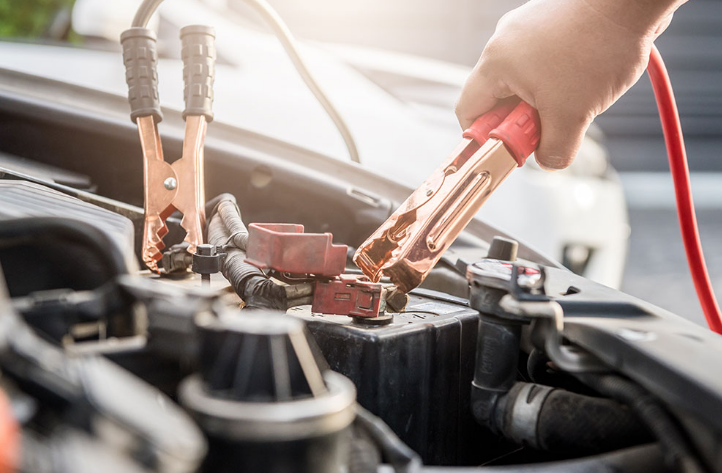
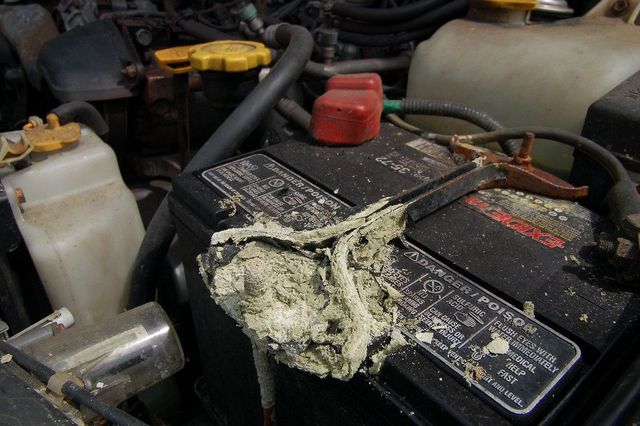
Battery Corrosion
Corrosion forms on battery terminals over time. It looks like white or blue powder around the connections. Corrosion blocks the flow of electricity between the battery and car. This causes poor starting and electrical problems. Cleaning terminals with a baking soda solution restores good contact. Regular checks prevent corrosion buildup and keep the battery healthy.
Credit: www.usedvwaudi.com
Basic Battery Checks
Basic battery checks are the first step in solving car battery problems. These checks help identify simple issues that cause starting troubles. They save time and money by avoiding unnecessary replacements.
Performing basic checks regularly keeps the battery in good condition. It also ensures the vehicle runs smoothly. These easy steps can prevent unexpected breakdowns on the road.
Inspect Battery Terminals
Check the battery terminals for dirt or corrosion. Corroded terminals can stop power flow. Use a brush or cloth to clean them. Make sure terminals fit tightly on the battery posts. Loose connections cause starting problems and poor charging.
Check Battery Securing
Verify the battery is firmly secured in its tray. A loose battery moves during driving. This movement may damage battery cables or terminals. Use the clamp or bracket to hold the battery in place. Secure batteries last longer and work better.
Test Battery Voltage
Use a multimeter to test the battery voltage. A fully charged battery shows about 12.6 volts. Voltage below 12.4 volts means the battery needs charging. If voltage is very low, the battery might be dead. Testing voltage helps decide if the battery needs replacement or recharge.
Quick Battery Boosts
Quick battery boosts offer fast ways to get your car running again. These methods help when your battery is weak or dead. They provide temporary power, letting you start your engine and reach a service center. Understanding safe and effective boosting techniques can save time and frustration on the road.
Jump-starting Safely
Jump-starting uses another vehicle’s battery to power your car. Connect the jumper cables correctly to avoid sparks or damage. Attach the red clamp to the positive terminal first. Then, connect the black clamp to a metal ground on your car. Start the donor car, then your vehicle. Remove cables in reverse order. Always wear gloves and eye protection.
Using A Trickle Charger
A trickle charger slowly charges your battery over time. It is ideal for maintenance or weak batteries that need a gentle boost. Plug the charger into your battery terminals and an electrical outlet. Leave it connected for several hours or overnight. This method prevents battery damage and extends battery life. Check the charger’s instructions before use.
Temporary Parallel Charging
Temporary parallel charging connects your battery to a power source in parallel. This method provides a small current boost to help start the engine. Use a portable battery pack or another car with caution. Connect the positive terminals together and the negatives together. Avoid overcharging or overheating by monitoring the process. This boost is only a short-term fix.
Reviving Lead-acid Batteries
Lead-acid batteries power most cars. They can lose charge or stop working over time. Reviving these batteries can save money and reduce waste. Simple steps help restore their life. Careful checks and gentle methods work best. Below are ways to bring lead-acid batteries back to life safely.
Check And Add Distilled Water
Check the battery caps if your battery is not sealed. Open each cell carefully. Look inside for water level. The plates should be covered by water. If low, add distilled water only. Do not use tap water. Tap water has minerals that harm the battery. Fill just enough to cover the plates. Avoid overfilling to prevent spills. This step helps improve battery performance.
Gentle Charging Techniques
Use a low-amp charger for slow charging. Slow charging prevents damage to battery cells. Avoid fast chargers that heat the battery. Charge the battery in a well-ventilated area. Monitor the battery voltage during charging. Stop charging if the battery gets hot. Gentle charging restores battery capacity gradually. It helps the battery hold charge longer.
Desulfation Methods
Lead-acid batteries can develop sulfate crystals on plates. Sulfation reduces battery efficiency. Desulfation breaks down these crystals. Use a charger with a desulfation mode if possible. This mode sends pulses to remove sulfate buildup. Another method is adding a desulfator device. Follow safety instructions carefully. Desulfation can extend battery life significantly. Repeat treatments may be needed for best results.
Small Battery Revival Tips
Small batteries often lose power faster than larger ones. Reviving them helps extend their life and saves money. Simple care and quick fixes keep these batteries working longer. Understanding basic revival tips can solve many common battery issues at home. Here are effective ways to bring small batteries back to life.
Low-setting Recharge
Use a low-amp charger to recharge the battery slowly. This method prevents overheating and damage. Connect the charger to the battery terminals correctly. Keep the charger on a low setting for several hours. This gentle recharge helps restore the battery’s charge gradually. Avoid fast charging as it can harm small batteries.
Ensure the charger is designed for your battery type. Lead-acid batteries benefit most from this slow recharge method. Monitor the battery temperature during charging. Stop charging if the battery becomes hot or swells. Proper ventilation is important to avoid gas buildup during charging.
Short-term Boost Tricks
Give the battery a quick boost using jumper cables and another charged battery. Connect the positive and negative terminals carefully. Start the donor battery first, then the weak battery. This short-term boost may provide enough power to start a vehicle or device.
After boosting, run the engine or device to allow the battery to recharge. Avoid repeated boosts without proper charging. Check battery terminals for corrosion and clean them if needed. Tight connections improve the battery’s performance and help maintain the charge.
Credit: www.aamcoutah.com
Safety Precautions
Working on your car battery can be risky without the right safety steps. Batteries contain chemicals and produce gases that may harm you. Taking safety precautions lowers the chance of injury and damage. Follow simple rules to keep yourself safe during battery troubleshooting.
Ensure Proper Ventilation
Always work in a well-ventilated area. Car batteries release hydrogen gas, which can build up quickly. This gas is flammable and may cause explosions. Open doors and windows or work outdoors to avoid gas accumulation. Good airflow helps keep the environment safe.
Monitor Heat And Swelling
Check the battery for signs of heat or swelling. Overheating can damage the battery and cause leaks. Swollen batteries are unstable and may burst. Stop working immediately if you notice these signs. Let the battery cool down and handle it with care.
Handle Chemicals Carefully
Car batteries contain acid that can burn skin and eyes. Wear gloves and safety glasses to protect yourself. Avoid touching the battery acid or letting it spill on clothes. If acid contacts your skin, rinse with plenty of water right away. Handle the battery gently to prevent leaks.
Battery Replacement Signs
Knowing when to replace your car battery saves time and prevents unexpected breakdowns. Batteries wear out over time and show clear signs before failing. Watching these signs helps keep your vehicle reliable and avoids getting stranded.
Low Voltage Thresholds
Car batteries should maintain a voltage of about 12.6 volts when fully charged. A voltage reading below 12.4 volts signals the battery is losing charge. If voltage drops under 12 volts, the battery likely needs replacement. Regularly checking voltage with a multimeter catches problems early.
Physical Damage Indicators
Look for cracks, bulges, or leaks on the battery case. Corrosion around terminals also signals trouble. Swollen or cracked batteries pose safety risks and should be replaced immediately. Clean terminals and secure connections help prevent damage but cannot fix internal faults.
Performance Decline
Slow engine starts are a common sign of a weak battery. Dim headlights or electrical issues can also indicate decline. If your battery struggles to hold a charge or the car needs frequent jump-starts, it is time for a new battery. Regular testing ensures consistent performance.
Proper Battery Disposal
Proper battery disposal is crucial for safety and environmental health. Car batteries contain harmful chemicals and metals. Throwing them in regular trash can cause leaks and pollution. Safe disposal protects people and nature. It also allows valuable materials to be reused.
Recycling Guidelines
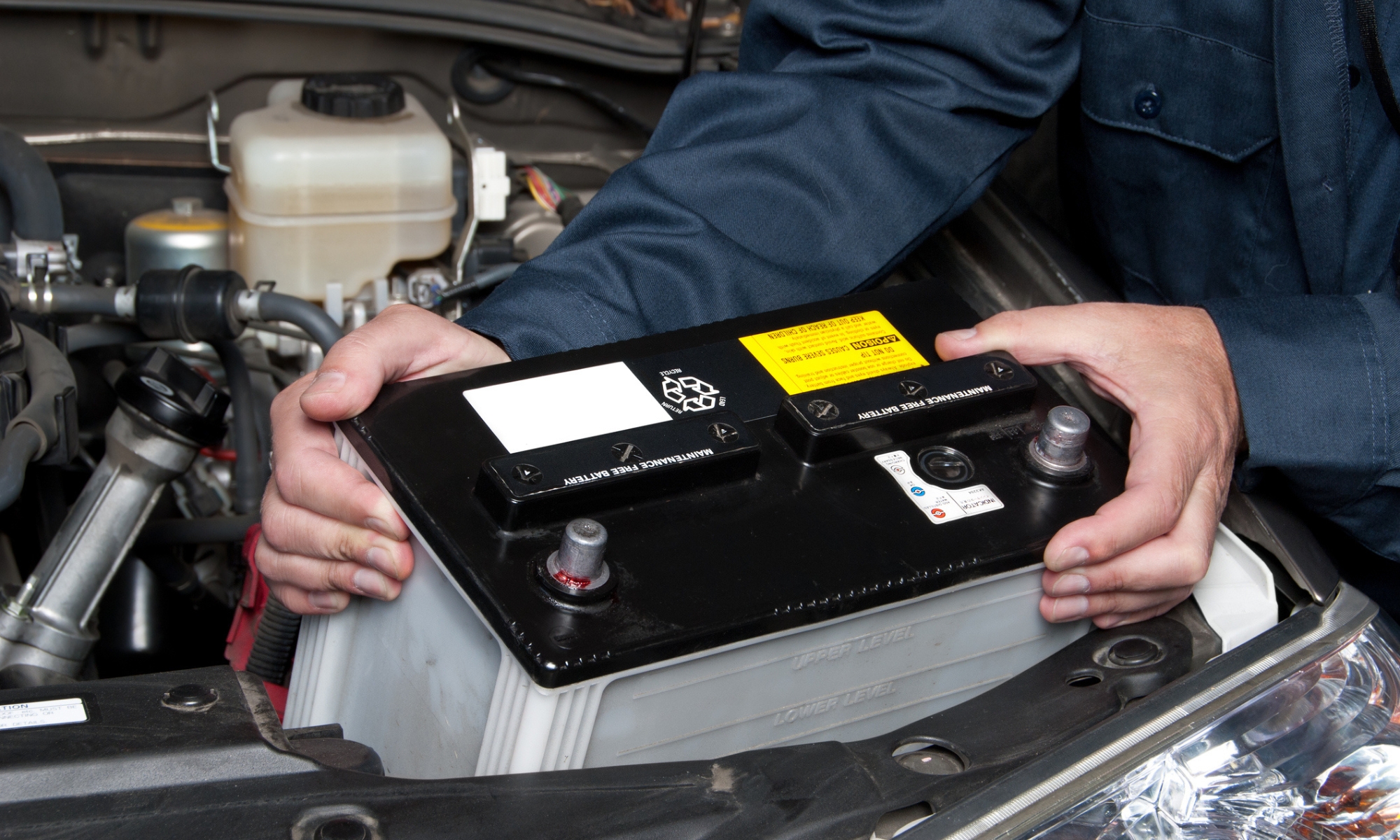
Take old car batteries to designated recycling centers. Many auto shops accept used batteries for recycling. Do not throw batteries in household bins. Keep the battery upright to avoid spills. Use gloves and avoid touching battery acid. Store batteries in a cool, dry place before recycling. Follow local laws on battery disposal strictly.
Environmental Considerations
Car batteries contain lead and acid, which harm soil and water. Improper disposal can poison wildlife and plants. Recycling reduces the need for new raw materials. It lowers pollution and conserves natural resources. Proper disposal stops toxic chemicals from entering the environment. Protect the planet by disposing of batteries responsibly.
Credit: www.endurancewarranty.com
Frequently Asked Questions
What Are Common Car Battery Problems?
Common car battery problems include dead battery, corrosion on terminals, loose connections, faulty charging system, and old age reducing battery life.
How Do I Bring My Battery Back To Life?
To revive a battery, add distilled water if low, then apply a low-amp trickle charge. For lead-acid batteries, desulfation helps. Small batteries benefit from a brief boost with a good battery before charging. Always ensure good ventilation and replace fully dead batteries promptly.
What Drains A Car Battery When The Car Is Off?
Parasitic drains like interior lights, alarms, or faulty wiring drain a car battery when the car is off.
How Do You Tell If It’s Your Alternator Or Your Battery?
Check headlights and dashboard lights. Dim or flickering lights suggest alternator issues. A dead battery often causes no start or clicking sounds. Use a multimeter: low voltage at rest indicates battery problems, while voltage dropping when running points to alternator failure.
What Are The Common Signs Of A Failing Car Battery?
A car may struggle to start or the engine cranks slowly. Dim headlights and electrical issues also signal battery problems.
Conclusion
Troubleshooting your car battery helps avoid unexpected breakdowns. Regular checks keep your battery healthy and reliable. Simple steps like cleaning terminals and testing voltage save time and money. Remember to handle batteries safely and follow proper procedures. Knowing basic battery care extends its life and improves car performance.
Stay prepared by recognizing early signs of battery trouble. Taking action early prevents bigger problems on the road. Keep your vehicle ready with good battery maintenance every season.