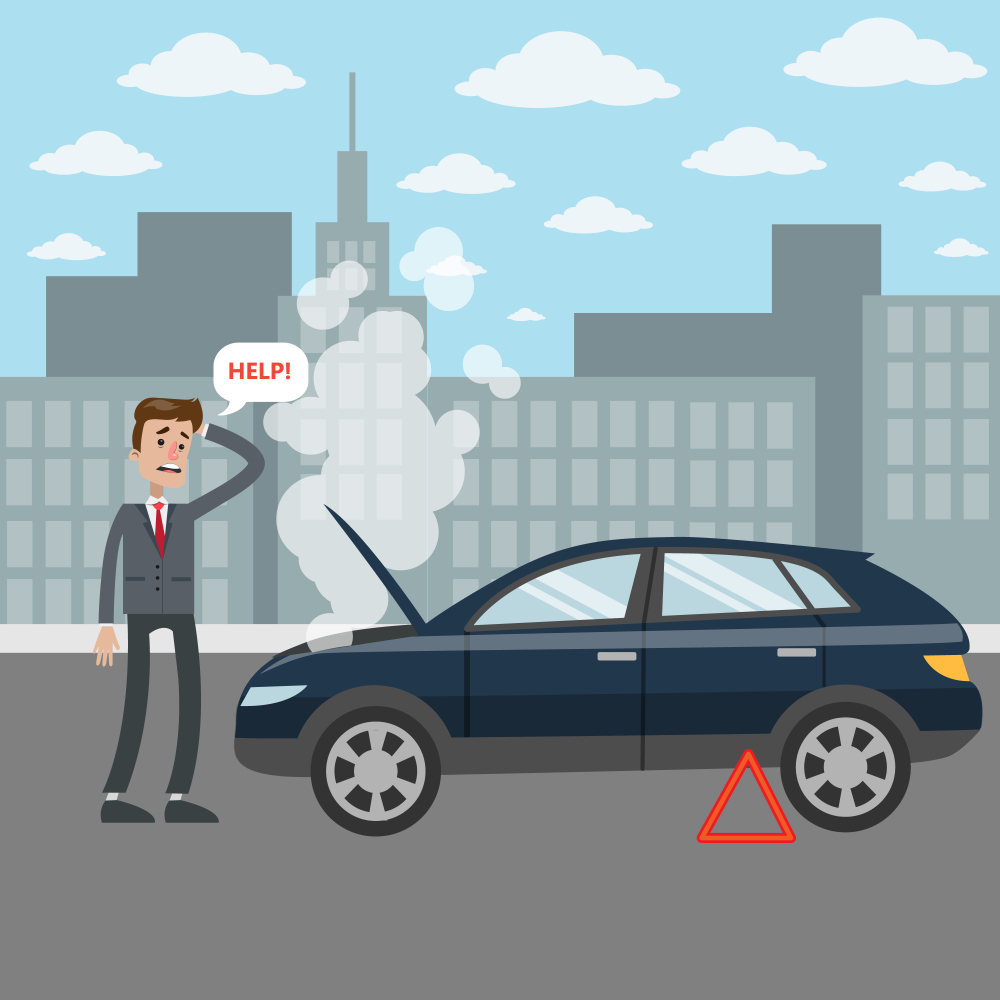
Is your car’s engine running hotter than usual? Are you noticing steam from under the hood or your temperature gauge acting strangely?
If so, your auto cooling system might be in trouble—and catching the problem early can save you from costly repairs. You rely on your vehicle every day, and a failing cooling system can leave you stranded in the worst moments.
In this guide, you’ll learn how to spot common cooling system issues, what signs to watch for, and simple troubleshooting tips you can try yourself. Don’t let overheating catch you off guard—read on to keep your engine cool and your drive smooth.
Credit: www.cbac.com
Common Cooling Issues
The cooling system keeps your engine at the right temperature. Problems here can cause engine overheating or poor performance. Common cooling issues often arise from worn or damaged parts. Recognizing these issues early helps prevent costly repairs and keeps your car running smoothly.
Water Pump Failure
The water pump moves coolant through the engine. A failing pump causes overheating. Signs include coolant leaks under the car and strange noises from the engine area. A broken pump cannot circulate coolant well, leading to engine damage.
Leaky Radiator Hoses
Radiator hoses carry coolant between the radiator and engine. Over time, hoses can crack or loosen. Coolant leaks from these hoses reduce cooling efficiency. Check hoses regularly for cracks or soft spots to avoid leaks and overheating.
Radiator Leaks
The radiator cools the hot coolant from the engine. Small cracks or holes in the radiator cause leaks. Coolant loss lowers the system’s ability to cool the engine. Look for puddles under the car or low coolant levels in the reservoir.
Thermostat Malfunctions
The thermostat controls coolant flow based on engine temperature. A stuck thermostat can cause the engine to run too hot or too cold. Symptoms include fluctuating temperature gauge readings and poor heater performance. Replacing a faulty thermostat restores proper engine temperature control.
Thermostat Trouble Signs
The thermostat plays a crucial role in your vehicle’s cooling system. It controls the flow of coolant to keep the engine at the right temperature. Trouble with the thermostat can cause several noticeable issues. Recognizing these signs early can help prevent bigger engine problems.
Erratic Temperature Gauge
The temperature gauge needle swings between cold and hot rapidly. Sometimes it stays low even after the engine warms up. This jumpy behavior means the thermostat is not opening or closing properly. The engine temperature readings become unreliable.
Engine Running Too Cold
The engine takes a long time to warm up or never reaches the right temperature. This happens if the thermostat is stuck open. The coolant keeps flowing, cooling the engine too much. Poor engine temperature affects fuel efficiency and performance.
Rapid Overheating
If the thermostat is stuck closed, coolant cannot flow through the engine. This causes the engine temperature to rise quickly and dangerously. Overheating can damage engine parts and lead to costly repairs. Immediate attention is necessary.
Poor Heater Performance
The heater blows cold air instead of warm air inside the cabin. This happens when the coolant does not circulate well due to thermostat issues. The heater core needs hot coolant to warm the air. Faulty thermostat affects comfort during cold weather.
Constant Radiator Fan Operation
The radiator fan runs non-stop, even when the engine is not hot. This can happen if the thermostat is stuck closed. The cooling system tries hard to lower the engine temperature by running the fan constantly. This wastes battery power and may indicate thermostat failure.
Water Pump Problems
The water pump plays a vital role in your vehicle’s cooling system. It circulates coolant through the engine to prevent overheating. Problems with the water pump can cause serious engine damage. Recognizing early signs helps avoid costly repairs.
Coolant Leaks Near Pump
Coolant leaks often appear as puddles under the front of your car. The leak usually comes from the water pump’s weep hole. This small hole allows coolant to escape when seals fail. A leaking pump reduces coolant flow and causes engine overheating.
Whining Or Grinding Noises
A failing water pump may produce unusual noises. Listen for a high-pitched whining or grinding sound near the engine front. These noises mean the pump’s bearings or impeller are worn out. Ignoring these sounds can lead to pump failure.
Engine Overheating
A bad water pump cannot circulate coolant properly. The engine temperature rises quickly. Overheating can cause permanent damage to the engine block and head gasket. Check the cooling system if the engine runs hot often.
Steam From Radiator
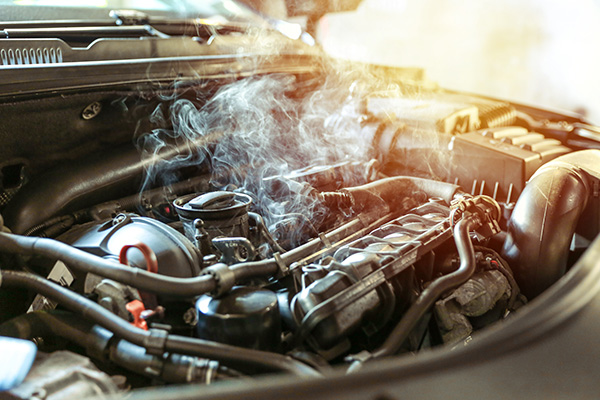
Steam coming from the radiator signals overheating. It means coolant is boiling due to poor circulation. A faulty water pump fails to move coolant, causing hot spots in the engine. Stop driving and inspect the cooling system immediately.
Low Coolant Levels
Low coolant levels often indicate a leak in the cooling system. The water pump is a common leak source. Check coolant levels regularly. A drop in coolant warns of pump seal failure or hose damage around the pump.

Credit: graysontireandauto.com
Distinguishing Thermostat Vs Pump
Understanding the difference between a thermostat and a water pump is crucial for auto cooling system troubleshooting. Both parts control engine temperature but in different ways. The thermostat regulates the flow of coolant based on temperature. The water pump moves coolant through the engine and radiator. Identifying which part is causing issues helps fix the problem faster and saves money.
Temperature Regulation Issues
The thermostat controls engine temperature by opening and closing at set points. A faulty thermostat can stick closed or open. If stuck closed, the engine overheats quickly. If stuck open, the engine runs too cold and wastes fuel. Watch for erratic temperature gauge readings swinging between hot and cold. Poor heater performance inside the car also signals thermostat problems.
Coolant Circulation Failures
The water pump pushes coolant through the engine and radiator to cool the system. A failing pump often causes overheating from poor coolant flow. Look for coolant leaks near the pump or puddles under the car. Listen for whining or grinding noises from the pump area. These sounds mean the pump bearings or impeller may be damaged. Both pump and thermostat issues can cause overheating but have different signs.
Coolant Loss Without Visible Leaks
Coolant loss without visible leaks is a common issue in many vehicles. The coolant level drops, but no puddles or drips appear under the car. This situation can confuse drivers and lead to overheating problems if not addressed quickly. Understanding the causes helps in finding the right fix and protecting the engine.
Faulty Radiator Cap Vapor Escape
The radiator cap keeps the cooling system sealed and pressurized. A worn or damaged cap may let coolant vapor escape. This vapor loss reduces coolant levels without visible liquid leaks. Check the cap for cracks or a weak seal. Replacing a faulty cap often stops the slow coolant loss.
Pressure-activated Small Leaks
Small leaks may only appear under pressure when the engine runs hot. These leaks release coolant as vapor or tiny droplets that quickly dry. They often hide in hard-to-see spots like hose connections or radiator seams. Pressure testing the cooling system helps find these elusive leaks.
Internal Leaks Into Oil Or Combustion
Sometimes coolant leaks inside the engine instead of outside. A blown head gasket can let coolant enter the oil or combustion chamber. This causes coolant loss without puddles. Signs include milky oil, white smoke from the exhaust, or engine overheating. Repairing internal leaks needs professional attention.
Heater Core Leaks
The heater core moves coolant to warm the cabin air. Leaks here may wet the floor inside the car but not under it. Coolant loss happens quietly, with a sweet smell inside the vehicle. Fogged windows and heater problems also indicate heater core leaks. Fixing this requires removing and replacing the heater core.
Credit: www.cottmanofwaldorf.com
Quick Fixes For Overheating
Overheating can damage your car’s engine quickly. Fixing it fast helps avoid costly repairs. Several simple checks and repairs can cool your engine down. These quick fixes address common causes of overheating in most vehicles.
Start with basic parts that control coolant flow and temperature. Many problems come from worn or broken components in the cooling system. Inspecting and fixing these parts restores proper cooling and prevents engine damage.
Check And Replace Thermostat
The thermostat controls coolant flow through the engine. A stuck thermostat blocks coolant circulation. This causes engine temperature to rise fast. Look for erratic temperature gauge readings. Replace a thermostat stuck closed or open. A new thermostat helps keep the engine at the right temperature.
Inspect And Repair Water Pump
The water pump moves coolant through the engine and radiator. Leaks or whining noises show a failing pump. Check under the car for coolant puddles. Listen for unusual sounds near the pump area. Replace a damaged water pump to restore coolant flow. Proper circulation stops overheating and protects engine parts.
Tighten Or Replace Radiator Hoses
Radiator hoses carry coolant between the radiator and engine. Loose or cracked hoses cause coolant leaks. Check hoses for soft spots or cracks. Tighten loose hose clamps or replace damaged hoses. Secure hoses keep coolant inside the system. This prevents overheating from coolant loss.
Test Radiator Cap
The radiator cap holds pressure in the cooling system. A faulty cap lets coolant boil and escape. This lowers system pressure and causes overheating. Test the cap with a pressure tester or replace it. A good radiator cap keeps the system sealed and cools efficiently.
Flush Cooling System
Old coolant can clog the system and reduce cooling power. Flushing removes rust, dirt, and debris inside the engine and radiator. Use fresh coolant after flushing. This improves coolant flow and heat transfer. Regular flushing keeps the cooling system clean and prevents overheating.
When To Seek Professional Help
Knowing when to seek professional help with your auto cooling system saves time and prevents costly damage. Some issues look minor but can hide serious problems. A certified mechanic has tools and skills to diagnose and fix complex issues safely. Watch for signs that show your cooling system needs expert attention.
Persistent Overheating
Overheating that happens often signals a deeper problem. If your engine keeps getting too hot despite adding coolant or checking the radiator, it needs a professional check. Continuing to drive with overheating can cause engine damage and costly repairs.
Unidentified Coolant Loss
When coolant levels drop but no leaks are visible, it means the system may have hidden leaks or internal damage. A mechanic can find leaks inside the engine or hoses using special equipment. Do not ignore unexplained coolant loss as it can lead to engine overheating.
Severe Engine Symptoms
Warning signs like steam from the hood, strange noises, or the temperature gauge hitting red require immediate professional help. These symptoms may show a failing water pump, broken thermostat, or radiator problems. Prompt repair prevents engine failure and keeps your vehicle safe on the road.
Frequently Asked Questions
What Is The Most Common Cooling System Problem?
The most common cooling system problem is thermostat failure, causing erratic temperature and overheating. Water pump issues also occur, leading to leaks and poor coolant circulation.
How To Tell If It’s A Bad Thermostat Or Water Pump?
A bad thermostat causes erratic temperature readings, poor heater output, or engine running too cold. A failing water pump shows coolant leaks, whining noises, or engine overheating from poor coolant circulation. Leaks and noise indicate the pump; temperature swings and heating issues point to the thermostat.
Why Am I Losing Coolant But No Leaks?
Coolant loss without visible leaks often occurs due to vapor escaping a faulty radiator cap or internal leaks like a blown head gasket. Small external leaks may only appear under pressure. Check for overheating, oil contamination, or white exhaust smoke to diagnose internal leaks.
What Are Three Simple Things To Check If Your Car Is Overheating?
Check the coolant level to ensure it’s adequate. Inspect radiator hoses for leaks or damage. Verify the radiator fan operates when the engine heats up.
What Are Common Signs Of A Failing Auto Cooling System?
Common signs include engine overheating, coolant leaks, and unusual noises. Temperature gauge swings or poor heater performance also indicate issues. Early detection helps avoid costly repairs.
Conclusion
Auto cooling system problems can cause serious engine damage if ignored. Watch for signs like overheating, coolant leaks, or strange noises. Regular checks help spot issues early and keep your car running smoothly. Basic troubleshooting saves time and money by avoiding costly repairs.
Stay aware and act quickly to maintain your vehicle’s cooling system. Proper care ensures safer driving and longer engine life.