Is your car’s engine acting up and leaving you worried? Engine problems can be frustrating and confusing, especially when you don’t know where to start.
You might notice strange noises, a drop in power, or the dreaded check engine light glowing on your dashboard. These signs are your car’s way of telling you something isn’t right. But don’t panic—understanding the basics of auto engine troubleshooting can save you time, money, and stress.
You’ll learn simple, clear steps to diagnose common engine issues and decide when it’s time to call a professional. Keep reading, and take control of your car’s health before small problems turn into costly repairs.
Common Engine Issues
Common engine issues affect many vehicles and cause poor performance. These problems often lead to higher fuel consumption and engine damage. Identifying these issues early can save money and extend engine life.
Engines face stress from heat, friction, and wear. Parts can fail or leak, causing noticeable symptoms. Understanding common engine problems helps you spot trouble before it worsens.
Engine Misfires
An engine misfire happens when fuel does not burn properly. This causes shaking and loss of power. Misfires can result from bad spark plugs, faulty ignition coils, or clogged fuel injectors. Regular maintenance prevents most misfires.
Cooling System Leaks
Leaks in the cooling system cause the engine to overheat. Common leak points include hoses, radiator, and water pump. Overheating damages engine parts and may cause a breakdown. Check coolant levels often and inspect hoses for cracks.
Oxygen Sensor Failures
The oxygen sensor measures exhaust gases to optimize fuel mix. A failing sensor leads to poor fuel economy and higher emissions. Signs include rough idling and the check engine light. Replace faulty sensors to keep the engine running clean.
Oil Starvation And Buildup
Oil starvation happens when the engine lacks enough oil. This causes friction and part wear. Oil buildup, on the other hand, clogs engine parts and reduces efficiency. Regular oil changes and using the right oil grade are essential for engine health.
Worn Combustion Parts
Combustion parts like pistons and valves wear out over time. This reduces compression and engine power. Worn parts cause rough running and increased fuel use. Timely repairs and inspections keep combustion parts in good shape.

Credit: www.marksautoil.com
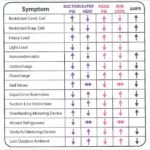
Symptoms To Watch For
Recognizing early signs of engine trouble helps avoid costly repairs. Watch for clear symptoms that signal your engine needs attention. These signs often indicate underlying problems affecting your car’s performance. Acting fast ensures your vehicle stays reliable and safe.
Check Engine Light Activation
The check engine light alerts you to engine issues. It may blink or stay solid on your dashboard. Ignoring this light can lead to bigger problems. A diagnostic scan reveals the exact cause. Common triggers include sensor faults or fuel system errors.
Unusual Engine Noises
Strange sounds from your engine should not be ignored. Knocking, ticking, or grinding noises often signal mechanical issues. These noises might mean worn parts or low oil levels. Regular checks help identify the source early. Prompt repairs prevent further damage.
Reduced Engine Power
Your car losing power feels different during driving. The engine may struggle to maintain speed or climb hills. This symptom points to fuel delivery or ignition problems. Dirty air filters or failing sensors also reduce power. Address these issues for smooth driving again.
Sluggish Acceleration
Slow response when pressing the gas pedal shows acceleration problems. The engine might hesitate or jerk before speeding up. Causes include clogged fuel injectors or spark plug failure. This symptom affects driving safety and comfort. Timely fixes restore proper acceleration.
Basic Diagnostic Steps
Basic diagnostic steps help identify engine problems early. These steps save time and prevent costly repairs. They involve simple checks anyone can do with little experience. Start by inspecting key engine parts and fluids. Then, use a scanner to read trouble codes. These steps reveal common issues causing engine trouble.
Checking Oil And Coolant Levels
Oil and coolant keep the engine running smoothly. Low oil level can cause engine overheating and damage. Check the oil dipstick and add oil if needed. Coolant prevents the engine from getting too hot. Look at the coolant reservoir and refill if it is low. Never open the radiator cap when the engine is hot.
Inspecting Spark Plugs
Spark plugs ignite the fuel-air mix in the engine cylinders. Worn or dirty plugs cause misfires and poor fuel economy. Remove each spark plug and check its tip. Look for signs of wear, carbon deposits, or cracks. Replace any spark plug that looks damaged or old. Proper spark plugs improve engine performance and start-up.
Reading Diagnostic Trouble Codes
Modern cars have onboard computers that store trouble codes. Use an OBD-II scanner to read these codes from the car’s port. Trouble codes point to specific engine problems or sensors. Write down the codes and check their meaning online or in manuals. Clearing codes after fixing problems helps confirm repairs.
Examining Fuel System Components
The fuel system delivers fuel to the engine in the correct amount. Check the fuel pump, filter, and injectors for clogs or leaks. A clogged fuel filter reduces engine power and causes stalling. Listen for a humming sound from the fuel pump when the key is on. Clean or replace faulty parts to ensure smooth fuel flow.
Quick Fixes For Common Issues
Quick fixes for common engine troubles save time and money. Basic repairs often restore engine performance fast. Understanding simple solutions helps keep your car running smooth. This section covers easy fixes anyone can try at home. These tips target frequent issues that cause engine problems.
Replacing Spark Plugs
Old spark plugs cause engine misfires and poor fuel economy. Removing and replacing them is straightforward. Locate the spark plugs on the engine head. Use a spark plug socket wrench to unscrew each plug. Install new plugs matching your car’s specifications. Tighten them securely but avoid over-tightening. Fresh plugs improve ignition and engine power.
Fixing Coolant Leaks
Coolant leaks lead to engine overheating and damage. Check hoses, radiator, and connections for wet spots or stains. Tighten loose clamps or replace cracked hoses. Small leaks can be sealed with coolant sealant products. Always refill coolant to the recommended level after repairs. Prevent overheating by addressing leaks quickly.
Cleaning Fuel Injectors
Dirty fuel injectors reduce engine efficiency and cause rough idling. Use a fuel injector cleaner additive in your gas tank. This helps dissolve deposits inside injectors. For severe clogging, professional cleaning may be needed. Regular cleaning keeps fuel flow smooth and engine responsive.
Resetting The Check Engine Light
The check engine light signals various engine issues. After fixing the problem, reset the light to turn it off. Use an OBD-II scanner to clear error codes. Some cars reset automatically after several drive cycles. Resetting helps track new problems and confirms repairs work.
When To Seek Professional Help
Knowing when to seek professional help is vital for maintaining your car’s engine health. Some engine problems look simple but hide serious damage. Identifying the right moment to consult a mechanic can save you time and money.
Ignoring warning signs or attempting complex repairs can worsen the issue. Professionals have the tools and knowledge to diagnose and fix problems safely and effectively. Here are key signs that indicate it is time to visit an expert.
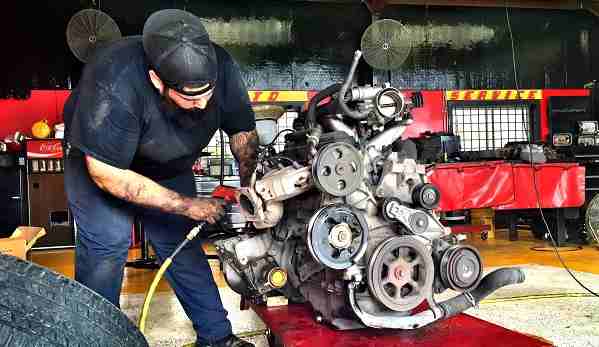
Complex Engine Problems
Complex engine problems require advanced diagnostic tools. Issues like engine misfires, fuel system failures, or electrical faults need expert attention. Mechanics can use scanners to read error codes your car’s computer generates. These problems often need specialized repairs beyond basic troubleshooting.
Persistent Warning Lights
Warning lights on your dashboard signal engine troubles. If these lights stay on despite basic checks, visit a professional. Lights such as “Check Engine,” “Oil Pressure,” or “Temperature” warn of serious issues. Ignoring them can lead to engine damage or breakdowns.
Major Mechanical Noises
Unusual or loud noises from the engine mean trouble. Knocking, grinding, or banging sounds often indicate worn parts or internal damage. These noises should never be ignored. A mechanic can find the cause and prevent costly repairs or engine failure.
Credit: www.autorepairsanantonio.com
Preventative Maintenance Tips
Preventative maintenance plays a key role in avoiding engine troubles. Simple care steps keep your engine running smoothly. Regular checks save you from costly repairs later. Follow these tips to maintain your engine’s health and boost performance.
Regular Oil Changes
Oil lubricates the engine parts and reduces friction. Dirty oil causes wear and overheating. Change the oil and filter at the recommended intervals. Use the correct oil grade for your vehicle. This keeps the engine clean and extends its life.
Coolant System Maintenance
Coolant prevents the engine from overheating. Check coolant levels often and top up if low. Flush and replace the coolant as per schedule. Inspect hoses and radiator for leaks or damage. Proper coolant care avoids engine overheating and breakdowns.
Scheduled Tune-ups
Tune-ups improve engine efficiency and power. Replace spark plugs, air filters, and fuel filters on time. Check ignition timing and emissions systems. A well-tuned engine runs smoother and uses less fuel. Follow your vehicle’s service manual for timing.
Using Quality Replacement Parts
Choose reliable parts for repairs and replacements. Cheap or incorrect parts may cause engine damage. Genuine or high-quality aftermarket parts ensure better fit and function. Quality parts help maintain engine reliability and performance. Always buy from trusted sources.

Credit: www.carwash.com
Frequently Asked Questions
What Are Some Common Engine Issues?
Common engine issues include misfiring, worn spark plugs, dirty coolant, leaking parts, faulty oxygen sensors, oil buildup, and low oil levels.
Who Can Tell Me What’s Wrong With My Car For Free?
Dealerships honoring your warranty often offer free diagnostics. Some auto parts stores provide limited free code reads. These reads identify error codes but don’t replace full diagnostics by a mechanic. Always confirm with the service provider before visiting.
What Are Three Common Troubleshooting Solutions To Check If Your Small Engine Doesn’t Start?
Check the fuel level and quality for freshness. Inspect the spark plug for wear or damage. Ensure the oil level is sufficient and clean.
How To Identify Car Engine Problems?
Identify car engine problems by noticing unusual noises, reduced power, warning lights, smoke, or rough idling. Check for leaks and poor fuel efficiency.
What Are The Most Common Car Engine Problems?
Common engine problems include misfiring, overheating, and rough idling. These issues often stem from worn spark plugs or cooling system failures. Early detection helps prevent costly repairs.
Conclusion
Auto engine troubleshooting helps keep your car running smoothly. Catch issues early to avoid costly repairs. Simple checks like oil, spark plugs, and sensors reveal many problems. Stay aware of unusual sounds or performance drops. Regular maintenance supports engine health and saves money.
Trust clear signs and act quickly to fix faults. Understanding basics makes car care easier and less stressful. Keep your engine in good shape for safe, reliable driving.