Is your car’s temperature gauge acting up? Maybe it’s overheating suddenly or staying too cold for too long.
If you’ve noticed your heater blowing cold air or your engine making strange noises, your thermostat could be the culprit. Understanding how to troubleshoot your auto thermostat can save you time, money, and prevent serious engine damage. In this guide, you’ll discover clear, simple steps to identify common thermostat problems and what you can do to fix them.
Keep reading to take control of your car’s temperature and avoid unexpected breakdowns.

Credit: cen.com.mx
Common Thermostat Symptoms
Common thermostat problems show clear signs that affect engine performance. Recognizing these symptoms helps prevent severe damage. Watch for unusual engine behavior linked to thermostat failure. Early detection saves time and money on repairs.
Engine Overheating
Overheating happens when the thermostat is stuck closed. Coolant cannot flow to the radiator. The engine temperature rises quickly and stays high. This can cause engine damage if ignored.
Engine Overcooling
If the thermostat stays open, the engine runs too cold. It never reaches the proper operating temperature. This lowers engine efficiency and increases emissions. Fuel consumption may also rise.
Erratic Temperature Gauge
The temperature gauge needle jumps between hot and cold. Sometimes it stays at extreme positions. This shows the thermostat is failing to regulate engine temperature. It may cause sudden engine performance changes.
Heater Blowing Cold Air
The heater may blow cold air despite running the engine. The engine might not get warm enough. This happens when the thermostat fails to close properly. Cabin comfort drops during cold weather.
Coolant Leaks
Stuck thermostats cause pressure buildup in the cooling system. This pressure can crack hoses or the thermostat housing. Coolant leaks appear near these parts. Low coolant levels cause overheating and engine damage.
Unusual Engine Noises
Listen for rumbling or knocking sounds under the hood. These noises come from overheating or coolant boiling. A bad thermostat disrupts normal cooling and causes these sounds. Ignoring them risks engine failure.
Reduced Fuel Efficiency
A cold engine uses more fuel to run. A thermostat stuck open keeps the engine too cool. This leads to poor fuel economy and higher running costs. The car feels less responsive during driving.
Check Engine Light Activation
The check engine light may turn on due to thermostat issues. Sensors detect abnormal engine temperature or cooling problems. The light warns of potential engine damage. Diagnostic codes help identify thermostat failure.

Credit: www.youtube.com
Diagnosing Thermostat Issues
Diagnosing thermostat issues is crucial for maintaining your vehicle’s engine health. A faulty thermostat can cause engine overheating or prevent it from reaching the right temperature. Identifying problems early helps avoid costly repairs and keeps your car running smoothly.
Simple tests can reveal if your thermostat is working properly. Follow these steps to check for common issues and confirm if the thermostat needs replacement.
Visual Inspection
Start by visually checking the thermostat and its housing. Look for cracks, corrosion, or coolant leaks around the thermostat area. Check hoses for swelling or damage. Any visible signs of wear or leaks indicate a problem.
Coolant Flow Test
With the engine cold, remove the radiator cap carefully. Start the engine and watch the coolant flow inside the radiator. The thermostat should remain closed at first, then open as the engine warms. If coolant flows immediately or not at all, the thermostat may be stuck open or closed.
Temperature Testing
Use an infrared thermometer to measure the thermostat housing temperature. When the engine warms, the temperature should rise steadily. A sudden jump or no change suggests a faulty thermostat. This test helps determine if the thermostat opens at the correct temperature.
Hot Water Thermostat Test
Remove the thermostat and place it in hot water. Heat the water slowly and watch the thermostat valve. It should start opening around the temperature specified by the manufacturer. If it stays closed or opens too early, replace the thermostat immediately.
Quick Thermostat Fixes
Quick thermostat fixes can save time and money. Many common thermostat problems have simple solutions. Trying these steps first helps avoid costly repairs. Follow the easy instructions below to get your thermostat working again fast.
Reset Circuit Breaker And Settings
Start by resetting the circuit breaker for your thermostat. Sometimes power surges cause the breaker to trip. Turn it off and back on after a few seconds. Also, check the thermostat settings. Make sure the system is set to the correct mode and temperature.
Replace Thermostat Battery
Many thermostats use batteries to operate. Dead batteries cause the thermostat to stop working or lose settings. Remove the cover and replace old batteries with fresh ones. This fix is quick and often restores full function.
Repair Loose Wiring
Loose wires can interrupt thermostat signals. Turn off power to avoid shocks. Open the thermostat panel and inspect wiring connections. Tighten any loose wires gently with a screwdriver. Ensure wires are properly connected to their terminals.
Clean Thermostat Components
Dirt and dust inside the thermostat block sensors. Use a soft brush or compressed air to clean components carefully. Avoid using liquids that may damage electronics. Cleaning helps the thermostat read temperatures accurately.
Level The Thermostat Unit
A thermostat must be level for accurate temperature readings. Use a small level tool to check the unit. Adjust the mounting screws to make the thermostat perfectly horizontal. An uneven thermostat can cause incorrect heating or cooling.
Test Electrical Terminals
Check the electrical terminals for corrosion or damage. Turn off the power and remove the thermostat. Use a multimeter to test terminal voltage. Clean corroded terminals with a small wire brush. Replace damaged terminals to ensure good electrical contact.
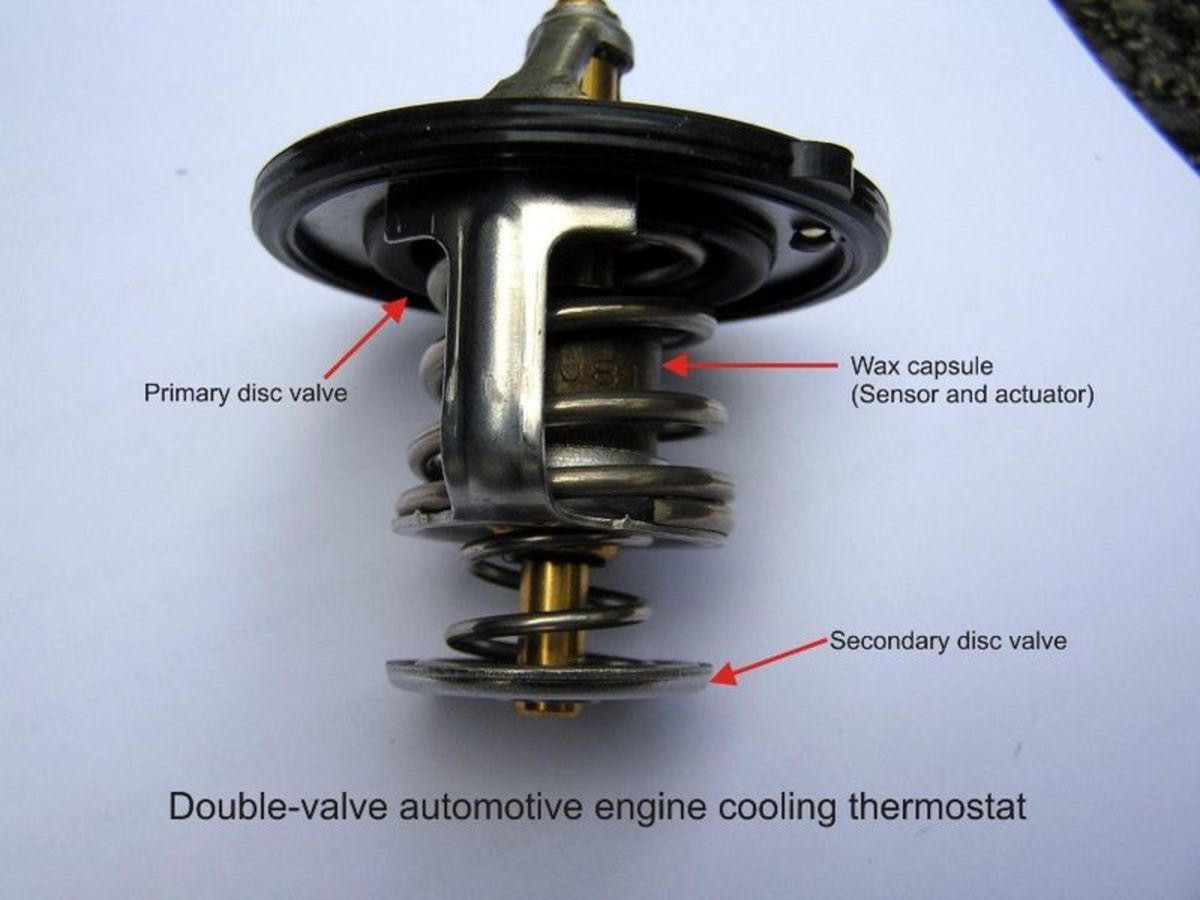
Credit: discover.hubpages.com
Unsticking A Radiator Valve
Unsticking a radiator valve is a common fix for heating problems. A stuck valve stops hot water from flowing through the radiator. This makes rooms cold and wastes energy. Fixing the valve is simple and saves money on repairs. Follow clear steps to get your radiator working well again.
Turn Off Heating System
Start by turning off your heating system. This prevents hot water from flowing while you work. Wait for the radiator to cool down. Touching a hot radiator or valve can cause burns. Safety first to avoid accidents.
Remove Thermostat Head
Next, gently unscrew the thermostat head from the valve. Most heads twist off by hand. Use a cloth for a better grip if needed. Keep the thermostat head safe to avoid damage. Removing it gives clear access to the valve stem.
Free Valve Stem Movement
Try to move the valve stem up and down. Use pliers carefully, without forcing it. If the stem is stuck, it needs freeing. Apply a small amount of penetrating oil around the stem. Let it sit for 10 minutes. Then try moving the stem again.
Flush Valve To Remove Debris
Sometimes dirt blocks the valve from moving. Flush the valve by opening it fully. Use a cloth to catch any water. You can also pour clean water into the valve opening. This removes debris that causes sticking. Repeat flushing until water runs clear.
When To Seek Professional Help
Knowing when to seek professional help for auto thermostat issues is crucial. Some problems need more than simple troubleshooting. Experts have the right tools and knowledge to fix complex thermostat faults safely. Acting too late or trying repairs beyond your skill can cause bigger damage. Watch for signs that show you need a mechanic’s help. Quick action saves time and money.
Persistent Symptoms
Thermostat problems that do not improve after basic fixes require professional attention. If your engine keeps overheating or the temperature gauge moves erratically, it means the thermostat may be stuck. Strange noises or coolant leaks around the thermostat area also need expert checks. Ignoring these signs can lead to engine failure. A mechanic can diagnose and fix persistent issues properly.
Complex Repairs
Some thermostat repairs are not simple and need special tools. Replacing the thermostat or fixing related parts like hoses or sensors often requires experience. Mechanics ensure the job is done right and safely. Attempting complex repairs without knowledge can cause leaks or damage to the engine. Trusting a professional prevents further problems and ensures your car runs smoothly.
Preventing Engine Damage
A faulty thermostat can cause serious engine damage if left untreated. Overheating may lead to warped cylinder heads or a blown head gasket. Overcooling lowers engine efficiency and increases fuel use. Professionals can spot early warning signs and fix the thermostat before damage occurs. Timely service protects your engine and keeps your vehicle reliable.
Frequently Asked Questions
How To Tell If An Auto Thermostat Is Bad?
A bad auto thermostat causes engine overheating or overcooling, erratic temperature gauge, cold heater air, coolant leaks, strange noises, poor fuel efficiency, or triggers the Check Engine Light. Check coolant flow and engine temperature to confirm the issue.
What Are Common Thermostat Failure Symptoms?
Common thermostat failure symptoms include engine overheating, erratic temperature gauge, heater blowing cold air, coolant leaks, strange noises, poor fuel efficiency, and Check Engine Light activation.
How To Fix A Malfunctioning Thermostat?
Reset the circuit breaker and adjust thermostat settings. Replace batteries if needed. Clean the unit and secure loose wires. Level the thermostat and test terminals. Consult a professional if issues persist.
How Do I Get My Thermostat Unstuck?
To unstick your thermostat, turn off power, gently clean contacts, check wiring, and adjust the dial carefully. Replace batteries if needed. If it remains stuck, consult a professional for inspection and repair.
How Can I Tell If My Car’s Thermostat Is Faulty?
A faulty thermostat often causes engine overheating or overcooling. Watch for rapid temperature gauge changes or heater blowing cold air. Coolant leaks and strange noises may also indicate issues.
Conclusion
Auto thermostat issues can cause serious engine problems if ignored. Watch for temperature spikes, leaks, or strange noises. Acting early helps avoid costly repairs and keeps your car running smoothly. Regular checks ensure the thermostat works as it should. Trust your senses and take action when something feels off.
Staying attentive protects your vehicle and saves money in the long run.