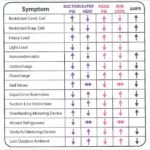
Is your car’s automatic transmission acting up? You’re not alone, and the good news is many common issues can be spotted and addressed before they turn into costly repairs.
Understanding how your transmission works and recognizing the warning signs can save you time, money, and frustration. Whether your car hesitates to shift gears, slips unexpectedly, or leaks fluid, this guide will walk you through the key problems and simple troubleshooting tips.
Keep reading to learn how to identify transmission troubles early and what steps you can take to keep your vehicle running smoothly. Your transmission’s health is closer than you think—let’s get started!
Credit: lowcountryautodiesel.com
Common Transmission Issues
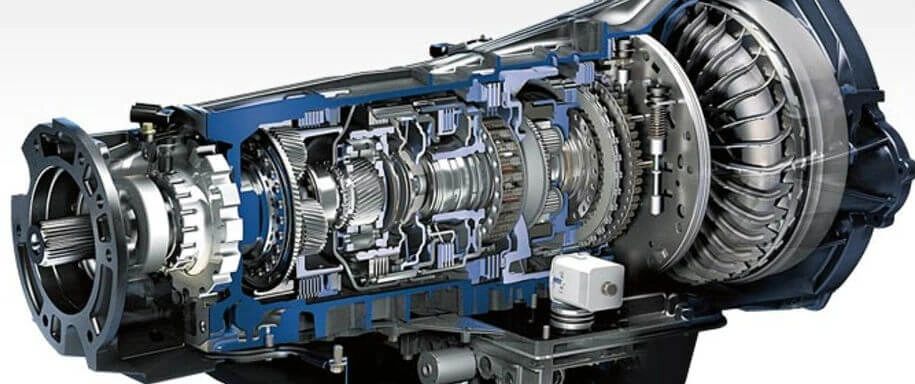
Automatic transmissions face several common problems that affect vehicle performance. Recognizing these issues early helps prevent costly repairs. Many transmission troubles start small but grow if ignored.
Regular checks and maintenance keep your transmission running smoothly. Understanding common issues guides proper troubleshooting and repair.
Fluid Leaks And Contamination
Transmission fluid leaks reduce fluid levels and cause shifting problems. Contaminated fluid loses its ability to lubricate and cool parts. Dirt or metal particles in fluid damage internal components. Check for red or brown fluid under your car. Low fluid can lead to overheating and slipping gears.
Overheating Effects
Overheating damages transmission parts and breaks down fluid. Hot fluid loses its strength to lubricate and protect. Common causes include heavy towing, stop-and-go traffic, or low fluid. Overheated transmissions may slip, shift roughly, or fail to engage. Cooling systems must work properly to avoid heat damage.
Faulty Torque Converter
The torque converter transfers engine power to the transmission. A faulty converter causes slipping, shuddering, or strange noises. It may also cause poor acceleration or overheating. Internal parts like needle bearings wear out over time. Repair or replacement is necessary to restore smooth power flow.
Clogged Transmission Filter
The transmission filter keeps fluid clean by trapping debris. A clogged filter restricts fluid flow, causing slow or erratic shifting. It increases pressure and wear inside the transmission. Regular fluid and filter changes prevent blockages. Ignoring the filter leads to serious damage and costly repairs.
Worn Seals And Gaskets
Seals and gaskets prevent fluid leaks and keep pressure steady. Over time, they wear out, crack, or dry up. This causes fluid leaks and loss of hydraulic pressure. Low pressure leads to slipping and poor gear engagement. Replacing worn seals stops leaks and restores transmission function.
Credit: thelandautorepair.com
Signs Of Transmission Trouble
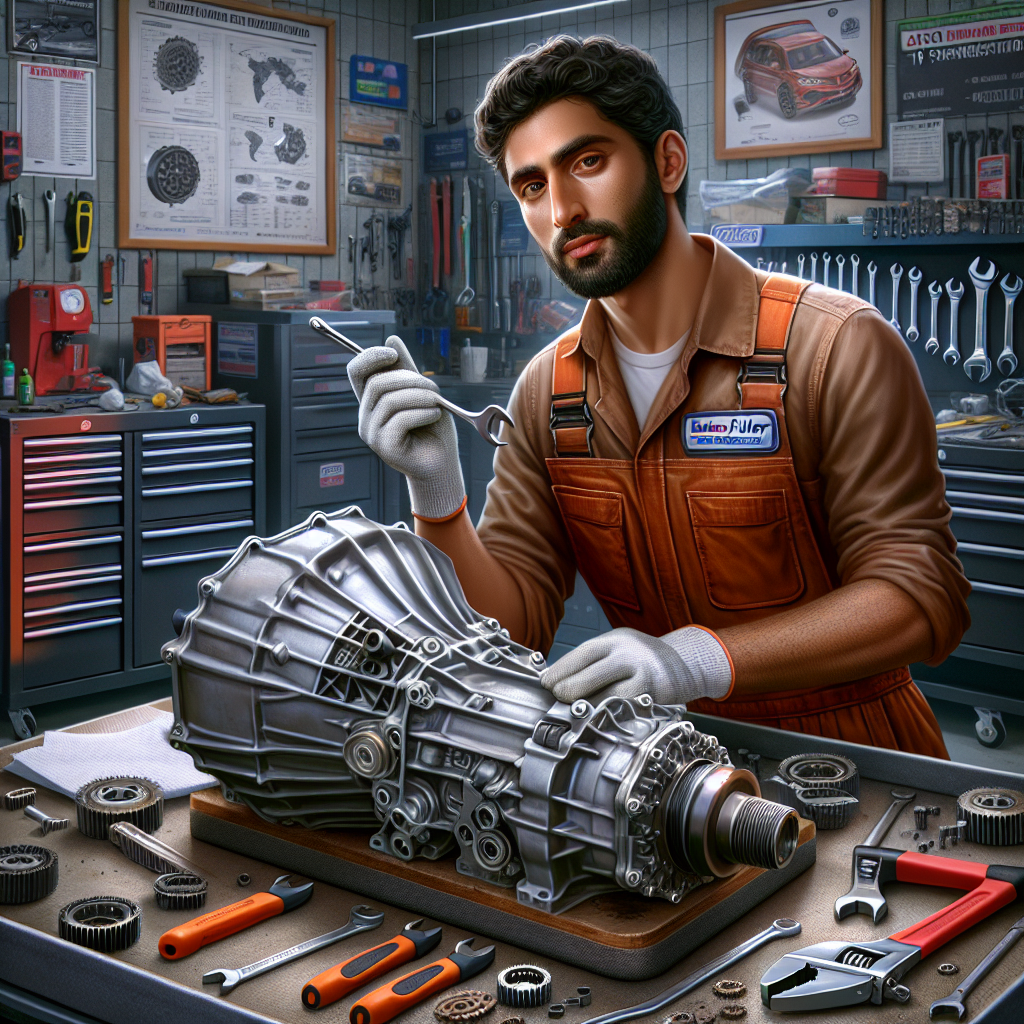
Recognizing signs of transmission trouble early helps avoid costly repairs. The transmission controls your vehicle’s ability to shift gears smoothly. Small issues can quickly become big problems without attention.
Watch for unusual behaviors in your car’s shifting and performance. These signs indicate potential transmission problems that need prompt diagnosis.
Delayed Or Missing Gear Shifts
Delayed gear shifts mean the car takes longer to change gears. Sometimes the transmission skips a gear completely. This causes jerky or rough driving. It often signals worn clutches or low transmission fluid.
Transmission Slipping
Transmission slipping feels like the engine revs but the car does not speed up. Gears may suddenly drop without warning. This happens due to weak hydraulic pressure or damaged internal parts. Slipping harms fuel efficiency and control.
Unusual Noises
Listen for whining, humming, or clunking sounds from the transmission. These noises grow louder with speed or when shifting gears. They point to worn bearings, gears, or other mechanical damage inside the transmission.
Burning Smell
A burning odor near the engine or under the car means the transmission is overheating. Overheated fluid loses its ability to lubricate and protect parts. This smell warns of urgent transmission fluid issues or internal damage.
Loss Of Power
Notice if your car struggles to accelerate or feels weak on hills. Loss of power can be caused by a slipping transmission or torque converter problems. This reduces your vehicle’s performance and safety on the road.
Quick Fixes For Smooth Operation
Keeping your automatic transmission running smoothly saves money and stress. Quick fixes can prevent major damage and improve shifting performance. Many common issues trace back to simple maintenance tasks. These tasks take little time and help avoid costly repairs. Below are key steps for quick troubleshooting and smoother operation.
Checking And Replacing Transmission Fluid
Transmission fluid lubricates and cools moving parts inside your transmission. Low or dirty fluid causes slipping, harsh shifting, or overheating. Check fluid levels regularly with the dipstick while the engine is warm. The fluid should be bright red and clear. Dark or burnt-smelling fluid needs replacement. Change fluid every 30,000 to 60,000 miles or as recommended in your owner’s manual.
Inspecting For Leaks
Leaks reduce fluid levels and cause transmission problems. Look under your vehicle for red or brown fluid spots. Check around the transmission pan, seals, and cooler lines. Repair leaks quickly to maintain proper fluid levels. Use a transmission-specific sealant or replace faulty gaskets. Regular leak inspections help avoid internal damage.
Cleaning Or Replacing Filters
Transmission filters catch dirt and debris to protect internal parts. A clogged filter restricts fluid flow and causes rough shifting. Clean or replace the filter every time you change the fluid. This keeps fluid flowing freely and prevents buildup that damages the transmission. Follow your vehicle’s service schedule for filter maintenance.
Addressing Torque Converter Issues
The torque converter transfers engine power to the transmission. Problems here cause shuddering, slipping, or overheating. Listen for unusual noises or vibrations when driving. These signs may mean worn needle bearings or damaged internal parts. A professional can test and repair or replace the torque converter if needed. Early action prevents further transmission damage.
Resetting Transmission Electronics
Modern automatic transmissions rely on electronic controls for smooth shifting. Faulty sensors or wiring can cause shifting delays or errors. Use a diagnostic scanner to check for transmission trouble codes. Resetting the transmission control module may clear temporary faults. If problems persist, have a technician inspect and repair electronic components. Proper electronics ensure correct shifting patterns.
Maintenance Tips To Prevent Issues
Proper maintenance helps avoid costly transmission repairs. Simple care routines keep your automatic transmission running smoothly. Pay attention to these key tips to prevent common problems.
Regular Fluid Level Checks
Check transmission fluid regularly. Low fluid causes overheating and slipping. Use the dipstick when the engine is warm. Ensure the fluid is clean and at the correct level. Top up if needed with the recommended type. Dirty or burnt fluid signals a change is due.
Following Service Schedules
Stick to your vehicle’s service schedule. Regular fluid and filter changes remove dirt and debris. This prevents clogging inside the transmission. Scheduled maintenance keeps internal parts lubricated. It also helps spot early signs of wear. Always follow manufacturer guidelines for intervals.
Avoiding Aggressive Driving
Drive gently to reduce transmission stress. Avoid sudden starts and hard stops. High engine revs and rapid shifts wear out parts faster. Heavy towing and carrying loads also increase strain. Smooth acceleration and braking extend transmission life. Calm driving saves money on repairs.
Monitoring For Early Warning Signs
Listen for unusual noises like clunks or humming. Watch for delayed or rough gear shifts. Check for leaks or fluid stains under the car. A burning smell may indicate overheating. Catching these signs early prevents serious damage. Have a professional inspect your transmission if you notice issues.
When To Seek Professional Help
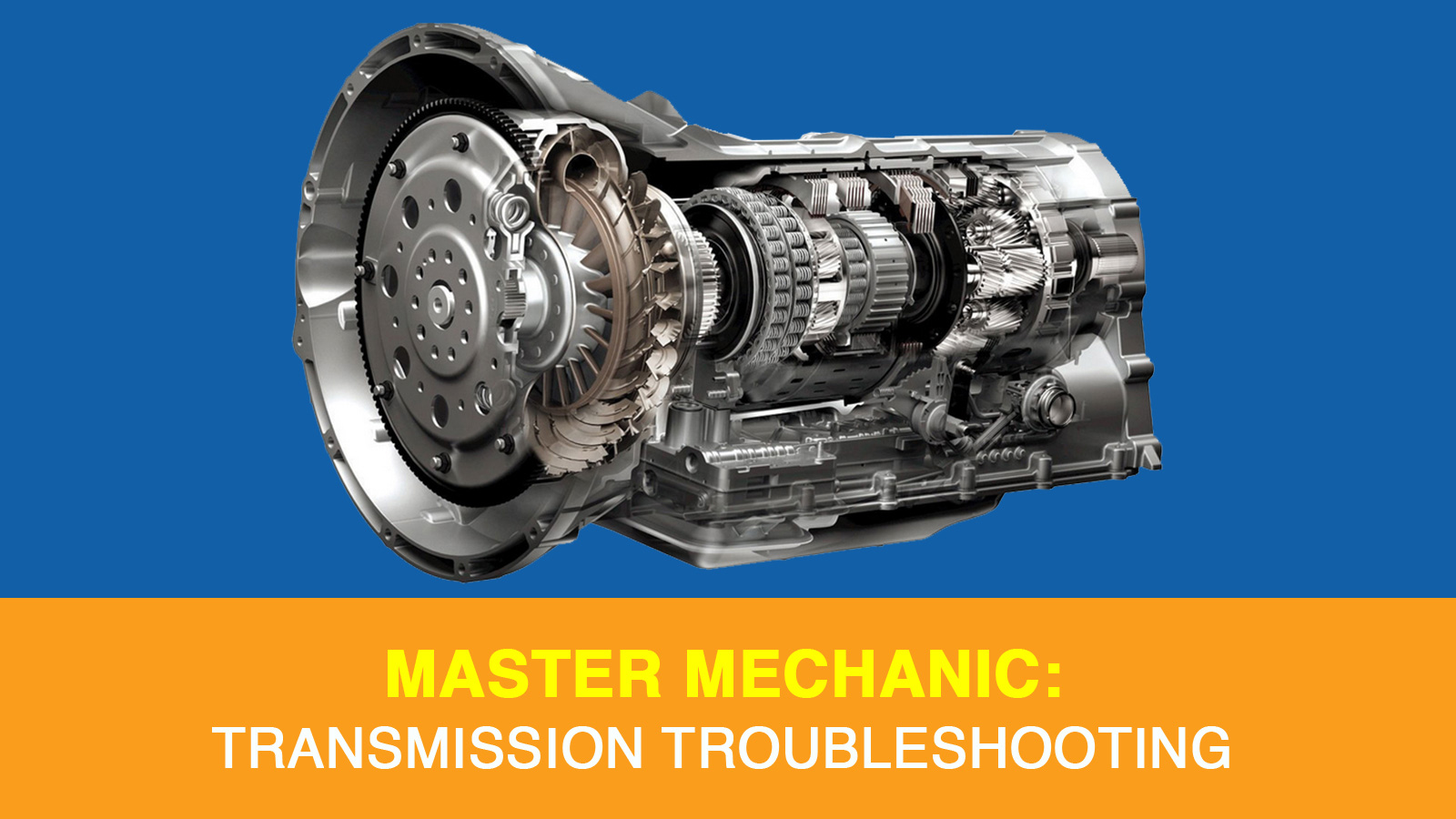
Knowing when to seek professional help with your automatic transmission is vital. Small issues can turn into costly repairs if ignored. Some signs point to serious problems that require expert attention. Acting early can save you time and money.
Persistent Warning Lights
Warning lights on your dashboard are not just signals. They indicate that the transmission system has detected a fault. If the light stays on after restarting the car, do not delay. Professional diagnostics can find the root cause quickly. Ignoring these lights risks further damage.
Severe Shifting Problems
Harsh, delayed, or missed gear shifts are red flags. These problems affect driving safety and vehicle performance. Such symptoms often mean internal issues that need expert repair. Avoid driving long distances with severe shifting troubles to prevent breakdowns.
Major Fluid Loss
Transmission fluid leaks require immediate attention. This fluid lubricates and cools vital parts inside the transmission. A major leak reduces fluid levels quickly, causing overheating and wear. Professionals can locate leaks and restore proper fluid levels safely.
Strange Noises After Quick Fixes
Odd sounds like grinding or whining after a quick repair suggest unresolved issues. Temporary fixes might not address the underlying problem. Strange noises are a clear sign to visit a transmission specialist. Early expert intervention protects your transmission’s health.
Credit: mastermechanic.ca
Frequently Asked Questions
How Do You Diagnose An Automatic Transmission Problem?
Diagnose automatic transmission problems by checking fluid level and color, noting leaks, unusual noises, delayed or slipping shifts, and burning smells. Use a diagnostic scanner to read error codes and inspect for electrical or mechanical faults.
What Is The Most Common Failure In Automatic Transmission?
The most common automatic transmission failure is low or contaminated transmission fluid. This causes overheating, friction, and internal damage. Leaks, clogged filters, and faulty torque converters also contribute. Regular fluid checks and maintenance prevent these issues and ensure smooth shifting.
What Can Be Mistaken For Transmission Problems Automatically?
Engine issues, worn clutch, low transmission fluid, faulty sensors, or electrical problems can mimic automatic transmission problems.
What Causes An Automatic Transmission To Not Shift?
Automatic transmissions fail to shift due to low or contaminated fluid, clogged filters, faulty torque converters, or electrical issues. Overheating and worn seals also cause shifting problems. Regular fluid checks and maintenance prevent these issues and ensure smooth gear changes.
What Are Common Signs Of Automatic Transmission Problems?
Common signs include delayed shifting, slipping gears, and fluid leaks. Burning smells and unusual noises also indicate issues.
Conclusion
Auto transmission problems can affect your car’s performance and safety. Regularly checking fluid levels helps avoid many issues. Watch for signs like slipping gears or strange noises. Fix leaks quickly to prevent further damage. Follow your vehicle’s service schedule for smooth shifting.
Taking these simple steps keeps your transmission working longer. Stay alert and care for your car to save time and money.