Is your car’s automatic transmission acting up? Maybe it’s hesitating to shift, slipping gears, or making strange noises.
These issues can be frustrating and even dangerous if ignored. But don’t worry—you’re not alone, and many common problems have straightforward solutions. In this guide, you’ll discover how to spot the primary causes behind automatic transmission troubles and what you can do to fix them before they turn into costly repairs.
By understanding the signs and knowing the right steps, you’ll keep your vehicle running smoothly and avoid unexpected breakdowns. Ready to take control of your car’s transmission health? Let’s dive into the essential tips for automatic transmission troubleshooting.
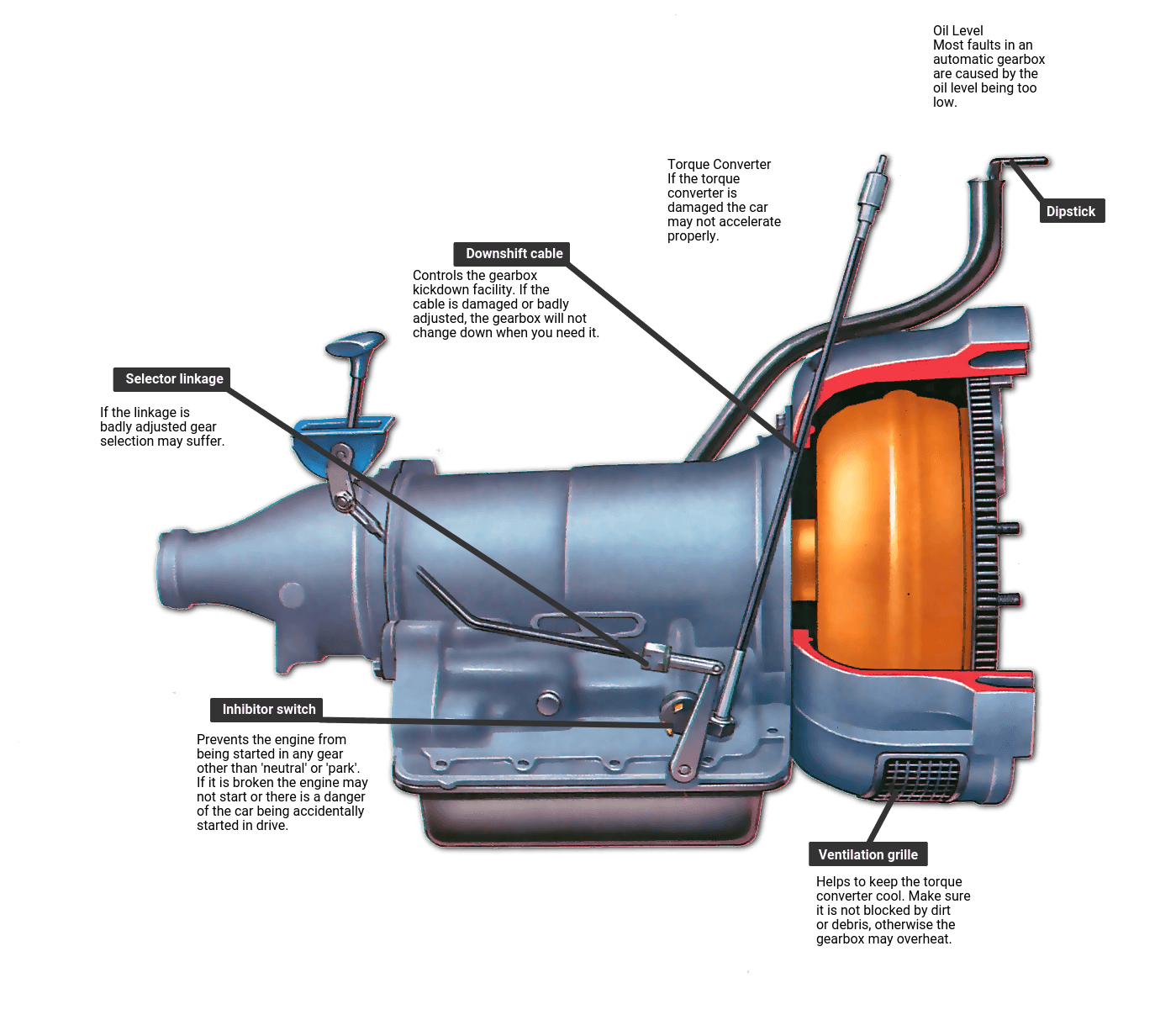
Credit: www.howacarworks.com
Primary Causes
Automatic transmissions can develop problems for several key reasons. Knowing the primary causes helps in quick identification and repair. This section explains the main issues that often lead to transmission trouble. Understanding these causes can save time and money on repairs.
Low Or Contaminated Fluid
Transmission fluid keeps parts lubricated and cool. Low fluid levels reduce lubrication and cause friction. Contaminated fluid loses its ability to protect moving parts. Both conditions lead to poor shifting and damage inside the transmission.
Overheating Effects
Heat breaks down transmission fluid and harms components. Overheating can happen from low fluid, heavy loads, or hot weather. It speeds up wear and causes internal damage. Overheated transmissions often shift roughly or slip.
Clogged Filter Issues
The transmission filter traps dirt and debris. A clogged filter restricts fluid flow. This results in slow or harsh gear changes. If ignored, it can cause serious transmission failures.
Torque Converter Problems
The torque converter transfers engine power to the transmission. Its internal parts wear out over time. This wear causes noise, slipping, or stalling. Faulty torque converters affect smooth driving and may damage the transmission.
Neglected Maintenance
Skipping fluid changes or ignoring leaks leads to trouble. Dirt builds up, and fluid quality drops. Regular maintenance keeps the transmission healthy and extends its life. Neglect often results in costly repairs.
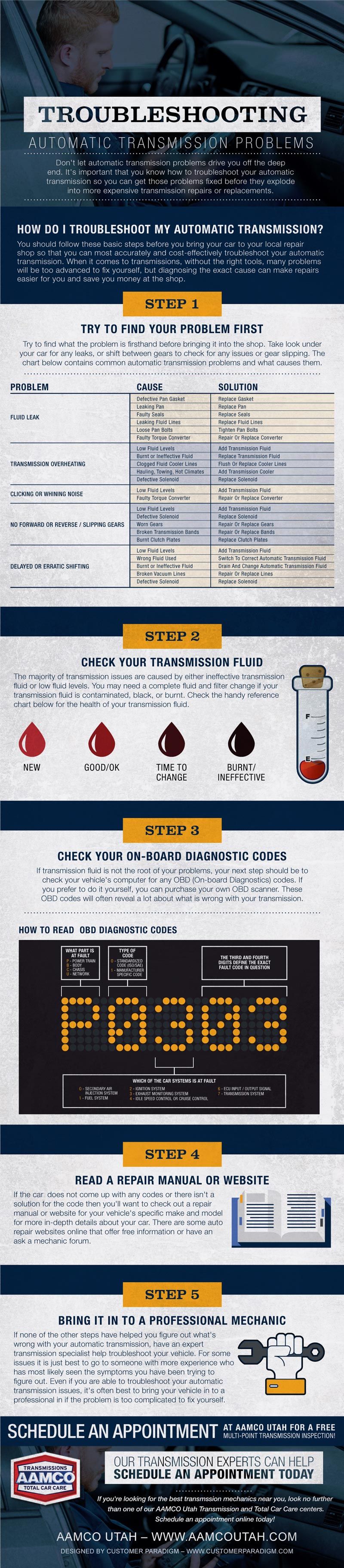
Credit: www.aamcoutah.com
Other Contributing Factors
Several other factors can cause automatic transmission problems beyond the usual suspects. These elements often worsen existing issues or trigger new ones. Understanding these helps in diagnosing and preventing transmission troubles effectively.
Aggressive Driving Habits
Aggressive driving stresses the transmission system. Rapid acceleration and sudden stops make the transmission work harder. This causes overheating and wear on internal parts. Frequent shifting between gears at high speeds also damages components. Smooth and steady driving extends transmission life.
Electrical Component Failures
Modern transmissions rely on electrical parts to shift gears correctly. Sensors, solenoids, and wiring control hydraulic pressure and timing. Faulty electrical components cause delayed or harsh shifts. Sometimes, the transmission won’t shift at all. Diagnosing electrical faults needs special tools and expertise.
Worn Seals And Gaskets
Seals and gaskets keep transmission fluid inside the system. Over time, they dry out, crack, or break. This leads to fluid leaks and drops in fluid levels. Low fluid reduces lubrication and cooling, causing internal damage. Regular inspection and replacement of seals prevent leaks and extend transmission health.
Common Shifting Problems
Automatic transmissions can face many shifting issues. These problems affect how smoothly your car changes gears. Understanding common shifting problems helps in quick diagnosis and repair. This saves time and money.
Low Or Dirty Transmission Fluid
Transmission fluid lubricates and cools moving parts. Low or dirty fluid causes rough or delayed shifting. Dirty fluid clogs passages, leading to slipping gears. Regular fluid checks prevent these issues.
Faulty Sensors
Sensors send important data to the transmission system. Faulty sensors may cause incorrect gear changes. They can also trigger warning lights on the dashboard. Sensor problems need diagnostic tools for accurate detection.
Bad Shift Solenoids
Shift solenoids control fluid flow for gear changes. Malfunctioning solenoids cause hard or erratic shifting. They may also cause the transmission to stay in one gear. Replacing solenoids often fixes shifting problems.
Broken Shift Cables Or Linkages
Shift cables connect the gear selector to the transmission. Broken or stretched cables prevent proper gear engagement. This causes delayed or no response when shifting. Checking cables is important during transmission troubleshooting.
Transmission Control Module Issues
The Transmission Control Module (TCM) manages shift timing and patterns. A faulty TCM can cause random or harsh shifts. Software glitches or electrical problems often affect the TCM. Resetting or reprogramming the module may resolve issues.
Quick Fixes
Quick fixes can help solve common automatic transmission problems fast. These simple steps often restore smooth shifting and prevent costly repairs. Check fluid, filters, leaks, and electrical parts for easy solutions.
Checking Fluid Levels And Quality
Start by checking the transmission fluid level. Use the dipstick with the engine warm and running. Low fluid causes slipping and hard shifts. The fluid should be bright red and clear. Dark or burnt-smelling fluid signals trouble. Change the fluid if it looks bad or smells burnt.
Replacing Filters
A clogged transmission filter blocks fluid flow. This can cause rough shifting or delayed engagement. Replace the filter according to the vehicle’s maintenance schedule. Use the right filter for your car’s make and model. Fresh filters improve fluid flow and transmission health.
Addressing Leaks
Leaks lower fluid levels quickly. Look under the car for red fluid spots. Common leak points include seals, gaskets, and cooler lines. Fix leaks promptly to avoid damage. Tighten loose bolts or replace worn seals to stop leaks.
Resetting Electrical Components
Modern transmissions rely on sensors and solenoids. Sometimes, electrical glitches cause shifting issues. Reset the transmission control module by disconnecting the battery for a few minutes. This can clear error codes and restore normal function. If problems persist, a diagnostic scan is needed.
Expert Tips
Expert tips help keep your automatic transmission running smoothly. These simple practices prevent costly repairs. They improve your car’s performance and lifespan. Understanding key maintenance steps avoids breakdowns and saves money. Follow these expert tips to troubleshoot transmission issues effectively.
Regular Fluid And Filter Changes
Check your transmission fluid level often. The fluid should be bright red and clear. Dark or burnt-smelling fluid signals a problem. Change the fluid and filter at intervals set by the manufacturer. Clean fluid lubricates moving parts and cools the transmission. A fresh filter prevents debris from clogging the system.
Monitoring Transmission Temperature
High temperatures harm transmission parts quickly. Use a temperature gauge or scanner to track heat levels. Keep the transmission cool during hot weather or long drives. Avoid extended idling or heavy stop-and-go traffic. Cooling systems and extra coolers can help maintain safe temperatures.
Avoiding Heavy Loads And Towing
Heavy loads and towing strain the transmission. Excess weight causes overheating and wear. Follow your vehicle’s towing limits strictly. Use lower gears when hauling to reduce stress. Give your transmission time to cool after heavy use. This extends its life and prevents damage.
Recognizing Warning Signs Early
Watch for slipping gears, delayed shifting, or strange noises. Unusual smells or fluid leaks also indicate trouble. Early detection allows quick fixes and avoids major damage. Have a professional check your transmission if you notice problems. Timely action keeps your vehicle safe and reliable.

Credit: www.tpub.com
Frequently Asked Questions
What Is The Most Common Failure In Automatic Transmission?
The most common automatic transmission failure is low or contaminated transmission fluid. It causes overheating, friction, and internal damage. Leaks, clogged filters, and faulty torque converters also contribute to failure. Regular fluid checks and maintenance prevent these issues and ensure smooth shifting.
What Causes An Automatic Transmission To Not Shift?
An automatic transmission may not shift due to low or dirty fluid, clogged filters, faulty sensors, bad solenoids, broken shift linkages, electrical issues, or a failing control module.
How Do I Reset An Automatic Transmission?
To reset an automatic transmission, turn the ignition on without starting the engine. Press the accelerator fully for 10 seconds, then release. Start the car and let it idle for a few minutes. This resets the transmission control module and helps restore normal shifting.
What Can Be Mistaken For Transmission Problems Automatically?
Engine misfires, faulty sensors, low transmission fluid, or clutch problems can be mistaken for automatic transmission issues.
What Are Common Signs Of Automatic Transmission Problems?
Slipping gears, delayed shifting, and strange noises often signal transmission issues. Fluid leaks and burning smells also indicate trouble. Early detection helps avoid costly repairs.
Conclusion
Automatic transmission issues often start with simple problems like low fluid. Check fluid levels and quality often to avoid damage. Fix leaks quickly to keep the system working well. Regular maintenance helps prevent costly repairs later on. Watch how you drive; hard driving strains the transmission.
Stay alert for odd noises or shifting delays as warning signs. Taking these steps keeps your transmission running smoothly longer. Simple care today saves headaches and expenses tomorrow.