Is your BBQ grill not heating up like it used to? Or maybe the flame flickers and won’t stay lit?
If you’ve faced these frustrating moments, you’re not alone. Your grill is ready to help you cook the perfect meal, but sometimes it needs a little attention to perform at its best. This guide on BBQ grill troubleshooting is designed just for you.
You’ll learn simple, step-by-step fixes that anyone can do—no expert skills required. Keep reading to discover how to bring your grill back to life, so your next cookout in Austin, Texas, or anywhere else can be a sizzling success!
Common Grill Problems
Grilling can be frustrating when your BBQ does not work right. Common problems often stop your grill from heating well or lighting up. Knowing these issues helps you fix the grill fast. This saves time and makes your cooking better.
Low Heat Issues
Low heat means your grill does not get hot enough. This can happen from clogged burners or low gas flow. Dirt and grease block the holes where the flames come out. Also, a nearly empty propane tank causes weak heat. Cold weather can make flames weaker too. Cleaning burners and checking gas levels helps raise the heat.
Ignition Failures
Ignition failure means the grill will not light. The spark igniter might be dirty or broken. Sometimes the battery in the igniter is dead. Loose wires also stop the spark from working. Make sure the igniter is clean and connected. Replace batteries or parts if needed. Using a long match can light the grill as a backup.
Uneven Flames
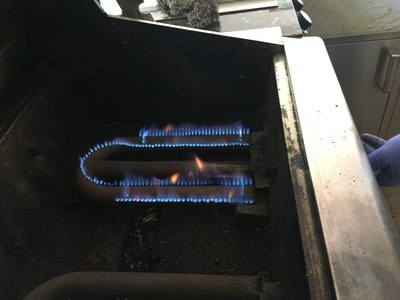
Uneven flames mean some burners burn strong while others are weak. Blocked burner holes cause this problem. Grease and dirt build-up stop gas from flowing evenly. Bent or damaged burner tubes also affect flame size. Cleaning and straightening burners make the flames even. Check each burner for blockages before cooking.
Gas Leaks
Gas leaks are dangerous and must be fixed fast. You may smell gas or hear a hissing sound near connections. Leaks happen from loose hoses or damaged parts. Use soapy water on connections; bubbles show leaks. Tighten or replace parts that leak gas. Always check for leaks before lighting your grill.
Credit: www.barbequelovers.com
Fixing Regulator Issues
Regulator issues can stop your BBQ grill from working properly. The regulator controls gas flow from the tank to the burners. Fixing these issues often brings your grill back to life quickly. Simple steps like resetting, testing for leaks, or replacing the regulator help maintain safe and steady gas flow.
Resetting The Regulator
Turn off the propane tank and all burner knobs. Disconnect the regulator from the tank to release built-up pressure. Wait a few seconds, then reconnect the regulator tightly. Open the tank valve slowly to avoid triggering the safety valve. Light the burners following your grill’s instructions. This resets the regulator and fixes low flame problems.
Replacing A Faulty Regulator
If resetting does not help, the regulator may be faulty. Turn off the propane and disconnect the regulator. Buy a replacement that matches your grill’s model. Attach the new regulator securely to the tank. Check for leaks before using the grill. A new regulator improves gas flow and safety.
Testing For Leaks
Mix water with dish soap in a spray bottle. Spray this solution on the regulator and hose connections. Open the propane tank valve slowly. Watch for bubbles forming at any connection points. Bubbles mean there is a gas leak. Tighten the connections or replace parts if leaks appear. Never use a grill with a leaking regulator.
Cleaning And Maintenance
Proper cleaning and maintenance keep your BBQ grill working well and safe. Dirt and grease can block parts and cause flame issues. Regular care helps avoid costly repairs and keeps your grill ready to cook. Focus on key areas to maintain your grill’s performance and longevity.
Clearing Burners And Venturi Tubes
Burners and venturi tubes can get clogged by food debris and insects. Remove the burner and clean holes using a soft brush or a thin wire. Check venturi tubes for spider webs or dirt blocking gas flow. Clear any blockage to ensure even flames and proper heat.
Removing Grease Build-up
Grease build-up causes flare-ups and uneven cooking temperatures. Use a grill scraper or brush to clean the grill grates after each use. Wipe down the grease tray and inside the grill regularly. Use warm soapy water to remove stubborn grease and prevent fires.
Inspecting Gas Lines
Gas lines must be free of cracks and leaks for safety. Inspect hoses for signs of wear, cracking, or hardening. Apply a soap and water solution to the lines and connections to check for bubbles. Replace damaged hoses immediately to prevent gas leaks and hazards.

Credit: www.thebbqdepot.com
Dealing With Weather Effects
Weather can change the way your BBQ grill works. Rain, wind, and cold can make grilling tough. Knowing how weather affects your grill helps you cook better. Protect your grill and food by managing these conditions well.
Cold Weather Challenges
Cold air cools down your grill quickly. It makes heating the grill take longer. Gas grills may use more fuel to keep heat. Charcoal grills burn slower in cold weather. Keep the lid closed to hold heat in. Preheat your grill longer than usual. Use a grill cover to protect from cold air. Avoid opening the lid often to keep temperature steady.
Wind Impact On Flames
Wind can blow flames out or make them uneven. It causes hot and cold spots on the grill. Position your grill in a spot shielded from wind. Use a windbreak like a wall or fence nearby. Adjust burners to higher heat if wind is strong. Check flames often to prevent them from going out. Using heavier grill grates can help keep heat steady. Keep the lid closed to protect flames from wind.
Safety Checks
Performing safety checks before using your BBQ grill is essential. These checks help prevent accidents and ensure smooth operation. Always inspect your grill carefully to avoid gas leaks or other hazards. Simple tests can make a big difference in your grilling experience.
Checking For Gas Smells
Smelling gas near your grill signals a leak or loose connection. Always step away and turn off the gas source immediately. Avoid lighting the grill until you find and fix the problem. Regularly inspect hoses and fittings to catch leaks early.
Listening For Unusual Noises
Hissing or whistling sounds may indicate a gas leak. These noises often come from damaged or loose parts. Turn off the grill and listen carefully. Identify where the sound comes from and tighten or replace the faulty parts.
Using Soapy Water For Leak Detection
Mix water and dish soap in a spray bottle. Spray the solution on gas connections and hoses. Look for bubbles forming, which shows a leak. If bubbles appear, turn off the gas and fix the leak before use. This simple test helps ensure your grill stays safe.
Credit: www.thebbqdepot.com
Frequently Asked Questions
Why Is My Bbq Not Working Properly?
Your BBQ may not work properly due to closed gas valves, clogged burners, empty propane tanks, or faulty regulators. Cold weather and wind can also reduce performance. Clean burners, check gas flow, and reset or replace the regulator to fix common issues.
How To Reset Bbq Grill Regulator?
Turn off the propane tank and all burner knobs. Disconnect the regulator to release pressure. Reconnect it securely. Open the tank valve slowly. Light the burners following your grill’s instructions to reset the regulator’s safety valve.
How To Tell If A Grill Regulator Is Bad?
A bad grill regulator shows weak, yellow, or uneven flames. You may hear hissing, popping, or smell gas. The grill might not heat properly.
Why Is Gas Not Coming Through My Bbq?
Gas may not flow if the propane tank is empty, the valve isn’t fully open, or burners are clogged. Check the regulator and hoses for leaks or damage. Clean burner tubes and reset the regulator by turning off knobs, disconnecting, then slowly reopening the tank valve.
Replace faulty parts as needed.
Why Is My Bbq Grill Not Heating Up Properly?
Low heat often comes from clogged burners or a nearly empty propane tank. Cold weather and wind can also reduce grill temperature. Check these first for quick fixes.
Conclusion
Troubleshooting your BBQ grill can save time and money. Simple fixes like checking gas flow or cleaning burners improve performance. Regular maintenance helps prevent common problems. Taking small steps keeps your grill ready for cooking. Enjoy better grilling with less hassle and more fun.
Keep these tips handy for your next BBQ session.