Is your car’s heater or air conditioner fan acting up? If you notice that your blower fan only works on high speed, or sometimes it doesn’t blow air at all, the culprit might be your blower motor resistor.
Understanding how to troubleshoot this small but vital part can save you time and money on repairs. In this guide, you’ll learn clear, simple steps to identify whether your blower motor resistor is failing and what symptoms to watch for.
By the end, you’ll feel confident diagnosing the problem yourself and knowing exactly what to do next. Keep reading to take control of your car’s climate comfort and avoid unnecessary visits to the mechanic!

Credit: www.youtube.com
Symptoms Of A Bad Resistor
The blower motor resistor controls the fan speeds in your vehicle’s HVAC system. When it starts to fail, you will notice clear changes in how the fan behaves. Spotting these symptoms early helps avoid more costly repairs. Here are common signs that point to a bad blower motor resistor.
Only High Speed Works
The most common symptom is the fan working only on the highest speed. Lower fan speeds stop working because they rely on the resistor. High speed bypasses the resistor, so it still runs. This is a clear sign the resistor may be faulty.
No Air With Good Fuse
The fan may stop blowing air even if the fuse is fine. A bad resistor can cut all power to the blower motor. The motor does not run, causing no airflow inside the vehicle. Check the resistor if the fuse is not the problem.
Intermittent Fan Speeds
The fan speed may change without control or stop working at times. This happens when the resistor has a loose connection or damaged coils. The fan can switch speeds randomly or work only sometimes. It makes driving uncomfortable and unpredictable.
Burning Smell Or Smoke
A burning smell or smoke from the HVAC area indicates the resistor is overheating. This can happen if the blower motor draws too much current. Overheating resistor parts may melt or burn. Stop using the fan and inspect the resistor immediately.
Credit: www.standardbrand.com
Signs Of A Faulty Blower Motor
Recognizing the signs of a faulty blower motor helps prevent discomfort and costly repairs. The blower motor controls air circulation inside your vehicle’s cabin. When it fails, you may notice changes in airflow or strange sounds. Early detection ensures timely troubleshooting and repair.
No Air At Any Speed
No air blowing from the vents is a clear sign of blower motor issues. The motor may have completely stopped working. This problem often occurs despite adjusting the fan speed settings. A faulty motor or resistor can cause this total loss of airflow.
Unusual Noises
Listen for strange sounds when the blower motor runs. Squealing, grinding, or rattling noises suggest worn bearings or debris inside the motor. These noises often worsen over time. Ignoring them can lead to motor failure and loss of airflow.
Weak Airflow
Weak airflow means the blower motor is not pushing enough air. Even on high settings, the air feels faint or slow. This symptom may result from a failing motor or a bad resistor. Reduced airflow impacts heating and cooling efficiency inside your vehicle.
Quick Diagnostic Methods
Quick diagnostic methods help identify blower motor resistor issues fast. These methods save time and avoid unnecessary part replacements. Simple tests can reveal if the resistor or motor causes the problem. This section covers easy ways to check your blower motor resistor.
Testing The High Fan Setting
Start by turning your fan to the highest speed. The high setting usually bypasses the resistor. If the fan works only on high, the resistor likely has a fault. If the fan does not work on any setting, the motor or fuse might be the issue. This test quickly narrows down the problem area.
The Smack Test
Gently tap the blower motor resistor or motor with your hand or a small tool. Sometimes, loose connections or minor faults stop the fan from working properly. If the fan starts or changes speed after tapping, the resistor or motor may need replacement or cleaning. This quick test reveals intermittent problems.
Checking Power With A Multimeter
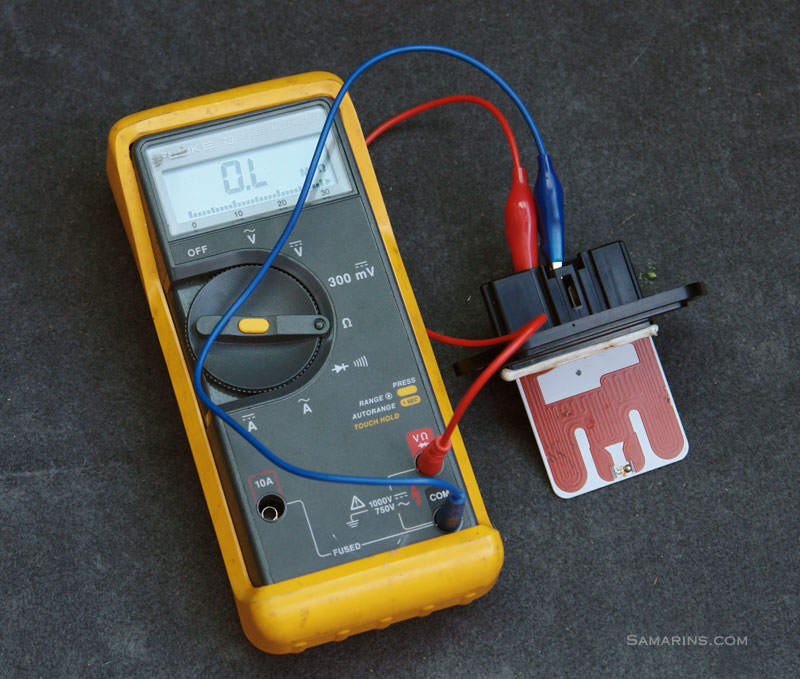
Use a multimeter to measure voltage at the blower motor resistor terminals. First, disconnect the power and set the multimeter to the correct voltage range. Check for power flow when the fan is on. No voltage means a wiring or fuse problem. Voltage without fan operation points to a faulty resistor or motor. This method gives accurate electrical insights.
Common Causes Of Resistor Failure
The blower motor resistor controls the fan speeds in your vehicle’s HVAC system. When this resistor fails, it affects the airflow and comfort inside the car. Understanding common causes of resistor failure helps in quick troubleshooting and repair. These causes often relate to electrical or mechanical issues that wear down the resistor over time.
Overheating Issues
Overheating is a leading cause of blower motor resistor failure. The resistor converts electrical current into heat to control fan speeds. Excessive heat can damage its components. A failing blower motor may draw too much current, causing the resistor to overheat. This leads to melted wires or burnt resistors. Overheating often results in the fan working only on high speed or not at all.
Corroded Wiring
Corroded wiring disrupts the electrical flow to the blower motor resistor. Moisture and dirt cause corrosion on connectors and terminals. Corrosion increases resistance in the circuit, causing poor performance or failure. This can lead to intermittent fan speeds or complete loss of function. Regular inspection and cleaning of wiring help prevent this issue.
Wear And Tear
Wear and tear naturally affect the blower motor resistor over time. Constant use causes the resistor to degrade slowly. Vibration from driving shakes the connections and components. Dust and debris may accumulate inside the resistor housing. These factors combine to reduce efficiency and cause failure. Replacing the resistor at signs of wear keeps the HVAC system working well.
Simple Resistor Fixes
Simple resistor fixes often solve common blower motor problems quickly. These fixes include cleaning connections, replacing the resistor, and securing loose wires. Each step helps restore proper blower motor function. These are easy tasks anyone can try before seeking professional help.
Cleaning Connections
Dirt and corrosion can block electrical flow. Clean the resistor connections with a wire brush or contact cleaner. Make sure all terminals are free of rust and grime. This can improve the blower motor’s performance and prevent overheating. Always disconnect the battery before cleaning to avoid shocks.
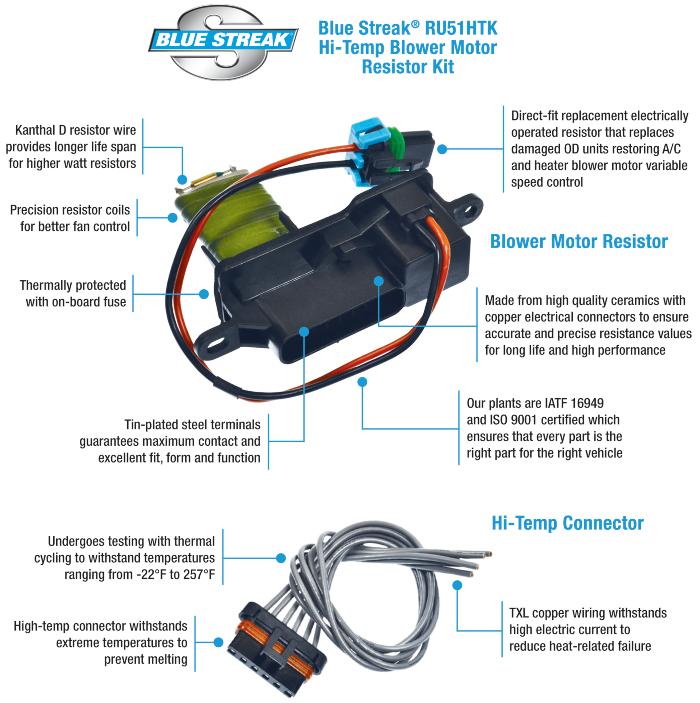
Replacing The Resistor
A damaged resistor causes the blower to work only on high speed or not at all. Remove the faulty resistor by unscrewing it from the blower housing. Purchase the exact replacement part for your vehicle model. Install the new resistor securely and reconnect the wiring. Test the blower motor to ensure it runs at all speeds.
Securing Loose Wires
Loose or broken wires can interrupt power to the resistor. Inspect the wiring harness for any loose or exposed wires. Use electrical tape or wire connectors to secure loose ends. Tighten any loose plugs or sockets. Properly secured wires help maintain steady blower motor operation and prevent shorts.
Credit: www.samarins.com
Preventive Maintenance Tips
Preventive maintenance helps extend the life of your blower motor resistor. Small care steps avoid costly repairs and keep your vehicle comfortable. Regular attention to the system reduces the risk of sudden failures. Simple actions can detect issues early and maintain smooth airflow inside your car.
Regular Inspection
Check the blower motor resistor at least twice a year. Look for signs of wear or damage. Inspect wiring for corrosion or loose connections. Test fan speeds to ensure all settings work properly. Early detection of problems helps fix them quickly and cheaply.
Keeping The System Clean
Remove dust and debris from vents and motor areas. Dirt buildup can cause overheating or block airflow. Use compressed air or a soft brush for cleaning. Clean surroundings prevent resistor damage and improve air quality inside the vehicle. A clean system runs more efficiently and quietly.
Avoiding Overuse
Do not run the blower motor at high speed for long periods. Continuous use stresses the resistor and motor. Turn off the system when not needed. Use lower fan speeds for normal cooling or heating. This practice lowers wear and extends the resistor’s lifespan.
Frequently Asked Questions
How To Tell If The Blower Motor Or Resistor Is Bad?
Check if the fan only works on high speed—this suggests a bad resistor. No airflow or strange noises indicate a faulty blower motor. Intermittent speeds or burning smells often point to resistor issues. Perform a power test and “smack test” to confirm the faulty part.
What Happens When A Resistor Goes Bad?
A bad resistor causes fan speeds to fail except on high, stops airflow, or causes intermittent operation. It may overheat, emitting a burning smell.
Will A Bad Blower Motor Resistor Cause The Blower Motor Not To Work?
A bad blower motor resistor can stop lower fan speeds but usually not the blower motor entirely. It may cut all power, causing no airflow. Test by setting the fan to high; if it works, the resistor likely causes the issue, not the motor.
Can You Clean A Blower Motor Resistor?
Yes, you can clean a blower motor resistor by removing dust and corrosion carefully. Use a soft brush or compressed air. Avoid damaging electrical contacts. Cleaning may improve function but won’t fix internal damage. Replacement is often necessary if cleaning doesn’t resolve issues.
What Are Common Symptoms Of A Bad Blower Motor Resistor?
A bad resistor often causes the fan to work only on high speed. You might also notice no air coming out or inconsistent fan speeds. Sometimes, a burning smell signals resistor overheating.
Conclusion
Troubleshooting a blower motor resistor saves time and money. Identifying symptoms like fan speed issues helps pinpoint the problem. Testing with simple tools can confirm resistor or motor faults. Fixing these parts restores proper airflow and comfort in your vehicle.
Regular checks prevent unexpected failures and keep your system running smoothly. Remember, clear signs make diagnosis easier for every car owner. Stay attentive to changes in fan behavior to catch issues early. Simple steps lead to reliable heating and cooling performance every day.