If you drive a BMW, you know how important it is to keep your car running smoothly. But what happens when that warning light pops up on your dashboard?
Understanding BMW troubleshooting codes can save you time, money, and stress. These codes are like your car’s way of talking to you, revealing exactly what might be wrong under the hood. Whether you’re a DIY enthusiast or just want to know more before visiting your mechanic, this guide will help you decode those mysterious messages.
By the end, you’ll feel confident identifying common BMW fault codes and knowing the right steps to take next. Ready to unlock the secrets behind your BMW’s warning lights? Let’s dive in.

Credit: www.1addicts.com
Bmw Fault Codes Basics
Locating and reading BMW troubleshooting codes is the first step in diagnosing car issues. These codes reveal problems detected by the car’s computer. Understanding how to access and interpret them saves time and money. It helps you know what repairs are needed or if professional help is required.
Finding The Obd-ii Port
The OBD-II port is where you connect a scanner to read codes. In most BMW models, it sits under the dashboard near the steering wheel. Look below the driver’s side, close to the pedals or near the fuse box. The port is a small, trapezoid-shaped connector. It allows communication between the car’s computer and the diagnostic tool.
Using Basic Code Scanners
Basic code scanners are easy to use and affordable. Plug the scanner into the OBD-II port and switch on the ignition without starting the engine. The scanner will display generic trouble codes. These codes start with a “P” and apply to many car brands. They give a general idea of the issue but might lack BMW-specific details.
Advanced Bmw Diagnostic Tools
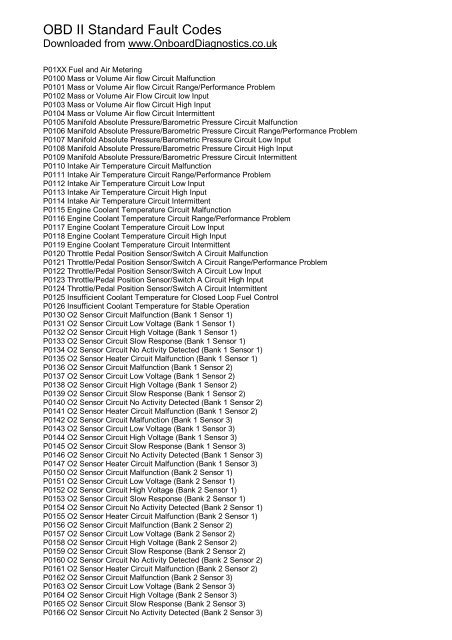
Advanced tools provide deeper insight into BMW-specific problems. Tools like INPA or ISTA read hex codes unique to BMW systems. These scanners show detailed fault information and system tests. They also allow resetting codes and running live data checks. These tools require more knowledge but offer more precise diagnostics for BMW models.
Credit: www.yumpu.com
Locating And Reading Codes
BMW vehicles use specific trouble codes to signal issues within their systems. These codes help identify problems quickly. Understanding common BMW trouble codes saves time and money. It also helps in deciding whether to fix the car at home or see a mechanic. Codes fall into categories: generic, manufacturer-specific, and dashboard warnings.
Frequent Generic Codes
Generic codes appear in many car brands, including BMW. They start with the letter “P,” followed by four digits. For example, P0300 means a random engine misfire. P0171 indicates a lean fuel mixture. P0420 signals a catalytic converter issue. P0442 shows a small leak in the evaporative emissions system. These codes guide basic troubleshooting.
Typical Manufacturer-specific Codes
BMW uses unique codes for advanced diagnostics. These codes often include letters and numbers, such as P1014 or 2A87. They relate to specific BMW systems like Valvetronic or VANOS. These codes need special scan tools to read. They provide detailed info about engine and transmission faults.
Dashboard Warning Examples
The dashboard shows warning lights and CC-ID codes. For example, CC-ID 63 can indicate an immobilizer issue. Other lights include the check engine, ABS, or oil pressure warnings. These signals tell drivers when to check the vehicle or seek help. Recognizing these helps prevent major damage.
Common Bmw Trouble Codes
BMW troubleshooting codes often signal common issues that you can fix quickly. These simple solutions save time and money. Understanding quick fixes helps keep your BMW running smoothly. Below are easy steps for common problems that BMW owners face.
Tightening Gas Cap And Checking Filters
A loose gas cap can trigger warning lights. Tighten it firmly to stop fuel vapor leaks. Check the air filter for dirt and blockage. Clean or replace it to improve engine performance. A clean filter helps your car breathe better and run efficiently.
Oil Level And Fluid Checks
Low oil levels cause engine trouble. Check the oil using the dipstick and add if needed. Inspect other fluids like coolant, brake, and transmission fluids. Keep all fluids at proper levels for smooth operation. Regular checks prevent serious damage and costly repairs.
Resetting Codes Safely
After fixing issues, reset the trouble codes to clear warnings. Use an OBD-II scanner designed for BMW vehicles. Avoid disconnecting the battery, as it may cause other problems. Resetting helps the car’s computer update and monitor new conditions correctly.
Quick Fixes For Common Issues
Diagnostic mode tricks help you find BMW problems fast. You can check codes without extra tools. This saves time and money. Understanding these tricks is useful for all BMW owners. It makes troubleshooting easier and more effective.
Entering Bmw Diagnostic Mode
Turn off the engine and keep the key out. Press the brake pedal fully. Press the start button three times quickly. Do not hold the pedal during this step. The dashboard lights will blink. This means your BMW is in diagnostic mode. Now, you can read trouble codes.
Reading Codes Without A Scanner
Watch the check engine light carefully. It will flash in a pattern. Long flashes show the first digit. Short flashes show the second digit. Pause between flashes means a break between codes. Write down each number as it appears. Repeat until the light stops flashing. This is your BMW’s error code.
Interpreting Multiple Codes
BMWs can store several codes at once. Each code points to a specific issue. Write down all codes you find. Check each code separately to understand problems. Some codes may relate to engine parts. Others might concern sensors or electronics. Knowing multiple codes helps fix the car better.
Diagnostic Mode Tricks
Knowing when to seek professional help for BMW troubleshooting codes is crucial. Some issues require expert knowledge and special equipment. Trying to fix complex problems alone can cause more harm than good. Recognizing the limits of DIY repairs protects your vehicle and saves time.
Professional mechanics have the experience to handle intricate BMW systems. They use precise diagnostic tools that provide accurate readings. This ensures the right problem gets fixed quickly and safely. Understanding when to call a pro prevents costly mistakes and frustration.
Complex Systems Like Vanos And Valvetronic
BMW engines use advanced systems such as VANOS and Valvetronic. These control variable valve timing and lift for better performance. Diagnosing faults in these systems is difficult without expertise. Small errors in repair can cause engine damage or poor running. Professionals know how to test and fix these parts safely.
Specialist Tools Needed
BMW troubleshooting often requires special diagnostic tools. Basic OBD-II scanners show generic codes but miss BMW-specific ones. Tools like INPA and ISTA read detailed manufacturer codes. These devices help pinpoint exact faults quickly. Without them, guessing the issue becomes common and risky.
Avoiding Common Diagnostic Pitfalls
Many BMW owners misinterpret fault codes or skip basic checks. Some codes are warnings, not urgent problems. Others may clear after simple fixes like tightening the gas cap. Professionals avoid these pitfalls by following a clear diagnostic process. This prevents unnecessary repairs and wasted money.

Credit: www.scribd.com
When To Seek Professional Help
Understanding BMW troubleshooting codes requires access to reliable resources. These resources help decode the error messages your BMW displays. With the right tools, you can quickly identify and address issues. Here are some valuable resources that assist in decoding BMW codes effectively.
Online Code Lookup Tools
Online code lookup tools simplify the process of identifying BMW fault codes. Enter the code from your car’s scanner to get clear explanations. These tools often include both generic and BMW-specific codes. Many are free and easy to use on any device. They save time and help you learn about your vehicle’s issues fast.
Bmw Fault Code Databases
BMW fault code databases store extensive information about diagnostic trouble codes. These databases cover generic OBD-II codes and BMW-specific hex codes. They provide detailed meanings and possible causes of each code. Technicians and DIY enthusiasts rely on these databases for accurate diagnostics. Accessing a comprehensive database improves your troubleshooting accuracy.
Helpful Forums And Communities
Forums and online communities offer support from BMW owners and experts worldwide. You can share your fault codes and get advice from experienced members. These platforms often contain threads about common problems and solutions. Members post step-by-step guides and troubleshooting tips. Joining a community helps you solve issues faster and learn from others’ experiences.
Frequently Asked Questions
What Are The Common Bmw Error Codes?
Common BMW error codes include P0300 (misfire), P0171 (lean mixture), P0420 (catalyst efficiency), and P0442 (evap leak). BMW-specific codes like P1014 and 2A87 indicate sensor or system faults. Use a BMW scanner to identify and diagnose these accurately.
How To Check Bmw Fault Code?
Locate the OBD-II port under the dashboard near the steering column. Plug in a compatible scanner. Turn ignition on without starting the engine. Read and record the displayed fault codes. Use BMW-specific software like INPA or ISTA for detailed diagnostics.
Consult a professional for complex codes.
How To Run A Diagnostic On A Bmw?
Locate the OBD-II port under the dashboard. Connect a BMW-compatible scanner. Turn ignition on without starting the engine. Run the diagnostic scan. Review and record fault codes. Use specialized software like INPA or ISTA for detailed analysis. Consult a professional for complex codes.
How To Read Fault Codes Without A Scanner?
Locate your car’s OBD-II port, usually under the dashboard. Use the ignition key sequence to enter diagnostic mode. Count the check engine light flashes to decode fault codes manually. Consult your vehicle’s manual for code meanings and troubleshooting steps.
What Are Common Bmw Troubleshooting Codes To Know?
Common BMW codes include P0300 (random misfire) and P0420 (catalyst efficiency). Some are generic, others are BMW-specific. Knowing these helps identify car issues fast.
Conclusion
BMW troubleshooting codes help identify car problems quickly and clearly. Reading these codes saves time and money on repairs. Simple tools can reveal generic codes, while advanced scanners show BMW-specific details. Always check basic parts first, like gas caps and filters.
Some issues need expert help with special tools. Understanding codes helps keep your BMW running smoothly and safely. Stay informed, act early, and avoid bigger problems later. Troubleshooting codes make maintenance easier for every BMW owner.