If you’ve ever faced the frustration of your boat engine acting up just when you’re ready to hit the water, you know how stressful it can be. Whether your engine won’t start, overheats, or sputters at the worst moment, these problems can quickly turn your day around.
But don’t worry—you don’t have to be an expert mechanic to troubleshoot common boat engine issues. In this guide, you’ll discover simple, clear steps to identify and fix the most frequent engine troubles. By understanding what’s going wrong and how to address it, you’ll save time, avoid costly repairs, and get back to enjoying your boating adventures faster.
Ready to take control of your boat engine’s health? Let’s dive in and solve those problems together.

Credit: boatingmag.com
Fuel System Issues
Fuel system issues rank among the top reasons boat engines fail to work properly. Problems in this system can stop your engine from starting or cause it to lose power during operation. Understanding common fuel system troubles helps keep your boat running smoothly and safely on the water.
Starting Problems
Starting problems often arise from old or contaminated fuel. Fuel left in the tank too long can degrade and block the engine’s flow. Air trapped in fuel lines or a weak fuel pump can also prevent the engine from firing up. Checking these parts first saves time and avoids frustration.
Power Loss And Sputtering
Power loss or sputtering usually signals dirty carburetors or clogged fuel filters. Bad fuel quality also causes uneven engine running and poor acceleration. These symptoms reduce your boat’s performance and may lead to stalling in tough conditions.
Fuel Line And Filter Checks
Inspect fuel lines for cracks, leaks, or kinks that restrict fuel flow. Replace any damaged lines immediately. Fuel filters trap dirt and debris but need regular cleaning or swapping out. A clogged filter chokes the engine and cuts power sharply.
Using Fresh Fuel And Stabilizers
Using fresh fuel is key to avoiding many engine troubles. Fuel breaks down over time, leading to varnish and deposits. Adding fuel stabilizers keeps fuel fresh longer and prevents corrosion inside the tank. Always fill up before long storage periods.
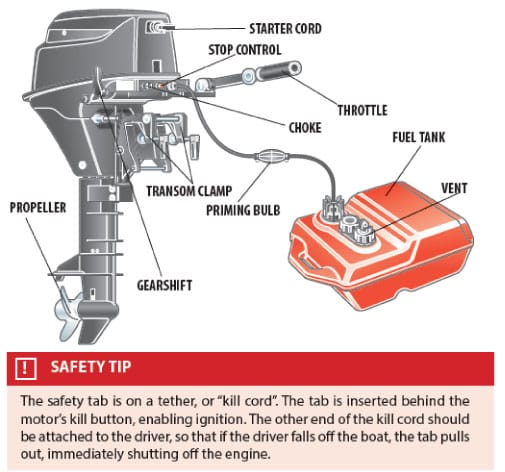
Credit: americansailing.com
Electrical Troubles
Electrical troubles can stop your boat engine from running smoothly. These issues often cause starting problems or sudden power loss. Checking electrical parts regularly keeps your engine reliable on water.
Battery And Terminals
The battery supplies power to start the engine and run electronics. A weak or dead battery prevents the engine from starting. Clean battery terminals remove corrosion that blocks electricity flow. Tighten loose connections to avoid power loss. Use a voltmeter to check battery charge levels before each trip.
Spark Plugs And Wiring
Spark plugs ignite the fuel-air mix inside the engine. Dirty or worn plugs cause misfires or rough running. Inspect spark plugs for carbon buildup or damage. Check wiring for cracks or loose ends that stop electricity flow. Replace faulty spark plugs and fix wiring to restore engine power.
Kill Switch And Connections
The kill switch stops the engine in emergencies. A broken switch or loose connection can prevent the engine from starting or cause it to shut down unexpectedly. Test the kill switch regularly by turning it on and off. Secure all connections and replace damaged parts to ensure safe operation.
Cooling System Fixes
The cooling system is vital for your boat engine’s health. It keeps the engine temperature in a safe range. When the cooling system fails, the engine can overheat and get damaged quickly. Fixing cooling problems early saves time and money. Below are key areas to check and fix in the cooling system.
Water Intake Blockages
Water must flow freely into the cooling system. Debris like seaweed, mud, or plastic can block water intakes. Check the intake screens and clean them regularly. Use a flashlight to inspect for hidden blockages. Clear any obstruction to restore good water flow. Without proper water intake, the engine can overheat fast.
Impeller And Thermostat
The impeller pumps water through the engine. It is usually made of rubber and can wear out or crack. Replace the impeller every season or if you notice reduced water flow. The thermostat controls the engine temperature. It opens and closes to regulate water flow. A stuck thermostat can cause overheating or poor warming up. Test the thermostat by heating it in water. Replace it if it does not open at the correct temperature.
Preventing Overheating
Overheating harms the engine and causes breakdowns. Check cooling parts before each trip. Flush the cooling system with fresh water after use in saltwater. Maintain proper coolant levels if your engine uses antifreeze. Avoid running the engine at full throttle for long periods. Watch the temperature gauge during operation. Stop the engine immediately if it overheats and troubleshoot the cause. Regular care keeps your engine cool and running smoothly.
Credit: www.modernsailing.com
Mechanical And Performance
Mechanical and performance problems can affect your boat engine’s reliability and safety. These issues often show up as unusual noises, difficulty shifting gears, or unexpected stalling. Understanding common mechanical problems helps you spot trouble early and keep your boat running smoothly. Quick checks and regular maintenance reduce the risk of breakdowns on the water.
Shifting And Gear Issues
Difficulty shifting gears may indicate worn clutch parts or low transmission fluid. Stuck gears often result from cable misalignment or damaged linkages. Check gear oil level and condition regularly. Replace or adjust cables if shifting feels rough or delayed. Smooth gear changes improve control and prevent engine strain.
Vibration And Propeller Checks
Excessive vibration can damage the engine and reduce performance. Inspect the propeller for dents, cracks, or fishing line wrapped around the shaft. A bent propeller causes imbalance and vibration. Tighten loose mounting bolts and replace damaged parts immediately. Proper propeller condition ensures efficient power transfer and a stable ride.
Idle Stalling Causes
Engine stalling at idle often results from dirty carburetors or fuel system issues. Check for clogged fuel filters and replace if needed. Inspect spark plugs for fouling and replace old ones. Vacuum leaks can cause unstable idle speeds. Clean or replace air filters regularly. Stable idle keeps your engine ready for smooth acceleration.
Routine Maintenance Tips
Routine maintenance keeps your boat engine running smoothly and avoids costly repairs. Regular checks help spot small problems early. Simple tasks can extend engine life and improve performance. Follow these maintenance tips to protect your boat engine all year.
Cleaning And Grime Removal
Keep the engine free from dirt and grime. Use a soft brush and mild detergent to clean the exterior. Avoid harsh chemicals that can damage parts. Clean around the spark plugs and fuel system to prevent buildup. Remove salt deposits after each use to stop corrosion.
Propeller Care
Inspect the propeller regularly for damage or wear. Remove fishing line or debris wrapped around the prop shaft. Check for dents, cracks, or bends that reduce efficiency. Tighten the propeller nut to the correct torque. Replace damaged propellers to avoid vibration and engine strain.
Winterization Steps
Prepare the engine for storage during cold months. Drain fuel or add stabilizer to prevent fuel system damage. Change the engine oil and replace oil filters. Flush the cooling system with fresh water to remove salt and dirt. Store the engine in a dry, covered space to avoid moisture buildup.
Frequently Asked Questions
How Do I Troubleshoot Boat Engine Problems?
Check fuel quality and filters for clogs or damage. Inspect battery, spark plugs, and wiring connections. Examine cooling system for blockages or pump issues. Test mechanical parts like linkages and propeller. Replace worn components and clean carburetors to restore engine performance.
What Are The Most Common Engine Problems?
Common engine problems include ignition failures, overheating, oil leaks, faulty fuel injectors, sensor malfunctions, exhaust blockages, and electrical issues like battery or wiring faults.
What Is The Most Common Problem With Outboard Motors?
The most common problem with outboard motors is fuel system issues like old gas, clogged filters, or air in lines. These cause starting failures, sputtering, and power loss. Regular maintenance, fresh fuel, and cleaning filters prevent these problems effectively.
Why Does My Boat Cut Off When I Give It Gas?
Your boat cuts off when you give it gas due to fuel issues, clogged filters, faulty spark plugs, or electrical problems. Check fuel quality, clean or replace filters, inspect spark plugs, and secure electrical connections to fix this.
How Do I Troubleshoot Common Boat Engine Problems?
Check the fuel system for clogs or old gas first. Inspect electrical connections and battery voltage next. Also, examine the cooling system for blockages or leaks.
Conclusion
Boat engine troubles can disrupt any trip on the water. Regular checks help spot problems early and keep your engine running well. Pay attention to fuel, electrical, and cooling systems to avoid common issues. Simple maintenance can prevent costly repairs and improve safety.
Stay patient, follow basic steps, and your boat will perform better. Troubleshooting may seem tough, but clear guidance makes it easier. Keep learning and practicing for smoother boating adventures every time.