Is your boiler acting up when you need it most? Whether it’s not heating your home properly or making strange noises, boiler troubles can quickly turn from a minor annoyance into a major headache.
You don’t have to feel stuck or helpless. Understanding the common issues and knowing how to spot them early can save you time, money, and stress. In this guide, you’ll discover simple steps to troubleshoot your boiler and learn when it’s best to call in a professional.
Keep reading to take control of your boiler’s health and keep your home warm and safe all year round.
Credit: www.staggsplumbing.co
Common Boiler Issues
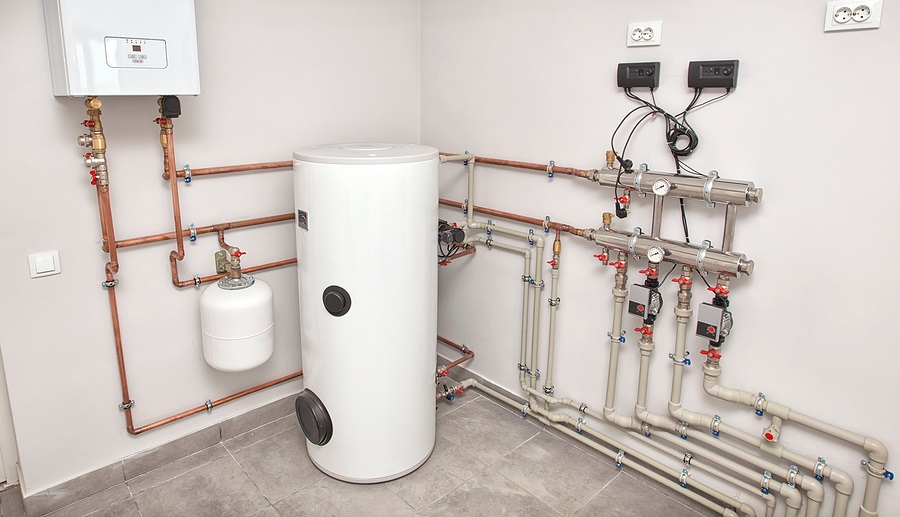
Boilers often face common problems that can disrupt heating and hot water supply. Understanding these issues helps in quick identification and repair. Many problems arise from wear, pressure changes, or blockages. Regular checks reduce the risk of breakdowns and costly repairs.
Low Pressure
Low boiler pressure stops the system from working well. The pressure gauge shows if pressure is below the normal range. This may happen due to leaks or after bleeding radiators. Repressurizing the system often solves this problem.
Leaks And Drips
Leaks usually come from seals, valves, or pipe joints. Water dripping causes damage and lowers pressure. Small leaks need fast attention to avoid bigger issues. Check around the boiler and pipes for wet spots or puddles.
Unusual Noises
Strange sounds like banging or whistling signal problems inside the boiler. Kettling noise happens when limescale blocks heat flow. Air trapped in pipes also causes noise. These sounds mean the boiler needs servicing soon.
No Heat Or Hot Water
When the boiler runs but no heat or hot water comes out, the problem may be the thermostat or a frozen pipe. Sometimes, the pilot light goes out. Electrical faults or a broken pump can stop the boiler from working.
Frozen Pipes
Cold weather can freeze pipes connected to the boiler. Frozen pipes block water flow and can burst if not fixed. Insulating pipes and keeping the heating on low during winter helps prevent freezing.
Pilot Light Problems
The pilot light ignites the burner. If it goes out, the boiler stops heating. Causes include a faulty thermocouple, gas supply issues, or dirt buildup. Relighting the pilot light may solve the issue, but a technician should check persistent faults.
Cold Radiators
Radiators staying cold mean heat is not circulating properly. Air trapped inside or sludge buildup blocks heat transfer. Bleeding radiators removes air, while power flushing clears sludge. Both improve heating efficiency.

Credit: thefurnaceoutlet.com
Quick Diy Checks
Quick DIY checks can save time and avoid costly repairs. Many boiler issues are simple to spot and fix. These basic steps help keep your system running smoothly. Follow these easy checks before calling a professional.
Checking Pressure Gauge
Look at the pressure gauge on your boiler. Normal pressure is usually between 1 and 2 bars. If pressure is too low, your boiler may not work well. Increase pressure by adding water through the filling loop. If pressure is too high, release some water through a radiator valve.
Replacing Thermostat Batteries
Thermostats control your boiler’s heating. Weak or dead batteries can stop it from working. Open the thermostat and remove old batteries. Replace with new ones of the correct type. Test if the thermostat now controls the boiler correctly.
Thawing Frozen Pipes
Frozen pipes block water flow and stop heating. Look for cold or frozen sections of pipe. Warm the frozen pipe gently using a hairdryer or warm cloth. Never use open flames. Once thawed, check for leaks and restore boiler function.
Using Reset Button
Many boilers have a reset button to clear minor faults. Locate the reset button on your boiler panel. Press and hold it for a few seconds. Release and wait to see if the boiler restarts. Use this only a few times before seeking professional help.
Fixing Low Pressure
Low pressure in a boiler system can cause poor heating and hot water issues. It often leads to the boiler shutting down for safety reasons. Fixing low pressure is important to keep your home warm and your system running efficiently.
Repressurizing The System
Check the pressure gauge on your boiler. The normal pressure is usually between 1 and 1.5 bar when the system is cold. If it is below 1 bar, you need to add water to the system.
Locate the filling loop, a flexible silver or braided hose with valves. Open the valves slowly to allow water into the system. Watch the pressure gauge and close the valves once it reaches the correct level.
Do not overfill. Overpressure can cause leaks or damage to the boiler. If unsure, consult the boiler manual or a professional.
Finding And Repairing Leaks
Leaks reduce boiler pressure by letting water escape. Look for water around pipes, valves, and the boiler itself. Check under radiators and near the pressure relief valve.
Small leaks may be fixed by tightening connections or replacing washers. Larger leaks need a plumber’s attention to avoid damage.
Regularly inspect your system to catch leaks early. Prompt repair prevents pressure loss and costly repairs.

Credit: www.myboilerservice.com
Handling Leaks Safely
Handling leaks safely is critical to maintain your boiler’s performance and protect your home. Leaks can cause water damage and create hazards if not addressed correctly. Acting quickly helps reduce risks and costly repairs. This guide explains how to identify leak sources and avoid electrical damage during leaks.
Identifying Leak Sources
Check the boiler carefully to find where water escapes. Common leak points include valves, pipe joints, and seals. Look for drips or puddles below the unit. Corrosion or rust spots often signal slow leaks. Use a flashlight to inspect hidden areas. Mark the source clearly to inform your technician or for future reference.
Avoiding Electrical Damage
Water and electricity create dangerous conditions. Turn off the boiler’s power supply immediately if you spot a leak. Avoid touching any electrical parts with wet hands or tools. Place towels or containers to catch dripping water and protect wiring. Call a professional to fix leaks near electrical components safely. Never try to repair electrical parts yourself.
Reducing Boiler Noises
Boiler noises can disturb your home’s comfort and signal underlying problems. Reducing these sounds improves your boiler’s performance and lifespan. Many noises come from common issues like limescale buildup or trapped air. Fixing these helps your boiler run quietly and efficiently.
Clearing Limescale Buildup
Limescale forms when hard water heats inside the boiler. It creates a crusty layer on heat exchangers. This layer causes banging or kettling noises. To clear it, use a descaling solution made for boilers. Turn off the boiler and let it cool first. Follow the product instructions carefully. Removing limescale improves heat flow and stops noises.
Releasing Trapped Air
Air trapped in the system causes gurgling or banging sounds. It blocks water flow and reduces heating. Bleed your radiators to release trapped air. Use a radiator key and turn the valve slowly. Wait until water starts to flow, then close the valve. Repeat this for all radiators. This simple step lowers noise and improves heating efficiency.
Resolving Heating Failures
Heating failures in boilers cause discomfort and disrupt daily routines. Quick action helps restore warmth fast. Understanding common causes simplifies repair. This section guides you through essential checks and fixes.
Checking The Thermostat
The thermostat controls your boiler’s temperature. Start by ensuring it is set to the desired heat level. Check if the display is working and the batteries are fresh. A faulty thermostat may stop sending signals to the boiler. Resetting or replacing it often solves heating issues.
Inspecting The Pump
The pump moves hot water through the system. Listen for unusual noises or vibrations from the pump. A stuck or broken pump can block heat flow. Switch off the boiler and carefully check the pump for any visible damage. Cleaning or replacing the pump may be necessary to restore function.
Addressing Frozen Pipes
Frozen pipes block water flow, stopping heat distribution. Look for cold or bulging pipes near unheated areas. Thaw frozen pipes slowly using warm towels or a hairdryer on low heat. Avoid open flames to prevent damage. Insulating pipes helps prevent freezing during cold weather.
Pilot Light Issues
The pilot light is a small flame that ignites the boiler’s burner. It must stay lit for the boiler to work properly. Pilot light issues are common and can cause the boiler to stop heating. Problems include the pilot light going out or not lighting at all. These issues can be caused by dirt, a faulty thermocouple, or gas supply problems. Fixing pilot light problems can often restore your boiler’s function quickly and safely.
Relighting The Pilot
First, turn off the boiler and wait for a few minutes. This allows any gas to clear safely. Find the pilot light assembly on your boiler. You may need to open a small door or panel. Turn the gas valve to the “pilot” position. Hold down the reset button or gas control knob. Use a lighter or match to light the pilot flame. Keep holding the button for 20 to 30 seconds. Release the button slowly and check if the pilot stays lit. If it goes out, repeat the steps. If it still won’t stay lit, the issue may need further repair.
Replacing The Thermocouple
The thermocouple detects if the pilot light is on. It shuts off gas if the flame goes out for safety. A faulty thermocouple often causes pilot light problems. Turn off the boiler and gas supply before starting. Locate the thermocouple near the pilot light. Unscrew the thermocouple from the gas valve and pilot bracket. Fit a new thermocouple in the same position. Screw it tightly to the gas valve and pilot bracket. Turn the gas back on and relight the pilot light. The pilot should now stay lit if the thermocouple was the problem.
Improving Radiator Performance
Radiators play a key role in heating your home efficiently. Poor radiator performance can lead to uneven warmth and higher energy bills. Improving their function ensures better heat distribution and comfort. Simple maintenance tasks can make a big difference in how well your radiators work.
Bleeding Radiators
Air trapped inside radiators stops hot water from filling them fully. This causes cold spots and reduces heat output. Bleeding your radiators removes this trapped air. Use a radiator key to open the valve slightly. You will hear a hissing sound as air escapes. When water starts to flow steadily, close the valve tightly. Repeat this for all radiators that feel cold at the top.
Removing Sludge Blockages
Sludge is a mix of rust and dirt that builds up inside radiators and pipes. It blocks water flow and lowers heating efficiency. Sludge can cause cold patches and strange noises. Flushing the system helps remove sludge. A professional can use special chemicals and power flushing machines. This cleans the pipes and radiators thoroughly. Regular cleaning keeps your heating system running smoothly and saves energy.
When To Call Experts
Knowing when to call experts for boiler issues can save time and avoid danger. Some problems need professional skills for safe and effective repair. Trusting a trained technician protects your home and health.
Below are key signs that signal the need for expert help. Quick action prevents bigger problems and costly damage.
Handling Electrical Problems
Boilers rely on electrical parts to work properly. Flickering lights or tripped breakers around your boiler mean electrical faults. These issues can cause complete failure or fire risks. Avoid trying to fix electrical faults yourself. Call a professional electrician or boiler technician to inspect and repair safely.
Dealing With Gas Smells
Smelling gas near your boiler is an emergency. Gas leaks can lead to explosions or poisoning. Shut off the gas supply immediately if you detect a smell. Do not operate switches or flames. Contact your gas company or a certified technician right away to find and fix leaks.
Persistent Noises And Breakers
Unusual noises like banging or whistling often mean internal boiler problems. If the boiler keeps tripping your circuit breaker, it may have electrical or mechanical faults. These symptoms need expert diagnosis. Ignoring them can worsen damage and increase repair costs. Schedule a professional inspection for safe and thorough repairs.
Safety Tips
Safety is the top priority when troubleshooting your boiler. Boilers deal with gas and heat, both can be dangerous without care. Understanding safety tips helps prevent accidents and protects your home.
Always follow basic safety steps before starting any boiler work. Use protective gear and ensure good ventilation. Never ignore warning signs or strange smells around your boiler.
Carbon Monoxide Risks
Carbon monoxide is a deadly gas that is invisible and odorless. Faulty boilers can leak this gas into your home. Symptoms of carbon monoxide poisoning include headache, dizziness, and nausea.
Install a carbon monoxide detector near your boiler. Check it regularly to ensure it works. If the alarm sounds, leave the building immediately and call for help.
Never try to fix gas leaks yourself. Contact a certified technician for any gas-related issues. Regular boiler servicing reduces carbon monoxide risks significantly.
Emergency Procedures
Have a clear plan in case of a boiler emergency. Know how to shut off the gas supply quickly. Locate your gas meter and main valve before starting any work.
If you smell gas, avoid using electrical switches or phones inside your home. Open windows and doors to let fresh air in. Leave the house and call emergency services from outside.
Keep a fire extinguisher nearby and know how to use it safely. Make sure everyone in the home knows these emergency steps. Quick action can save lives and prevent damage.
Frequently Asked Questions
What Are The Most Common Boiler Problems?
Common boiler problems include low pressure, leaks, kettling noises, no heat or hot water, frozen condensate pipes, pilot light failure, thermostat faults, and cold radiators. These often result from trapped air, scale buildup, electrical issues, or frozen pipes and may require professional repair to ensure safety.
How Do You Troubleshoot A Boiler?
Check boiler pressure and repressurize if low. Inspect thermostat and replace dead batteries. Thaw frozen pipes carefully. Listen for unusual noises. Bleed radiators to remove trapped air. Verify pilot light ignites properly. Call a professional if leaks or persistent issues occur.
Why Is My Boiler Not Firing Up?
Your boiler may not fire up due to low pressure, thermostat issues, a frozen condensate pipe, or ignition failure. Check pressure levels, thermostat settings, and pilot light. Thaw frozen pipes gently. Persistent problems need professional repair to avoid damage or safety risks.
How Do I Reset The Boiler?
To reset the boiler, locate the reset button on the control panel. Press and hold it for 10 seconds. Release and wait for the boiler to restart. Check the pressure gauge and ensure it is within the recommended range. Consult your manual for specific instructions.
What Are Common Causes Of Boiler Pressure Drops?
Low boiler pressure often happens due to leaks or when the system needs repressurizing. Check for visible leaks or bleed radiators to fix trapped air. Maintaining correct pressure helps the boiler work efficiently and safely.
Conclusion
Boiler troubleshooting helps keep your heating system working well. Simple checks like pressure levels and thermostat settings save time. Fix small problems early to avoid costly repairs. Always watch for leaks or strange noises in your boiler. Some issues need a professional’s help for safety.
Regular maintenance extends your boiler’s life and improves efficiency. Stay alert and act quickly to keep warm all winter.