Is your Bosch dishwasher acting up right when you need it most? Whether it’s not draining properly, leaving your dishes dirty, or flashing that confusing red light, these issues can quickly turn a simple chore into a frustrating hassle.
But don’t worry—you don’t have to call a repair service just yet. In this guide, you’ll discover easy, step-by-step troubleshooting tips that you can do yourself to get your Bosch dishwasher back in top shape. From fixing common leaks and clogs to understanding what those blinking lights really mean, we’ll help you save time, money, and stress.
Ready to take control and solve your dishwasher problems today? Keep reading!
Common Bosch Dishwasher Issues
Bosch dishwashers are known for their reliability, but they can face some common issues. Understanding these problems helps in quick fixes and better maintenance. This section highlights frequent Bosch dishwasher troubles and their causes.
Many users report problems like poor cleaning, leaks, drainage issues, valve faults, and door seal problems. These issues often affect dishwasher performance and user experience. Knowing what to check can save time and avoid costly repairs.
Poor Cleaning
Food residue left on dishes is a typical complaint. Clogged spray arms or dirty filters often cause poor cleaning. Sometimes, using the wrong detergent or overloading the dishwasher reduces cleaning efficiency. Regularly cleaning the spray arms and filters improves performance.
Leaking Problems
Leaks usually come from damaged door seals or loose hose connections. A cracked tub or faulty water inlet valve can also cause leaks. Inspect hoses and seals for wear or damage. Tightening loose connections prevents water from escaping.
Drainage Failures
Water not draining properly stops the dishwasher from completing cycles. Blocked drain hoses or filters often cause drainage failures. Food particles or debris can clog the drain pump. Cleaning the drain area regularly helps avoid this problem.
Water Inlet Valve Faults
The water inlet valve controls water flow into the dishwasher. If it malfunctions, the dishwasher may overfill or not fill at all. A faulty valve may cause error messages or leaks. Testing and replacing the valve can restore normal water flow.
Door Seal Issues
Worn or damaged door seals lead to leaks and error codes. Seals lose flexibility over time or get dirty, affecting the dishwasher’s ability to close tightly. Cleaning or replacing the door seal ensures a proper seal and prevents leaks.
Diagnosing Bosch Dishwasher Problems
Diagnosing problems with a Bosch dishwasher requires a systematic approach. Identifying the cause helps fix the issue quickly. Start with basic checks and move to more detailed inspections. This method saves time and avoids unnecessary repairs.
Power And Door Checks
Ensure the dishwasher is plugged into a working outlet. Check the power source by testing other devices in the same socket. Confirm the door closes fully and the latch clicks securely. A loose door prevents the dishwasher from starting. Inspect the door seal for damage or debris blocking closure.
Control Panel Indicators
Look at the control panel for error lights or messages. These indicators show specific problems like water supply issues or door latch faults. Press each button to check responsiveness. Unresponsive buttons may mean a faulty control board or a locked panel. Reset the dishwasher by turning it off and on to clear minor errors.
Water Supply Inspection
Verify the water supply valve is open. Check the inlet hose for kinks or clogs. A blocked hose stops water flow into the dishwasher. Inspect the water inlet valve for leaks or damage. Low water pressure causes poor cleaning and incomplete cycles. Clean filters and spray arms regularly to maintain water flow.
Testing Thermal Fuse And Door Switch
Use a multimeter to test the thermal fuse for continuity. A blown fuse cuts power to the dishwasher. Check the door switch to ensure it activates when the door closes. A faulty door switch prevents the dishwasher from starting. Replace defective parts with Bosch-approved components for safety and performance.
Red Flashing Light Causes
The red flashing light on a Bosch dishwasher signals a problem. It alerts users to issues that need attention. Understanding the causes helps fix the problem quickly. Several common reasons trigger this warning light.
Door Latch Problems
The dishwasher may not start if the door latch is faulty. The machine thinks the door is open or not locked. Check if the door closes firmly and locks properly. Clean the latch area to remove any debris. Replace the latch if it looks damaged or worn out.
Low Rinse Aid
A red flashing light can mean the rinse aid is low. Rinse aid helps dishes dry without spots or streaks. Open the rinse aid dispenser and check the level. Refill with the correct rinse aid type if it is empty. Regular refills keep your dishwasher working well.
Clogged Filters And Drains
Dirty filters or blocked drains cause water flow problems. This can trigger the red flashing light. Remove and clean the filters with warm water. Check the drain for any food or debris blocking it. Cleaning these parts improves dishwasher performance and stops errors.
Water Supply Interruptions
The dishwasher needs a steady water supply to operate. Interruptions or low water pressure cause the red light to flash. Ensure the water valve is open and hoses are not kinked. Inspect the inlet hose for leaks or damage. Fix any supply issues to restore normal function.

Credit: www.vicentetorns.com
Fixing Door Latch And Seal Issues
Fixing door latch and seal issues is key to keeping a Bosch dishwasher working well. A faulty door latch can stop the dishwasher from starting. Worn or damaged seals may cause leaks or error lights. Checking these parts regularly helps prevent bigger problems.
This section explains easy ways to secure the door and check seals and racks. These steps save time and avoid costly repairs. Follow simple tips to maintain your dishwasher’s performance.
Securing The Door
Start by closing the door firmly. The latch must catch securely for the dishwasher to run. Open the door and inspect the latch for damage or dirt. Clean any debris that blocks the latch from closing properly. Press the door shut and listen for a click sound. This click means the latch is locked. If the door feels loose, the latch may need replacement.
Test the door by lightly pushing it once closed. It should not open without pressing the release. A loose door causes error signals and stops the wash cycle. Tighten any loose screws around the latch area. These small fixes improve the door’s hold and dishwasher safety.
Checking Seals And Racks
Next, examine the door seal for cracks or gaps. The rubber seal keeps water inside during washing. Clean the seal with a damp cloth to remove food particles and grime. A dirty seal can cause leaks and trigger error lights. Look for tears or hard spots that reduce its flexibility. Replace the seal if it is damaged or worn.
Check the dishwasher racks for objects blocking the door seal. Large items may prevent the door from closing fully. Rearrange dishes so the door closes without resistance. Clear any stuck utensils or debris from rack corners near the seal. Proper rack placement protects the seal and stops leaks.
Cleaning Filters And Drains
Cleaning filters and drains keeps your Bosch dishwasher running smoothly. Dirt and food particles block water flow. This causes poor cleaning and drainage issues. Regular cleaning prevents clogs and extends the dishwasher’s life.
Focus on filters and drain hoses. These parts catch most debris. Clean them often to avoid problems. Follow simple steps to remove buildup safely and quickly.
Removing Debris From Filters
Start by opening the dishwasher door. Locate the filter at the bottom. Twist and lift it out carefully. Rinse the filter under running water.
Use a soft brush to scrub away stuck particles. Avoid harsh tools that can damage the filter. Check the filter housing for leftover debris. Clean it with a damp cloth.
Replace the filter securely before closing the door. Clean filters improve water flow and cleaning power.
Clearing Drain Hose Kinks
Inspect the drain hose behind your dishwasher. Make sure it is straight and free from bends. Kinks block water drainage and cause leaks.
Gently move the hose to remove any sharp bends. If the hose is damaged, replace it promptly. A clear drain hose ensures water exits properly after each wash.
Refilling And Managing Rinse Aid
Refilling and managing rinse aid is essential for keeping a Bosch dishwasher running smoothly. Rinse aid helps dishes dry faster and prevents water spots. Regular maintenance of the rinse aid system improves cleaning results and extends the appliance’s life.
Understanding how to refill and monitor rinse aid ensures optimal dishwasher performance. It is a simple task that anyone can do with a few basic steps.
Refill Techniques
Open the dishwasher door and locate the rinse aid dispenser. It is usually near the detergent compartment. Twist the cap counterclockwise to open it. Use a funnel or pour rinse aid directly into the dispenser. Fill it until the liquid reaches the max fill line. Avoid overfilling to prevent leaks. Close the cap tightly to avoid spills. Wipe any spilled rinse aid with a damp cloth. Check the rinse aid level every few weeks, depending on use.
Rinse Aid Indicator Use
Bosch dishwashers have a rinse aid indicator light or window. This shows when the rinse aid needs refilling. The indicator usually glows or changes color when low. Some models display a message on the control panel. Check the indicator regularly before running the dishwasher. Refill the rinse aid as soon as the indicator activates. Ignoring it can cause poor drying and spots on dishes. Proper use of the indicator helps maintain dishwashing quality and appliance health.
Resetting Your Bosch Dishwasher
Resetting your Bosch dishwasher can solve many common issues quickly. A reset clears errors and restores normal function. This simple step often saves time and avoids costly repairs. Below are easy methods to reset your dishwasher safely.
Power Reset Steps
First, turn off the dishwasher. Press the power button to switch it off.
Next, unplug the dishwasher from the power outlet. Leave it unplugged for 5 minutes.
After 5 minutes, plug the dishwasher back in. Turn the power on by pressing the button.
This power reset helps clear minor electronic glitches. It refreshes the system and may fix error codes.
Cycle Reset Methods
Start by opening the dishwasher door fully. Press and hold the “Start” button for 3 seconds.
The dishwasher will beep or the display will change. This means the cycle reset has begun.
Close the door and wait for the dishwasher to reset the current cycle.
Cycle reset stops the current wash and clears faults. It allows you to start a new cycle fresh.
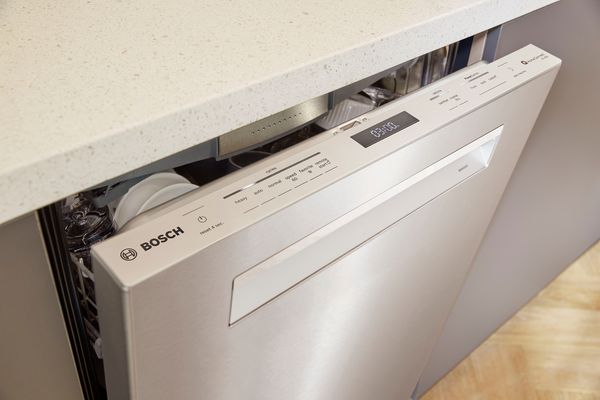
Credit: www.bosch-home.com
When To Seek Professional Help
Knowing when to call a professional can save time and prevent damage. Some Bosch dishwasher issues are simple to fix. Others need expert tools and skills. Avoid risking further problems by identifying signs that require professional help. Below are key issues that should prompt a service call.
Persistent Red Light
A red light that stays on or flashes signals a serious problem. It often means the dishwasher detects a fault it cannot fix. Common causes include door latch errors or water supply issues. If resetting and cleaning do not stop the red light, contact a technician. They can diagnose and repair electrical or mechanical faults safely.
Faulty Sensors And Control Boards
Sensors and control boards manage dishwasher functions. Faulty parts cause erratic behavior or failure to start. Signs include unresponsive buttons, error codes, or random stops. These components are delicate and complex. Professionals have the right tools to test and replace them without causing further damage. Attempting repairs alone can void warranties.
Heating Element Problems
The heating element warms water for cleaning and drying. If dishes come out wet or dirty, the element might fail. Symptoms include no heat, error messages, or unusual noises. Replacing the heating element involves disassembling the dishwasher. A professional can perform this safely and ensure all connections are correct. This helps maintain dishwasher performance and safety.
Credit: www.marmorinotools.it
Frequently Asked Questions
How To Reset Bosch Dishwasher?
To reset a Bosch dishwasher, press and hold the Start button for 3 to 5 seconds until the display resets. Alternatively, turn off the dishwasher, unplug it for one minute, then plug it back in. This clears most errors and restarts the cycle.
What Is The Most Common Problem With Bosch Dishwashers?
The most common Bosch dishwasher problem is poor cleaning due to clogged filters, dirty spray arms, or blocked drain hoses. Leaks and drainage failures also occur, often caused by faulty door seals or water inlet valve issues. These problems usually have simple, user-fixable solutions.
How Do I Diagnose What’s Wrong With My Dishwasher?
Check if the dishwasher is plugged in and door latch is secure. Inspect control panel for error lights. Verify water supply valve is open and hose isn’t kinked. Test thermal fuse and door switch with a multimeter if it won’t start.
What Does A Red Flashing Light Mean On A Bosch Dishwasher?
A red flashing light on a Bosch dishwasher signals an issue like a door latch problem, low rinse aid, clogged filter, or water supply fault. Check the door seal, refill rinse aid, clean the filter, and ensure water supply is open to fix it.
What Causes Bosch Dishwasher Not To Drain Properly?
A clogged filter or blocked drain hose often stops draining. Clean these parts regularly to keep water flowing well. Also, check the drain pump for any debris.
Conclusion
Troubleshooting your Bosch dishwasher can save time and money. Simple checks often fix common problems fast. Always start with the basics: power, door latch, and water supply. Clean filters and spray arms regularly to keep performance high. Watching error lights helps identify issues quickly.
Small maintenance steps prevent bigger repairs later. Trust your own observations and act calmly. These tips help you keep your dishwasher working smoothly every day.