Is your brake warning light on, or do you feel something off when you press the brake pedal? Ignoring brake system issues can put your safety at serious risk.
But don’t worry—understanding how to troubleshoot your brake system can save you time, money, and stress. You’ll learn simple steps to diagnose common brake problems, how to reset warning lights, and when it’s time to call a professional. Whether you notice strange noises, a sinking pedal, or warning signals on your dashboard, we’ll guide you through clear and easy fixes so you can get back on the road with confidence.
Keep reading to discover how to protect yourself and your vehicle by mastering brake system troubleshooting.
Credit: vwts.ru
Common Brake Issues
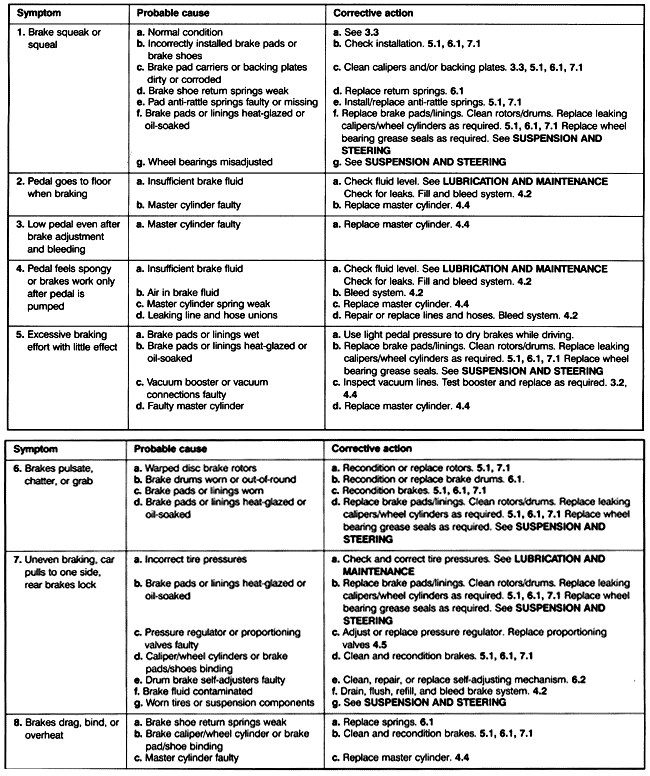
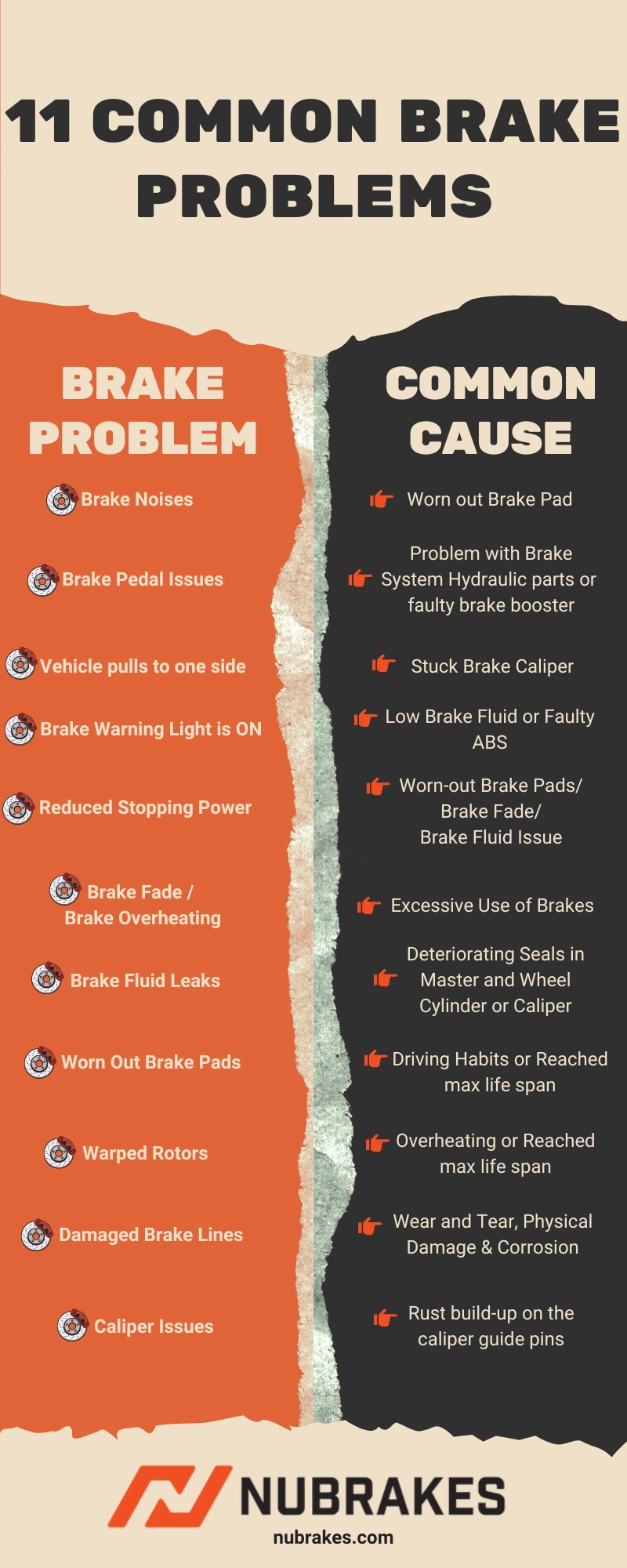
Brake problems can affect your car’s safety and performance. Common brake issues happen often and can be fixed with simple checks. Knowing these issues helps you spot problems early. This saves time and prevents costly repairs. Here are some typical brake troubles to watch for.
Worn Brake Pads
Brake pads wear down from regular use. Thin pads reduce braking power and cause noise. You might hear squeaking or grinding sounds. Worn pads can damage rotors if ignored. Check pads every few months to stay safe.
Brake Fluid Problems
Brake fluid moves force from the pedal to the brakes. Low or dirty fluid causes poor braking response. Leaks in the brake lines lower fluid levels. Brake fluid should be clear and clean. Change it as the car’s manual suggests.
Electrical And Sensor Faults
Modern cars use sensors to monitor brakes. Faulty sensors cause warning lights on the dashboard. Loose wires or corroded connections may disrupt signals. Electrical issues can affect anti-lock brakes and stability control. Inspect wiring and connectors regularly.
Parking Brake Concerns
The parking brake keeps your car still when parked. It may stick or fail to hold the car on slopes. Cables can stretch or corrode over time. Test the parking brake often, especially on hills. Adjust or repair it if it feels loose or weak.
Credit: www.ifitjams.com
Quick Brake Fixes
Quick brake fixes can save time and improve safety immediately. Small problems often cause brake issues. Identifying and fixing them fast helps avoid costly repairs.
This section covers simple steps you can do yourself. Each fix targets common brake problems that stop your car from braking well.
Releasing The Parking Brake
Check if the parking brake is fully released. Sometimes, it stays partially on without notice. This can cause brake drag or warning lights. Pull the lever up and down a few times. Make sure it clicks back into the off position completely. If stuck, try gently pressing the brake pedal while releasing the parking brake.
Inspecting And Replacing Brake Pads
Brake pads wear down with use and need regular checking. Look through the wheel spokes for thin or worn pads. Thin pads cause squeaking and poor braking. Replace pads if less than 3mm thick. Use a jack to lift the car safely, then remove the wheel to access the pads. Always replace pads in pairs on the same axle for balance.
Checking Brake Fluid Levels
Brake fluid transfers force to the brakes. Low fluid can cause a soft pedal or warning light. Open the hood and locate the brake fluid reservoir. Check the fluid level against the marks on the side. Add the correct brake fluid type if low. Avoid spills and never mix fluid types. If fluid drops often, inspect for leaks in the brake lines.
Addressing Sensor Connections
Modern brakes use sensors to monitor pad wear and system health. Loose or corroded sensor wires can trigger warnings. Locate sensor connections near the wheels or brake components. Look for damaged wires or dirty connectors. Clean connectors gently and secure loose wires. If damage is severe, replace the sensor or seek professional help.
Resetting Brake System Lights
The brake system light on your dashboard signals important information about your vehicle’s braking health. Resetting this light can help clear warnings after repairs or maintenance. It also confirms that the system recognizes the fix. This process is simple and can save time before visiting a mechanic.
Several methods exist to reset brake system lights. Some are basic and use the vehicle’s ignition system. Others involve tools like diagnostic scanners. Choosing the right method depends on your car model and the issue you fixed.
Ignition Off And On Method
This method works for many cars with simple brake warning lights. Turn the ignition off completely. Wait for about two to three minutes. Then, turn the ignition back on without starting the engine. The light may turn off if the system detects no issues.
If the light stays on, repeat the process once more. This reset does not erase error codes but clears temporary warnings. Use this method after checking the parking brake and brake fluid levels.
Start Button Reset Technique
For vehicles with a push-button start, this technique can reset the brake light. Press the start button without pressing the brake pedal. Hold the button for about 10 seconds until the light blinks or goes off. Release the button and start the car normally.
This method works well when the brake light stays on due to a minor sensor glitch. It resets the system’s electronic control unit. Try this after ensuring the parking brake is fully released and brake pads are in good shape.
Battery Disconnect Reset
Disconnecting the battery can reset the brake system light by cutting power to the car’s electronics. Open the hood and locate the battery. Use a wrench to disconnect the negative terminal. Wait 10 to 15 minutes before reconnecting it.
This method clears all stored error codes, including brake warnings. After reconnecting, start the car and check if the brake light is off. Use caution with this method, as it may reset other electronic settings.
Using A Diagnostic Scanner
A diagnostic scanner reads and clears brake system codes stored in the vehicle’s computer. Connect the scanner to the OBD-II port, usually found under the dashboard. Turn on the ignition and follow the scanner’s instructions to read codes.
After reading, select the option to clear or reset codes. This method is precise and effective, especially after brake pad replacement. Some electronic parking brake (EPB) systems require a special maintenance mode via the scanner to reset properly.
Brake Proportioning Valve Reset
The brake proportioning valve controls brake pressure between front and rear wheels. Resetting this valve helps restore balanced braking and improves safety. This process often fixes issues like uneven braking or warning lights. Understanding how to reset it is key for effective brake troubleshooting.
Locating The Valve
The valve is usually near the master cylinder or along the brake lines. Check under the hood or near the frame rail. Consult your vehicle manual for the exact location. Clean the area around the valve before working on it.
Fixing Leaks Before Reset
Inspect the valve and brake lines for leaks. Any leak can cause brake failure and affect valve function. Tighten fittings or replace damaged parts as needed. Do not reset the valve until all leaks are fixed.
Pedal Pumping Method
Press the brake pedal slowly several times to build pressure. This action helps reset the valve by moving internal components. Pump the pedal 10 to 15 times, then hold it down. This allows the valve to stabilize and balance the brake pressure.
Bleeding The Brakes
Bleed the brakes to remove air trapped in the lines. Air causes a spongy pedal and reduces braking power. Start with the wheel farthest from the master cylinder. Use a clear tube and container to catch fluid. Pump the pedal and open the bleed valve until no air bubbles appear.
Diagnosing Brake Problems
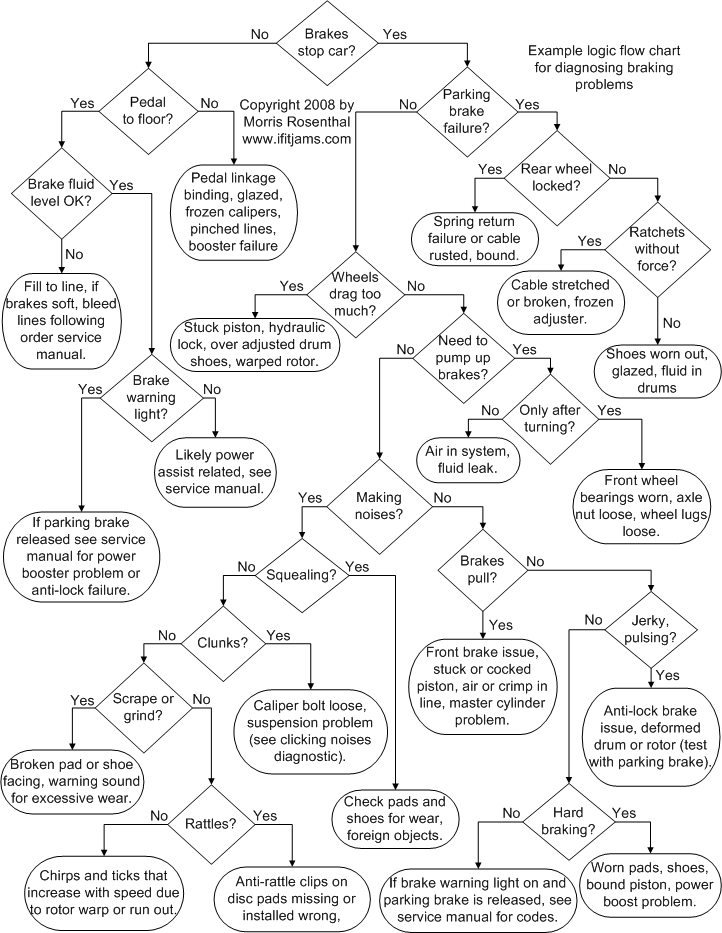
Diagnosing brake problems is essential for safe driving. Early detection prevents accidents and costly repairs. Understanding common signs helps maintain brake system health.
Simple checks can reveal many issues before they worsen. Focus on brake pads, fluid, noises, and pedal performance. These areas provide clear clues about brake condition.
Checking Brake Pad Wear
Brake pads wear down with use and must be inspected regularly. Thin or uneven pads reduce braking power and increase stopping distance. Look through the wheel spokes to see the pad thickness. Replace pads if they are less than 3 millimeters thick. Worn pads can damage brake rotors and cause vibration.
Detecting Fluid Leaks
Brake fluid is vital for hydraulic brake systems. Check under the car for any wet spots or puddles. Fluid leaks lower braking efficiency and may cause pedal issues. Inspect around the master cylinder, brake lines, and wheel cylinders. Use a clean cloth to wipe areas and watch for fresh fluid. Brake fluid leaks require immediate attention.
Listening For Unusual Noises
Noises often indicate brake problems. Squeaking or squealing can mean worn pads or dust buildup. Grinding sounds suggest metal-on-metal contact, signaling urgent pad replacement. Clicking or clunking noises may come from loose parts. Pay attention to when noises happen—during braking, turning, or constant driving. Noise helps identify the specific brake issue.
Assessing Pedal Feel And Height
The brake pedal tells a lot about the system’s condition. A soft or spongy pedal may mean air in the brake lines or fluid leaks. A hard pedal can indicate problems with the brake booster. Check if the pedal sinks to the floor when pressed; this signals a serious hydraulic issue. Pedal height should be consistent and firm. Any changes need prompt inspection.
Credit: nubrakes.com
When To Seek Professional Help
Knowing when to seek professional help for brake system issues is crucial. Some problems need expert diagnosis and repair. Ignoring these signs can lead to brake failure and unsafe driving.
Persistent Warning Lights
Brake warning lights alert you to problems. If the light stays on after basic checks, the issue may be serious. Persistent warning lights often mean a system fault. Professionals have tools to read error codes and fix the root cause.
Faulty Sensors Or Modules
Sensors and electronic modules control modern brake systems. Faulty parts can cause erratic brake behavior or false warnings. These components require specialized knowledge for proper testing and replacement. Attempting repairs without experience may cause more damage.
Complex Brake System Issues
Complex problems include hydraulic leaks, ABS failures, or brake booster faults. These issues affect braking performance and safety. They need thorough inspection and advanced repair skills. Professional mechanics ensure the system works correctly and safely after repair.
Frequently Asked Questions
How Do You Diagnose A Brake System Problem?
Check brake pads for wear, inspect discs for corrosion, and examine brake fluid lines for leaks. Listen for unusual sounds like squeaking or grinding during braking. Test pedal feel for softness or sinking. Use a diagnostic scanner to read brake system codes for precise issues.
How Do I Reset A Brake Proportioning Valve?
To reset a brake proportioning valve, center its internal plunger after fixing leaks. Pump the brake pedal gently with a bleeder open. Use a special tool or manually push the plunger after removing the switch. Keep the fluid reservoir full during the process.
What Is The 30 30 30 Rule For Brakes?
The 30 30 30 rule for brakes means applying moderate brake pressure for 30 seconds, resting 30 seconds, then repeating three times to prevent overheating.
How Do I Know If It’s My Brakes Or Wheel Bearing?
Brake noise or vibration often signals wheel bearing issues. Squealing or grinding during braking usually indicates worn brake pads. Check for wheel play to detect bearing problems.
What Are Common Signs Of Brake System Problems?
Look for worn brake pads, fluid leaks, or unusual noises when braking. Squeaking or grinding sounds often signal brake issues. Also, check if the brake pedal feels soft or sinks.
Conclusion
Troubleshooting your brake system keeps driving safe and smooth. Check brake pads, fluid levels, and sensors regularly. Fix small issues early to avoid bigger problems later. Use the right reset methods after repairs to clear warning lights. Listen for unusual sounds and watch for warning signs.
When problems persist, seek professional help quickly. Proper brake care protects you and others on the road. Stay alert, act fast, and keep your brakes in top shape.