Is your camper’s air conditioner not keeping you cool on those hot Austin days? When your RV AC stops blowing cold air or won’t turn on at all, it can quickly turn your relaxing trip into a frustrating experience.
But don’t worry—you don’t have to be an expert to troubleshoot common camper AC problems. In this guide, you’ll learn simple, effective steps to diagnose and fix your camper’s air conditioner. From checking filters and circuit breakers to understanding when to call in a pro, you’ll gain the confidence to get your AC running smoothly again.
Keep reading to discover how to stay cool and comfortable no matter where the road takes you.
Common Ac Issues
Camper air conditioners face a few common problems that affect comfort. Knowing these issues helps you fix them fast. These problems often have simple causes and clear solutions.
No Cold Air
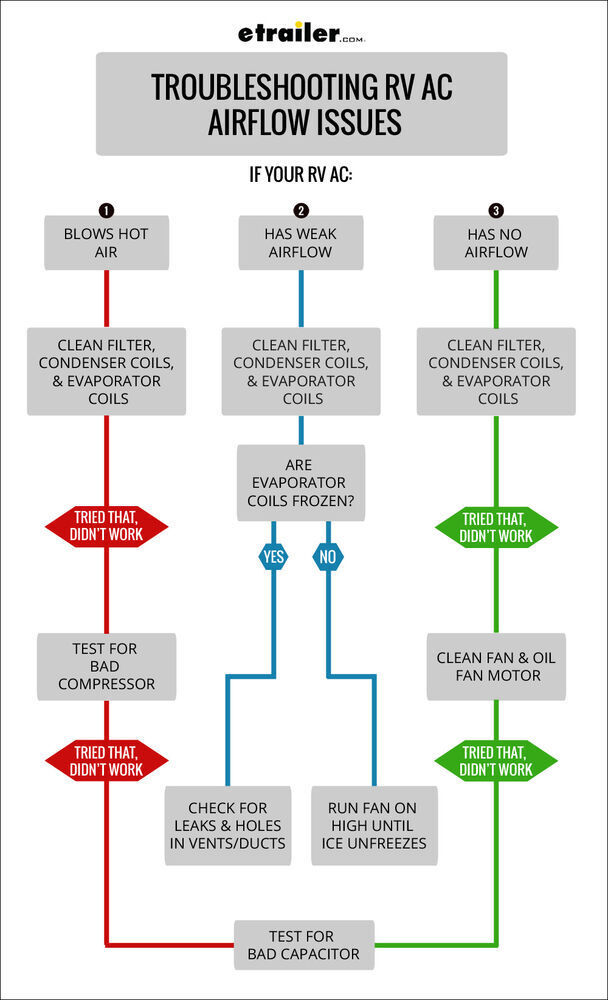
The AC runs but does not blow cold air. Dirt or a clogged air filter often blocks airflow. Check and clean or replace the filter first. Low refrigerant levels also reduce cooling. Refrigerant leaks need professional repair. Dirty condenser coils stop heat transfer. Cleaning these coils improves cooling efficiency.
Ac Won’t Turn On
The AC unit does not start at all. First, check the power source and fuses. A tripped breaker or blown fuse may cause this. The thermostat might have dead batteries or be set incorrectly. Inspect the wiring for loose connections. A faulty capacitor or control board may need replacement.
Weak Airflow
Air blows but feels weak or low. Blocked or dirty vents reduce airflow. Clear any obstructions from vents and ducts. A clogged air filter also lowers airflow. The fan motor might be failing or running slowly. Inspect the fan and replace parts if needed.
Short Cycling
The AC turns on and off quickly and often. This wastes energy and wears out parts. Short cycling happens if the system overheats or the thermostat is faulty. A dirty air filter or blocked vents cause overheating. Wait at least three minutes before restarting the unit. This protects the compressor and improves system life.

Credit: www.youtube.com
Basic Troubleshooting Steps
Basic troubleshooting steps help keep your camper AC running smoothly. Simple checks often solve common issues. Follow these easy tips before calling a technician. Save time and enjoy cool air on your trips.
Check Circuit Breakers
Look at your camper’s circuit breakers first. A tripped breaker can stop the AC from working. Flip the switch off and on to reset it. If it trips again, there might be a short circuit. Check wiring or call a professional.
Inspect Power Supply
Ensure your camper has a steady power source. Loose or damaged power cords can cause AC problems. Verify the outlet or generator is working correctly. Use a multimeter if you have one. A stable power supply is key for proper AC function.
Clean Or Replace Filters
Dirty filters reduce airflow and cooling efficiency. Remove the AC filter and inspect it for dust and debris. Clean it with water or replace it if needed. Regular filter care improves air quality and system performance.
Clear Blocked Vents
Check all vents inside and outside the camper. Remove any dirt, leaves, or objects blocking airflow. Blocked vents cause the AC to overheat or cool poorly. Keep vents open and clean for best results.
Compressor Problems
The compressor is the heart of your camper’s air conditioning system. It pumps refrigerant and keeps the cooling cycle running smoothly. Problems with the compressor can cause the AC to stop cooling or make strange noises. Understanding how to spot and test compressor issues helps avoid costly repairs and keeps your camper comfortable.
Testing The Compressor
First, turn off the camper AC and wait at least three minutes before testing. This pause protects the compressor from damage. Use a multimeter to check the compressor’s electrical connections. Test for continuity between the start, run, and common terminals. No continuity often means a faulty compressor. Also, listen for humming or clicking sounds when the unit tries to start. These noises can indicate a stuck or failing compressor.
Signs Of A Bad Compressor
The AC blows warm air even on the cold setting. The unit may shut off quickly or cycle on and off rapidly. Strange noises like grinding, squealing, or rattling come from the compressor area. The AC draws too much power or trips your camper’s breaker. Oil or refrigerant leaks near the compressor also suggest problems. These signs show the compressor may not work properly and needs attention.
When To Replace The Unit
Replace the compressor if tests show no electrical continuity. Persistent warm air output or frequent shutdowns also mean replacement is needed. If the compressor makes loud noises or overheats, replacement is safer. Repair costs can be high, so compare prices before fixing. Sometimes replacing the whole AC unit is more cost-effective. Choose replacement to ensure reliable cooling on your trips.
Credit: www.youtube.com
Condenser And Coils
The condenser and coils are vital parts of your camper’s air conditioning system. They help remove heat from inside the camper and release it outside. This process keeps the air cool and comfortable. Dirty or blocked coils reduce cooling efficiency and can cause the AC to overheat. Regular care ensures the system works well and lasts longer.
Cleaning Condenser Coils
Cleaning the condenser coils is an easy way to improve AC performance. Turn off the unit before starting. Use a soft brush or cloth to remove dust from the coils. Avoid bending the thin metal fins. For stubborn dirt, use a coil cleaner spray made for air conditioners. Rinse gently with water and let dry before turning the unit back on.
Removing Debris
Debris like leaves, grass, and dirt can block airflow around the condenser. Check the area around the AC unit often. Clear away any visible debris by hand or with a soft brush. Keep plants and bushes trimmed back at least two feet. Good airflow helps the AC cool better and prevents damage to the coils.
Maintaining Coil Efficiency
Maintaining coil efficiency keeps your camper’s AC running smoothly. Clean coils regularly, especially in dusty or dirty environments. Inspect coils for damage or corrosion. Fix bent fins with a fin comb tool. Schedule a professional checkup yearly. Proper maintenance lowers energy use and avoids costly repairs.
Thermostat And Controls
The thermostat and controls play a key role in your camper AC’s performance. They regulate the temperature and turn the unit on or off as needed. Problems with these parts often cause the AC to stop cooling or fail to start. Understanding how to check and fix these controls can save time and money.
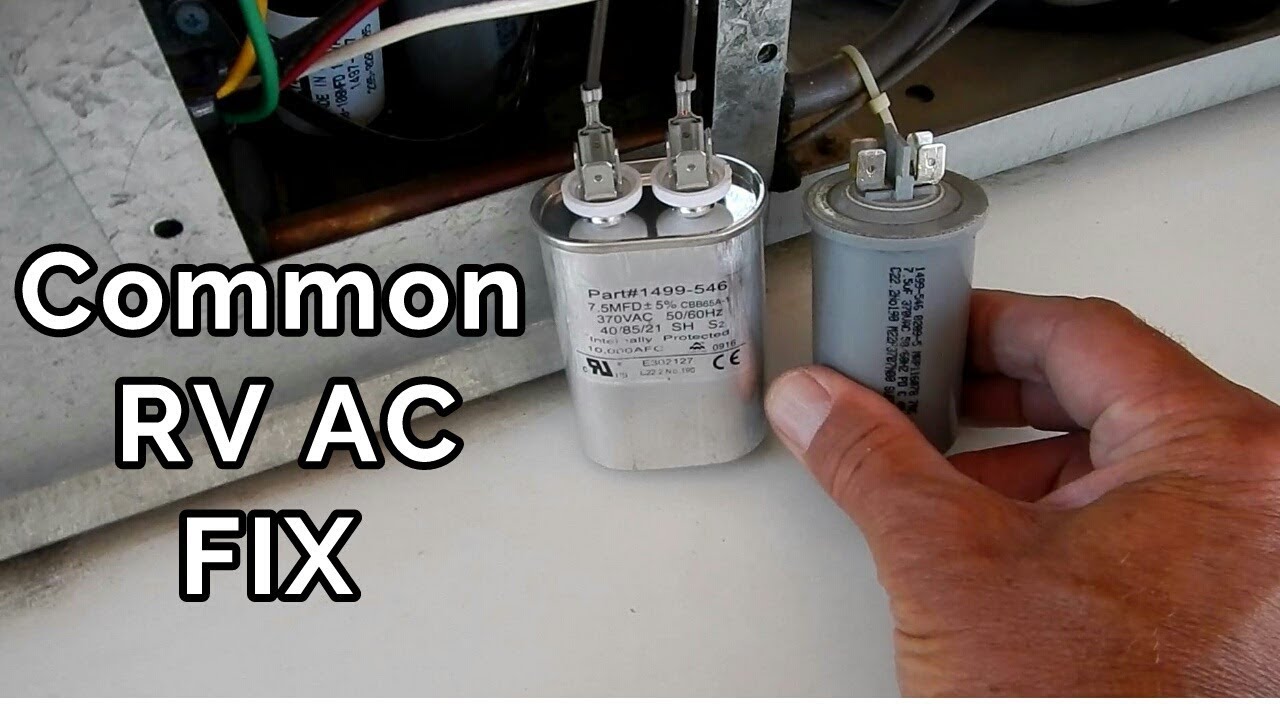
Start by examining the thermostat. It tells the AC when to cool and how much. If the thermostat is faulty, the AC might run continuously or not at all. The control board acts as the system’s brain, sending signals to different parts. A problem here can cause erratic behavior or total failure. The capacitor helps the motor start and run smoothly. A weak capacitor can stop the fan or compressor from working.
Resetting The Thermostat
Resetting the thermostat can clear minor glitches. Turn off the camper AC and unplug it. Wait about five minutes to let the system rest. Then, turn the power back on and set the thermostat to the desired temperature. This simple step often restores normal function. If the display is blank or unresponsive, check the thermostat’s batteries. Replace them if needed to ensure proper operation.
Control Board Checks
Inspect the control board for signs of damage. Look for burnt marks, loose wires, or corrosion. Use a multimeter to test voltage and continuity. Make sure all connectors are firmly attached. A faulty control board may need professional replacement. Some boards have reset buttons; try pressing them to reboot the system. Keep the control board dry and clean to avoid future issues.
Capacitor Testing
Test the capacitor with a multimeter set to the microfarad (µF) scale. First, discharge the capacitor by shorting its terminals with an insulated screwdriver. Remove the capacitor from the unit. Connect the multimeter leads to the terminals and check the reading. If the value is lower or higher than the rating on the capacitor, it needs replacement. A bad capacitor causes the motor to hum or not start at all.
Refrigerant Issues
Refrigerant issues often cause camper AC units to lose cooling power. Refrigerant is the fluid that absorbs heat and cools the air. When levels drop or leaks occur, the AC cannot cool properly. Understanding how to check refrigerant and spot problems helps keep your camper comfortable.
Checking Refrigerant Levels
Low refrigerant means less cooling. You can check levels with a pressure gauge made for AC systems. Attach the gauge to the service port and read the pressure. Compare it to the recommended level in your camper’s manual. Low pressure usually means the refrigerant is low or leaking.
Do not try to add refrigerant yourself without proper tools and knowledge. Overcharging can damage the AC system. Use this check to decide if professional help is needed.
Detecting Leaks
Leaks cause refrigerant to escape, lowering cooling power. Look for oily spots or stains near AC connections and coils. These signs suggest a leak. You can also use a leak detector tool that senses refrigerant gas in the air. Another method is applying soapy water to suspected areas and watching for bubbles.
Fixing leaks requires special equipment and skills. Temporary fixes may not hold, so addressing leaks early prevents bigger problems.
When To Call A Professional
Call a professional if refrigerant levels are low or leaks are found. Handling refrigerant requires certification and safety gear. Professionals can properly find leaks, repair them, and recharge the system. They also check for other issues that may affect cooling.
Ignoring refrigerant problems can lead to AC failure and costly repairs. Timely professional service extends the life of your camper’s AC unit.
Preventing Short Cycling
Short cycling can damage your camper’s AC system quickly. Preventing it helps extend the life of your unit. It also improves cooling efficiency and lowers energy use. Understanding how to avoid short cycling is key to smooth operation. Simple steps can protect your compressor and keep your system running well.
Pressure Equalization Wait Time
Wait at least three minutes after turning off your AC before restarting it. This pause allows the refrigerant pressure inside the system to balance out. Equal pressure makes it easier for the compressor to start again without strain. Without this wait, the compressor faces high pressure and can fail sooner. The wait also helps the system reset properly for smooth operation.
Compressor Protection Tips
The compressor is the most costly part of your camper’s AC. Protecting it saves money and hassle. Avoid switching the AC on and off rapidly. Give the compressor time to cool down between cycles. Regularly clean filters and coils to reduce compressor load. Check for refrigerant leaks to keep pressure stable. Proper maintenance lowers the risk of compressor damage.
Proper Restart Procedures
Follow a careful restart process to prevent short cycling. After turning off the AC, wait a few minutes before turning it back on. Use a timer or count to three to ensure enough delay. Modern thermostats often include built-in restart delays. Still, manual waiting improves safety and performance. Restarting correctly helps the AC run without frequent stops and starts.
Credit: www.etrailer.com
Maintenance Tips
Proper maintenance keeps your camper AC running smoothly and efficiently. Small efforts can prevent big problems. Follow these simple tips to extend your AC’s life and improve performance.
Regular Filter Cleaning
Clean the air filter every few weeks during use. A dirty filter blocks airflow and reduces cooling power. Remove the filter carefully and wash it with mild soap and water. Let it dry completely before reinstalling. Regular cleaning helps your AC breathe better and saves energy.
Ductwork Sealing
Inspect the ducts for leaks or gaps that let cool air escape. Use duct tape or mastic sealant to close any openings. Sealing ducts improves airflow and keeps your camper cooler. It also reduces strain on the AC unit, helping it run longer without issues.
Seasonal Inspections
Check your AC system before storing your camper and before each camping season. Look for signs of wear, corrosion, or loose connections. Test the thermostat and controls to ensure they work correctly. Seasonal inspections catch problems early and keep your AC ready for hot days.
When To Seek Help
Knowing when to seek professional help for your camper AC can save time and money. Some problems need expert attention to avoid damage. Early recognition of serious issues helps keep your AC running smoothly and your travels comfortable.
Complex Electrical Issues
Electrical problems in camper AC units can be tricky. Faulty wiring or blown fuses require careful handling. If you notice sparks, burning smells, or frequent tripping of breakers, stop and call a technician. These signs indicate risks that need expert repair.
Persistent Cooling Problems
When your camper AC fails to cool properly despite basic fixes, it signals deeper trouble. Refrigerant leaks or compressor faults often cause constant cooling issues. If cleaning filters and coils does not help, professional service is necessary to avoid further damage.
Professional Diagnostic Tools
Experts use advanced tools to diagnose camper AC problems accurately. They measure refrigerant levels, test electrical circuits, and check compressor performance. These tools find issues hidden from simple visual inspections. Trusting a professional ensures a precise fix and safer operation.
Frequently Asked Questions
Why Is My Rv Ac Running But Not Cooling?
Your RV AC may run but not cool due to dirty filters, low refrigerant, blocked vents, or dirty condenser coils. Check these first.
What Is The 3 Minute Rule For Ac?
The 3-minute rule for AC means waiting three minutes before restarting the unit after turning it off. This prevents compressor damage, allows pressure to equalize, and avoids short cycling. Always wait before switching the AC back on to protect the system and ensure efficient operation.
How To Reset An Rv Air Conditioner?
To reset an RV air conditioner, turn off the unit and wait three minutes before turning it back on. This prevents compressor damage and allows pressure equalization. Check the circuit breaker and thermostat if issues persist. Regularly clean or replace air filters for optimal performance.
How To Tell If A Camper Ac Compressor Is Bad?
A bad camper AC compressor causes warm air and unusual noises. Test it with a multimeter for electrical faults. Frequent cycling or failure to start also indicate compressor issues. Replace the unit if the compressor fails tests or shows physical damage.
Why Is My Camper Ac Not Blowing Cold Air?
A dirty air filter can block airflow and reduce cooling. Check and clean or replace the filter. Also, low refrigerant or dirty condenser coils may cause poor cooling.
Conclusion
Troubleshooting your camper AC can save you time and money. Regular checks keep the system running smoothly. Clean filters and coils often for better cooling. Watch for unusual noises or weak airflow. Give the compressor time to rest before restarting.
Small fixes can prevent costly repairs later. Stay patient and follow simple steps carefully. Your camper will stay comfortable on every trip. Keep these tips handy for quick AC solutions.