Is your camper’s water heater acting up just when you need it most? You’re not alone.
Whether your water isn’t heating, the pilot light won’t stay lit, or the temperature keeps fluctuating, these common camper water heater problems can quickly turn a relaxing trip into a frustrating experience. But don’t worry—this guide will help you troubleshoot your camper water heater with simple, clear steps that anyone can follow.
By understanding what to check and how to fix it, you’ll save time, avoid costly repairs, and get back to enjoying hot showers on the road. Ready to solve your camper water heater issues once and for all? Let’s dive in.

Credit: www.homesteadde.com
Common Issues
Camper water heaters can face several common issues that affect their performance. Understanding these problems helps in quick diagnosis and repair. This section covers frequent faults to watch for in your camper’s water heater system.
No Hot Water
No hot water is a frequent complaint. It often happens if the heater is not receiving power or gas. Check circuit breakers and fuses first. Gas supply and valves should also be inspected. Blocked vents or a faulty thermostat may cause this issue too.
Pilot Light Problems
The pilot light may fail to stay lit or not ignite at all. A dirty or weak thermocouple can cause this. Gas flow issues or clogged burner ports also stop the pilot light. Regular cleaning and checking gas connections solve most pilot light problems.
Inconsistent Temperature
Water temperature may fluctuate or not reach the desired heat. A faulty thermostat is often the cause. Sediment buildup inside the tank can block heat transfer. Check bypass valves and heating elements to ensure they work properly.
Heating Element Failure
The heating element can burn out or break over time. This stops the water from heating at all. Use a multimeter to test element continuity. Replacing a bad element restores hot water quickly and efficiently.
Power Checks
Power checks are the first step in camper water heater troubleshooting. Without proper power, the heater cannot function. Checking electrical components ensures the unit receives the energy it needs to heat water efficiently. This section covers circuit breakers, fuses, battery condition, and how to reset the heater.
Circuit Breakers And Fuses
Start by inspecting the circuit breakers and fuses. A tripped breaker or blown fuse stops power flow to the heater. Locate the camper’s breaker panel and look for any switches in the “off” position. Reset them by switching off and then on again. For fuses, check for visible signs of damage or breaks. Replace any faulty fuses with the correct type and rating.
Battery And Connections
Next, examine the battery and its connections. A weak or dead battery can cause the water heater to fail. Test the battery voltage with a multimeter. It should read around 12.6 volts when fully charged. Inspect battery terminals for corrosion or loose wires. Clean the terminals and tighten any loose connections to ensure good electrical contact.
Resetting The Heater
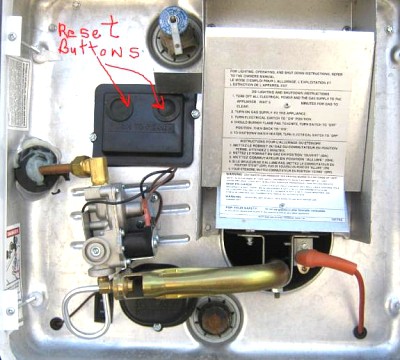
Many camper water heaters have a reset button. This button helps clear minor faults or errors. Locate the reset button, usually near the thermostat or control panel. Press and hold it for a few seconds, then release. This simple step can restart the heater’s system and restore normal operation. If the heater still does not work, further troubleshooting is needed.
Gas System Troubleshooting
Troubleshooting the gas system of your camper water heater requires careful checks. The gas system controls the heat source. Problems here often cause the heater to fail. Understanding each part helps you find issues fast. Start with the gas supply, then move to regulators and valves. Finish by cleaning the burner and vent. This step-by-step approach saves time and money.
Gas Supply And Lines
Check the gas supply tank first. Ensure it is full and the valve is open. Inspect the gas lines for cracks or leaks. Use soapy water on connections; bubbles mean leaks. Tighten loose fittings carefully. Replace damaged hoses immediately. Blocked or damaged lines stop gas flow, causing no heat.
Regulator And Valve Inspection
The gas regulator controls pressure to the heater. Test if it is working by listening for gas flow. A faulty regulator can stop gas supply or cause weak flames. Check the valve for smooth operation. Valves should open and close without resistance. Clean any dirt or rust found. Replace damaged regulators or valves to restore proper gas flow.
Burner And Vent Cleaning
Dirt and debris block the burner and vent. This stops proper combustion and heat output. Remove the burner cover gently. Use a brush or compressed air to clean burner parts. Check the vent for blockages like spider webs or dust. Clear all obstructions. Clean burners burn fuel better and heat water efficiently. Regular cleaning prevents many gas system problems.
Component Testing
Component testing is a key step in camper water heater troubleshooting. It helps identify faulty parts that stop the heater from working. Testing each part ensures you fix the right issue. Use a multimeter and follow safety steps while checking components.
Thermostat And Eco Switch
The thermostat controls water temperature by turning the heater on or off. Test it by checking for continuity with a multimeter. No continuity means the thermostat is broken and needs replacing.
The ECO switch is a safety device. It stops the heater if water gets too hot. Test it similarly by checking continuity. If it has no continuity, replace the ECO switch to avoid overheating risks.
Igniter And Thermocouple
The igniter creates a spark to light the burner. Test it by observing if it sparks during startup. No spark means the igniter is faulty.
The thermocouple senses the pilot flame and keeps the gas valve open. Test it with a multimeter for voltage output. No voltage indicates a bad thermocouple that must be replaced for safety.
Heating Element Continuity
The heating element warms the water in electric models. Use a multimeter to test its continuity. No continuity shows the element is broken.
Replace a faulty heating element to restore hot water quickly. Regular testing prevents long trips without hot water in your camper.
Sediment And Maintenance
Sediment buildup in your camper water heater can cause many problems. Minerals and debris settle at the tank’s bottom. This reduces heating efficiency and may cause clogs or corrosion. Regular maintenance prevents these issues and extends the heater’s life. Simple steps keep your water heater working well on every trip.
Flushing The Tank
Flushing removes sediment from the tank’s bottom. First, turn off power and water supply. Attach a hose to the drain valve. Open the valve and let water flow out until clear. Close the valve and refill the tank. Flushing once or twice a year helps maintain good heat performance.
Preventing Mineral Buildup
Mineral buildup causes blockages and damages the heater. Use water softeners or filters to reduce minerals. Avoid hard water if possible. Lowering the water temperature also slows down sediment formation. Check your camper’s water source and choose options that reduce minerals.
Annual Maintenance Tips
Perform yearly checks for a healthy water heater. Inspect the anode rod and replace it if worn. Clean the burner and pilot assembly carefully. Test the thermostat and reset switches. Look for leaks, rust, or corrosion around the tank. Regular care prevents costly repairs and keeps water hot and safe.

Credit: www.youtube.com
Quick Fixes
Quick fixes can solve many camper water heater problems fast. They save time and avoid costly repairs. Start with simple steps to get warm water flowing again. These checks target common issues that block proper heating.
Try these easy actions before calling a technician. Each fix requires minimal tools and little experience. Follow the steps carefully for best results.
Igniter Reset
The igniter starts the burner in many camper heaters. Sometimes, it stops working due to a safety lock or power glitch. Find the reset button near the control panel. Press and hold it for a few seconds. This action restarts the igniter. Watch for a clicking sound or flame ignition. If no flame appears, wait a moment and try again. This reset often restores heating without extra work.
Thermocouple Adjustment
The thermocouple senses the pilot flame and controls gas flow. A loose or dirty thermocouple can stop the heater from lighting. Locate the thermocouple near the pilot light. Check for dirt or soot buildup and clean gently with fine sandpaper. Tighten the connection to the gas valve if it feels loose. Proper contact helps the pilot stay lit. This simple fix can restore heat quickly.
Bypass Valve Check
Bypass valves control water flow inside the heater. If stuck or closed, hot water won’t reach the faucet. Find the bypass valve on the heater’s plumbing. Turn it slowly to open or close and listen for water movement. Make sure it is set to allow water through the heater. Flushing the valve can clear blockages. Checking the bypass valve ensures water heats and flows properly.
Tools Needed
Having the right tools is essential for effective camper water heater troubleshooting. These tools help you identify problems quickly and fix them safely. Preparing your toolkit before starting saves time and prevents frustration.
Multimeter Usage
A multimeter checks electrical parts like fuses and heating elements. It measures voltage, current, and resistance easily. Use it to find broken wires or faulty components. This tool helps pinpoint issues without guesswork.
Basic Repair Tools
Keep screwdrivers, wrenches, and pliers handy. These tools help open panels and tighten loose parts. A wire brush cleans corrosion on connections. Simple tools cover most minor repairs and adjustments needed.
Safety Equipment
Wear gloves to protect your hands from sharp edges and hot surfaces. Safety glasses shield your eyes from debris. Having a fire extinguisher nearby is wise. Safety gear reduces risk during troubleshooting and repairs.
Credit: www.catmosphere.org
Frequently Asked Questions
Why Isn’t My Hot Water Heater Working In My Camper?
Your camper’s hot water heater may fail due to power or gas supply issues, faulty thermostat, ECO switch, heating element, or pilot light problems. Check breakers, fuses, gas lines, and test components for continuity. Clear burner vents and ensure the pilot light ignites properly for consistent heating.
How To Reset Camper Water Heater?
To reset a camper water heater, locate the reset button, usually near the thermostat. Press and hold it for 10-15 seconds. Turn off power and gas, wait a few minutes, then restore power and gas. Check for proper ignition and operation afterward.
What Is The Most Common Issue With A Water Heater?
The most common issue with a water heater is sediment buildup. It reduces heating efficiency and can cause clogs or corrosion.
Where Is The Reset Button On A Dometic Rv Water Heater?
The reset button on a Dometic RV water heater is usually behind the front access panel. Remove the panel to locate the red reset button near the thermostat or heating element. Press it firmly to reset the unit. Always ensure power is off before resetting.
Why Isn’t My Camper Water Heater Producing Hot Water?
Check if the pilot light is on or the electric element works. Also, ensure gas and power supply are connected and functional.
Conclusion
Troubleshooting your camper water heater can save time and money. Start by checking power sources and gas supply. Inspect key parts like the thermostat and heating element. Use simple tools like a multimeter to find issues. Regular maintenance prevents sediment buildup and clogs.
Small fixes often restore hot water quickly. Keep safety in mind while working on your heater. Knowing basic steps helps avoid big problems later. Stay confident and enjoy warm water on your trips.