Is your camper’s water pump acting up just when you need it most? Maybe the water pressure feels weak, or you hear strange noises when the pump runs.
These issues can quickly turn your relaxing trip into a frustrating hassle. But don’t worry—you’re not alone, and fixing your camper water pump might be simpler than you think. In this guide, you’ll discover clear, easy steps to identify what’s going wrong and how to get your water flowing smoothly again.
Whether your pump won’t start, runs nonstop, or just won’t deliver water, keep reading to take control and enjoy your adventures without dry taps or surprise repairs.

Credit: www.youtube.com
Common Pump Issues
Camper water pumps can develop issues that disrupt your water supply. Recognizing common pump problems helps you fix them quickly. These problems often cause no water flow, weak pressure, strange sounds, constant running, or leaks. Understanding each issue guides effective troubleshooting.
No Water Flow
No water flow means the pump runs but no water comes out. Check if the water tank has enough water. Inspect the pump’s power source and fuse. Air trapped in pipes can block water flow. A clogged filter or damaged check valve may also cause this problem.
Low Or Inconsistent Pressure
Low or inconsistent pressure makes water flow weak or uneven. This often happens if air gets into the system. A worn diaphragm or leaking seals can reduce pressure. Loose or damaged pipes also affect pressure. Make sure the pump and pipes are tight and sealed well.
Unusual Pump Noises
Strange noises like buzzing, rattling, or clicking are warning signs. These sounds may come from worn motor parts or a failing diaphragm. Debris inside the pump can cause rattling. Check for loose parts and clean the pump regularly to avoid noise issues.
Pump Runs Constantly Or Short Cycles
A pump that runs nonstop or cycles on and off quickly uses more energy. This can happen if the pump cannot build enough pressure. Leaks in the system or a stuck pressure switch cause this problem. Inspect all pipes and fittings for leaks and replace faulty switches.
Leaks Around The Pump
Leaks near the pump often appear at seals or connections. Damaged or worn seals allow water to escape. Loose fittings also cause leaks. Tighten all connections and replace old seals to stop leaks. Regularly check the pump area for any signs of water.
Credit: rvshare.com
Initial Checks
Starting with initial checks saves time and effort in camper water pump troubleshooting. These basic steps often reveal simple problems causing pump failure. Begin here before moving to complex repairs or replacements.
Power Supply And Connections
Check the power source first. Ensure the battery or power supply is fully charged. Inspect all wiring for loose or corroded connections. Secure any loose wires and clean corroded terminals. A weak or broken power supply stops the pump from running.
Air Locks In The System
Air can block water flow inside the pump lines. This condition is known as an air lock. To clear it, turn off the pump and open all faucets. Let water run until air bubbles stop. Restart the pump and check if water flows smoothly.
Clogged Strainer And Filters
Strainers and filters trap dirt to protect the pump. Dirt buildup reduces water flow and damages the pump. Remove and clean these parts regularly. Use fresh water to rinse filters and strainers. Replace damaged filters to maintain good water pressure.
Symptom Causes
Understanding the causes behind camper water pump symptoms helps fix issues quickly. Each symptom points to a specific problem in the pump or water system. Knowing these causes saves time and avoids unnecessary repairs. Here are common causes linked to popular pump problems.
Dead Pump And Electrical Failures
A dead pump often shows no water flow at all. Electrical failures like blown fuses, bad wiring, or a faulty switch stop the pump from running. Check power supply and connections first. A pump that won’t start usually has an electrical issue.
Air In Water Lines
Air trapped inside water lines causes sputtering or irregular flow. The pump may make a rattling or buzzing sound. Air pockets reduce water pressure and create noise. Bleeding the lines removes air and restores steady flow.
Worn Diaphragms And Valves
Worn diaphragms and valves lead to weak or inconsistent water pressure. They fail to push water properly, causing the pump to run longer or short cycle. These parts wear out over time and need replacement to keep flow steady.
Leaks Affecting Pressure
Leaks in pipes or pump seals reduce water pressure dramatically. Water drips or pools near the pump area. Leaks cause the pump to work harder and may lead to constant running. Repairing leaks restores normal pressure and pump function.
Faulty Check Valves
Check valves stop water from flowing backward. A faulty valve lets water drain back, causing the pump to lose prime. This results in no water flow or sputtering. Replacing broken check valves fixes pressure and flow problems.
Simple Fixes
Simple fixes can solve many camper water pump problems quickly. These easy steps help restore water flow and pressure. They also prevent damage to your pump. Follow these tips to keep your camper’s water system running smoothly.
Priming The Pump
Priming helps the pump start pumping water effectively. Turn off the pump first. Remove the pump’s inlet hose and fill it with water. Reattach the hose and turn on the pump. This removes air pockets blocking water flow. Repeat if needed until water flows steadily.
Cleaning Or Replacing Strainers
Strainers trap dirt and debris before water reaches the pump. Dirty strainers reduce water flow and cause noise. Turn off the pump and remove the strainer. Rinse it with clean water or replace it if damaged. Clean strainers improve pump performance and prevent damage.
Tightening Loose Components
Loose screws and fittings cause leaks and noise. Inspect the pump and plumbing for loose parts. Use a screwdriver or wrench to tighten them. Secure connections stop leaks and improve pressure. Check regularly to maintain smooth operation.
Resetting The Pump
Some pumps have a reset button or switch. Turn off the power to the pump. Press the reset button and hold for a few seconds. Turn the power back on. This can clear minor electrical faults and restore normal function.
Replacing Worn Parts
Worn parts like diaphragms and valves reduce pump efficiency. Signs include weak pressure and strange noises. Identify the faulty part by checking the pump manual. Order the correct replacement parts. Follow instructions to swap old parts with new ones carefully.
When To Replace The Pump
Knowing when to replace your camper water pump saves time and frustration. Pumps wear out after long use or damage. Early replacement avoids bigger water system problems. Watch for clear signs the pump is failing. Frequent repairs may cost more than a new pump. Choosing the right replacement pump ensures better performance and durability.
Signs Of Motor Failure
The pump motor shows problems before it stops working. Listen for unusual sounds like buzzing or rattling. The motor may run constantly or stop suddenly. Water pressure becomes weak or inconsistent. The pump may leak water near the motor. These signs point to motor failure and need for replacement.
Frequent Repairs Vs Replacement
Small fixes work for minor problems. But repeated repairs drain your time and money. If the pump breaks down often, it is less reliable. Repair costs can add up quickly. A new pump gives peace of mind and saves money long term. Choose replacement if repairs happen more than twice a year.
Choosing A New Pump
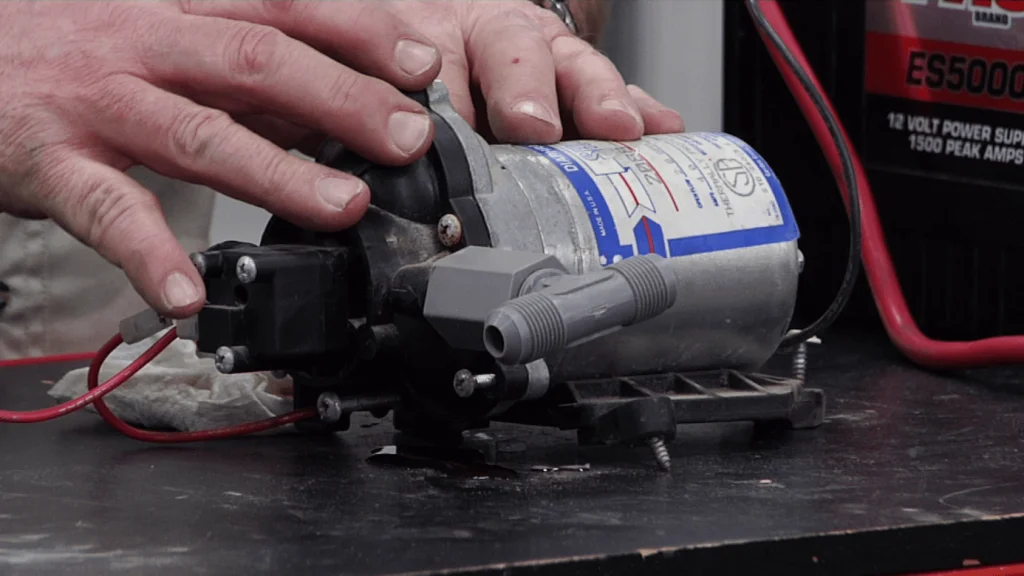
Select a pump that matches your camper’s water system needs. Check the flow rate and pressure ratings. Look for energy-efficient models to save power. Durable materials resist corrosion and wear. Easy installation and maintenance reduce hassle. Research trusted brands with good reviews. A proper pump improves water flow and lasts longer.
Credit: www.vevor.com
Maintenance Tips
Proper maintenance keeps your camper water pump working well. Simple care steps prevent many common problems. Follow these tips to extend pump life and ensure steady water flow.
Regular Strainer Cleaning
Check the strainer often to remove dirt and debris. A clogged strainer reduces water flow and strains the pump. Clean the filter gently with fresh water. Avoid harsh chemicals that damage parts. Clean strainers help maintain strong water pressure.
Avoiding Air Locks
Air locks stop water from flowing properly. To prevent this, keep hoses and pipes full of water. Open faucets before starting the pump to release trapped air. If air locks happen, run water at full force to clear them. This keeps water moving smoothly through the system.
Checking For Leaks
Inspect pump connections and hoses regularly for leaks. Even small leaks waste water and reduce pressure. Tighten loose fittings and replace damaged hoses quickly. Leaks can cause pump damage if left unchecked. Early detection saves repair costs and keeps water flow steady.
Seasonal Pump Care
Prepare your water pump for seasonal changes. Before winter, drain all water to prevent freezing damage. During storage, keep the pump dry and clean. In spring, check for corrosion and test pump operation. Seasonal care prevents damage and ensures the pump runs well year-round.
Frequently Asked Questions
How To Tell If A Camper Water Pump Is Bad?
A bad camper water pump shows no water flow, weak pressure, unusual noises, constant running, short cycling, or leaks. Check power, air in lines, and clogs first. Persistent issues often indicate pump or component failure.
Do Rv Water Pumps Have A Reset Button?
Most RV water pumps do not have a reset button. Troubleshoot by checking power, fuses, and airlocks instead.
Why Is My Rv Water Pump Not Pumping Water?
Your RV water pump may not pump water due to power issues, air in the system, clogged strainer, or a faulty check valve. Check fuses, wiring, and ensure the pump is primed. Inspect for leaks or worn components causing pressure loss or constant running.
How To Prime A Water Pump In A Camper?
To prime a camper water pump, fill the pump housing with water. Turn on the pump to remove air. Repeat until steady water flows. Ensure all faucets are closed during priming. This prevents airlocks and helps the pump operate efficiently.
How Do I Know If My Camper Water Pump Is Bad?
Common signs include no water flow, weak or inconsistent pressure, and strange noises. The pump may also run nonstop or short cycle. Leaks around the pump head can indicate failure.
Conclusion
Troubleshooting your camper water pump can save time and money. Start by checking power and connections. Clean filters and look for leaks or noises. Small fixes often restore normal water flow and pressure. Regular maintenance keeps your pump working well on every trip.
Stay calm, follow steps, and enjoy hassle-free water in your camper.