Is your car refusing to start, leaving you stranded at the worst possible moment? It’s frustrating when your engine only gives a slow crank or a rapid clicking sound instead of roaring to life.
You might notice dim headlights, flickering dashboard lights, or strange smells coming from under the hood. These are all signs that your car battery could be the culprit. But don’t worry—you don’t have to be a mechanic to figure out what’s wrong.
In this guide, you’ll learn simple, practical steps to troubleshoot your car battery and get your vehicle back on the road quickly. Keep reading to discover how to spot the signs of battery trouble, perform easy tests, and avoid costly mistakes that could leave you stranded. Your car’s health depends on it!

Credit: donsautorepair.com
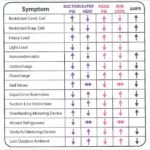
Common Battery Symptoms
Car batteries show specific signs when they start to fail. Recognizing these common battery symptoms helps you act fast. Early detection can prevent getting stranded and costly repairs. Watch out for unusual sounds, dim lights, or problems starting your car. These signals often point to battery trouble.
Slow Engine Crank
The engine turns over slowly during startup. It sounds like a sluggish rurr, rurr, rurr noise. This means the battery does not have enough power. The battery may be weak or partially drained. The slow crank shows the battery struggles to supply energy.
Clicking Noise
A rapid clicking noise occurs when you turn the key. This noise means the starter is trying to work. The battery does not send enough power to the starter motor. Clicking sounds often indicate a low or dead battery. It needs testing or replacement soon.
No Start Situations
The car does not start at all. Sometimes it starts after many jump-start attempts. No start means the battery cannot power the ignition system. A dead battery or loose battery connections cause this problem. Check the battery or seek professional help immediately.
Dim Or Flickering Lights
Headlights and dashboard lights appear dim or flicker. The battery may not provide steady voltage to the electrical system. Dim or flickering lights are early signs of battery weakness. This can affect visibility and safety during night driving. Replace the battery if the problem persists.
Electrical Malfunctions
Radio, power windows, and other accessories work poorly or stop. Electrical glitches happen when the battery cannot support all systems. The battery voltage drops below the required level for electronics. Malfunctions show the battery is failing or loose connections exist. Address the battery issue to restore normal function.
Credit: www.aamcoutah.com
Visual And Smell Clues
Car batteries face many challenges due to their age and weather conditions. These two factors often cause common battery problems. Understanding how battery age and weather affect performance helps in troubleshooting and maintenance. This knowledge can prevent unexpected battery failures and keep your car reliable.
Battery Lifespan
Most car batteries last between three and five years. Over time, chemical reactions inside the battery slow down. This reduces its ability to hold a charge. Older batteries struggle to provide enough power to start the engine. Signs of aging include slow engine cranks and dim headlights. Regular checks help identify batteries nearing the end of their life.
Impact Of Cold Weather
Cold weather makes battery problems worse. Low temperatures slow down the chemical reactions inside the battery. This reduces its power output and increases internal resistance. Your car may have trouble starting on cold mornings. Batteries with low charge or old age may fail completely. Keeping the battery warm or using a battery heater helps in cold climates.
Battery Age And Weather Effects
Car battery problems can stop your day fast. Knowing quick fixes helps you get back on the road fast. Small issues with the battery often have simple solutions. Try these easy steps before calling a mechanic. These fixes save time and money.
Cleaning Corroded Terminals
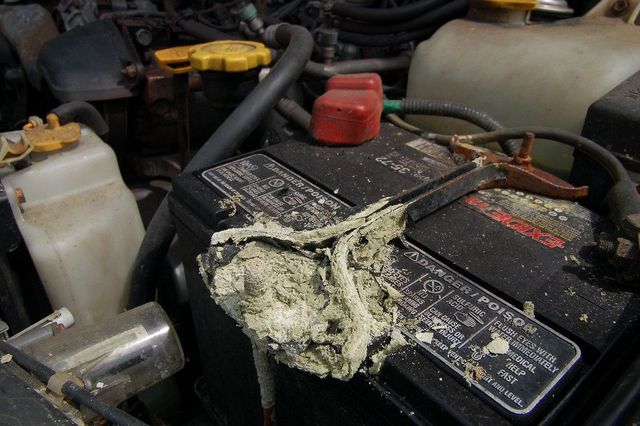
Corrosion looks like white or green powder on battery terminals. It blocks electricity flow and causes starting problems. Use a mix of baking soda and water to clean it. Apply the paste with a toothbrush and scrub gently. Rinse with clean water and dry the terminals well. Always wear gloves and avoid touching battery acid.
Securing Loose Battery
A loose battery can cause connection issues and strange noises. Check if the battery moves when you push it gently. Tighten the clamps or hold-down bracket to keep the battery steady. A secure battery improves contact and prevents damage. Use a wrench to fasten the bolts carefully. Avoid over-tightening to prevent cracks.
Jump-starting Your Car
If the battery is dead, jump-starting can help you start the engine. You need jumper cables and another car with a working battery. Connect the cables in the right order: positive to positive, negative to negative. Start the working car first, then your car. Let it run for a few minutes before disconnecting the cables. Drive your car to recharge the battery.
Credit: www.cottman.com
Alternator Vs Battery Issues
Preventive measures help avoid car battery troubles before they start. A well-maintained battery lasts longer and supports your vehicle better. Simple steps keep your battery healthy and reliable. Regular checks and good habits prevent breakdowns and costly repairs.
Regular Battery Inspections
Check your battery every few months. Look for corrosion on terminals and loose connections. Clean terminals gently with a brush if needed. Inspect the battery case for cracks or swelling. Replace the battery if you see any damage. Early detection stops bigger problems later.
Avoiding Common Mistakes
Turn off all lights and electronics when the engine is off. Avoid short trips that do not fully charge the battery. Do not leave the car unused for long periods without charging. Tighten battery connections but do not overtighten. Avoid spilling acid or water on the battery. Simple care prevents many common issues.
Keeping Battery Charged
Keep the battery fully charged to extend its life. Use a charger if the car is not driven often. Check the charging system during regular car service. Cold weather can reduce battery power, so check more often in winter. A charged battery starts your car easily every time.
Frequently Asked Questions
How Do You Diagnose A Car Battery Problem?
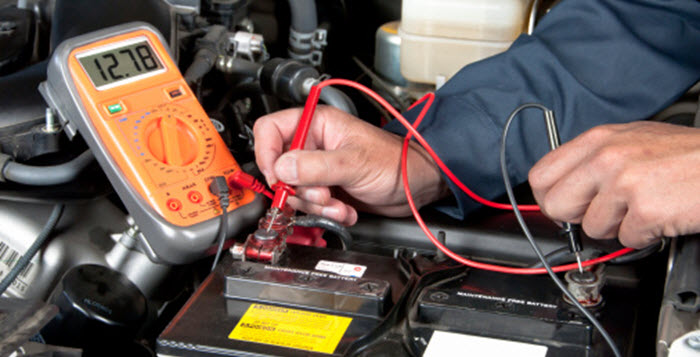
Diagnose a car battery problem by checking for slow engine cranks, clicking sounds, dim lights, and electrical issues. Inspect for corrosion, swelling, or a rotten egg smell. Test battery voltage with a multimeter and perform a jump-start test to differentiate battery from alternator issues.
How To Tell If It’s The Alternator Or The Battery?
Jump-start the car: if it dies after removing cables, the alternator fails. If it stays running, the battery can’t hold charge. Battery issues cause slow cranks or clicking; alternator problems cause dim lights, stalling, or warning lights while driving.
How Can You Tell If A Car Battery Needs Replacing?
A car battery needs replacing if the engine cranks slowly or clicks, lights dim or flicker, or electronics malfunction. Swollen battery case or a rotten egg smell also indicate replacement. Frequent jump-starts and warning lights on the dashboard confirm battery failure.
What Are Common Car Battery Problems?
Common car battery problems include slow or no engine start, clicking sounds, dim or flickering lights, corrosion on terminals, swollen battery case, and a rotten egg smell. These issues indicate battery failure, poor charge, or acid leakage, affecting vehicle electrical systems and starting reliability.
How Do I Know If My Car Battery Is Failing?
Common signs include slow engine start, dim lights, and clicking sounds when starting. A swollen battery or rotten egg smell also signals trouble.
Conclusion
Car battery issues can stop your car anytime. Watch for slow starts, clicking sounds, or dim lights. Check the battery case for swelling or corrosion regularly. Smell for any rotten egg odor near the battery. Test if the car runs after a jump-start to spot alternator problems.
Keep your battery clean and terminals tight for better performance. Regular checks save time and money on repairs. Simple steps help you avoid being stranded. Stay alert to signs and act quickly to keep your car running smoothly.