Is your car feeling bumpier than usual? Does it pull to one side or make strange noises when you hit a pothole?
These are clear signs your suspension system might be struggling. Your car’s suspension controls how smoothly you ride and how safely you steer. Ignoring suspension problems can lead to costly repairs or even dangerous driving conditions. But don’t worry—you don’t have to be a mechanic to spot the warning signs or understand what’s going wrong.
In this guide, you’ll learn simple ways to troubleshoot your car suspension, identify common issues, and know when it’s time to get professional help. Keep reading—your ride’s comfort and safety depend on it.
Credit: www.speedyapollo.ca
Signs Of Suspension Problems
Car suspension problems affect driving safety and comfort. Early signs help catch issues fast. Spotting these signs saves money and prevents bigger repairs. Watch how your car rides and sounds. Small changes often signal suspension trouble. Learn key signs to check your suspension condition.
Ride And Handling Issues
A rough or bouncy ride often means worn shocks or struts. The car may bounce after hitting a bump. Pulling to one side while driving shows uneven suspension wear. Nose-diving during braking or squatting in the back signals weak suspension parts. Difficulty steering or a loose feeling on turns can indicate suspension faults. Uneven tire wear also points to suspension problems.
Visual And Auditory Indicators
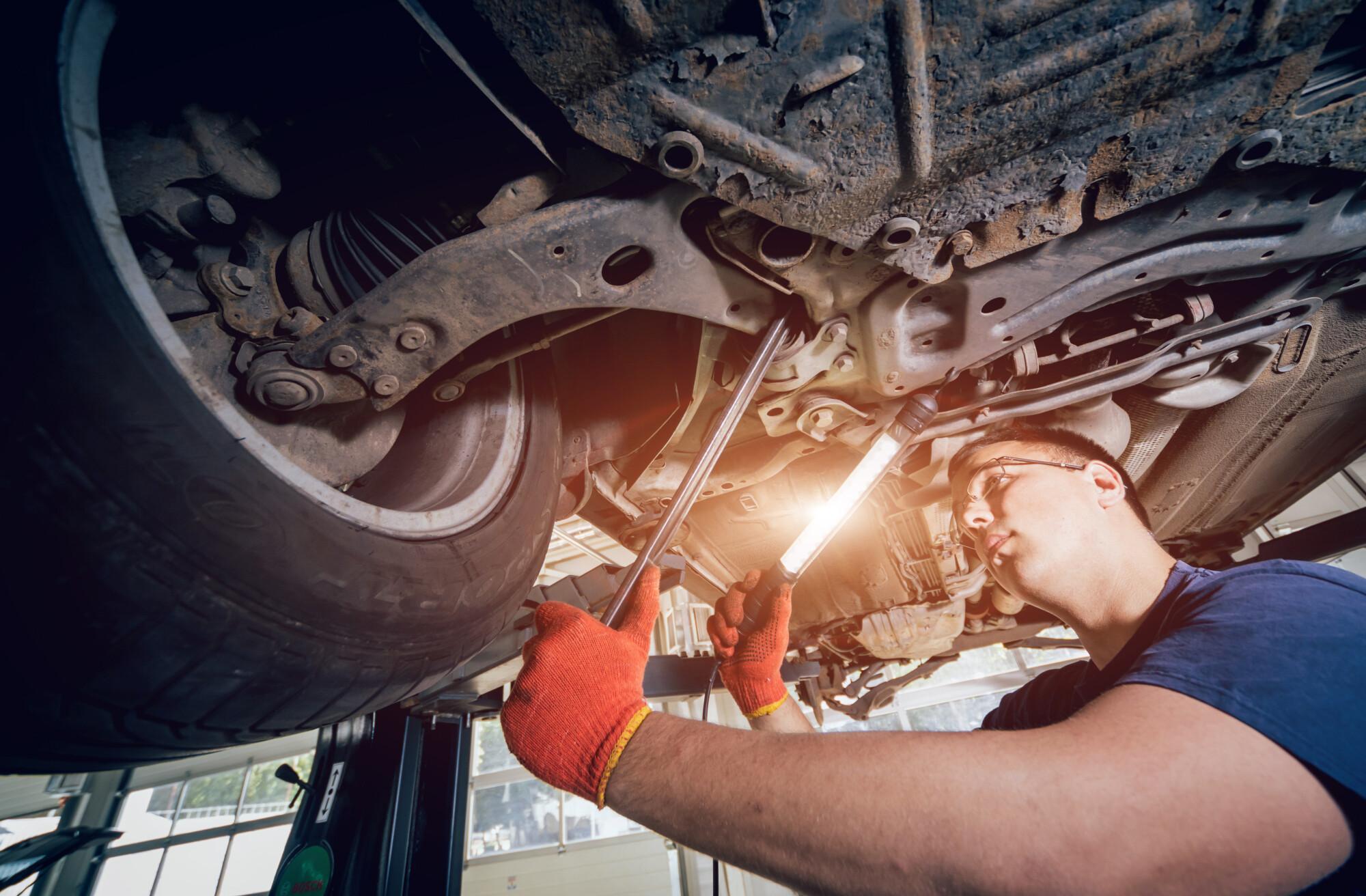
Look for visible damage like broken springs or leaking shocks. Sagging on one side of the vehicle shows worn suspension parts. Listen for clunking, knocking, or squeaking noises when driving. These sounds often come from loose or damaged suspension joints. Check for loose or damaged bushings and mounts. Early detection of these signs helps maintain safe control on the road.
Credit: www.mysfcarguys.com
Common Suspension Faults
Car suspension systems keep your ride smooth and safe by absorbing shocks. Over time, parts wear out or get damaged. Spotting common faults early helps prevent bigger problems. Here are some typical issues found in car suspensions.
Worn Shocks And Struts
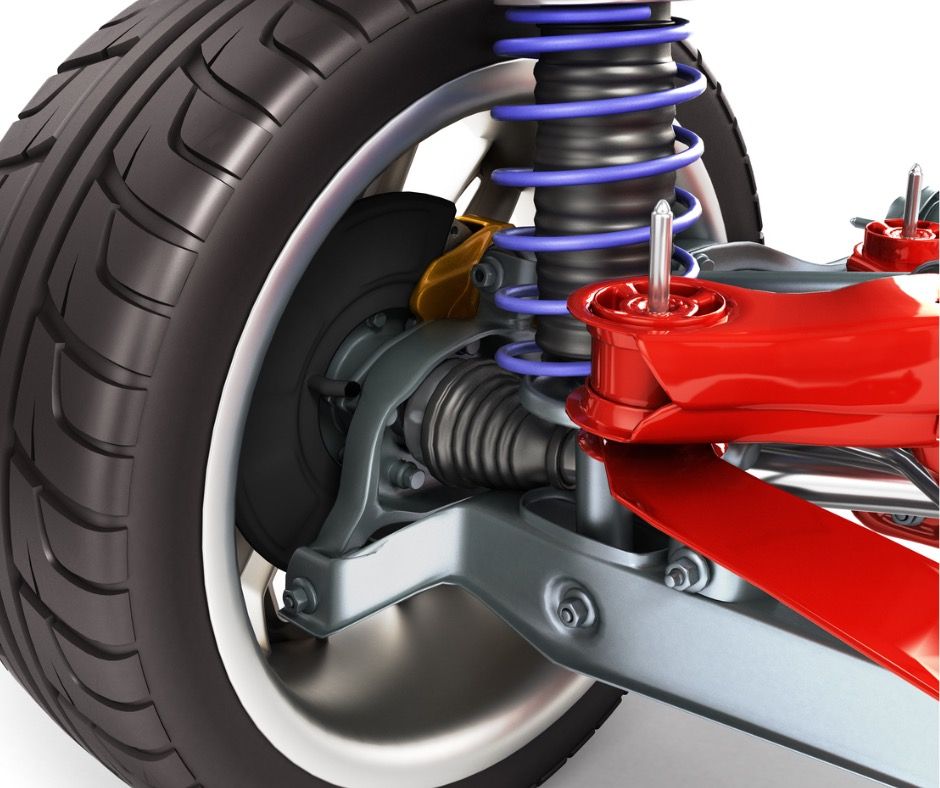
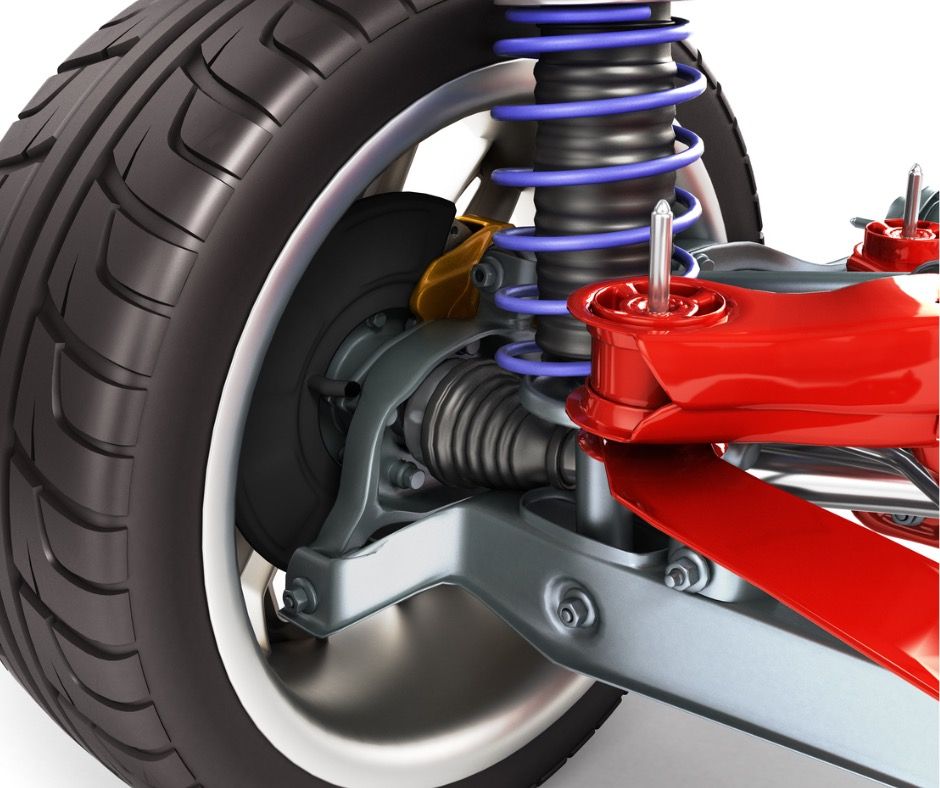
Shocks and struts control vehicle bounce and stability. Worn shocks cause a rough, bouncy ride. You might feel every bump on the road. The car may sway or lean during turns. Uneven tire wear also hints at worn shocks. Replacing these parts restores smooth driving and better control.
Damaged Bushings And Joints
Bushings and joints connect suspension parts and allow movement. Over time, they crack or wear out. Damaged bushings cause clunking or squeaking noises. Steering might feel loose or less responsive. The car could pull to one side. Fixing or replacing these parts improves handling and safety.
Leaking Components
Leaks often come from shock absorbers or struts. Oil or fluid leaks reduce their ability to absorb shocks. This leads to poor ride comfort and control. Visible fluid on suspension parts signals leaks. Address leaks quickly to avoid further suspension damage.
Quick Diagnostic Steps
Quick diagnostic steps help spot suspension issues early. They save time and money. These simple checks let you find common problems fast. No special tools needed. You can do them safely at home. Follow these steps to check your car suspension.
Bounce Test
Push down hard on one corner of your car. Then release it quickly. The car should bounce up once. Then settle. More bouncing means worn shocks or struts. Test all four corners. This test shows if suspension parts lose their strength.
Visual Inspection
Look closely at each suspension component. Check for leaks on shocks or struts. See if bushings are cracked or missing. Notice any broken or bent parts. Look for loose or rusty bolts. Uneven tire wear also signals suspension trouble. This step catches visible damage before it worsens.
Listening For Noises
Drive slowly over bumps or rough roads. Listen for clunks, squeaks, or rattles. These sounds often come from worn joints or bushings. Pay attention to noises when turning or braking. Strange sounds alert you to parts needing repair. This step helps find hidden problems early.
Credit: vigorairride.com
Simple Fixes At Home
Simple fixes at home can often solve common car suspension problems. These quick actions save time and money. Basic tools and a little effort help keep your ride smooth and safe.
Tightening Loose Parts
Loose parts cause noise and poor handling. Check bolts, nuts, and mounts. Use a wrench to tighten any loose fasteners. Focus on shock absorbers and strut bolts. Tightening these parts improves stability and reduces clunks.
Replacing Worn Bushings
Worn bushings lead to vibration and uneven tire wear. Inspect rubber bushings for cracks or damage. Remove old bushings with a pry bar or socket. Fit new bushings carefully into place. This fix enhances comfort and steering control.
Addressing Minor Leaks
Leaks in suspension can cause fluid loss and poor damping. Look for oil spots near shocks or struts. Clean the area and check seals for damage. Small leaks might be sealed with special repair kits. Fix leaks early to avoid bigger problems.
When To Visit A Mechanic
Preventive maintenance plays a key role in keeping your car’s suspension system in good shape. Early care helps avoid costly repairs and improves driving comfort. Simple steps can extend the life of your suspension parts and keep your vehicle safe on the road.
Regular Suspension Checks
Inspect suspension parts often for signs of wear or damage. Look for leaks in shock absorbers and worn bushings. Listen for unusual noises like clunks or squeaks during driving. Check for uneven tire wear, which may indicate suspension issues. Early detection helps fix problems before they worsen.
Tire Care And Rotation
Keep tires properly inflated to reduce stress on suspension components. Rotate tires every 5,000 to 7,000 miles to ensure even wear. Balanced tires improve ride quality and extend suspension life. Worn tires can cause poor handling and increase suspension strain. Regular tire care supports suspension health.
Driving Habits For Suspension Health
Drive carefully over bumps and potholes to avoid damage. Slow down on rough roads to reduce impact on suspension parts. Avoid sudden stops and sharp turns that strain the system. Smooth driving habits help maintain shock absorbers and springs. Protect suspension by treating your car gently on the road.
Frequently Asked Questions
How To Diagnose Car Suspension Problems?
Diagnose suspension problems by checking for excessive bouncing, uneven tire wear, pulling to one side, and unusual noises. Test steering response and inspect for visible damage or leaks.
What Is The Most Common Problem In A Suspension System?
The most common suspension problem is worn shocks or struts causing a rough, bouncy ride and poor handling.
How Much Does It Cost To Diagnose A Suspension Problem?
Diagnosing a suspension problem typically costs between $50 and $150. Prices vary by location and vehicle type.
What Signs Indicate A Problem With The Suspension System?
Signs of suspension problems include a rough, bouncy ride, unusual noises, uneven tire wear, and pulling to one side. Notice nose-diving when braking, difficulty steering, swaying on turns, or the vehicle sitting lower on one side. These indicate worn shocks, struts, or bushings.
What Are Common Signs Of Car Suspension Problems?
Car suspension issues cause a bouncy or rough ride and unusual noises. You may also notice uneven tire wear or pulling to one side.
Conclusion
Troubleshooting your car’s suspension helps keep driving safe and smooth. Watch for signs like bouncing, pulling, or strange noises. Regular checks can catch problems early and save money. Simple fixes improve comfort and vehicle control. Stay alert and address issues quickly to avoid bigger repairs.
Understanding your suspension keeps your car steady on the road. Trust your senses and inspect often for better driving.