Is your car’s temperature gauge acting up? Maybe it’s climbing too high or staying unusually low.
These could be signs that your car’s thermostat is not working right. The thermostat plays a key role in keeping your engine at the perfect temperature. When it fails, you might face overheating, poor fuel efficiency, or even engine damage if left unchecked.
But don’t worry—you don’t have to be a mechanic to spot the problem or take the first steps to fix it. In this guide, you’ll learn how to troubleshoot your car thermostat easily and safely. By understanding the common symptoms and knowing what to check, you can save yourself time, money, and stress. Keep reading to find out exactly what to look for and how to act before small issues turn into costly repairs. Your car—and your wallet—will thank you!
Signs Of Thermostat Issues
The thermostat controls the engine’s temperature by regulating coolant flow. Signs of thermostat issues often show as problems with engine temperature or heating system. Spotting these early helps avoid costly repairs and engine damage. Here are common symptoms to watch for.
Engine Overheating
Overheating happens if the thermostat is stuck closed. Coolant can’t flow to the radiator to cool the engine. The temperature quickly rises, risking engine damage.
Engine Running Too Cold
If the thermostat stays open, the engine never warms up properly. This causes poor fuel efficiency and higher emissions. The heater may also blow cold air.
Fluctuating Temperature Gauge
The temperature gauge needle may jump between hot and cold. It can also stay too low or too high. This erratic movement signals thermostat failure.
Heater Malfunctions
The car heater depends on engine heat. A bad thermostat can cause the heater to blow cold air or fluctuate between warm and cold.
Coolant Leaks
Pressure from a stuck thermostat can cause leaks. Check near the thermostat housing and hoses for coolant puddles or stains.
Unusual Engine Noises
Rumbling, knocking, or boiling sounds may come from the engine bay. These noises often occur when the thermostat blocks coolant flow.
Reduced Fuel Efficiency
An engine that runs too cold wastes fuel. The thermostat failure causes the engine to run rich, lowering miles per gallon.
Check Engine Light Activation
The car’s computer may detect temperature problems and trigger the Check Engine Light. A diagnostic scan can confirm thermostat issues.

Credit: repairpal.com
Checking Coolant Circulation
Checking coolant circulation is a key step in car thermostat troubleshooting. Proper coolant flow keeps the engine at the right temperature. Poor circulation can cause overheating or overcooling. It also affects heater performance and engine efficiency. You can check circulation through simple hands-on tests and visual inspections. These checks help find if the thermostat or other parts block the coolant.
Feeling Radiator Hose Temperatures
Start by touching the radiator hoses carefully. The upper hose should get warm as the engine heats up. The lower hose stays cooler until the thermostat opens. If both hoses feel cold or the same temperature, circulation might be blocked. A very hot upper hose and a cold lower hose means the thermostat could be stuck closed. Use gloves to avoid burns.
Observing Radiator Or Reservoir Flow
Look at the coolant inside the radiator or reservoir with the engine running. Coolant should move steadily when the thermostat opens. No flow or slow movement suggests a blockage. Check for bubbles or uneven flow, which may signal air trapped inside. This can cause poor circulation and engine temperature problems.
Assessing Heater Warmth
Turn on the car heater to a warm setting. Warm air means coolant is flowing through the heater core. Cold air or fluctuating heat can mean poor circulation. This often points to a stuck thermostat or clogged heater core. Checking heater warmth helps confirm coolant flow inside the engine.
Using Clear Hose For Visual Inspection
Replace a rubber hose with a clear one temporarily. This lets you watch coolant move inside the hose. With the engine running and warmed up, coolant should flow freely. Stop in flow or air pockets indicate issues. This clear view helps spot blockages or trapped air quickly.
Safety Tips During Checks
Always work on a cooled engine to avoid burns. Wear gloves and eye protection. Never open the radiator cap while the engine is hot. Hot coolant can spray out and cause injury. Use tools carefully and keep children away during checks. Proper safety keeps you safe while troubleshooting.
Quick Thermostat Tests
Quick thermostat tests help identify problems fast. These simple checks show if the thermostat works correctly. You can perform them with basic tools and a little observation. Early detection avoids costly repairs and engine damage. Below are three easy tests to try.
Cold Engine Radiator Cap Test
Start with the engine cold. Remove the radiator cap carefully. Check the pressure inside by pressing the cap’s valve. A good thermostat keeps pressure stable. If pressure drops quickly, the thermostat may be stuck open. Replace it to avoid overheating or poor heating.
Upper And Lower Hose Temperature Comparison
Run the engine until it reaches normal temperature. Feel the upper and lower radiator hoses. The upper hose should be hotter than the lower one. If both are cold or the same temperature, the thermostat might be stuck closed. This stops coolant flow and causes overheating.
Visual Coolant Movement Checks
Look inside the radiator with the cap off while the engine warms up. Coolant should start to flow once the thermostat opens. No movement means the thermostat is stuck closed. Flow too early means it may be stuck open. This test shows if coolant circulates properly.
Diy Thermostat Fixes
DIY thermostat fixes help save money and time on car repairs. They let you check common thermostat issues and fix them with simple tools. Understanding basic steps makes troubleshooting easier and safer. Follow these easy guides to handle common thermostat problems yourself.
Replacing A Stuck Closed Thermostat
A thermostat stuck closed blocks coolant flow, causing overheating. First, let the engine cool completely. Drain some coolant below the thermostat housing. Remove the housing bolts and take out the old thermostat. Install a new thermostat in the correct position. Replace the gasket to prevent leaks. Reattach the housing and tighten bolts evenly. Refill coolant and start the engine to check for leaks.
Addressing A Thermostat Stuck Open
A stuck-open thermostat causes the engine to run too cold. This wastes fuel and reduces heater performance. Remove the thermostat housing as before. Take out the old thermostat and replace it with a new one. Ensure the thermostat is oriented correctly. Reassemble the housing and refill coolant. Run the engine until it reaches normal temperature to confirm the fix.
Sealing Coolant Leaks Around Housing
Leaks near the thermostat housing cause coolant loss and overheating. Check the gasket for damage or wear. Clean the housing surface and replace the gasket if needed. Use a sealant recommended for cooling systems for extra protection. Tighten bolts in a crisscross pattern to avoid warping. After repair, refill coolant and inspect for drips or wet spots.
Clearing Air Pockets In Cooling System
Air pockets block coolant flow and cause temperature spikes. After replacing the thermostat or refilling coolant, bleed the system. Locate the bleed valve near the radiator or thermostat housing. Open the valve slightly and let air escape until coolant flows steadily. Close the valve and top off coolant. Run the engine with the heater on high to remove trapped air completely.
When To Seek Professional Help
Knowing when to seek professional help is vital for car thermostat issues. Some problems need expert tools and skills. Avoid risking engine damage by recognizing signs that require a mechanic’s attention. Here are key areas where professional diagnostics and repairs matter most.
Complex Diagnostic Procedures
Thermostat problems can hide under many symptoms. Professionals use advanced diagnostic tools to pinpoint exact faults. They analyze engine temperature, sensor data, and error codes. Complex issues may involve wiring or computer controls. These require expert knowledge to fix safely and correctly.
Coolant Flow Testing Methods
Testing coolant flow needs special equipment. Mechanics can check if coolant moves properly through the system. They use pressure tests and flow meters. These tests identify blockages or leaks affecting thermostat performance. Proper coolant flow ensures the engine stays at the right temperature.
Hot Water Thermostat Testing
Professionals perform hot water tests to check thermostat function. They remove the thermostat and place it in heated water. This simulates engine operating conditions. The thermostat should open and close at specific temperatures. This test confirms if the thermostat responds correctly or needs replacement.
Preventing Engine Damage
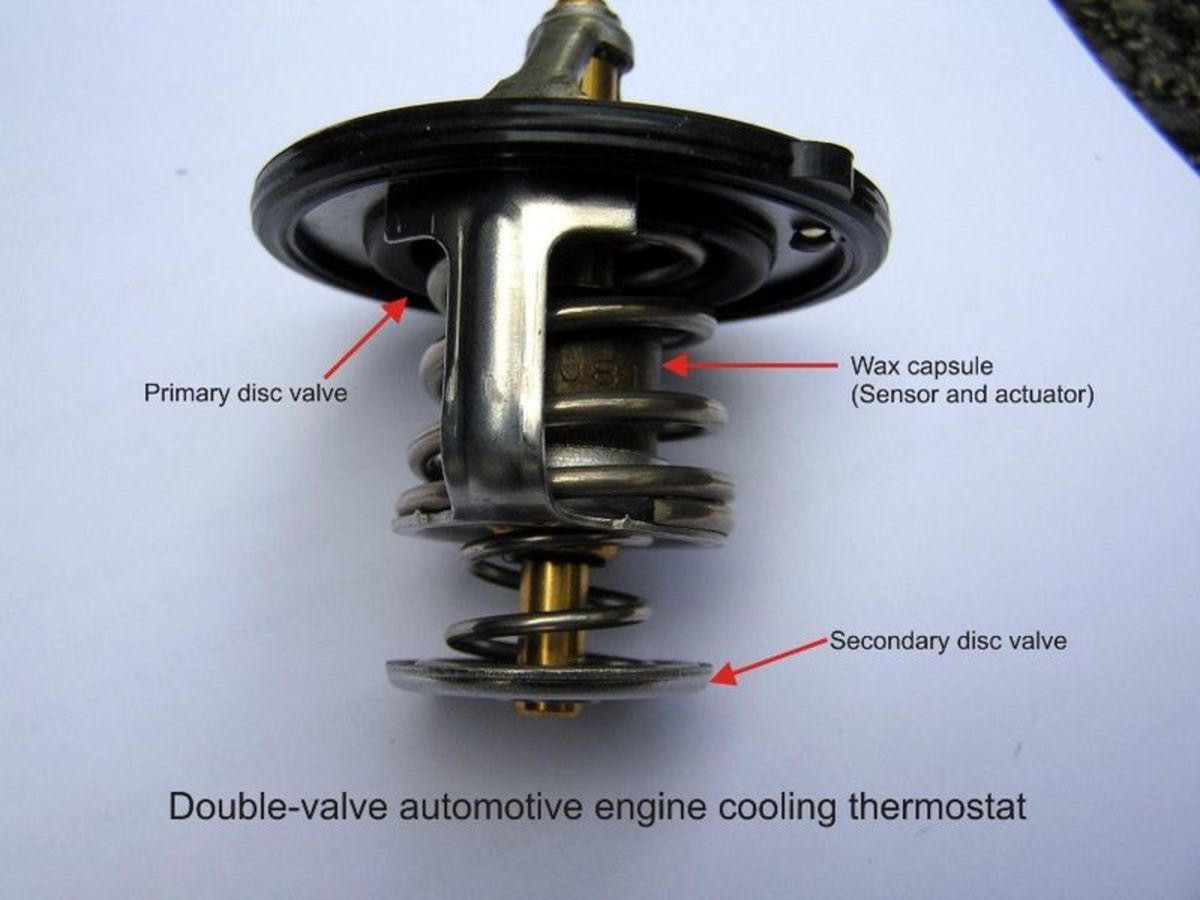
Ignoring thermostat problems risks severe engine damage. Overheating causes warping and costly repairs. Overcooling wastes fuel and increases emissions. Professionals fix thermostat issues early to protect engine health. Timely repairs keep your car running smoothly and efficiently.
Credit: discover.hubpages.com
Preventive Maintenance Tips
Preventive maintenance plays a key role in avoiding car thermostat issues. Regular care helps keep the engine running at the right temperature. It also extends the life of your thermostat and cooling system. Simple checks and timely inspections can stop small problems from growing. This section covers essential tips for preventive maintenance.
Regular Coolant Checks
Check coolant levels often to ensure proper flow. Low coolant can cause the engine to overheat quickly. Look for leaks or discoloration in the coolant. Flush and replace coolant based on the manufacturer’s schedule. Clean coolant helps the thermostat work smoothly and protects the engine.
Scheduled Thermostat Inspections
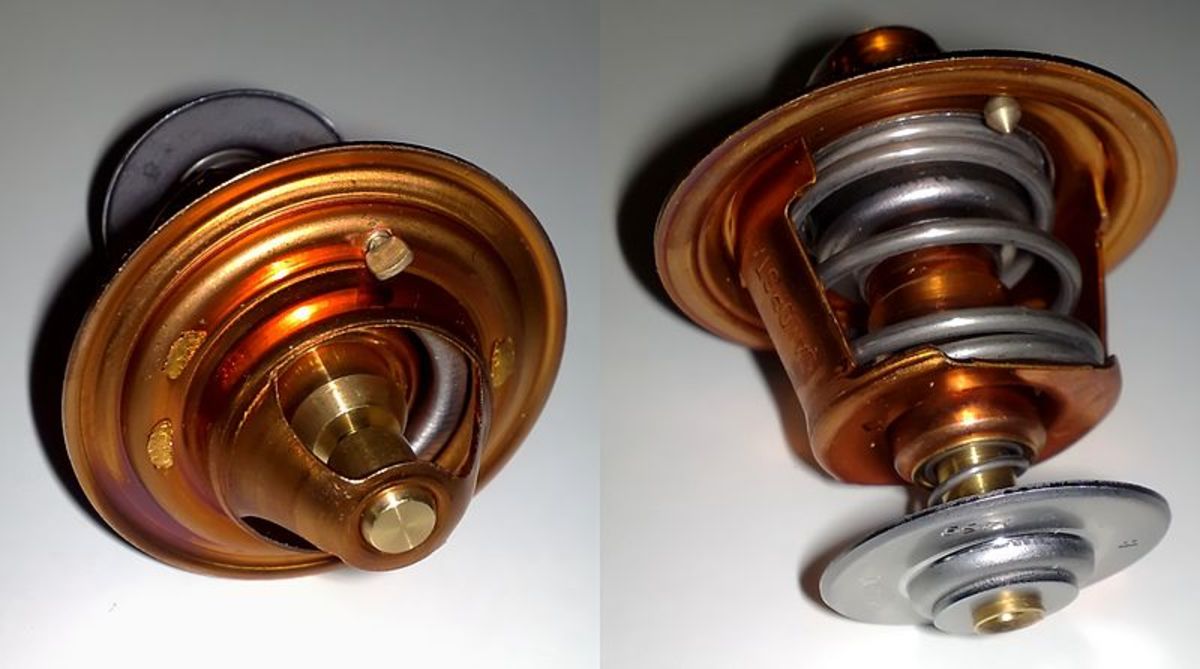
Inspect the thermostat regularly to catch early signs of failure. Testing the thermostat during routine service avoids unexpected breakdowns. Look for sticking, corrosion, or slow response in the thermostat. Replace the thermostat if it shows any signs of malfunction. Timely inspections keep the cooling system reliable.
Monitoring Temperature Gauge
Watch the temperature gauge on your dashboard daily. A steady reading means the thermostat is working well. Rapid spikes or drops can signal thermostat problems. Early detection helps prevent engine damage. Pull over safely and check the cooling system if the gauge behaves oddly.
Maintaining Heater Performance
The heater depends on the thermostat to warm the engine coolant. Cold air from vents often points to thermostat issues. Maintain the heating system by checking coolant flow and thermostat function. A well-maintained heater means the thermostat is regulating engine temperature correctly.
Credit: discover.hubpages.com
Frequently Asked Questions
How Do I Know If The Thermostat In My Car Is Bad?
A bad car thermostat causes engine overheating or overcooling, erratic temperature gauge, cold heater air, coolant leaks, strange noises, poor fuel efficiency, or a Check Engine Light. Get a mechanic to test coolant flow and thermostat temperature promptly.
How To Tell If Coolant Is Circulating?
Check if the upper radiator hose is hot and the lower hose is warm after warming. Look for coolant movement in the open radiator or reservoir. Feel for warm air from the heater on high fan speed. A rising temperature gauge and visible coolant flow confirm circulation.
How To Tell If The Thermostat Is Stuck Open?
A stuck open thermostat causes the engine to run too cold. Watch for low temperature readings, heater blowing cold air, and poor fuel efficiency. The temperature gauge may stay low or fluctuate unusually. These signs indicate coolant flows continuously, preventing proper engine warm-up.
How To Tell If Your Thermostat Or Water Pump Is Bad?
A bad thermostat causes engine overheating, overcooling, erratic temperature gauge, cold heater air, coolant leaks, or strange noises. A faulty water pump shows coolant leaks, engine overheating, and unusual noises. Check for these symptoms and test coolant flow to confirm issues.
How Can I Tell If My Car Thermostat Is Faulty?
A faulty thermostat can cause engine overheating or overcooling. Watch for a temperature gauge that spikes quickly or stays too low.
Conclusion
Car thermostat issues can cause serious engine problems if ignored. Watch for signs like overheating, cold air from vents, or erratic temperature readings. These symptoms often mean the thermostat is stuck open or closed. Fixing the thermostat early keeps your engine running smoothly and saves money on costly repairs.
Regular checks help spot problems before they get worse. Trust your senses and act quickly to maintain your car’s health. Simple troubleshooting steps can make a big difference in vehicle performance. Stay alert and keep your cooling system in good shape.