Is your car acting up with strange shifting, slipping gears, or unusual noises? These are classic signs that your transmission might be having problems, and if you’re in WNY, knowing how to troubleshoot these issues can save you time and money.
Your transmission is the heart of your vehicle’s performance, and ignoring warning signs can lead to costly repairs or even a complete replacement. But don’t worry—you don’t have to be a mechanic to understand what’s going on under the hood.
In this guide, you’ll learn simple steps to diagnose common transmission problems, understand repair versus replacement costs, and discover when it’s time to seek professional help. Keep reading to take control of your car’s health and avoid unexpected breakdowns on the road.
Transmission Diagnostic Costs
Diagnosing transmission issues requires a careful approach to identify the root cause. A transmission controls the power from your engine to the wheels. Problems can lead to poor performance or complete failure. Early detection helps avoid costly repairs and unsafe driving. This guide explains simple steps to diagnose common transmission problems.
Common Transmission Symptoms
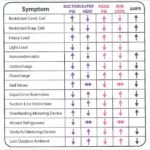
Look for signs like slipping gears or delayed shifting. Strange noises such as grinding or whining often point to trouble. Warning lights on the dashboard can signal transmission faults. Leaking fluid under the car is another clear symptom. Shaking or jerking during gear changes also indicates issues.
Checking Fluid Levels And Condition
Transmission fluid plays a key role in smooth operation. Check the fluid level with the dipstick while the engine runs. Low fluid can cause slipping and overheating. The fluid should be bright red or pink and clear. Dark or burnt-smelling fluid means contamination or damage. Add or replace fluid as needed to maintain proper levels.
Using Obd-ii Scanners
OBD-II scanners read error codes from your car’s computer. These codes help identify transmission problems quickly. Plug the scanner into the diagnostic port, usually under the dashboard. The scanner displays codes that technicians use to find faults. This tool saves time and pinpoints specific issues inside the transmission system.
Test Driving For Symptoms
Drive the car to notice how the transmission behaves. Pay attention to shifting smoothness and response time. Listen for unusual sounds during acceleration or deceleration. Check if the car hesitates or lurches when changing gears. Test driving confirms symptoms and helps diagnose the problem accurately.

Credit: www.continentaltransmission.com
Diagnosing Transmission Issues
Deciding between repairing or replacing a car transmission requires careful thought. Both options have benefits and drawbacks. Understanding when to repair and when to replace can save money and prevent future problems. This section explores key points to help make the right choice.
When Repairs Are Cost-effective
Repairs often make sense for minor transmission issues. Fixing small problems costs less than a full replacement. Repairs can extend the life of the transmission without a large expense. This option is ideal for newer vehicles or when damage is limited.
Simple Fixes And Their Benefits
Common repairs include fixing leaks, replacing seals, or adjusting solenoids. These fixes restore proper function quickly. They improve driving performance and prevent further damage. Simple repairs also reduce downtime and keep costs low.
When Replacement Is Necessary
Replacement becomes necessary if the transmission has severe internal damage. Multiple broken parts or total failure often require a full swap. Older cars with high mileage may benefit more from a new transmission. Replacement avoids repeated repairs and future breakdowns.
Types Of Transmission Replacements
Used transmissions are the cheapest option but carry some risk of hidden issues. Rebuilt transmissions offer a balance by using new and reconditioned parts. New or remanufactured transmissions cost the most but come with warranties and reliability. Choosing the right type depends on budget and needs.
Factors Influencing The Decision
Cost is a major factor in repair vs replacement choices. Vehicle age and mileage also guide the decision. Consider how long you plan to keep the car. The extent of damage and availability of parts affect options. Professional diagnosis helps determine the best path forward.
Repair Vs Replacement
Car transmission problems can be confusing. Sometimes, issues that seem like transmission trouble come from other parts of the car. These non-transmission problems mimic transmission symptoms and lead to wrong guesses. Knowing the real cause helps save money and time. Here are some common non-transmission issues that look like transmission problems.
Engine-related Causes
The engine affects how the car shifts gears and runs. Poor engine performance can feel like transmission slipping. Rough idling or stalling may seem like a transmission fault. Engine misfires or low power often cause hesitation during gear changes. Checking the engine first avoids misdiagnosing transmission failure.
Fuel And Electrical Issues
Fuel problems impact engine power and transmission function. A weak fuel pump or dirty fuel filter reduces performance. Electrical faults in wiring or the battery can disrupt signals. Transmission controls rely on electrical signals to shift gears. Faulty connections or weak voltage may cause shifting errors that seem like transmission problems.
Sensor Failures And Their Effects
Sensors monitor car systems and send data to the computer. Bad sensors give wrong information, causing wrong gear shifts. The transmission control module depends on these sensor signals. Speed sensors, throttle position sensors, or temperature sensors often fail. Sensor issues mimic transmission failure but fixing sensors can solve the problem.
Brake System Confusions
Brake problems sometimes feel like transmission trouble. A sticking brake caliper or dragging brake pads can slow the car. This delay may feel like transmission slipping or difficulty shifting. Brake warning lights and noises may add to confusion. Inspecting the brake system helps rule out brake issues before transmission repair.
Burning Smell Sources
A burning smell often signals transmission fluid problems. But other parts can cause this odor too. Overheated brakes, burning clutches, or engine oil leaks create similar smells. Electrical shorts or plastic melting under the hood also cause burning odors. Identifying the exact source prevents wrong transmission diagnoses.

Credit: bisonautomotive.com

Credit: www.continentaltransmission.com
Frequently Asked Questions
How Much Should A Transmission Diagnostic Cost?
A transmission diagnostic typically costs between $50 and $150. Prices vary by shop and diagnostic depth. Some shops offer free basic checks. Specialized diagnostics at dealerships or experts may cost more but provide detailed insights. Always ask if diagnostic fees apply to repairs.
How To Diagnose Car Transmission Problems?
Diagnose transmission problems by checking for slipping gears, delayed shifts, and unusual noises. Inspect fluid level and color. Use an OBD-II scanner to read error codes.
Is It Cheaper To Fix A Transmission Or Replace It?
Fixing a transmission usually costs less for minor issues like leaks or solenoids. Replacement suits severe damage or old cars. Repair saves money if the vehicle is newer and problems are simple. Replacement offers longevity but costs more upfront. Always assess overall vehicle condition first.
What Can Be Mistaken For A Transmission Problem?
Engine misfires, faulty spark plugs, fuel delivery issues, sensor failures, low fluid levels, and worn engine mounts can mimic transmission problems.
What Are Common Signs Of Car Transmission Problems?
Common signs include slipping gears, delayed shifting, and strange noises. Also, watch for burning smells or fluid leaks. These symptoms often indicate transmission issues needing attention.
Conclusion
Car transmission problems need quick attention to avoid bigger damage. Watch for signs like slipping gears or strange noises. Regular fluid checks help catch issues early. Use simple diagnostic tools or visit a trusted mechanic for help. Repairing small problems saves money compared to full replacements.
Always compare repair costs and vehicle condition before deciding. Taking care early keeps your car running smoothly longer. Stay alert to transmission troubles for safer, stress-free driving.