Is your Carrier furnace showing blinking lights or error codes? Don’t ignore those signals—they are your furnace’s way of telling you something needs attention.
Understanding Carrier furnace troubleshooting codes can save you time, money, and the hassle of a cold home. In this guide, you’ll learn what those blinking lights mean, common causes behind the errors, and simple steps you can take to fix issues quickly.
Whether you’re dealing with ignition problems, sensor faults, or overheating alerts, this article will help you decode the messages your furnace is sending—and get it running smoothly again. Keep reading to take control of your heating system and avoid unexpected breakdowns.
Carrier Furnace Error Codes
Carrier furnaces use error codes to help identify problems quickly. These codes appear through blinking lights or digital displays. Understanding these codes saves time and avoids costly repairs. Each code points to a specific issue within the furnace system.
Knowing how to read and interpret Carrier furnace error codes helps homeowners and technicians. It guides troubleshooting steps and ensures the furnace runs safely and efficiently. Below, you will find details about common error codes, their meanings, and LED status indicators.
Common Error Codes
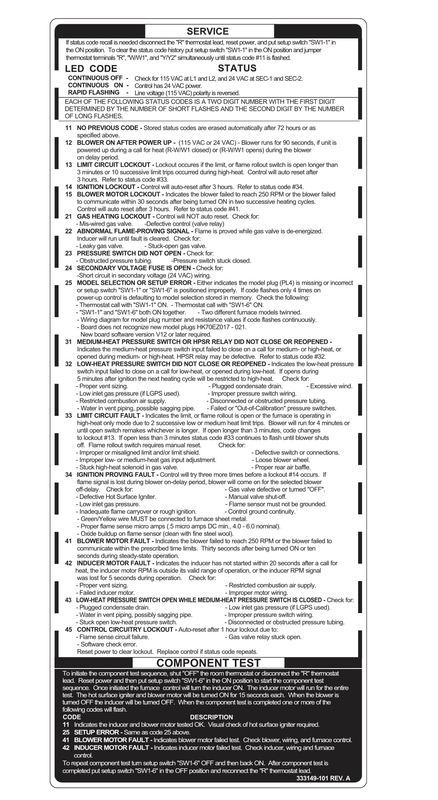
Carrier furnaces show common error codes like 12, 13, 14, and 21. Code 12 means the blower runs after startup or a blower lockout. Code 13 signals a limit switch lockout due to overheating. Code 14 indicates ignition lockout, often caused by ignition failure. Code 21 points to a gas heating lockout or invalid model selection in electric furnaces.
Meaning Of Each Code
Error code 12 shows blower problems after startup or calibration failures. Code 13 means the furnace’s limit switch has tripped to prevent overheating. Code 14 signals the furnace tried but failed to ignite the burner. Code 21 warns about gas supply issues or model mismatches. Each code guides users on what part to check or repair.
Led Status Indicators
Carrier furnaces use LED lights to show status and errors. A steady light often means normal operation. Slow blinking can indicate the system is in standby or a minor issue. Rapid blinking usually means a fault or safety lockout. The number of blinks corresponds to a specific error code. Checking the LED pattern helps identify the problem fast.

Credit: www.youtube.com
Blinking Light Causes
A blinking light on your Carrier furnace often signals a problem. It is a warning to check the system. The blinking pattern helps identify the exact issue. Understanding these signals helps fix problems faster. This saves time and avoids costly repairs.
Ignition And Flame Sensor Issues
The furnace may fail to light if the ignition is faulty. A dirty flame sensor can stop the system from detecting a flame. This causes the furnace to shut down for safety. Cleaning or replacing the flame sensor often solves this. A weak igniter can also prevent the burner from lighting.
Pressure Switch And Inducer Problems
The pressure switch ensures safe venting of gases. If it fails, the furnace will not start. The inducer motor helps push gases out. A broken inducer or blocked vent can cause errors. These parts must work together for the furnace to run safely.
Overheating And Limit Switch
The limit switch stops the furnace if it overheats. Dirty filters or blocked airflow often cause overheating. When the limit switch trips, the furnace light blinks. Cleaning filters and vents can prevent this. Replacing the limit switch may be needed if it is faulty.
Thermostat Malfunctions
The thermostat controls the furnace’s on and off signals. Wrong settings or a broken thermostat can cause blinking lights. Loose wiring or dead batteries also affect its performance. Checking the thermostat and fixing these issues often restores normal function.
Safety Lockouts
Safety lockouts occur to protect your home and furnace. They trigger when serious faults happen. The furnace stops working until the problem is fixed. Common causes include ignition failure, flame sensor errors, or pressure switch faults. Resetting the furnace may clear the lockout after repairs.
Quick Fixes
Quick fixes for Carrier furnace troubleshooting codes can save time and avoid costly repairs. Simple steps often resolve common issues. These easy actions keep your furnace running smoothly and safely. Follow these quick fixes to handle minor problems effectively.
Filter Cleaning And Replacement
A dirty filter blocks airflow and causes errors. Check your furnace filter monthly. Remove and inspect the filter for dust and debris. Replace it if it looks clogged or damaged. Clean filters improve efficiency and reduce error codes.
System Reset Procedures
Resetting your furnace can clear minor faults. Turn off the thermostat and power to the furnace. Wait for five minutes to let the system cool. Turn the power and thermostat back on. This often resets the control board and stops error codes.
Gas Supply Checks
Ensure your furnace gets enough gas. Check the gas valve to confirm it is open. Look for any gas line leaks or damage. If you smell gas, leave the area immediately and call a professional. Proper gas supply is critical for safe furnace operation.
Basic Troubleshooting Steps
Start with simple checks before calling for help. Confirm the thermostat is set to heat and the temperature is above room level. Inspect the furnace door to ensure it is securely closed. Listen for unusual noises and check for error code lights. These steps catch easy fixes fast.
Credit: www.grayfurnaceman.com
When To Call A Technician
Knowing when to call a technician for your Carrier furnace saves time and prevents damage. Some issues need expert attention due to safety and complexity. Small problems can turn into costly repairs without proper care. Watch for signs beyond simple resets or filter changes. Professional help ensures your furnace runs safely and efficiently.
Ignition And Sensor Repairs
Ignition failures show error codes like 14 on Carrier furnaces. A technician checks the igniter and flame sensor. These parts need precise adjustments or replacements. Dirty flame sensors often cause the furnace to shut down. A pro cleans or replaces sensors safely to restore function.
Pressure Switch And Control Board Issues
Pressure switch problems trigger safety lockouts and error codes. These switches control airflow and prevent dangerous gas buildup. Control boards manage furnace operations and may fail over time. Technicians test and fix these components with specialized tools. DIY attempts risk further damage or unsafe conditions.
Safety Precautions
Furnace repairs involve gas and electrical parts that can be hazardous. Avoid opening panels or handling wiring without training. Turn off power and gas before inspecting the furnace. Call a licensed technician for any error code that persists after basic checks. Safety comes first with heating system repairs.
Professional Maintenance Tips
Schedule annual furnace inspections to catch small issues early. Technicians clean burners, sensors, and fans to improve efficiency. Regular tune-ups extend the furnace’s life and lower energy bills. Keep the area around the furnace clear for proper airflow. Follow the technician’s advice for filter changes and system care.
Preventive Maintenance Tips
Preventive maintenance is key to avoiding Carrier furnace error codes. Small, regular tasks keep your system running smoothly. These steps help catch problems early. They also extend your furnace’s life and improve efficiency. Follow these simple tips to reduce breakdowns and costly repairs.
Regular Filter Changes
Change your furnace filter every 1 to 3 months. A clean filter improves airflow and indoor air quality. Dirty filters cause the furnace to overheat and trigger error codes. Check the filter more often during heavy use seasons. Use the correct filter size and type for your model.
Routine Inspections
Inspect your furnace monthly for signs of wear or damage. Look for rust, cracks, or loose parts. Pay attention to unusual noises or smells. Early detection of issues can prevent error codes. Call a technician if you find anything unusual or if your furnace blinks error lights.
System Cleaning
Clean furnace components like burners, flame sensors, and vents regularly. Dust and debris buildup affects performance and safety. Use a soft brush or vacuum to remove dirt carefully. Avoid harsh chemicals that can damage parts. Proper cleaning reduces ignition and sensor problems.
Seasonal Preparation
Prepare your furnace before heating season starts. Test the system to ensure it runs well. Check the thermostat settings and batteries. Clear the area around the furnace for proper airflow. Schedule a professional tune-up to catch hidden issues. Seasonal care lowers the chance of error codes in cold months.
Credit: www.reddit.com
Frequently Asked Questions
What Are The Error Codes For Carrier Furnace?
Carrier furnace error codes include 12 (blower issue), 13 (limit switch lockout), 14 (ignition lockout), and 21 (gas heating lockout). Blinking lights indicate errors like ignition failure, dirty flame sensor, pressure switch problems, or overheating. Check your manual for specific code details.
What Does A Blinking Light Mean On A Furnace?
A blinking furnace light often signals a safety lockout due to errors like ignition failure, dirty flame sensor, or overheating. A slow blink may indicate normal standby. Check the manual for codes, replace filters, reset power, or call a professional for repairs.
What Are Common Carrier Furnace Problems?
Common Carrier furnace problems include ignition failure, dirty flame sensor, clogged filters, pressure switch issues, overheating from blocked airflow, thermostat faults, and safety lockouts. Regular maintenance and professional service help prevent these issues.
What Does A Solid Red Light Mean On A Carrier Furnace?
A solid red light on a Carrier furnace signals an ignition lockout or safety shutoff. It indicates a serious error needing professional repair. Check gas supply and reset the system, but call an HVAC technician if the light remains solid red.
What Do Carrier Furnace Error Codes Mean?
Carrier furnace error codes show specific problems in your heating system. Each code helps identify issues like ignition failure or blower problems. Knowing these codes makes troubleshooting faster and easier.
Conclusion
Understanding Carrier furnace troubleshooting codes helps you spot problems early. These codes point to specific issues like ignition failure or overheating. Checking the error code guides quick fixes or signals when to call a technician. Regular maintenance, such as cleaning filters and sensors, prevents many common errors.
Stay attentive to blinking lights—they communicate your furnace’s health. Clear knowledge reduces downtime and keeps your home warm. Use this info to handle furnace issues confidently and safely.