Is your central AC acting up just when you need it most? You’re not alone.
When your home’s cooling system falters, it can quickly turn comfort into frustration. But before you rush to call a technician, there are simple troubleshooting steps you can try yourself. You’ll discover easy, practical tips to diagnose common central AC problems.
By understanding what’s going on inside your unit, you can save time, avoid costly repairs, and get your cool air flowing again faster. Keep reading to empower yourself with the know-how that turns AC headaches into quick fixes!

Credit: www.youtube.com
Common Ac Issues
Central air conditioners can face several common issues that affect their performance. Knowing these problems helps you identify and fix your AC quickly. Regular maintenance reduces most of these troubles.
Read below about common AC issues and their symptoms.
No Cold Air
The AC runs but does not blow cold air. This problem may come from low refrigerant or a dirty air filter. Check if the thermostat is set correctly. Blocked or leaking ducts can also stop cool air from reaching your rooms.
Disrupted Airflow
Airflow feels weak or uneven in different rooms. Closed or blocked vents cause poor airflow. Dirty filters or a failing blower fan reduce air movement. Leaks in ductwork let air escape before reaching the living space.
Short Cycling
The AC turns on and off too quickly. This wastes energy and stresses the compressor. Short cycling may result from an oversized unit or thermostat issues. A dirty condenser coil or low refrigerant also cause this problem.
Frozen Coils
Ice forms on the AC coils. Frozen coils stop cooling and can damage the system. Dirty filters, low refrigerant, or poor airflow cause coils to freeze. Turn off the unit to thaw the ice and check these issues.
Basic Checks
Basic checks are the first step in troubleshooting your central AC. These simple inspections help identify common problems quickly. They save time and often fix the issue without needing a technician. Start with these easy steps before calling for professional help.
Thermostat Settings
Check the thermostat to ensure it is set to “cool.” The temperature should be lower than the room temperature. Replace batteries if the display is blank or unresponsive. Make sure the fan is set to “auto” to allow proper cycling. Incorrect settings can stop your AC from turning on or cooling properly.
Circuit Breakers
Locate your home’s electrical panel and check the AC circuit breaker. Look for any tripped switches or breakers in the “off” position. Flip the breaker fully off, then back on to reset it. A tripped breaker often causes the AC to lose power. If it trips again, avoid resetting and call a professional.
Air Filter Condition
Inspect the air filter inside your AC unit or air handler. A dirty or clogged filter blocks airflow and reduces cooling. Replace or clean the filter every 1 to 3 months during peak use. Clean filters improve efficiency and help prevent system damage. Never run your AC with a dirty filter.
Compressor Care
The compressor is the heart of your central AC system. Proper care keeps it running smoothly and extends its life. Neglecting the compressor can cause costly repairs and reduce cooling efficiency. Understanding key steps helps you protect this vital component.
Pressure Equalization Delay
After turning off your AC, wait at least three minutes before restarting. This pause allows the refrigerant pressures inside the system to balance out. Starting the compressor too soon forces it to work against high pressure. This stress can damage the compressor and shorten its lifespan.
Waiting protects your compressor from strain. It also prevents the system from short cycling, which wastes energy. This simple step keeps your AC running efficiently and avoids unnecessary wear.
Preventing Short Cycling
Short cycling happens when the AC turns on and off repeatedly in a short time. This wastes energy and stresses the compressor. To prevent it, maintain proper thermostat settings and ensure correct system sizing. Avoid setting the temperature too low, which causes the compressor to overwork.
Regular maintenance, like cleaning filters and checking refrigerant levels, reduces short cycling risk. A well-maintained system cools your home effectively without frequent stops and starts.
System Reboot Steps
After a power outage or turning off your AC, follow these reboot steps. First, switch off the thermostat and the circuit breaker. Wait for at least three minutes to allow pressure equalization. Then, turn the circuit breaker back on, followed by the thermostat.
This sequence helps the compressor start smoothly and resets the system controls. It prevents damage and improves performance after interruptions. Following these steps keeps your AC reliable and extends its compressor’s life.
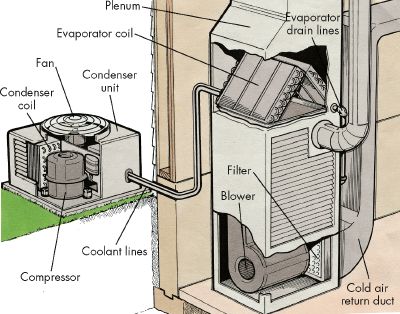
Credit: home.howstuffworks.com
Resetting Your Ac
Resetting your central AC can fix minor issues quickly. It helps clear glitches and restarts the system for smooth operation. This simple step often restores cooling without extra cost or tools. Knowing how and when to reset your unit saves time and prevents bigger problems.
Power Cut Procedure
After a power cut, your AC may stop working properly. First, turn off the thermostat. Wait for about five minutes to let the system rest. Then, turn the thermostat back on. This pause helps the AC reset its internal controls and resume normal function.
Breaker Switch Reset
Your AC unit has a breaker switch to protect it from electrical issues. Locate the breaker in your home’s electrical panel. Flip the breaker off, wait 30 seconds, then switch it back on. This resets the power supply and can solve many electrical problems with your AC.
When To Reset
Reset your AC after a power outage or if it stops cooling. Also reset it if the unit runs but does not blow cold air. Adjusting thermostat settings sometimes requires a reset to apply changes. Regular resets can keep your AC running smoothly and avoid costly repairs.
Repair Or Replace
Proper maintenance extends the life of your central AC and keeps it running smoothly. Regular care helps avoid costly repairs and improves efficiency. Simple steps can prevent common issues and maintain indoor comfort. Below are key maintenance tips every homeowner should know.
Regular Filter Cleaning
Dirty filters block airflow and reduce cooling power. Clean or replace filters every 1 to 3 months. This keeps air flowing freely and lowers energy use. It also improves air quality by trapping dust and allergens.
Duct Inspection
Leaky or blocked ducts cause uneven cooling and waste energy. Inspect ducts yearly for holes, gaps, or debris. Seal leaks with duct tape or mastic to prevent air loss. Clear blockages to ensure cool air reaches every room.
Refrigerant Level Checks
Low refrigerant causes poor cooling and system strain. Check refrigerant levels during routine service calls. If levels drop, find and fix leaks before refilling. Proper refrigerant keeps your AC working efficiently and avoids damage.
Credit: www.youtube.com
Frequently Asked Questions
What Are The Common Problems With Central Air Conditioners?
Common problems with central air conditioners include dirty filters, refrigerant leaks, thermostat issues, compressor failure, and airflow blockages. Regular maintenance prevents breakdowns and improves efficiency.
What Is The 3 Minute Rule For Ac?
The 3-minute rule for AC means waiting three minutes before restarting the unit after turning it off. This prevents compressor damage, reduces short cycling, and allows pressure to stabilize for efficient operation.
What Is The $5000 Rule?
The $5000 rule helps decide repair or replacement of an AC unit by multiplying its age by repair cost. If the result exceeds $5000, replacement is wiser. This saves money, boosts efficiency, and avoids frequent breakdowns.
How Do You Reset Your Central Air Unit?
Turn off the thermostat and cut power at the breaker box. Wait three minutes to stabilize pressure. Turn power and thermostat back on to complete the reset.
How Do I Fix My Central Ac Not Cooling Properly?
Check if the air filter is dirty or clogged. Clean or replace it to restore airflow. Also, ensure thermostat settings are correct and the outdoor unit is clear of debris.
Conclusion
Troubleshooting your central AC helps keep it running smoothly. Regular checks prevent small issues from turning big. Simple steps can fix common problems quickly. Waiting a few minutes before restarting protects the compressor. Clean filters and clear airflow improve cooling efficiency.
Knowing when to repair or replace saves money long-term. Stay aware of your system’s age and performance. Taking care today means fewer breakdowns tomorrow. Keep your home comfortable with these easy tips.