Is your central vacuum system acting up just when you need it the most? You’re not alone.
Many homeowners in Austin, Texas, face frustrating issues like loss of suction, strange noises, or the vacuum simply not turning on. But before you call a technician or consider replacing your entire system, there’s good news—you can often fix these problems yourself with some simple troubleshooting steps.
In this guide, you’ll discover easy, practical tips to identify and solve common central vacuum system issues quickly. Keep reading, and regain the powerful cleaning performance your home deserves without the hassle or cost of professional repairs.

Credit: vacufloedm.com
Common Problems
Central vacuum systems make cleaning easier and faster. Yet, like any machine, they face common problems. Knowing these issues helps you fix them quickly. It saves time and keeps your system running well.
Here are some frequent problems and simple ways to spot them. Understanding these issues helps maintain suction and power for your cleaning tasks.
Loss Of Suction
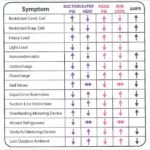
Loss of suction is the most common problem. Dirt or debris can block the hose or pipes. Check for clogs by detaching the hose and looking through it. Also, check the dust canister or bag. If full, empty or replace it. Clean or replace filters if they are dirty. A blocked intake valve can also reduce suction. Inspect and clean it regularly.
Brush Roll Issues
The brush roll may stop spinning or slow down. Hair and threads often wrap around the brush. This causes poor cleaning and extra strain on the motor. Remove the brush roll and clean it carefully. Check the belt that drives the brush roll. If broken or loose, replace it. A worn brush roll may also need changing for better cleaning.
Overheating And Smells
Overheating happens when the motor works too hard. Blocked hoses or filters cause this strain. The vacuum may shut off to protect itself. Let the unit cool down before restarting. Strange smells often come from burnt dust or motor parts. Clean or replace filters and clear blockages to avoid this. Regular maintenance prevents overheating and odors.
Power Failures
Power failures stop the vacuum from turning on. Check if the unit is plugged in properly. Look for tripped circuit breakers or blown fuses. Some units have a reset button near the power cord. Press it if the vacuum does not start. Inspect the power switch and wiring for damage. Repair or replace faulty parts to restore power.

Credit: www.youtube.com
Causes To Check
Quick fixes for your central vacuum system can save time and prevent costly repairs. Small issues often cause the system to lose suction or stop working. Regular checks and simple fixes keep your vacuum running smoothly. Here are some easy steps you can follow to troubleshoot common problems fast.
Empty Dustbin And Clean Filters
Check if the dustbin is full. A full dustbin reduces suction power. Empty it regularly to keep airflow strong. Also, clean or replace filters often. Dirty filters block air and strain the motor. Clean filters improve performance and extend the vacuum’s life.
Clear Hose Obstructions
Hoses can get clogged with dirt or debris. Detach the hose and look through it. Use a long, flexible object to clear blockages. Removing clogs restores suction quickly. Make sure the hose is not kinked or twisted, as this also restricts airflow.
Remove Hair From Brush Roll
Hair and threads often wrap around the brush roll. This stops it from spinning properly. Cut away tangled hair carefully with scissors. Clear the brush roll to keep it turning smoothly. A clean brush roll cleans floors better and protects the motor.
Replace Worn Belts
Belts power the brush roll and wear out over time. Inspect the belt for cracks or looseness. Replace worn belts to restore brush roll function. A tight, new belt improves cleaning and prevents motor strain. Keep spare belts handy for quick swaps.
Press Reset Button
Many central vacuums have a reset button on the power unit. Press the button if the vacuum stops running. It may trip due to overheating or a short circuit. Resetting the unit often solves the problem. Check the button location near the power cord or low voltage wires.
Check Voltage And Wiring
Loose or damaged wires cause power loss. Inspect wiring connections for any signs of wear or damage. Use a voltage tester to ensure power reaches the unit. Tighten loose wires carefully. Fixing electrical issues can restore full vacuum power safely.
Quick Fixes
Proper maintenance keeps your central vacuum system working well. Small tasks done regularly prevent big problems later. This saves time and money. Follow these simple tips to maintain your system and avoid common issues.
Regular Filter Cleaning
Clean your vacuum filter often. A dirty filter blocks airflow and reduces suction. Remove the filter and tap it gently to remove dust. Wash it with water if possible, then let it dry completely before replacing. Regular cleaning helps your vacuum run smoothly and last longer.
Inspect Hoses Periodically
Check hoses for cracks or holes regularly. Damaged hoses cause suction loss and reduce cleaning power. Look inside the hose for clogs or debris. Use a long, flexible brush or similar tool to clear any blockages. Replace hoses if you find tears or leaks.
Check Brush Roll Condition
Look at the brush roll on your vacuum head. Remove hair, string, and debris wrapped around it. A clean brush roll spins freely and picks up dirt better. If the brush roll is worn or broken, replace it quickly to keep your vacuum effective.
Monitor Motor Performance
Listen to your vacuum motor for strange sounds or smells. A healthy motor runs quietly and smoothly. If the motor overheats or stops, turn off the vacuum and let it cool. Check for blockages and clean filters. Persistent motor issues may need professional repair.

Credit: centralvac.com
Frequently Asked Questions
How Do I Know If My Central Vacuum Is Clogged?
A clogged central vacuum shows weak or no suction at the hose handle. Check for blockages by inspecting the hose and air pathways. Clear debris using a long, stiff object to restore airflow and suction power quickly.
Where Is The Reset Button On A Central Vacuum?
The reset button on a central vacuum is usually above the power cord on the power unit. It often sits on the upper left side near low voltage wire connections. Press this button to restore operation after a breaker trip or motor overload.
What Is The Most Common Problem With Vacuum Cleaners?
The most common vacuum cleaner problem is loss of suction caused by clogged filters, full dustbin, or hose blockages.
Why Did My Central Vacuum Suddenly Stop Working?
Your central vacuum may stop working due to a tripped reset button, clogged hose, full dustbin, or power supply issues. Check and clear blockages, press the reset button, and inspect power connections to restore function.
How Do I Know If My Central Vacuum Is Clogged?
If the vacuum has little suction at the hose handle, it may be clogged. Use a long, stiff object to clear blockages from the hose. Check the hose from the wall end for any debris.
Conclusion
Troubleshooting your central vacuum system saves time and money. Regular checks keep it running smoothly. Clear clogs and clean filters often for best suction. Reset buttons help restore power quickly. Small fixes prevent bigger problems later on. Stay patient and follow simple steps carefully.
A working vacuum means a cleaner, healthier home. Keep your system maintained to enjoy hassle-free cleaning.