Is your chiller acting up right when you need it most? Whether it’s not cooling properly, making strange noises, or showing error alarms, these problems can disrupt your comfort and operations.
But don’t worry—understanding how to troubleshoot your chiller can save you time, money, and stress. In this guide, you’ll learn simple, step-by-step ways to identify and fix common chiller issues. By following these tips, you’ll keep your system running smoothly and avoid costly repairs.
Ready to take control of your chiller’s health? Let’s dive in and solve those problems together.

Credit: bvthermal.com
Common Chiller Issues
Chillers are vital for cooling systems in many buildings and industries. Despite their importance, they face common issues that reduce efficiency and performance. Identifying these problems early helps prevent costly repairs and downtime. Understanding typical chiller faults aids in faster troubleshooting and better maintenance.
Clogging And Blockages
Clogging occurs when dirt, debris, or scale build-up inside pipes or filters. This reduces water or refrigerant flow, causing poor cooling. Blockages in the condenser or evaporator tubes lower heat transfer efficiency. Regular cleaning and filter changes can prevent these issues.
High And Low Pressure Problems
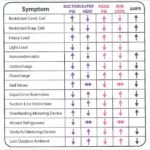
Pressure problems often indicate system imbalances. High pressure may result from dirty condensers or refrigerant overcharge. Low pressure can happen due to leaks or undercharge of refrigerant. Both conditions stress the compressor and reduce chiller lifespan. Monitoring pressure gauges is critical for early detection.
Water Leakage
Water leaks often appear around pumps, valves, or pipe joints. Leaks waste water and lower cooling capacity. They also increase the risk of electrical faults or corrosion. Checking seals and tightening fittings regularly helps minimize leak risks and maintain system integrity.
Refrigerant Leaks
Refrigerant leaks reduce cooling power and increase energy consumption. Leaks may occur at joints, valves, or damaged coils. They also harm the environment and violate safety standards. Leak detection tools and timely repairs are essential to keep the chiller running smoothly.
Compressor Failures
The compressor is the heart of any chiller system. Failures can occur due to electrical faults, lubrication issues, or mechanical wear. A failing compressor causes poor cooling or complete system shutdown. Regular inspections and maintenance extend compressor life and ensure reliable operation.
Credit: theengineeringmindset.com
Power And Electrical Checks
Power and electrical problems often cause chiller failures. Checking these systems first can save time and money. A thorough inspection helps identify faults early. This section covers key steps to ensure your chiller’s electrical system works properly.
Breaker And Fuse Inspection
Start by examining all breakers and fuses. Look for signs of tripping or blown fuses. Reset any tripped breakers carefully. Replace damaged fuses with the correct rating. Faulty breakers or fuses can stop the chiller from running. Regular checks prevent unexpected shutdowns and protect equipment.
Wiring And Connections
Inspect all wiring for loose or damaged connections. Tighten any loose terminals and replace frayed wires. Check for corrosion or discoloration on connectors. Poor wiring causes intermittent faults or total failure. Use a multimeter to test continuity and voltage levels. Proper wiring ensures stable power flow to the chiller.
Control Panel Error Codes
Read error codes displayed on the control panel. These codes indicate specific electrical or system issues. Refer to the chiller manual for code meanings and troubleshooting steps. Clearing minor errors may restart the system. Persistent errors require professional diagnosis. Monitoring error codes helps maintain reliable chiller operation.
Airflow And Condenser Maintenance
Proper airflow and condenser maintenance keep chillers running efficiently. Poor airflow or dirty condensers cause cooling problems and increase energy use.
Regular checks help avoid costly repairs and extend chiller life. Focus on cleaning coils, checking fan operation, and ensuring good airflow.
Cleaning Dirty Coils
Coils collect dust and dirt over time. This buildup blocks heat transfer and lowers cooling power.
Clean coils with a soft brush or low-pressure water. Avoid harsh chemicals that can damage fins.
Cleaning coils every few months prevents overheating and reduces energy costs.
Fan Operation And Repairs
The condenser fan moves air over the coils to release heat. A broken or slow fan reduces cooling.
Inspect fan blades for damage and clean any debris. Listen for unusual noises that signal motor issues.
Replace worn bearings or motors quickly to keep airflow steady and prevent chiller failure.
Ensuring Proper Airflow
Clear space around the condenser for unobstructed airflow. Blocked air reduces heat release and causes high pressure.
Check air filters regularly and replace dirty ones. Proper airflow improves chiller efficiency and lowers energy use.
Monitor airflow with sensors or gauges to spot problems early and keep the system balanced.

Credit: drdonyakhosravi.com
Water Flow And Pump Issues
Water flow and pump issues are common problems that affect chiller performance. These issues can reduce cooling efficiency and cause system failures. Proper water circulation is essential for heat transfer in chillers. Without the right flow, the chiller may overheat or shut down.
Understanding pump operation and water flow is key to quick troubleshooting. This section covers how to check pump functionality, identify valve and pipe blockages, and measure water flow rates. Regular inspections prevent costly repairs and downtime.
Pump Functionality
The pump moves water through the chiller system. A faulty pump reduces water flow and lowers cooling capacity. Listen for unusual noises or vibrations from the pump. Check the pump motor for overheating or electrical issues. Ensure the pump is running at the correct speed. Inspect the pump impeller for damage or wear. Replace or repair the pump if it fails these checks.
Valve And Pipe Blockages
Valves and pipes control water flow in the chiller system. Blockages limit water circulation and cause pressure drops. Inspect valves for corrosion, dirt, or mineral buildup. Ensure all valves are fully open unless otherwise specified. Check pipes for leaks or clogs caused by debris or scale. Clean or replace blocked pipes and valves to restore flow.
Water Flow Rate Checks
Water flow rate affects the chiller’s heat exchange efficiency. Use a flow meter to measure water flow in the system. Compare readings with the manufacturer’s recommended flow rates. Low flow indicates pump or blockage problems. High flow may cause noise or damage components. Adjust pump speed or clear blockages to maintain correct flow rates.
Refrigerant System Troubles
The refrigerant system is vital for chiller operation. Problems here cause poor cooling and high energy use.
Common issues include low refrigerant levels, leaks, and pressure irregularities. Identifying these troubles ensures timely repair and smooth function.
Checking Refrigerant Levels
Start by measuring the refrigerant charge. Low levels reduce cooling and strain the compressor.
Use a gauge set to read pressure values. Compare readings with manufacturer specs. Add refrigerant if needed, but avoid overcharging.
Detecting And Repairing Leaks
Leaks cause refrigerant loss and environmental harm. Look for oil stains or bubbles with a leak detector.
Common leak points include joints, valves, and coils. Seal small leaks with approved sealants or replace damaged parts.
Pressure Monitoring
Pressure gauges reveal system health. High pressure may indicate blockages or overcharge.
Low pressure can signal leaks or undercharge. Monitor both suction and discharge sides regularly.
Proper pressure balance improves efficiency and prevents damage.
Compressor Diagnostics
The compressor is the heart of a chiller system. Diagnosing compressor issues quickly helps avoid costly downtime. Understanding common problems and routine checks can improve chiller reliability.
This section covers key points to identify compressor faults and maintain system health.
Signs Of Compressor Failure
A compressor failure causes cooling loss and unusual noises. Watch for loud banging or grinding sounds. The chiller may cycle on and off frequently. High energy bills can signal inefficiency due to compressor trouble. Oil leaks near the compressor also indicate problems. Early detection prevents major damage and costly repairs.
Repair And Replacement Options
Minor compressor issues might need simple repairs like seal or valve replacement. Severe damage often requires a full compressor swap. Choose OEM parts to ensure system compatibility. Repair costs vary but replacing may save money long-term. Always hire skilled technicians for proper diagnosis and work. Regular maintenance extends compressor life and reduces failures.
Oil Level And Pressure Checks
Compressor oil lubricates moving parts and reduces wear. Check oil levels regularly to avoid damage. Low oil causes overheating and mechanical failure. Oil pressure gauges help monitor system health. Keep oil clean and replace it on schedule. Proper oil management improves compressor efficiency and prevents breakdowns.
Temperature And Cooling Performance
Temperature and cooling performance are key factors in chiller operation. Proper temperature control ensures the system cools efficiently. Poor cooling can lead to equipment damage and higher costs. Troubleshooting these issues helps maintain optimal performance and prevent downtime.
Identifying Insufficient Cooling
Insufficient cooling means the chiller does not reach the desired temperature. Check if the chilled water temperature is higher than the setpoint. Monitor the supply and return water temperatures. Look for unusual temperature differences that indicate cooling problems.
Also, listen for abnormal sounds from the chiller. These may signal mechanical or refrigerant issues. Inspect the condenser and evaporator coils for dirt or blockages. Clean coils improve heat transfer and cooling efficiency.
Heat Load Assessment
Heat load is the amount of heat the chiller must remove. Calculate the total heat from the building or process. Compare this to the chiller’s cooling capacity. Excess heat load can cause poor cooling performance.
Consider changes in occupancy, equipment, or weather that affect the heat load. Adjust the system if the heat load exceeds the chiller’s design limits. Proper load assessment prevents overworking the chiller and reduces failures.
Adjusting Setpoints
Setpoints control the target temperature for the chiller. Check if the setpoints are too high or too low. Adjusting setpoints can improve cooling without extra energy use.
Set the chilled water temperature slightly higher if cooling is too cold. Lower the setpoint if the space or process needs more cooling. Use the manufacturer’s guidelines for safe temperature ranges.
Regularly review and adjust setpoints to match changing conditions. Proper setpoints optimize energy use and cooling performance.
Noise And Vibration Issues
Noise and vibration issues in chillers indicate mechanical problems. These problems can reduce system efficiency and cause damage. Identifying the source of noise or vibration is essential. Quick detection helps prevent costly repairs and downtime.
Common Causes Of Noise
Loose components often cause rattling or banging sounds. Worn bearings create grinding or squealing noises. Unbalanced fans or motors produce humming or buzzing. Refrigerant flow can also cause clicking or hissing sounds. Early detection of these noises can save the chiller from severe damage.
Vibration Analysis
Vibration analysis helps find the exact problem source. Technicians use sensors to measure vibration levels on different parts. High vibration points indicate misalignment or imbalance. This method detects bearing failures, loose mounts, and shaft issues. Regular vibration checks improve chiller reliability and safety.
Component Tightening And Replacement
Tighten all loose bolts and screws to reduce noise. Replace worn or damaged bearings and mounts immediately. Check fan blades and motors for wear and fix or replace them. Regular maintenance prevents noise and vibration from worsening. Proper tightening and timely replacement extend chiller life.
Sensor And Control Calibration
Sensor and control calibration plays a key role in chiller troubleshooting. Accurate sensors and properly calibrated controls ensure the chiller runs efficiently. They help maintain the right temperature and pressure levels. Faulty sensors or controls can cause incorrect readings. This leads to poor performance or even system failure. Regular checks and calibration keep the system reliable and extend its lifespan.
Checking Sensor Accuracy
Begin by examining the sensors for accuracy. Use a reliable reference tool to compare sensor readings. Temperature sensors must reflect actual temperatures precisely. Pressure sensors also need to match real pressure values. If sensors show errors, note the difference. Inspect wiring and connections for damage or corrosion. Faulty wiring can cause wrong sensor data. Replace sensors that cannot be fixed or calibrated.
Recalibrating Controls
Controls manage the chiller’s operation based on sensor input. Incorrect control settings cause poor system response. Reset controls to factory defaults if needed. Follow the manufacturer’s instructions to recalibrate each control. Use calibration tools or software provided by the manufacturer. Adjust control parameters to match the correct sensor readings. Test the system after recalibration to confirm proper function. Keep a record of calibration dates and results.
Firmware And Software Updates
Control systems often use firmware or software to operate. Outdated firmware can cause bugs or errors in control logic. Check the manufacturer’s website for the latest firmware updates. Download and install updates carefully following provided steps. Software updates may improve sensor data processing and control accuracy. Regular updates help avoid compatibility issues and enhance system stability. Always backup system settings before updating firmware or software.
Preventive Maintenance Tips
Preventive maintenance is essential to keep chillers running smoothly. It reduces breakdowns and improves efficiency. Regular care helps identify small problems early. This prevents costly repairs and downtime. Follow simple tips to maintain your chiller effectively.
Regular Cleaning Schedules
Clean your chiller parts often. Dirt and debris block airflow and water flow. This causes the system to work harder. Clean condenser coils, filters, and strainers regularly. Use proper tools and cleaning agents. A clean chiller cools better and saves energy.
Routine Inspections
Inspect chillers at set times. Check for leaks, unusual noises, or vibrations. Look at refrigerant levels and pressure gauges. Test safety controls and electrical connections. Early detection of issues prevents major failures. Keep the chiller in good condition with regular checks.
Record Keeping And Monitoring
Keep detailed records of all maintenance work. Note dates, parts replaced, and inspection results. Use monitoring tools to track temperature and pressure. This helps spot trends and potential problems. Good records improve troubleshooting and decision-making.
Frequently Asked Questions
What Is The Common Problem For Chillers?
Common chiller problems include refrigerant leaks, clogged filters, low water flow, compressor failure, and high pressure issues. These affect cooling efficiency and require prompt troubleshooting.
How Do You Troubleshoot A Chiller?
Troubleshoot a chiller by checking power supply, airflow, water flow, and refrigerant levels. Inspect for leaks, blockages, and dirty components. Verify sensor readings and pump operation. Address alarms and unusual noises promptly. Clean coils and calibrate controls to restore proper function and efficiency.
How To Fix Chiller Not Cooling?
Check refrigerant levels and refill if low. Clean condenser coils and ensure proper airflow. Inspect compressor and repair or replace if faulty. Verify water flow and remove blockages. Test pumps and electrical components for faults. Perform regular maintenance to maintain cooling efficiency.
What Are The Failure Modes Of Chillers?
Chiller failure modes include refrigerant leaks, compressor failure, water flow issues, electrical faults, and sensor malfunctions. These cause poor cooling, high pressure, or shutdowns. Regular inspection and maintenance prevent most failures and ensure efficient operation.
What Are Common Chiller Problems To Watch For?
Chillers often face issues like clogging, high pressure, and water leaks. These problems reduce efficiency and require timely checks. Regular inspections help catch these faults early.
Conclusion
Chiller troubleshooting helps keep systems running smoothly. Regular checks prevent small problems from growing bigger. Watch for signs like unusual noises or leaks. Clean filters and coils to improve efficiency. Keep refrigerant at proper levels for best cooling. Prompt action saves time and reduces repair costs.
Simple steps lead to longer chiller life. Stay attentive and maintain your equipment well.