If you own a Chrysler 300, you know how frustrating it can be when your car starts acting up. Whether it’s trouble with shifting gears, strange noises when you turn the steering wheel, or power windows that suddenly stop working, these issues can disrupt your daily drive and leave you feeling stuck.
But don’t worry—this guide is here to help you troubleshoot the most common problems with your Chrysler 300. By understanding what’s causing these hiccups and how to fix them, you’ll save time, avoid costly repairs, and get back on the road with confidence.
Ready to uncover the solutions your Chrysler 300 needs? Let’s dive in.
Power Window Issues
Power window issues are common in Chrysler 300 models. These problems often cause frustration for drivers. Windows may get stuck, move slowly, or stop working entirely. Troubleshooting helps identify the cause and find a solution quickly.
Most power window problems come from mechanical or electrical faults. Dirt, worn parts, or broken components can stop the window from working. Regular checks can prevent bigger issues and keep windows operating smoothly.
Window Regulator Failures
The window regulator controls the window’s movement up and down. Over time, the regulator’s cables or gears can wear out or break. Signs include strange noises or windows that won’t stay up. Replacing the regulator restores smooth window operation.
Common causes of failure are dirt buildup and metal fatigue. Inspect the regulator if the window moves unevenly or gets stuck. Fixing the regulator early saves money on more extensive repairs.
Motor Replacement Tips
The power window motor drives the regulator. A failing motor makes the window slow or non-functional. Test the motor by listening for sounds or checking with a multimeter. No sound usually means the motor needs replacement.
Disconnect the battery before starting motor replacement. Remove the door panel carefully to avoid damage. Keep track of screws and clips for easier reassembly. Install the new motor and test the window before closing the door.
Steering Column Noises
Steering column noises in your Chrysler 300 can be distracting and may signal underlying issues. These sounds often occur while turning the wheel or driving over bumps. Understanding the cause helps prevent further damage and keeps your driving smooth. Early attention to steering column noises can save on costly repairs later.
Squeak Causes
Squeaks usually come from worn or dry parts inside the steering column. The main reasons include old bushings, loose components, or lack of lubrication. Dust and dirt can also build up, causing friction and noise. Sometimes, the steering shaft seal wears out, letting moisture in and worsening the problem. Identifying the exact cause requires inspection of the steering column parts.
Lubrication And Seal Replacement
Applying proper lubrication can stop most steering column squeaks. Use a high-quality grease on moving parts like bushings and bearings. Avoid using too much lubricant, as it can attract dirt. Replacing the lower steering shaft seal helps keep the area clean and dry. This prevents wear and reduces noise. Regular maintenance of these parts ensures a quiet and smooth steering experience.
Transmission Problems
The Chrysler 300 is a popular luxury sedan known for its powerful engine and smooth ride. Yet, some owners experience transmission problems that affect driving comfort. Transmission issues can cause rough shifts, delays, or strange noises. Understanding these problems helps in maintaining the car and avoiding costly repairs.
Shifting Harshness
Shifting harshness is a common transmission problem in the Chrysler 300. The car may jerk or hesitate while changing gears. Drivers often feel a sudden jolt or rough transition. This issue can result from worn clutch packs or low transmission fluid. Ignoring harsh shifts may lead to more serious damage.
Pcm And Tcm Software Updates
The Powertrain Control Module (PCM) and Transmission Control Module (TCM) control gear shifts. Sometimes, outdated software causes shifting problems or delays. Chrysler releases software updates to fix bugs and improve transmission response. These updates can restore smooth shifting without replacing parts.
Quick Transmission Fixes
Simple fixes often solve transmission troubles in the Chrysler 300. Checking and topping off transmission fluid is a good start. Replacing the fluid filter and cleaning the transmission cooler help maintain proper function. Resetting the transmission control module can clear minor glitches. These quick steps can improve shifting performance and delay major repairs.
Hvac System Troubles
The HVAC system in your Chrysler 300 controls heating, cooling, and air flow. Problems with it can make drives uncomfortable. Common issues include strange smells and weak airflow. These problems need quick attention to keep the cabin fresh and cozy.
Understanding the causes helps fix the HVAC system efficiently. Dirt, mold, and worn parts often lead to trouble. Regular checks can prevent major breakdowns and improve air quality inside the car.
Odor Sources
Bad smells usually come from mold or bacteria in the system. Moisture builds up in the evaporator, causing mildew. Leaves or debris trapped in vents also create odors. Smoke or food smells can linger if not cleaned.
To reduce odors, run the fan on high with fresh air mode. Use an HVAC cleaner spray to kill germs. Avoid leaving wet items inside the car. Air out the vehicle regularly to keep smells away.
Filter And Evaporator Maintenance
The cabin air filter traps dust, pollen, and debris. A dirty filter blocks airflow and lowers system efficiency. Replace the filter every 12,000 to 15,000 miles or as needed. Check the owner’s manual for exact intervals.
The evaporator cools the air but can collect dirt and moisture. Cleaning it requires a professional or special spray cleaner. Neglecting evaporator care can cause bad smells and poor cooling. Regular maintenance keeps the HVAC system working well.
Electrical Glitches
Electrical glitches in the Chrysler 300 can cause frustration and confusion. These issues often affect the car’s lights, sensors, and infotainment system. Understanding common problems helps solve them quickly. This section covers key electrical glitches and easy fixes.
Ignite Light Issues
The ignite light may flicker or stay on unexpectedly. This often signals a weak battery or loose wiring. Check the battery terminals for corrosion or poor connection. A failing alternator can also cause this light to activate. Testing the battery and alternator helps identify the problem. Replace faulty parts to restore normal function.
Resetting Uconnect System
The UConnect system can freeze or fail to respond. A simple reset often fixes this issue. Press and hold the power and volume buttons simultaneously for about 10 seconds. The screen will turn off and reboot. This clears minor software errors and restores operation. If problems persist, updating the system software may help.
Sensor And Gauge Malfunctions
Faulty sensors can cause inaccurate gauge readings. Speedometer, fuel, or temperature gauges may jump or stop working. Dirt, moisture, or damaged wiring often causes sensor errors. Inspect sensor connections and clean them gently. Replacing broken sensors restores correct readings. Regular maintenance prevents these malfunctions from worsening.

Credit: www.youtube.com
Common Engine Concerns
The Chrysler 300 is a robust vehicle but some common engine concerns may arise over time. Understanding these issues helps you keep your car running smoothly. Engine problems can cause stalling or erratic gauge readings. These signs usually indicate underlying faults that need attention.
Regular checks and prompt troubleshooting prevent costly repairs. Knowing common causes of engine stalling and fluctuating gauges can save time and money. Let’s explore these typical concerns in detail.
Engine Stalling Causes
Engine stalling occurs when the engine suddenly stops running. This problem may happen at idle or while driving. Common causes include a dirty fuel filter blocking fuel flow. Faulty spark plugs can also disrupt engine firing and cause stalling.
A failing ignition coil may cut power to the engine. Sensors like the crankshaft position sensor can malfunction and confuse the engine control unit. Low fuel pressure or a bad fuel pump often lead to stalling as well.
Checking these parts early can prevent dangerous situations on the road. A professional mechanic can use diagnostic tools to find exact causes. Regular maintenance helps avoid unexpected engine stalls.
Fluctuating Gauges
Fluctuating gauges on the dashboard can confuse any driver. This issue often signals electrical problems or sensor failures. The engine temperature gauge may jump erratically if the coolant temperature sensor is faulty. Voltage irregularities can cause fuel and oil pressure gauges to move unpredictably.
Loose wiring or corroded connections behind the dashboard can also cause this problem. A malfunctioning instrument cluster might display false readings. These fluctuations demand quick attention to avoid engine damage.
Inspecting the electrical system and sensors restores accurate gauge readings. Replacing worn components ensures safe and reliable vehicle operation. Do not ignore sudden or constant gauge changes in your Chrysler 300.
Diy Maintenance Tips
Maintaining your Chrysler 300 at home saves time and money. Simple care keeps the car running smoothly. Basic checks and fixes prevent bigger problems. This section covers easy maintenance steps you can try yourself.
Simple Repairs
Check the oil level every month. Use the right oil type for your engine. Replace air filters when dirty. Clean or replace spark plugs as needed. Tighten loose battery connections to avoid start problems. Fix minor window regulator issues by lubricating tracks. Replace blown fuses in the fuse box to restore power. Adjust tire pressure for better fuel efficiency and safety. These small tasks keep your Chrysler 300 reliable and safe.
When To Seek Professional Help
Listen for unusual noises like squeaks or grinding. Notice if the transmission shifts roughly or slips. Watch for warning lights that stay on the dashboard. Avoid trying complex repairs on the electrical system. Seek help if the engine stalls or hesitates while driving. Call a mechanic for brake or suspension repairs. Professionals have tools and knowledge for safe fixes. Early expert help avoids costly damage and keeps your car safe.

Credit: www.amazon.com
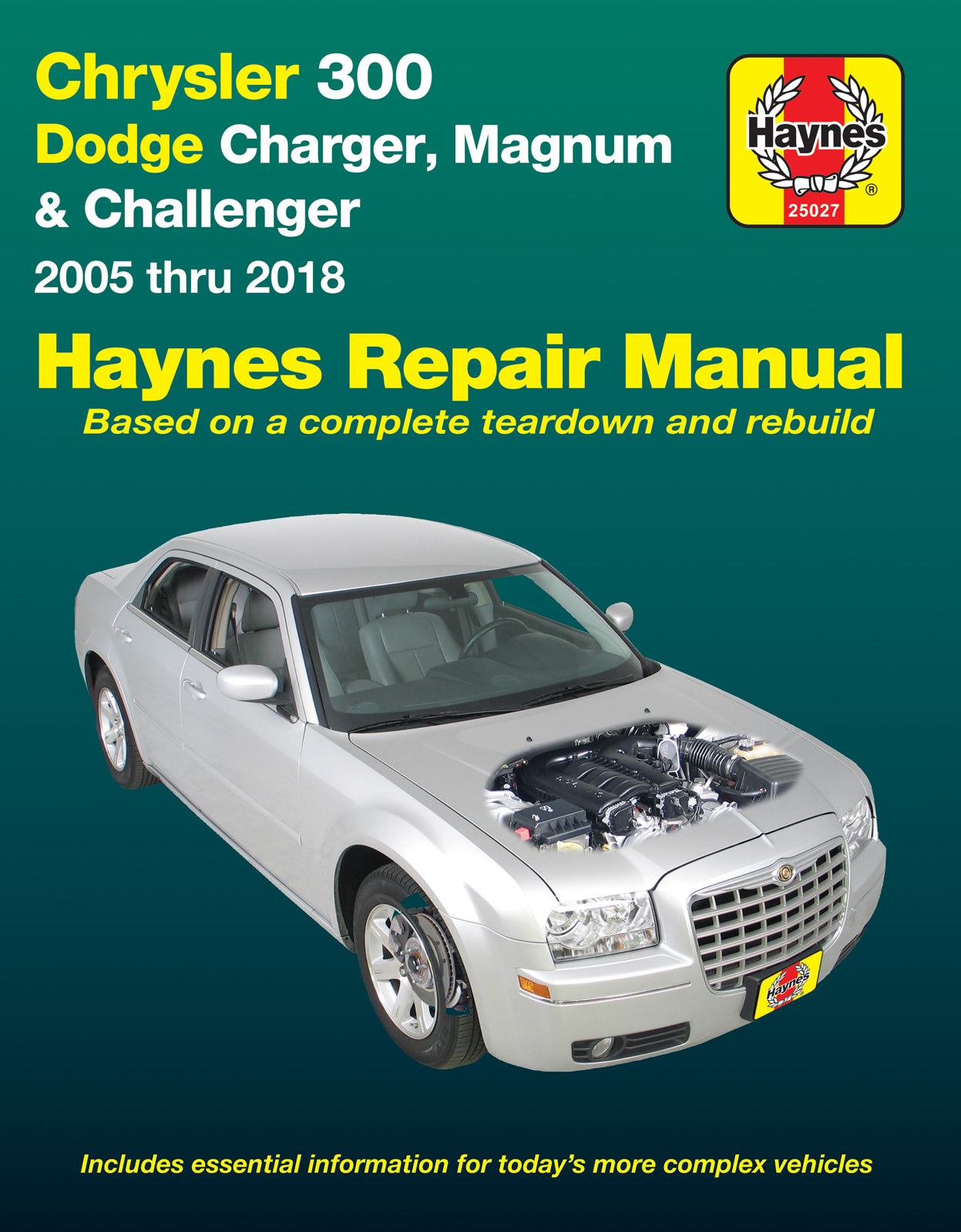
Credit: uk.haynes.com
Frequently Asked Questions
What Is The Most Common Problem With Chrysler 300?
The most common problem with the Chrysler 300 is transmission shifting issues. Software updates often fix these shifting problems.
What Would Cause A Chrysler 300 Not To Start?
A Chrysler 300 may not start due to a dead battery, faulty starter, bad ignition switch, or fuel system issues. Check these first.
How To Do A Hard Reset On A Chrysler 300?
To hard reset a Chrysler 300, disconnect the negative battery terminal for 15 minutes. Reconnect it, then start the car to complete the reset.
What Are The Common Problems With My Chrysler?
Common Chrysler problems include transmission shifting issues, window regulator failure, steering column squeaks, HVAC odors, and electrical system glitches. Software updates often fix shifting and electrical faults. Regular maintenance helps prevent these issues and ensures smooth vehicle performance.
What Are Common Chrysler 300 Transmission Problems?
Chrysler 300 often faces shifting harshness and shuddering issues. Software updates usually fix these transmission problems quickly.
Conclusion
Troubleshooting your Chrysler 300 can save time and money. Start by identifying common issues like transmission or electrical problems. Regular maintenance helps avoid bigger repairs later. Use simple checks for window regulators or steering noises. Software updates often fix shifting and sensor glitches.
Stay calm and tackle one problem at a time. This approach keeps your car running smoothly. Keep learning and stay patient with repairs. Your Chrysler 300 will thank you with better performance.