Is your commercial roll-up door acting up right when you need it most? Whether it won’t open, gets stuck halfway, or makes strange noises, these problems can disrupt your business and cause frustration.
But don’t worry—you can often fix common issues yourself with a few simple checks and adjustments. In this guide, you’ll learn easy troubleshooting steps to identify what’s wrong and how to get your door working smoothly again. Keep reading to save time, avoid costly repairs, and ensure your door stays reliable day after day.
Your business depends on it!
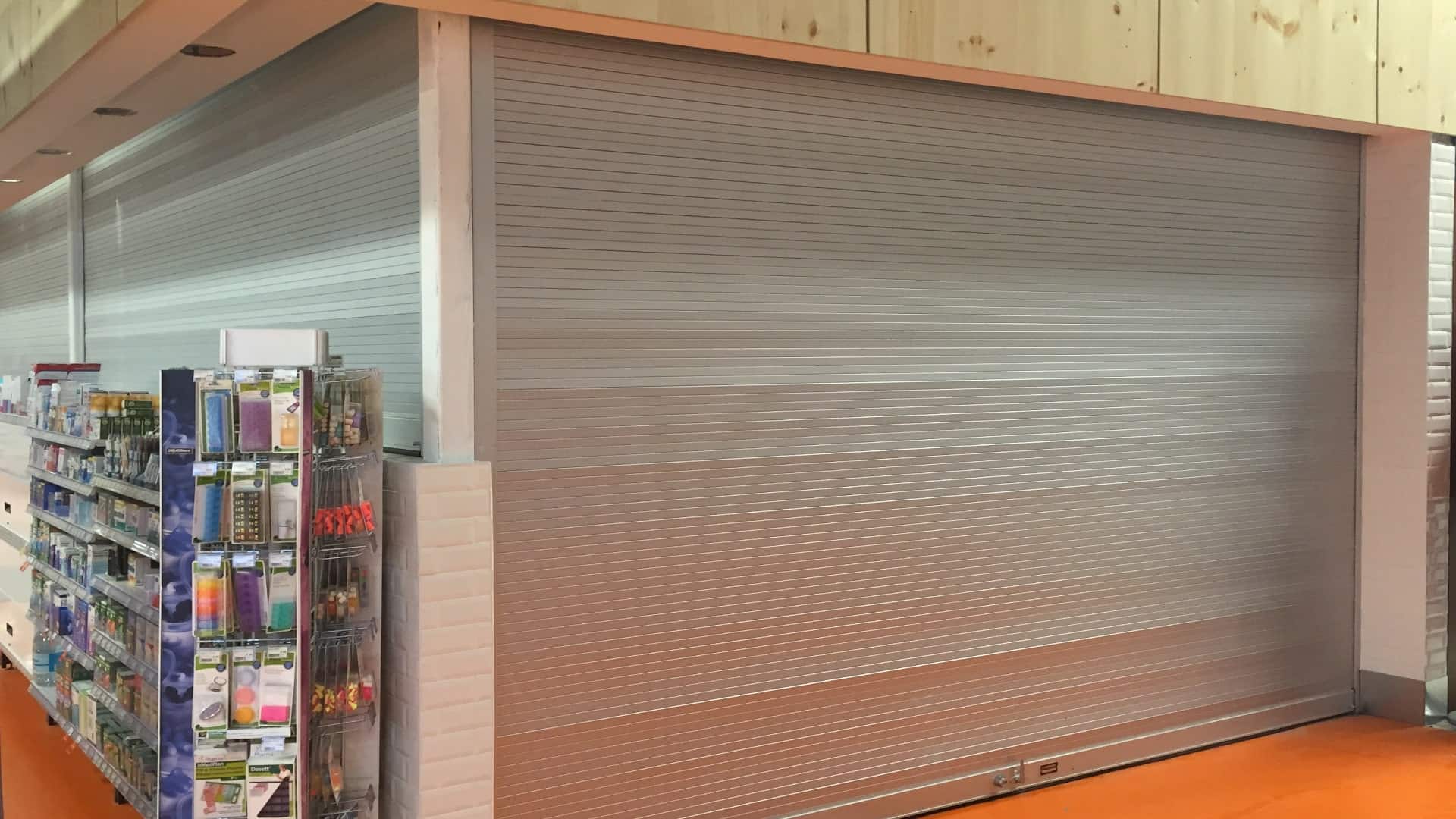
Credit: www.dynamicclosures.com
Common Roll Up Door Issues
Commercial roll up doors often face issues that slow down business operations. Knowing common problems helps save time and money. These doors need regular checks to avoid sudden failures. Simple fixes can restore their function quickly. Understanding typical issues helps in spotting trouble early.
Door Won’t Open Or Close
The door may stop moving due to power loss or a dead remote battery. Obstructions in the tracks can block its path. A broken motor or faulty control panel also causes this problem. Sometimes, the limit switch that stops the door at open or close points fails. Check for debris or damage along the door frame.
Noisy Or Grinding Sounds
Unusual noises often mean parts need lubrication or repair. Rollers and hinges that dry out cause grinding. Loose hardware can rattle during door movement. A damaged cable or worn motor gears also create loud sounds. Regular lubrication with silicone spray reduces friction and noise.
Uneven Or Unbalanced Operation
When a door moves unevenly, the springs or cables may be faulty. Misaligned tracks cause the door to tilt or jam. Worn rollers or bent tracks disturb smooth movement. The door might get stuck halfway or not seal properly at the bottom. Test the balance by manually lifting the door halfway and seeing if it stays put.
Sensor Malfunctions
Sensors detect obstacles and stop the door from closing. Dirt or debris on sensors causes false triggers. Misaligned sensors fail to detect objects correctly. This can leave the door stuck open or closing unexpectedly. Clean the sensor lens and check alignment regularly for proper function.
Power And Control Checks
Power and control systems keep commercial roll-up doors working smoothly. Without power, the door won’t move. Control devices send signals to open or close the door. Checking these parts can solve many common problems fast.
Start by ensuring the power supply is stable. Next, test the controls that operate the door. Sometimes a simple reset helps the system work again. These steps save time before calling a technician.
Inspect Circuit Breaker And Fuses
Look at the circuit breaker panel for tripped switches. A breaker may switch off due to overload or short circuits. Flip it back to the ON position if you find a trip.
Check fuses related to the door’s power circuit. Blown fuses stop electrical current and prevent door operation. Replace any damaged fuses with the exact rating for safety.
Test Remote And Wall Switch
Test the remote control by pressing the buttons near the door. Replace the remote batteries if the door does not respond. Batteries often lose power without warning.
Try the wall switch to rule out remote issues. If the wall switch does not work either, the problem may be wiring or the control board. Check for loose wires or damaged buttons.
Resetting The Door System
Power off the door system at the breaker or main switch. Wait about 30 seconds to clear any error codes or glitches.
Turn power back on and try operating the door again. This reset can fix minor faults in the control electronics. Repeat if needed but avoid frequent resets.
Track And Hardware Inspection
Inspecting the track and hardware is key to fixing commercial roll-up doors. These parts guide the door smoothly and keep it stable. Problems here often cause the door to jam or work slowly. Regular checks stop bigger issues and keep your door working well.
Clear Debris And Obstructions
Look inside the tracks for dirt, leaves, or small objects. Remove all debris to prevent the door from sticking. Clean tracks let the door roll up and down easily. Use a brush or cloth to clear out any build-up.
Check Track Alignment
Tracks must be straight and level. Bent or misaligned tracks cause the door to bind or stop. Use a level tool to check the tracks. Adjust the track brackets if they are loose or out of place.
Tighten Loose Hardware
Loose bolts, screws, or brackets weaken the door system. Check all hardware along the tracks and door frame. Tighten any loose parts with a wrench or screwdriver. Secure hardware prevents rattling and keeps the door stable.
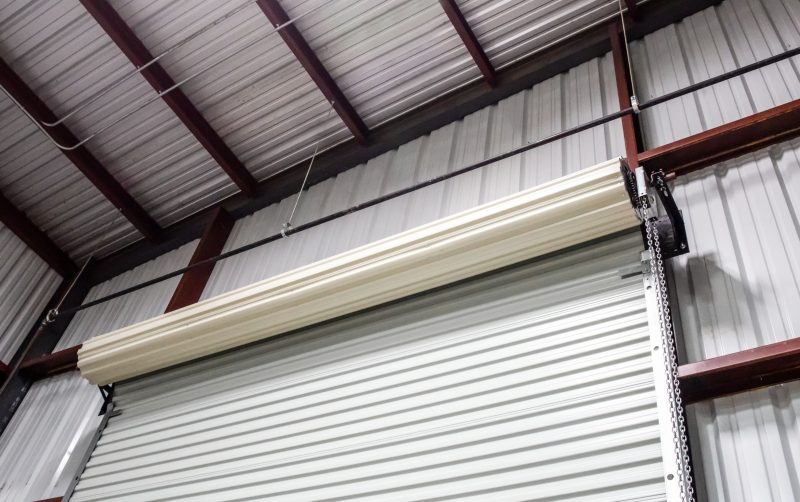
Credit: www.dbci.com
Lubrication Tips
Proper lubrication keeps commercial roll-up doors running smoothly. It reduces noise and prevents wear on key parts. Regular lubrication extends the door’s life and avoids costly repairs.
Use the right lubricant and apply it carefully. Focus on moving parts like rollers, hinges, and springs. Clean old grease and dirt before adding fresh lubricant for best results.
Use Silicone-based Lubricants
Silicone-based lubricants work well on roll-up doors. They resist dirt and water better than other types. These lubricants stay in place longer and keep parts moving quietly. Avoid lubricants that attract dust or dry out quickly.
Avoid Oil And Grease
Oil and grease can cause problems on roll-up doors. They attract dirt and grime, which clogs moving parts. Over time, this buildup makes the door heavy and noisy. Avoid using household oils or thick grease on your door.
Lubricate Rollers, Hinges, And Springs
Rollers, hinges, and springs need regular lubrication for smooth movement. Spray lubricant on rollers to reduce friction in the tracks. Apply to hinges to prevent squeaks and stiffness. Lightly coat springs to keep tension balanced and protect against rust.
Spring And Cable Maintenance
Maintaining the springs and cables of your commercial roll-up door is crucial for smooth operation. These parts handle most of the door’s weight and tension. Regular checks help prevent sudden failures and costly repairs.
Springs store energy to lift the door easily. Cables connect the door to the spring system. Both parts wear out over time and need proper care.
Adjusting Spring Tension Safely
Spring tension controls how easily the door opens and closes. Too much or too little tension causes problems. Use winding bars made for this task. Never use screwdrivers or other tools.
Stand to the side while adjusting to avoid injury. Turn the bars slowly, one quarter turn at a time. Test the door’s balance after each adjustment. If unsure, call a professional for help.
Inspecting Cables For Wear
Check cables regularly for fraying, rust, or broken strands. Worn cables can snap and cause accidents. Look at both sides of the door carefully.
Replace cables if you see any damage. Lubricate cables lightly to reduce friction. Keep the cables tight but not overly stretched.
When To Avoid Diy Repairs
Springs and cables carry high tension. Mistakes can cause serious injury. Avoid DIY fixes if you lack experience or proper tools.
Do not attempt major repairs or replacements alone. Call a certified technician for spring or cable problems. Safety should always come first.
Sensor Cleaning And Alignment
Sensors on commercial roll-up doors keep the operation safe and smooth. Dirt or misalignment can cause the door to stop working properly. Cleaning and aligning these sensors helps restore proper function. Regular checks prevent many common issues. Follow simple steps to keep sensors clean and well positioned.
Remove Dirt And Debris
Turn off the power to the door system first. Use a soft cloth to gently wipe the sensor lenses. Avoid harsh chemicals that might damage the sensors. Remove any dust, spider webs, or dirt blocking the sensor’s view. Clean both sides of the sensor for best results. Clear sensors allow the door to detect obstacles accurately.
Check Sensor Positioning
Sensors must face each other directly across the door opening. Look for any tilt or shift in their position. Adjust the sensors so their beams align perfectly. Tighten mounting brackets to keep sensors steady. Misaligned sensors can cause the door to stop closing or opening. Proper alignment ensures smooth and safe door movement.
Test Sensor Functionality
Restore power and test the door operation. Place an object in the sensor path to check response. The door should stop closing and reverse immediately. If the door ignores the object, sensors may be faulty or still misaligned. Repeat cleaning and alignment steps if needed. Replace sensors if problems continue to ensure safety and reliability.
Manual Operation Techniques
Manual operation techniques are essential for managing commercial roll-up doors during power failures or mechanical issues. Knowing how to manually operate the door helps avoid downtime and ensures safety. These methods allow you to control the door without relying on automatic systems.
Understanding manual operation can save time and reduce repair costs. Below are key techniques for manually lowering the door, resetting the mechanism, and following safety precautions.
Manually Lowering The Door
Locate the manual release handle near the motor or side rail. Pull the handle to disengage the motor from the door. Slowly pull the door down by hand, using smooth, controlled movements. Avoid letting the door fall quickly to prevent damage or injury. Lower the door fully to secure it in place for safety or repairs.
Resetting The Mechanism
After manual operation, the mechanism may need resetting. Re-engage the motor by returning the release handle to its original position. Test the door with the automatic controls to check proper function. If the door does not move correctly, inspect for loose parts or alignment issues. Resetting can restore normal operation without professional help in many cases.
Safety Precautions
Always wear gloves and protective gear when handling the door. Keep fingers and hands clear of moving parts. Use caution with the manual release to prevent sudden drops. Never force the door if it feels stuck or heavy. Call a professional technician if unsure about any step or if the door shows signs of spring or cable damage.
When To Hire A Professional
Knowing when to hire a professional for commercial roll up door issues is crucial. These doors have many parts that work together. Some problems need expert tools and skills. Trying to fix serious problems without help can cause damage or injury. A professional ensures safe, reliable repairs and keeps your business running smoothly.
Broken Springs Or Cables
Springs and cables handle the heavy lifting of your door. If a spring breaks or a cable snaps, the door may not open or close properly. These parts store a lot of tension and can be dangerous to fix alone. Call a pro immediately to replace broken springs or cables safely and correctly.
Motor And Wiring Issues
The motor powers your roll up door. Wiring connects the motor to controls and power. Motor failure or wiring problems can cause the door to stop working. These issues need specialized knowledge to diagnose and repair. A professional can safely test and fix electrical parts, preventing further damage or hazards.
Persistent Misalignment
Roll up doors must stay aligned on their tracks. Sometimes, they can become misaligned and get stuck or jammed. If simple adjustments do not fix this, the problem may be more complex. Persistent misalignment can cause wear and tear on the door. Professionals can realign the door and check for hidden damages.
Unresolved Basic Troubleshooting
Basic troubleshooting includes checking power sources, cleaning tracks, and lubricating parts. If these steps do not solve the problem, it is time to call a professional. Experts can find issues hidden beneath the surface. They use the right tools and parts for long-lasting repairs.
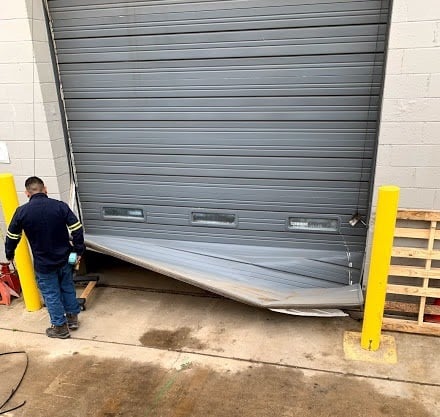
Credit: www.overhead-doors.com
Frequently Asked Questions
Why Is My Commercial Roll Up Door Not Closing?
Your commercial roll-up door might not close due to power issues, track obstructions, misaligned sensors, or worn springs. Check power supply, clear debris from tracks, and clean sensors. Lubricate moving parts and inspect for loose hardware. Call a professional if springs or motor need repair.
Why Is My Roll Up Door Not Working?
Check power supply, remote batteries, and circuit breakers first. Clear debris from tracks and sensors. Lubricate rollers and hinges with silicone spray. Inspect for misaligned tracks, loose hardware, or worn springs. Test door balance. Call a professional for spring, motor, or complex wiring issues.
How To Adjust Tension On Commercial Roll Up Door?
To adjust tension on a commercial roll-up door, first disconnect power. Use winding bars to turn the torsion springs carefully. Increase or decrease tension until the door balances properly. Always follow safety precautions or hire a professional to avoid injury.
How To Fix A Commercial Door That Won’t Open?
Check power supply and remote batteries first. Clear debris and lubricate tracks and rollers. Inspect tracks for alignment and damage. Clean and align safety sensors. Test balance by opening halfway; call a professional for spring or motor issues.
Why Is My Commercial Roll Up Door Not Closing Properly?
A common cause is dirt or debris blocking the tracks or sensors. Check and clean the tracks, rollers, and sensors for smooth operation. Also, inspect the motor and limit switches for faults.
Conclusion
Troubleshooting commercial roll-up doors helps keep your business running smoothly. Start by checking power sources and remote controls first. Clear dirt and debris from tracks to prevent jams. Regular lubrication reduces noise and wear on moving parts. Make sure sensors and tracks align properly for smooth operation.
Avoid adjusting springs yourself to stay safe. Call a professional for complex motor or spring issues. Simple steps can save time and avoid costly repairs. Keep your door working well with regular checks and care.