Is your condensate pump acting up or not working as it should? If you’ve noticed water pooling around your HVAC system or heard strange noises coming from your pump, it’s time to take action.
Understanding how to troubleshoot your condensate pump can save you from costly repairs and uncomfortable indoor conditions. In this guide, you’ll learn simple and effective steps to diagnose common issues and get your pump running smoothly again. Whether you’re a homeowner or managing a commercial space, these tips will empower you to tackle problems confidently and keep your system in top shape.
Keep reading to discover how you can quickly identify and fix condensate pump troubles before they escalate.
Common Condensate Pump Problems
Condensate pumps play a vital role in removing water produced by HVAC systems. Common problems can stop these pumps from working properly. Knowing these issues helps in quick troubleshooting and avoids damage to your system.
Power Supply Issues
Power supply problems are a top cause of pump failure. The pump may not get electricity due to a tripped breaker or a blown fuse. Loose or damaged wiring can also cut power. Checking the power source and connections fixes most issues fast.
Clogged Tubing And Blockages
Condensate pumps use tubes to drain water. Tubes often get clogged with dirt, algae, or debris. Blocked tubing stops water flow and causes pump failure. Cleaning or replacing the tubes restores proper drainage and prevents overflow.
Pump Motor Failures
The pump motor moves the water out of the system. Motors can fail from wear, overheating, or electrical faults. A burnt smell or no sound during operation shows motor trouble. Replacing or repairing the motor gets the pump working again.
Overflow And Water Leaks
Overflow happens when the pump does not remove water fast enough. Leaks appear around the pump or drain lines. Overflow risks water damage and system malfunction. Regularly checking water levels and seals stops leaks and overflow problems.

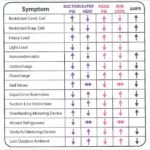
Credit: swastha.life
Diagnosing Pump Malfunctions
Diagnosing pump malfunctions is a key step in condensate pump troubleshooting. Early identification of issues helps prevent water damage and system failures. A careful inspection can reveal common problems and guide repairs.
Testing Pump Operation
Start by activating the pump using the test button or following the manual. Watch if the pump turns on and pumps water out properly. A pump that does not start might have electrical or mechanical problems. Repeat the test a few times to confirm consistent operation.
Listening For Unusual Noises
Listen closely while the pump runs. Unusual sounds like grinding, buzzing, or rattling suggest internal damage or blockages. Quiet operation usually means the pump is healthy. Strange noises can warn of worn parts or clogged components.
Checking Water Discharge
Observe the water flow from the discharge pipe. Steady water flow shows the pump is clearing condensate correctly. Weak or no water flow indicates possible clogs or pump failure. Clear any debris or tubing obstructions that block water discharge.
Inspecting Reservoir Water Levels
Check the water level inside the pump reservoir. The water should not overflow or stay too low. Overflowing water means the pump may not activate or pump out water. Low water levels might signal leaks or intake problems. Keep the reservoir at the recommended level for best performance.
Quick Fixes For Power Problems
Power problems often cause condensate pumps to stop working. Quick fixes can restore function without waiting for a technician. These simple steps save time and reduce hassle. Check the basics before calling for help. The pump might just need a small adjustment or reset.
Verifying Electrical Connections
Start by inspecting all electrical connections. Make sure wires are tight and not damaged. Loose or corroded connections can block power flow. Turn off the power before touching wires to avoid shocks. Use a screwdriver to tighten any loose screws. Replace any frayed or broken wires immediately. Proper connections ensure the pump receives steady power.
Using Alternative Power Outlets
Test the pump using a different power outlet. The original outlet might have no power or a tripped breaker. Plug in another device to check if the outlet works. If the pump runs on a new outlet, fix the old one or use the new outlet permanently. Avoid using extension cords as a long-term solution. A reliable power source keeps the pump running smoothly.
Resetting The Pump
Many condensate pumps have a reset button. Locate the button near the pump’s motor or control panel. Press and hold it for a few seconds. This action clears minor electrical faults or overloads. If the pump still does not work, unplug it for a minute before plugging it back in. Resetting often restores normal function quickly and easily.

Credit: www.reddit.com
Clearing Tubing Blockages
Clearing tubing blockages is a key step in fixing condensate pump issues. Blocked tubes can stop water from flowing correctly. This may cause water to back up and damage your system. Regular checks and cleaning keep your pump running smoothly. Follow simple steps to clear tubing and avoid costly repairs.
Removing Kinks In Discharge Tubing
Discharge tubing often bends or kinks. These kinks block water flow and reduce pump efficiency. Check the tubing carefully along its entire length. Straighten any sharp bends or loops gently by hand. Use clips or brackets to hold tubing in place. Make sure tubing runs smoothly without tight curves.
Flushing Intake Pipes
Intake pipes bring water into the pump. Dirt and debris can clog these pipes. Flush the intake pipes with clean water to clear blockages. Use a small brush or pipe cleaner if needed. Run water through until it flows freely. This prevents buildup that can stop the pump from working.
Cleaning Filters And Screens
Filters and screens stop dirt from entering the pump. Over time, they collect dust and particles. Remove filters and screens carefully. Rinse them under running water to remove dirt. Use a soft brush for stubborn grime. Dry parts before putting them back. Clean filters help maintain strong water flow and protect the pump.
Repairing Or Replacing The Pump Motor
Repairing or replacing the pump motor is a key step in condensate pump troubleshooting. The motor drives the pump to move water away from your HVAC system. If the motor fails, the pump stops working. This can cause water to overflow and damage your equipment. Understanding how to spot motor problems helps you decide the next action. Some motor issues can be fixed, while others need full replacement.
Identifying Motor Burnout
Motor burnout happens when the motor overheats or has electrical faults. Signs include a burning smell or smoke from the pump. The motor may also make a humming noise without spinning. Another sign is the pump not running at all despite power supply. Checking the motor’s temperature can help detect overheating. A burnt motor often has visible damage to its wiring or casing.
Replacing Faulty Motors
Replacing a faulty motor involves disconnecting the pump from power first. Remove the old motor carefully to avoid damaging other parts. Match the new motor with the pump’s specifications for voltage and size. Secure the new motor firmly in place. Reconnect all wiring exactly as before. Test the pump after replacement to ensure it runs smoothly and quietly.
When To Call A Professional
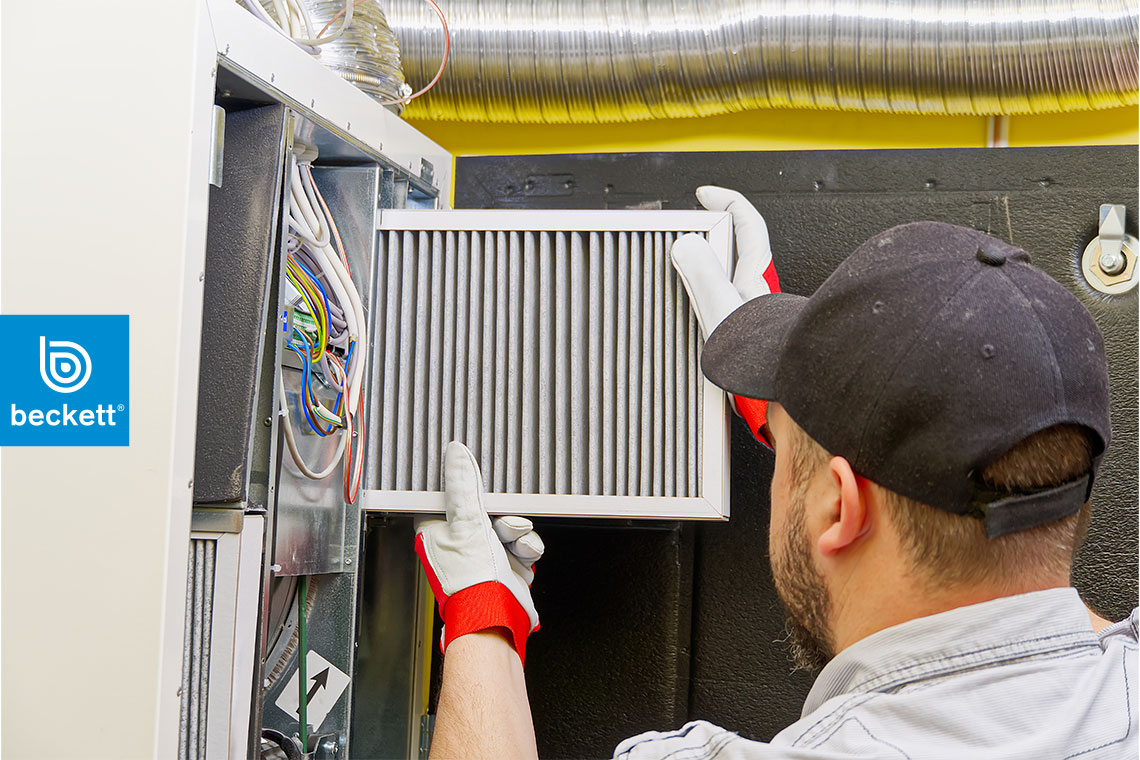
Some motor problems need expert help. Complex wiring or sealed pump units are harder to handle. If you lack tools or experience, avoid DIY repairs. A professional can diagnose hidden issues and guarantee safe repair or replacement. Calling a technician saves time and prevents further damage. Always prioritize safety when dealing with electrical components.
Credit: beckettus.com
Preventive Maintenance Tips
Preventive maintenance is key to keeping your condensate pump working well. Small checks and care can stop big problems. Regular attention helps avoid costly repairs and extends pump life. Follow these simple tips for smooth operation and fewer breakdowns.
Regular Cleaning Schedule
Clean the pump and reservoir often. Dirt and debris can block the system. Remove any buildup inside the pump. Use a soft brush and mild cleaner. Keep the drain lines clear to prevent clogs. A clean pump runs quietly and efficiently.
Monitoring Water Levels
Check water levels in the pump’s reservoir. Too much water means the pump is not working well. Too little water can cause the pump to run dry and damage it. Watch for leaks or spills around the pump area. Keep the water level steady for safe operation.
Ensuring Proper Installation
Make sure the pump is installed correctly. It should sit on a flat, stable surface. Check that all tubes and wires are connected tightly. The pump should have the right power supply. Poor installation can cause frequent failures and noise. Proper setup helps the pump last longer.
Safety Precautions And Best Practices
Safety is the top priority during condensate pump troubleshooting. Following safety precautions helps prevent accidents and equipment damage. Best practices keep the work area secure and efficient. Taking simple steps reduces risks and saves time.
Avoiding Electrical Hazards
Turn off the power before starting any work on the pump. Use a voltage tester to confirm no electricity flows. Wear insulated gloves and rubber-soled shoes to reduce shock risk. Keep tools dry and avoid touching live wires. Never bypass safety switches or fuses.
Handling Water Spills Safely
Clean water spills immediately to avoid slips and falls. Use absorbent cloths or a wet vacuum for quick cleanup. Ensure the area dries completely before restoring power. Wear waterproof gloves to protect your skin. Check for hidden moisture that can cause mold or damage.
Maintaining Manufacturer Guidelines
Read and follow the pump’s manual carefully. Use only recommended parts and tools for repairs. Perform maintenance tasks as the manufacturer advises. Avoid shortcuts that may void warranties or cause harm. Keep manuals and safety data sheets handy for reference.
Frequently Asked Questions
How To Tell If A Condensate Pump Is Bad?
Test the pump by pouring water into the reservoir. Listen for unusual noises and check if it pumps water out. Look for water pooling around the unit. Verify power supply and inspect discharge tubing for blockages. These signs indicate a bad condensate pump.
What Causes A Condensate Pump To Stop Working?
A condensate pump stops working due to power loss, clogged or kinked discharge tubing, or blocked intake pipes. Regular maintenance prevents these issues.
Should A Condensate Pump Be Full Of Water?
A condensate pump’s reservoir should have some water to activate the pump. It should never be completely full or empty. Too much water indicates a blockage or pump failure.
How Do I Make Sure My Condensate Pump Is Working?
Pour water into the pump’s reservoir hole to trigger operation. Listen for noise and check if it pumps water out. Ensure it has power and no blockages.
What Are Common Signs Of A Condensate Pump Failure?
A condensate pump failure often shows as water pooling near the HVAC unit. You may hear unusual noises or notice the pump not turning on. These signs mean the pump might be clogged or the motor is faulty.
Conclusion
Troubleshooting a condensate pump can save time and money. Regular checks keep the pump working well. Watch for leaks or unusual noises during operation. Clear any blockages in the tubing quickly. Testing the pump with water helps confirm its function.
Simple maintenance prevents bigger problems later on. Stay attentive to your HVAC system’s needs. Proper care ensures a longer pump lifespan and smooth performance.